The first few days and weeks with your new puppy
Your puppy’s first day with you
Keep your house calm
Your puppy may be feeling stressed by the new sights, sounds and smells, and the separation from their mother. So keep your house very calm to avoid adding to this stress.
Take them outside
As soon as you get home, take your puppy to your garden or outside area so they can go to the toilet. If they manage to go, reward them with a positive tone in your voice.
Let your puppy explore
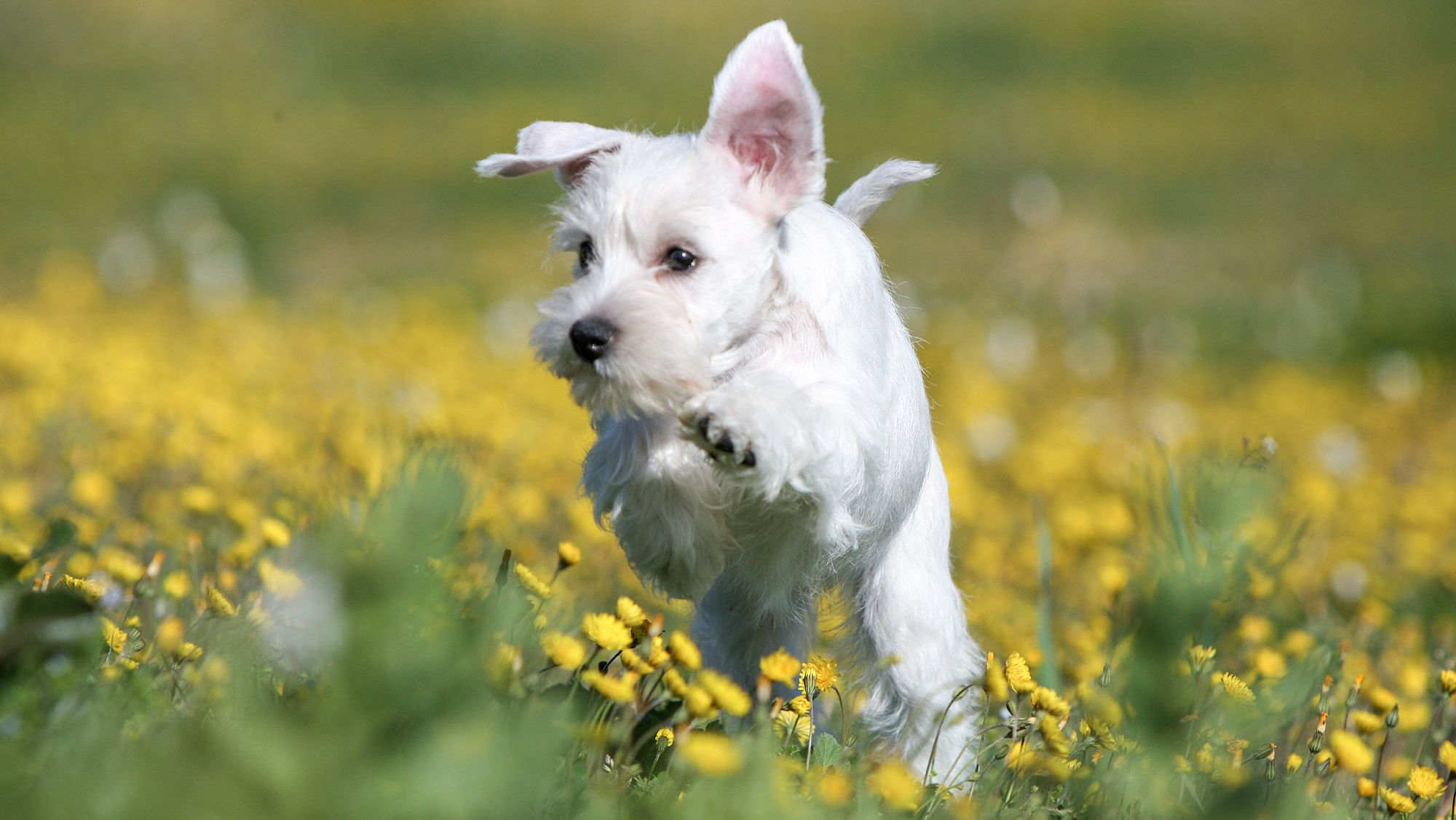
After your puppy’s been outside, take them inside to a safe area that you’ve blocked off and let them begin sniffing and exploring in their own time.
Supervise at all times
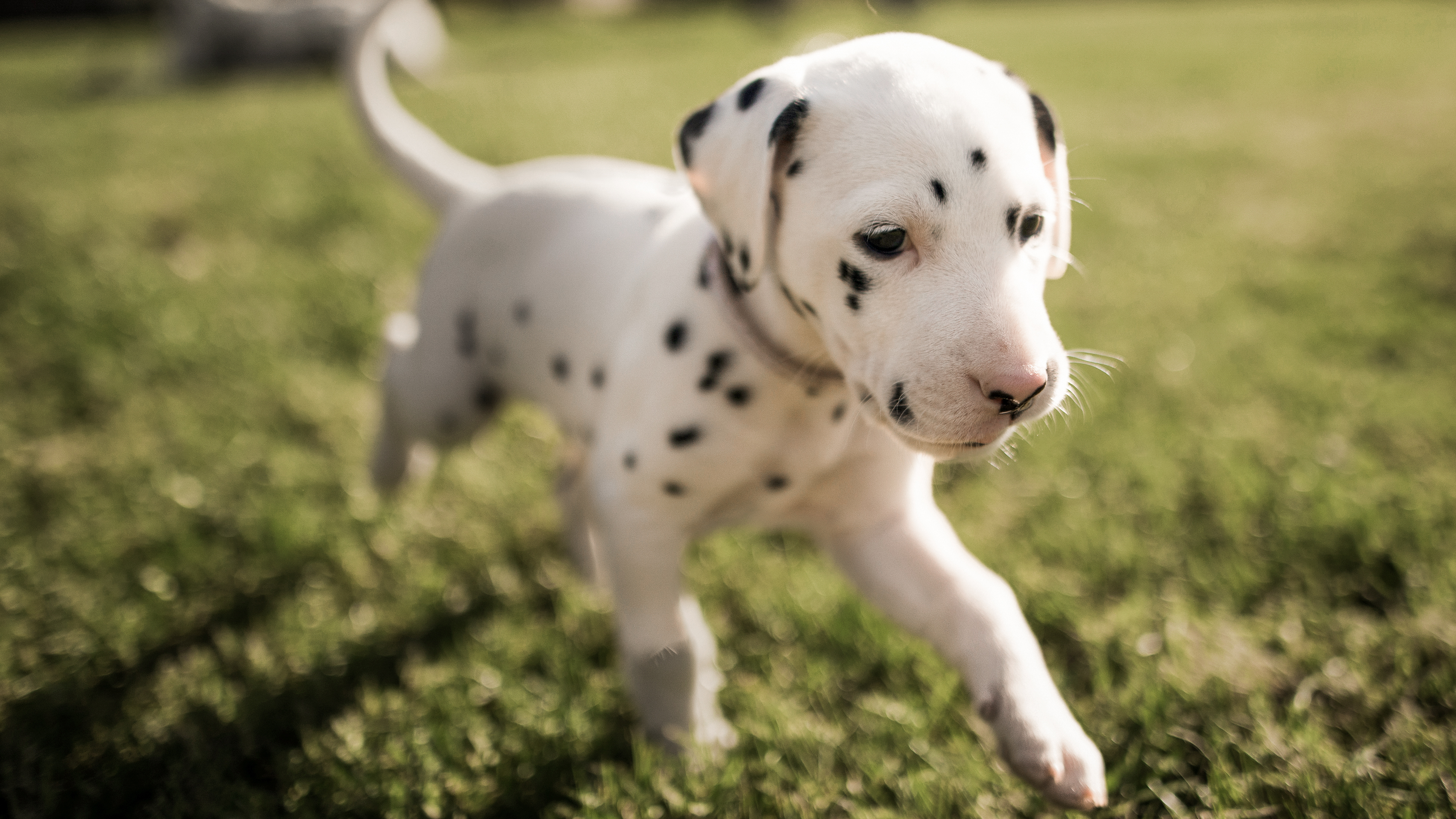
Make sure you supervise your puppy at all times as they’re getting used to your home and garden. Allow your puppy to come to you for comfort rather than the other way around, as some puppies may easily become overwhelmed by too much human contact.
Show your puppy their bed
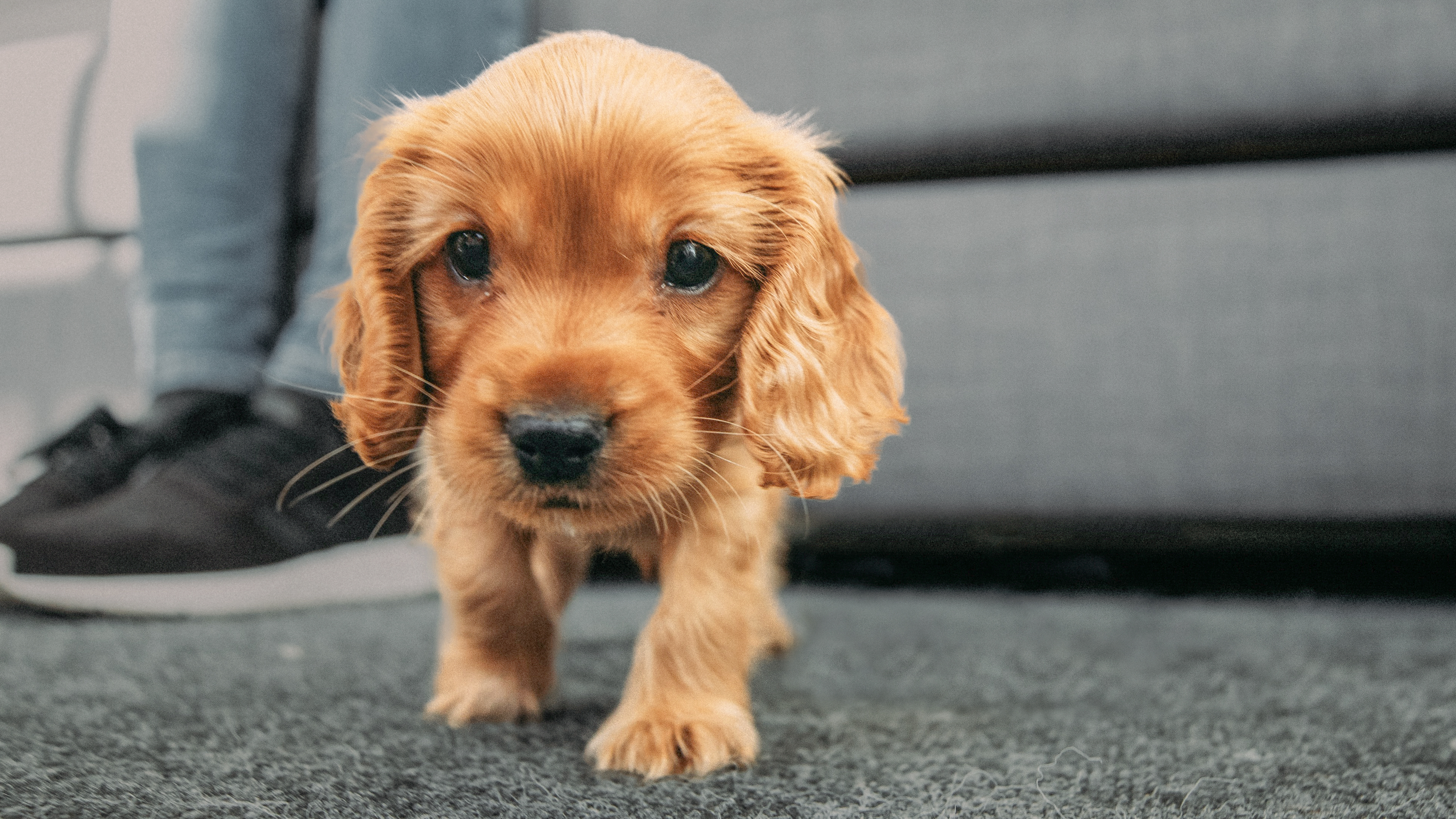
Put something that carries your scent in your puppy’s bed and a blanket to snuggle into. Placing a clock with a loud tick nearby can also help as it mimics their mother’s heartbeat.
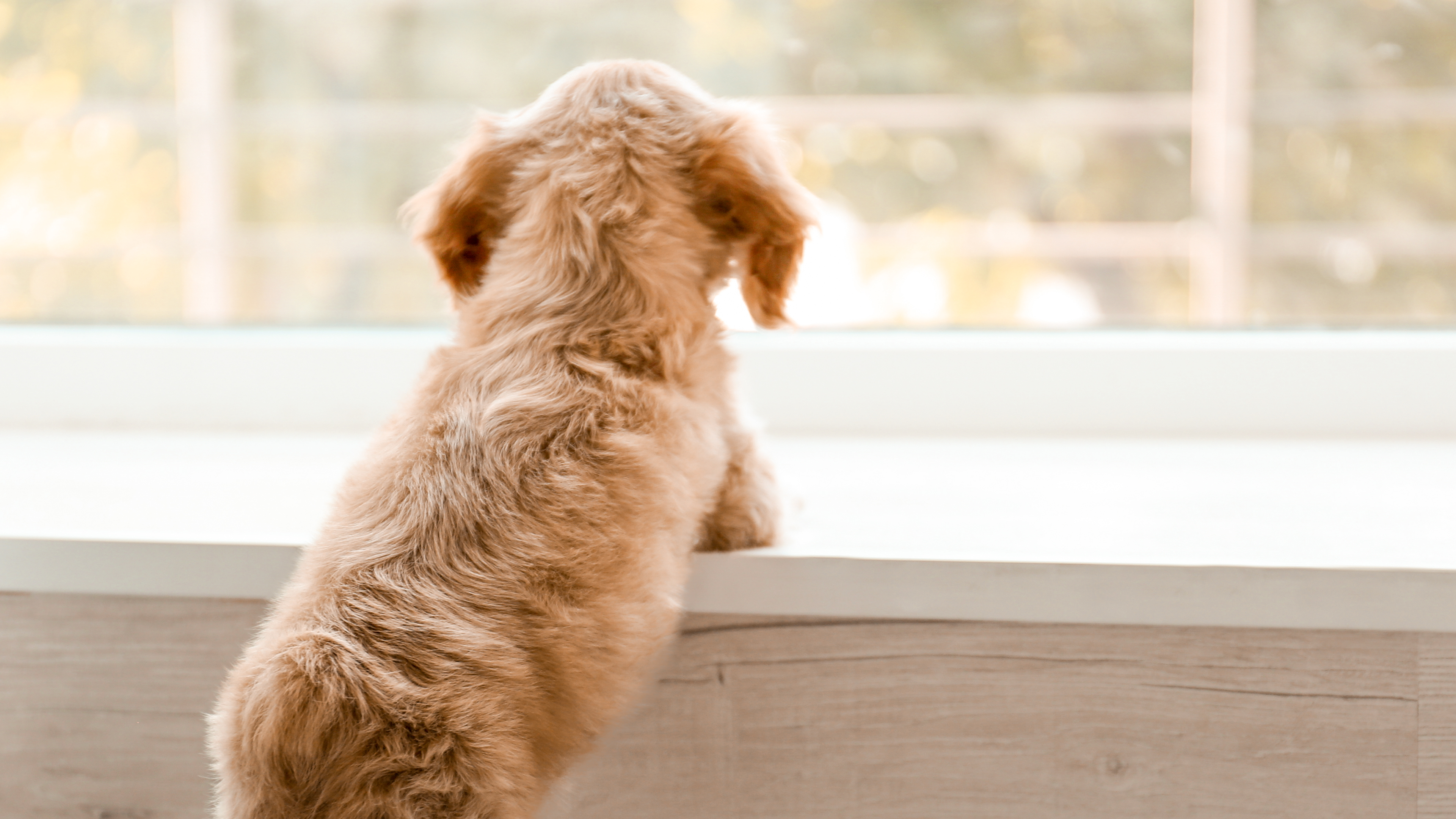
Puppies like to know what to expect. Plan what your routine will be for feeding, toilet trips, exercise and grooming, then you can get started on day one. If you know what routine the breeder was following before collection, it's best to continue with this for consistency until your puppy is settled.
Your puppy’s first night with you
As with human babies, some puppies settle easily from the first night and others will give you sleepless nights as they adjust. Be patient and consistent and follow these tips.
Use a puppy crate
A crate is better than a basket for your puppy’s bed initially as they can see and smell you but can’t wander off. At first, put it somewhere near where you sleep.
What to do if your puppy whines
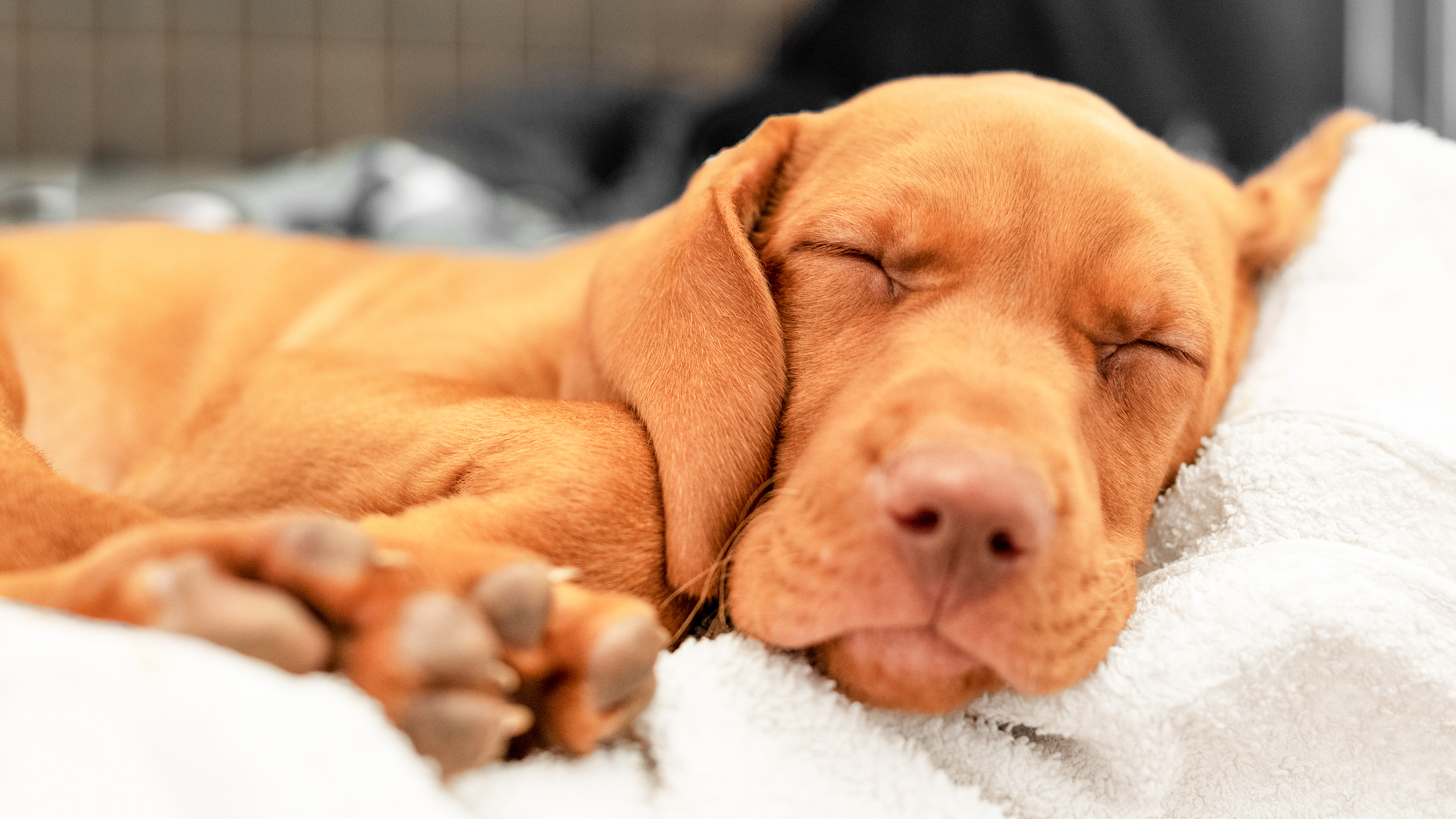
If your puppy whines and you think they may need the toilet, put on their lead and take them out to their toileting area. If you think they’re lonely or scared, speak to them in a calm, reassuring voice but don’t touch or play with them. Too much fuss when they whine may lead to attention-seeking behaviour, however ignoring your puppy could cause anxiety and frustration.
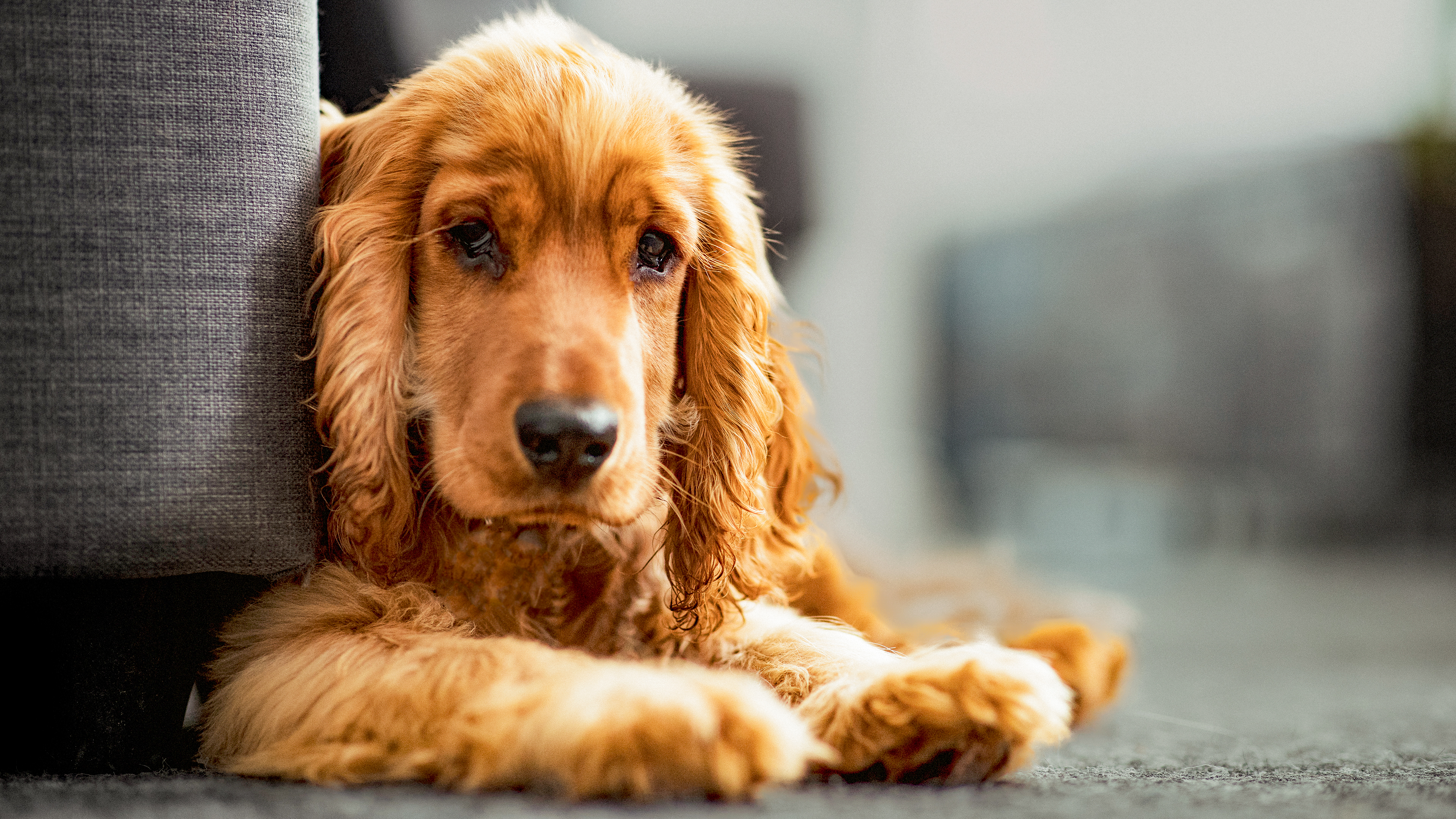
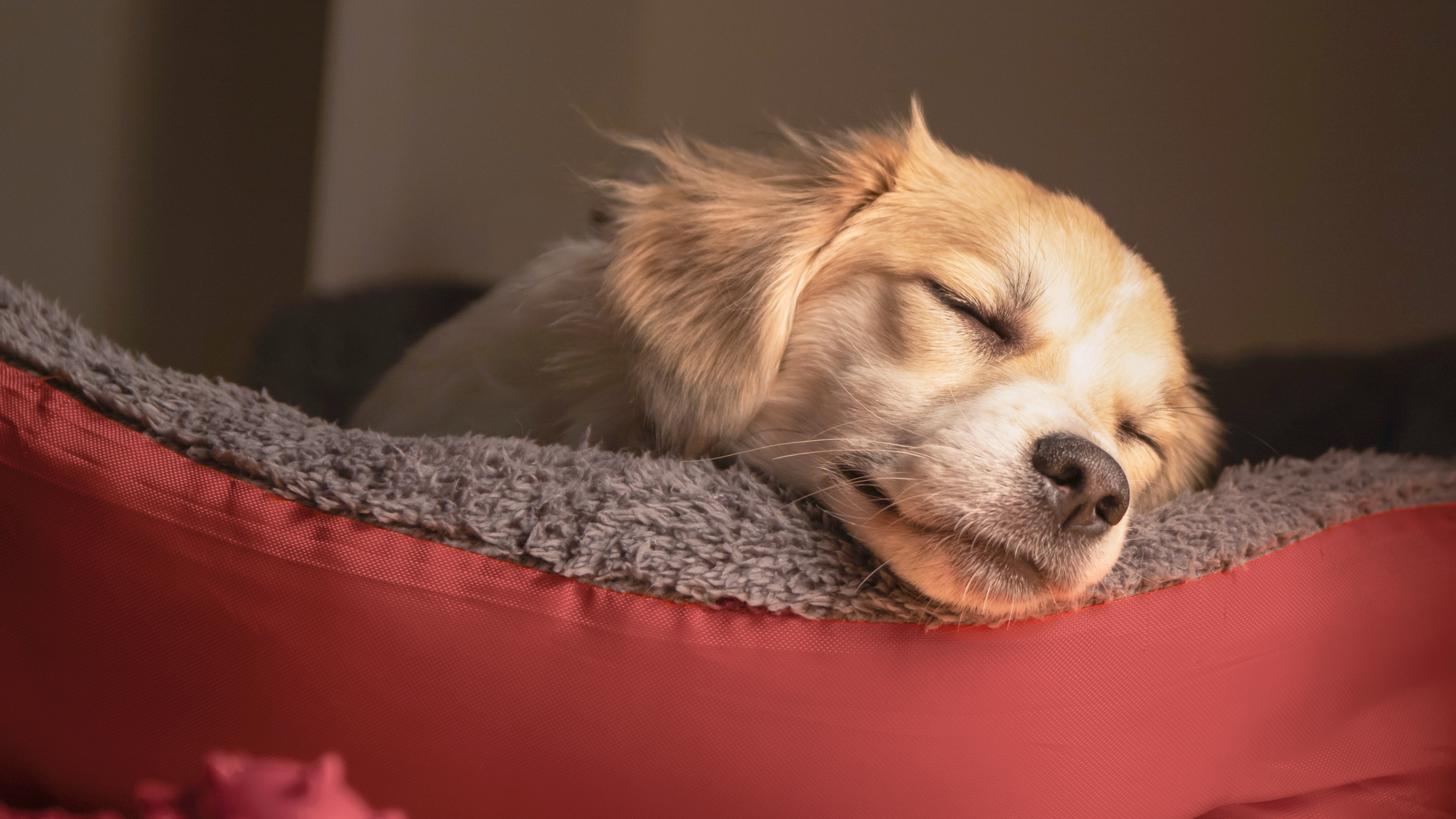
Puppies tire very easily and need lots of sleep for their healthy development and wellbeing, so it’s important to give them plenty of opportunities to rest. At first, they need as much as 18 to 20 hours’ sleep every 24 hours. This will reduce to around 12 to 14 hours as they enter adulthood.
How to feed your puppy at first
Stick to the same diet initially
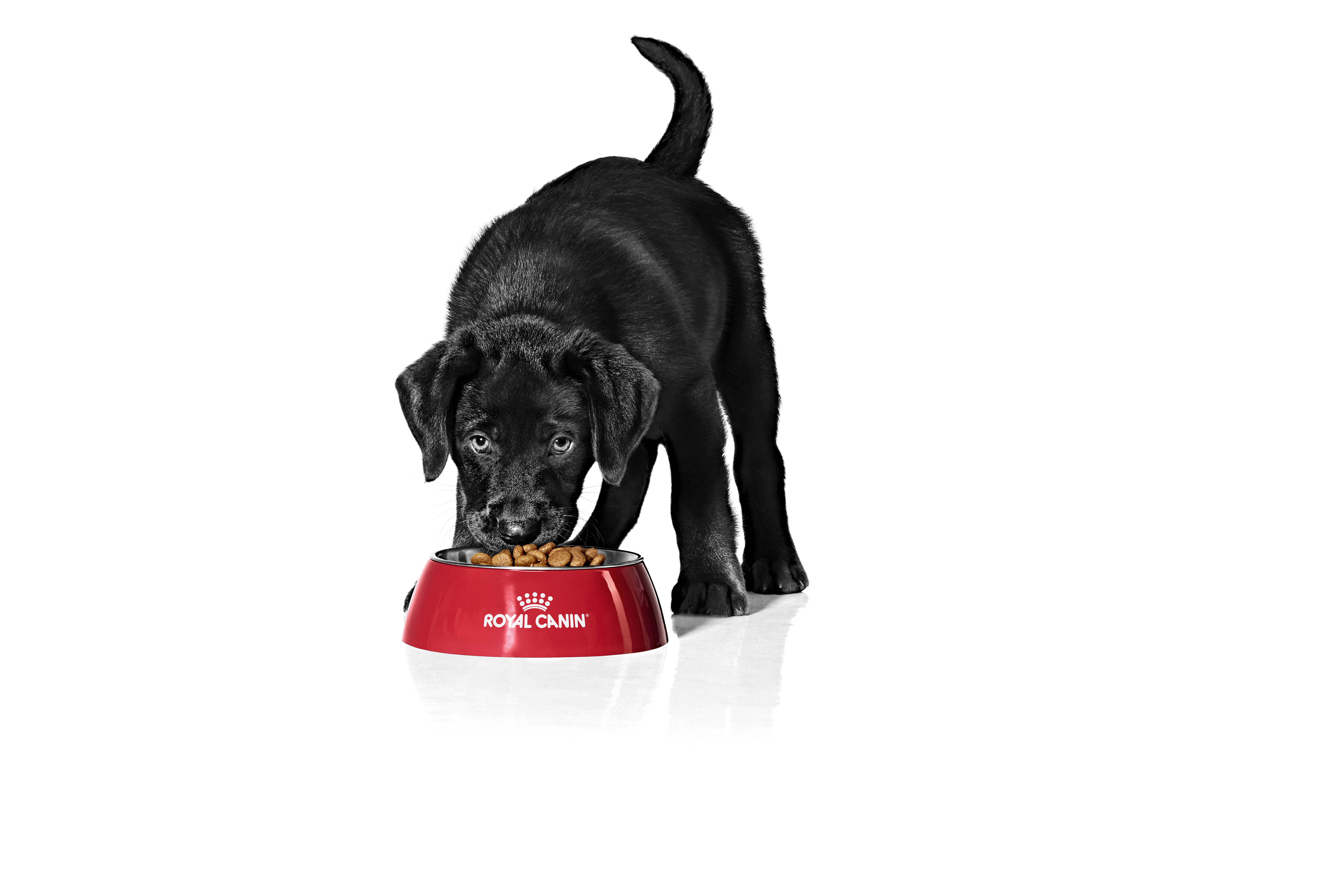
For the first week or two, give your puppy the same food as their previous owner, following the feeding recommendations on the pack. Any sudden dietary changes can stress them or cause digestive upsets.
Provide a quiet place to eat
This should be away from where you and any other pets eat. Leave your puppy in peace while they eat to prevent them feeling anxious or protective.
Begin a feeding schedule
Dogs feel reassured by knowing when they'll be fed, so begin a feeding routine from day one. During weaning, they'll need four meals a day and, until they're at least four months old, they'll need three meals a day. If you're ever unsure, ask your vet for advice.
Learn about puppy nutrition and feeding
Young dogs benefit from 3 or 4 small meals a day, instead of one or two big ones. You can use part of their main meal as food rewards for desired behaviours and during training sessions, to avoid overeating.
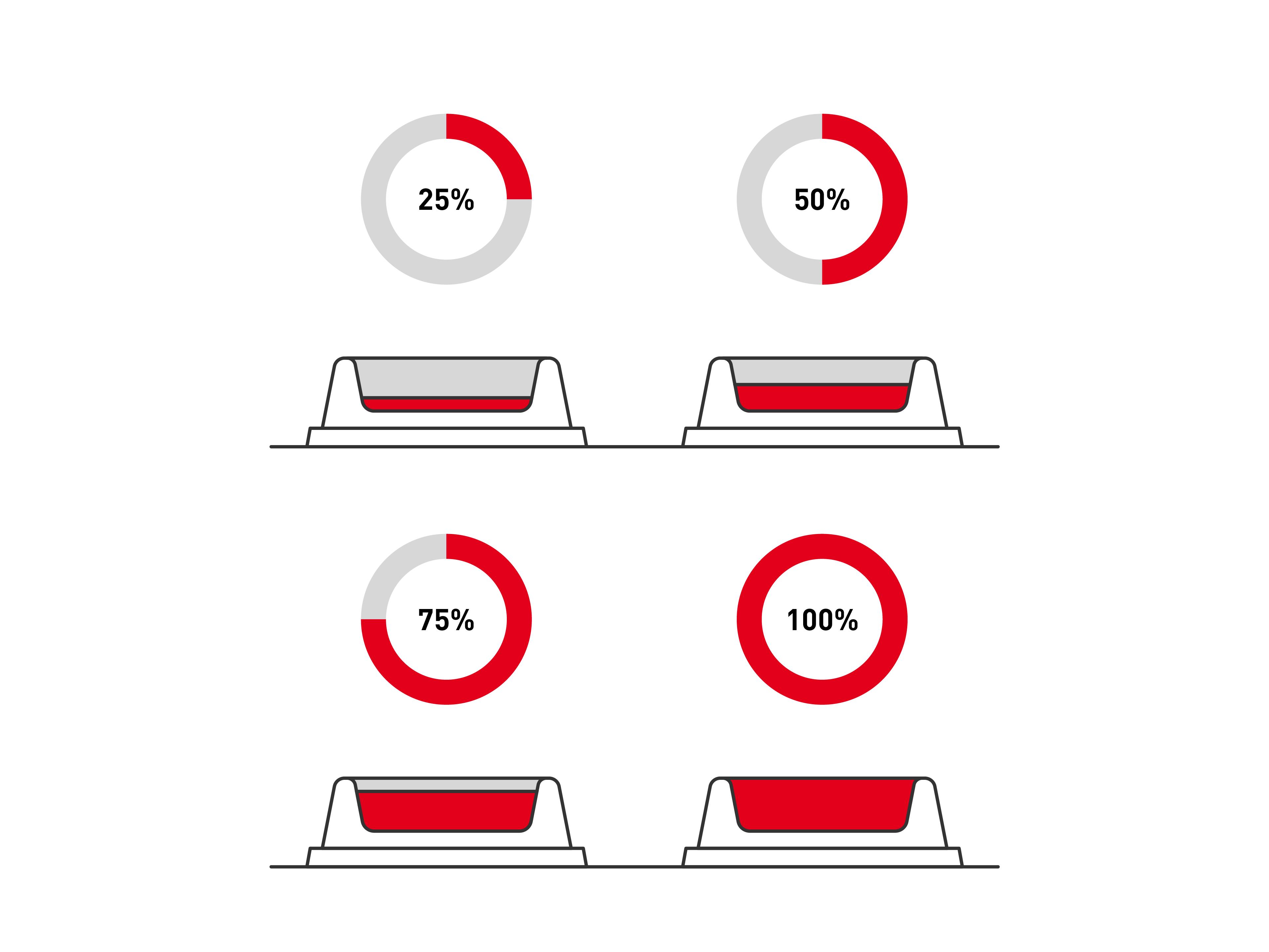
The safe way to change your puppy’s diet


Take your puppy to the vet
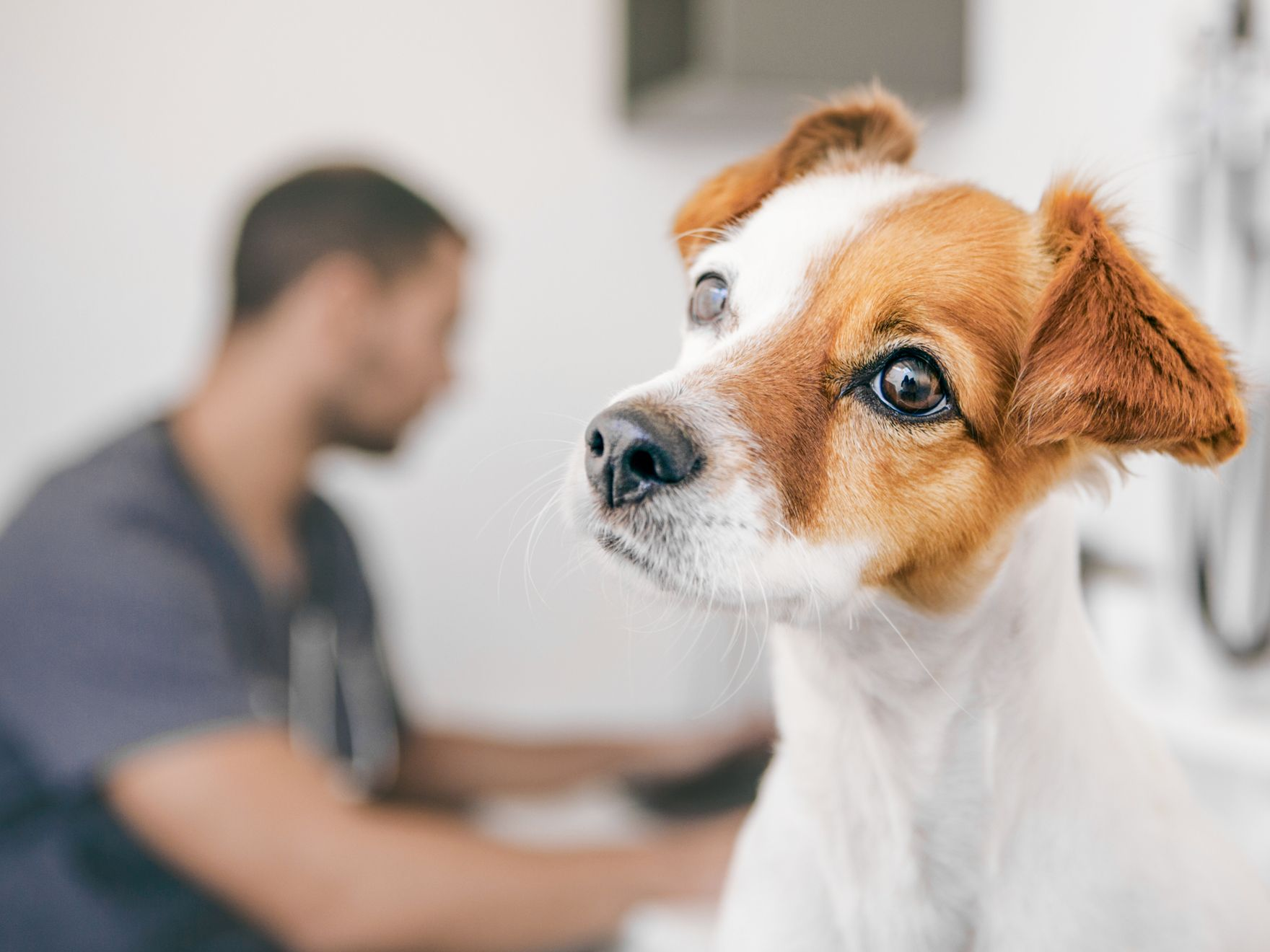
Your puppy’s first visit to the vet
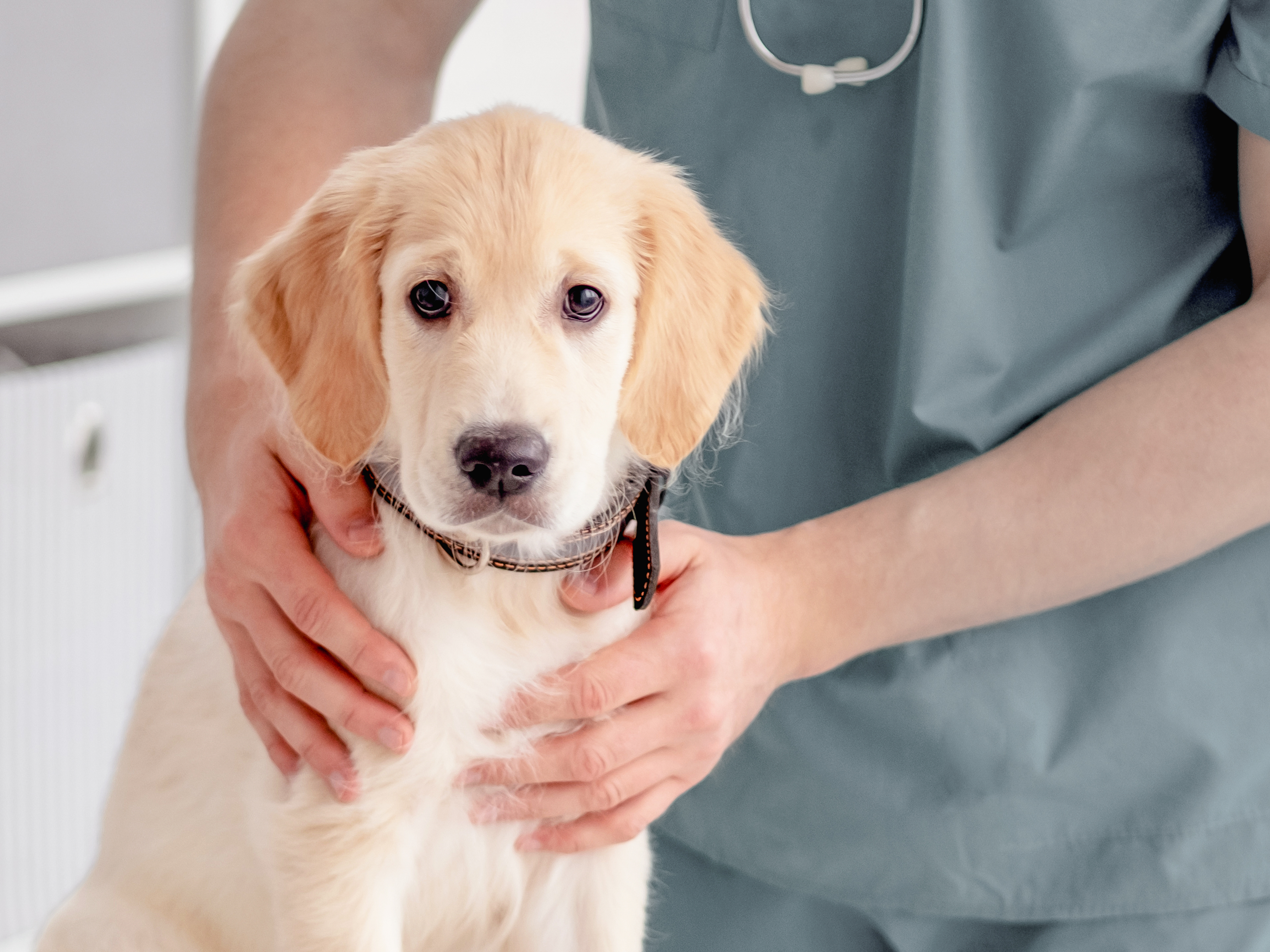
If you are unsure about their health status, taking your puppy to the vet for a check-up a few days after you bring them home is really important. If you’re well prepared, it’ll be a positive trip for your puppy. And it’s also a good opportunity for you to learn more about how to care for them.
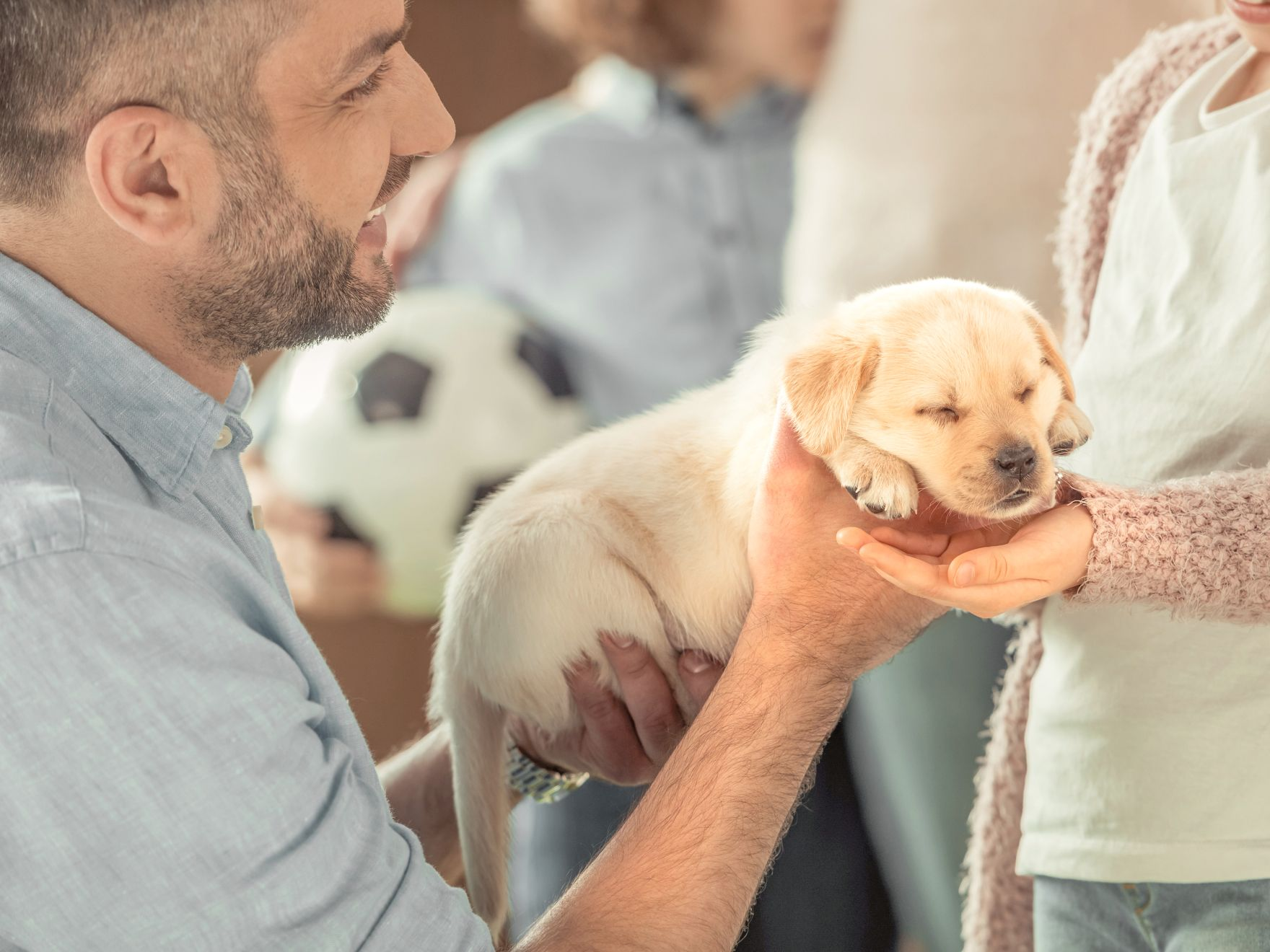
Your puppy’s daytime and night time routines
The first few days and weeks are really important in ensuring your puppy integrates well into your family and grows into a healthy, well-behaved dog. If possible, it’s best to take the first week off work. Then you can focus on establishing routines that will help them feel secure and understand what’s expected of them.
Toilet trips
Young puppies have no bladder control and need to go to the toilet immediately after eating, drinking, sleeping or playing. Take your puppy to the same toilet spot outside first thing in the morning, after each meal and nap and before bedtime, and use the same simple command such as ‘toilet’ or ‘fast’. Also watch for signs your puppy needs the toilet such as them spinning around or sniffing the floor.
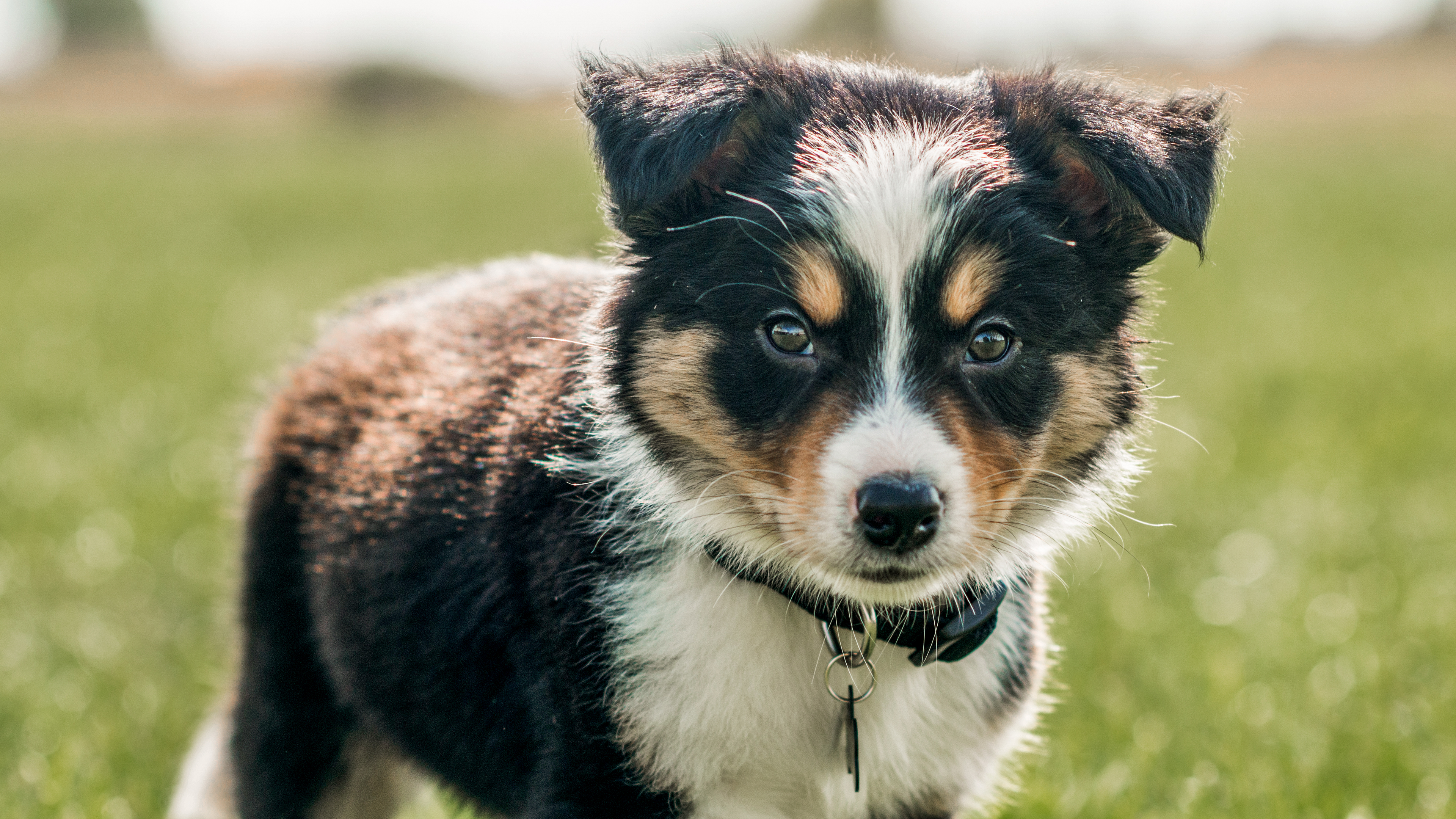
Feeding
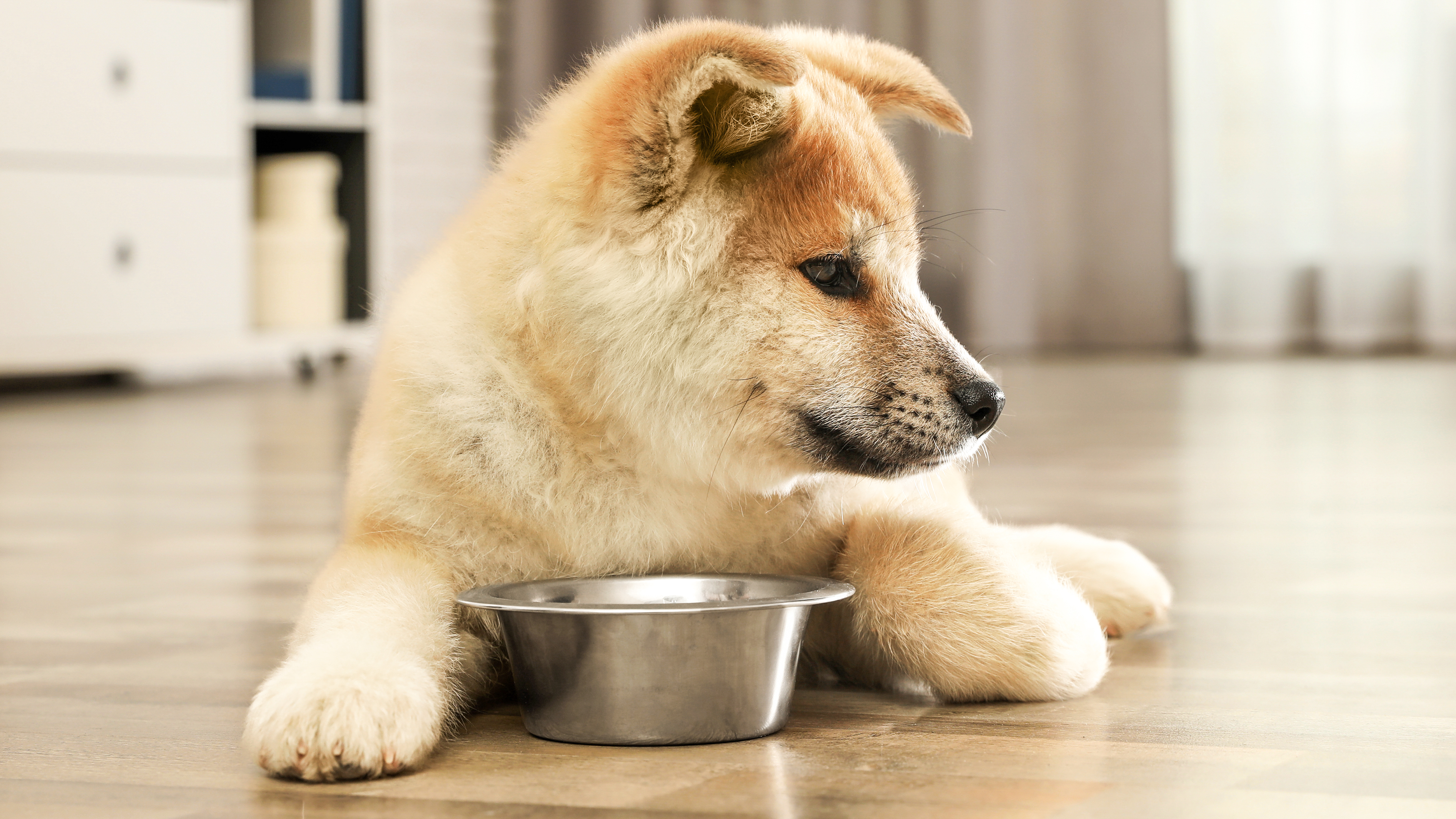
Make sure you feed your puppy at the same times in the same place each day, so they know when to expect it. By the time you take your puppy home, they should be weaned and most will be having three meals a day.
Exercise
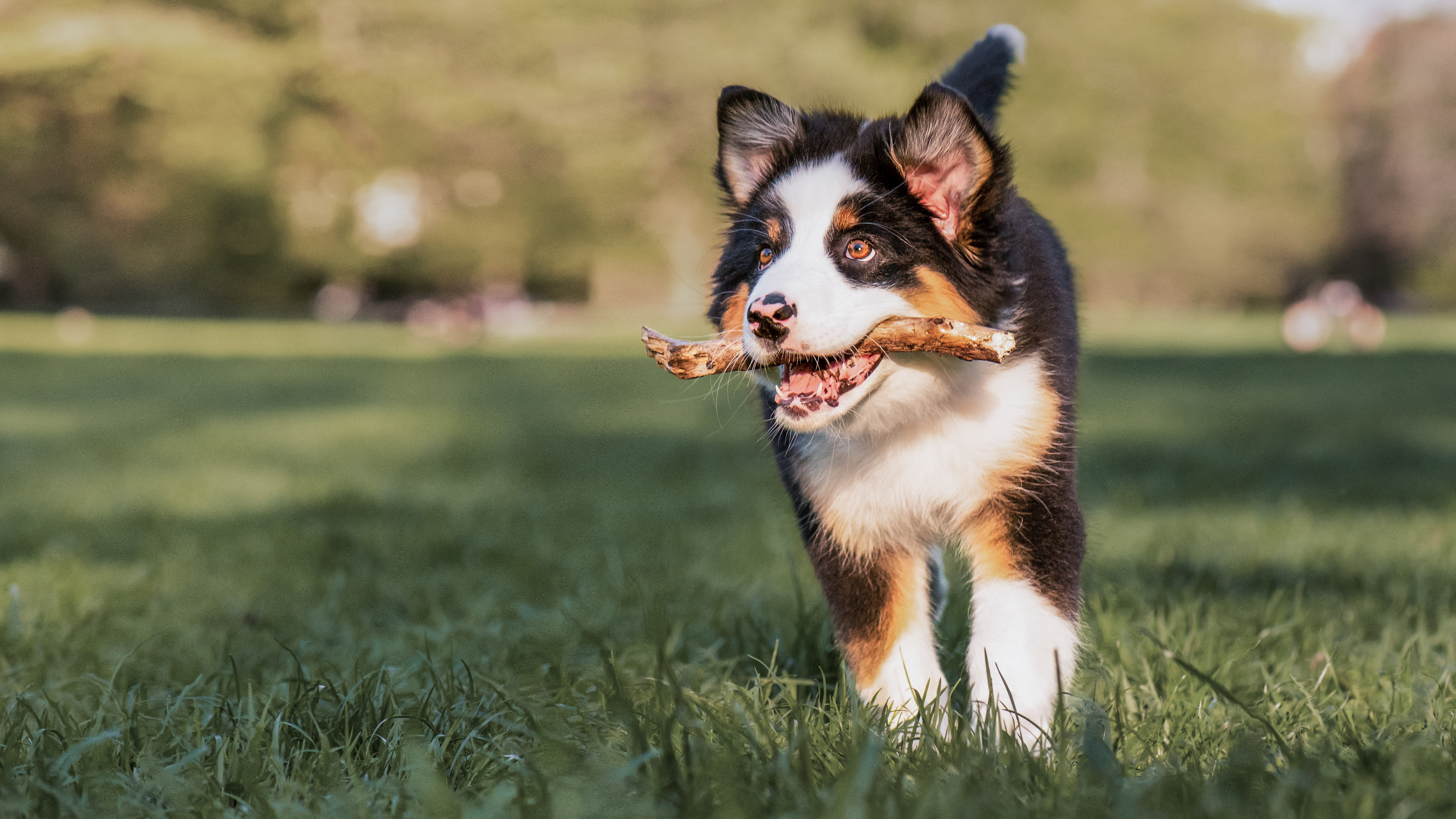
Physical exercise is a vital part of your puppy’s daily routine to help them stay in good health. Once they’ve been vaccinated, they can go on walks. Take them twice a day but limit each walk to 15 minutes initially.
Behaviour
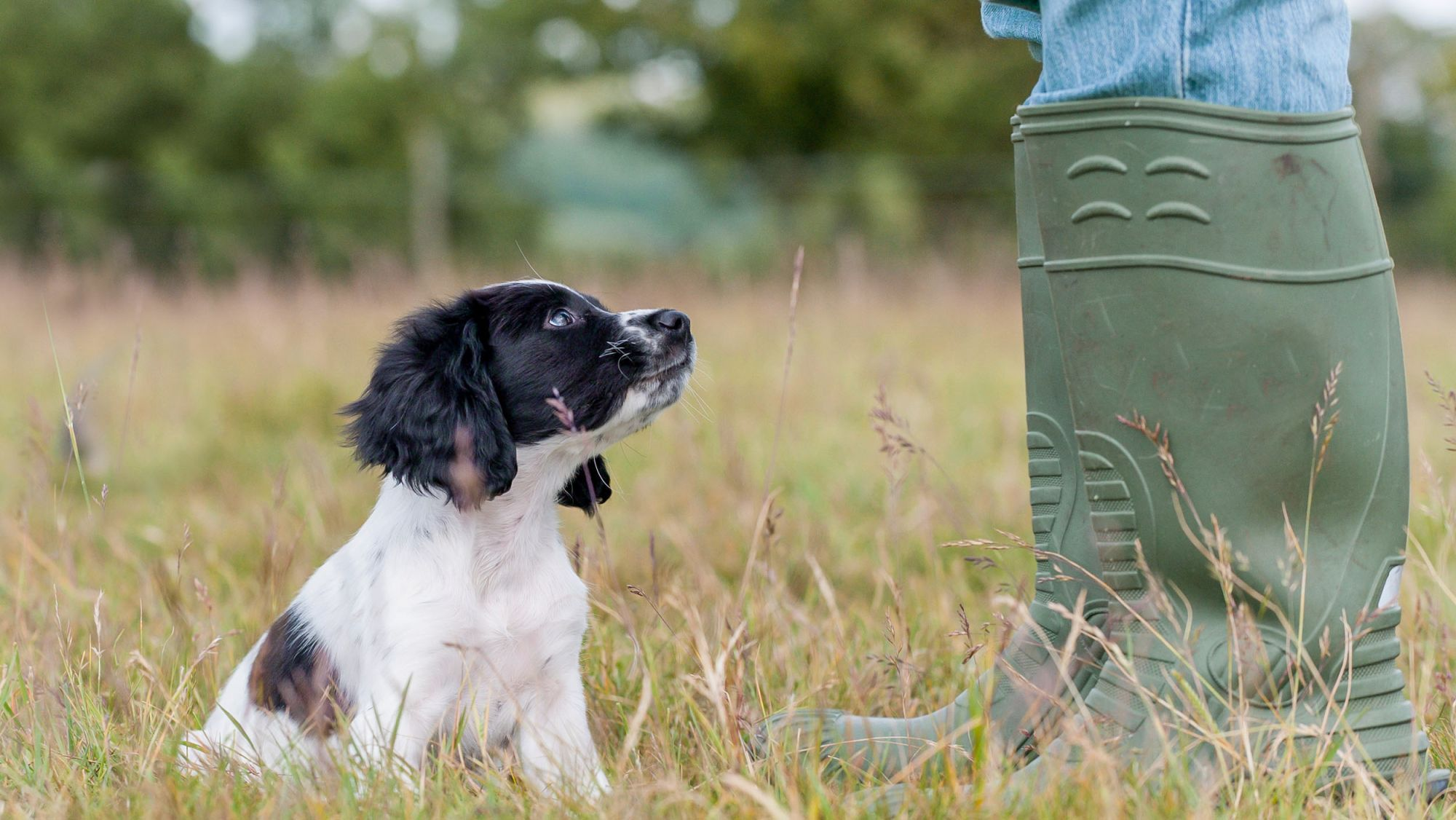
Although you must be gentle with your puppy, it’s important you’re consistent from the outset so they understand house rules such as no climbing on the sofa.
Training classes
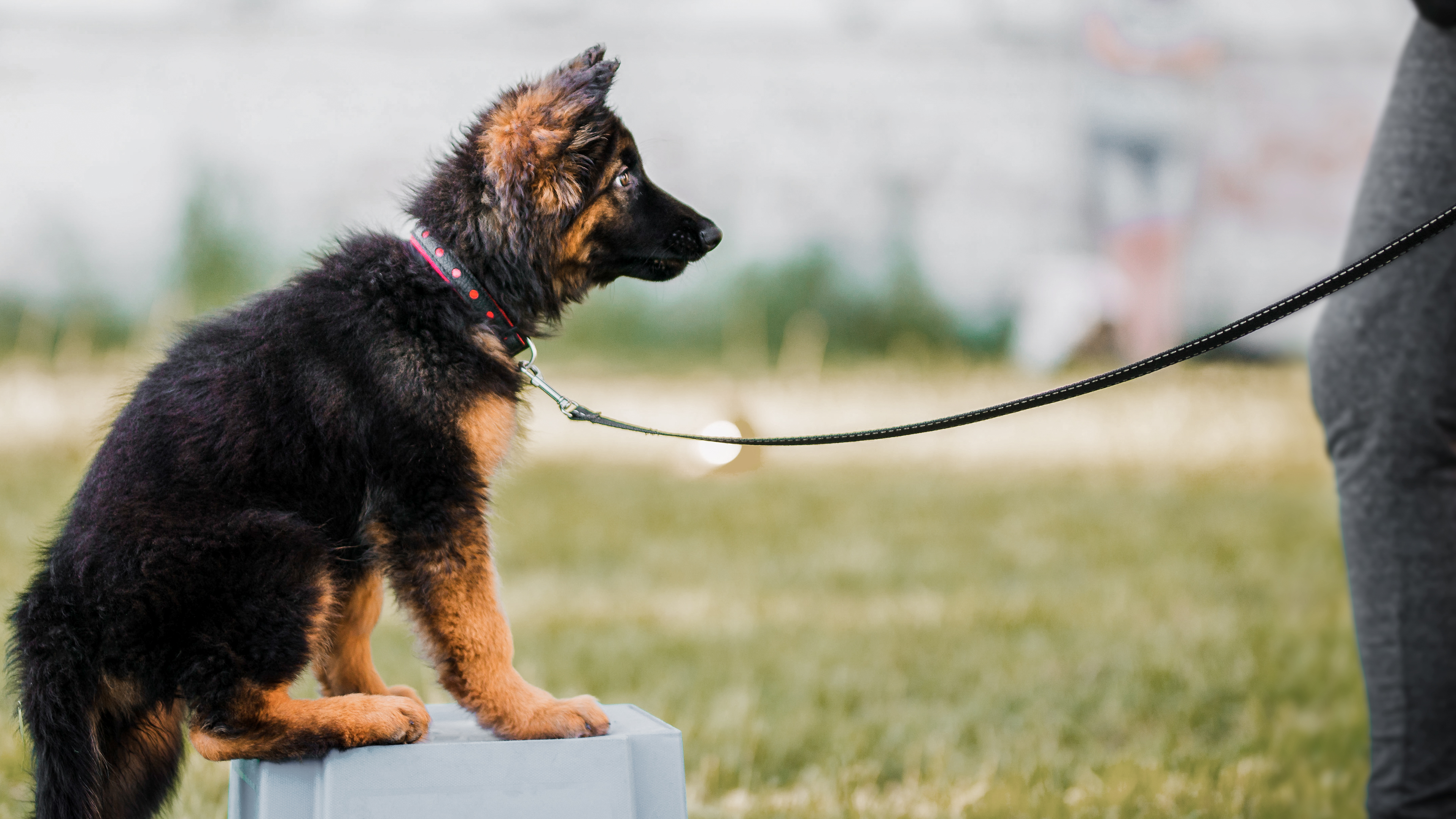
Once your puppy’s had their vaccinations, regular classes are a great way to help socialise them and establish good behaviour. Remember to practice what you learn at classes each day too.
Exercise
Plenty of exercise before bedtime will help your puppy to sleep, so it’s a good idea if their second walk of the day is later at night.
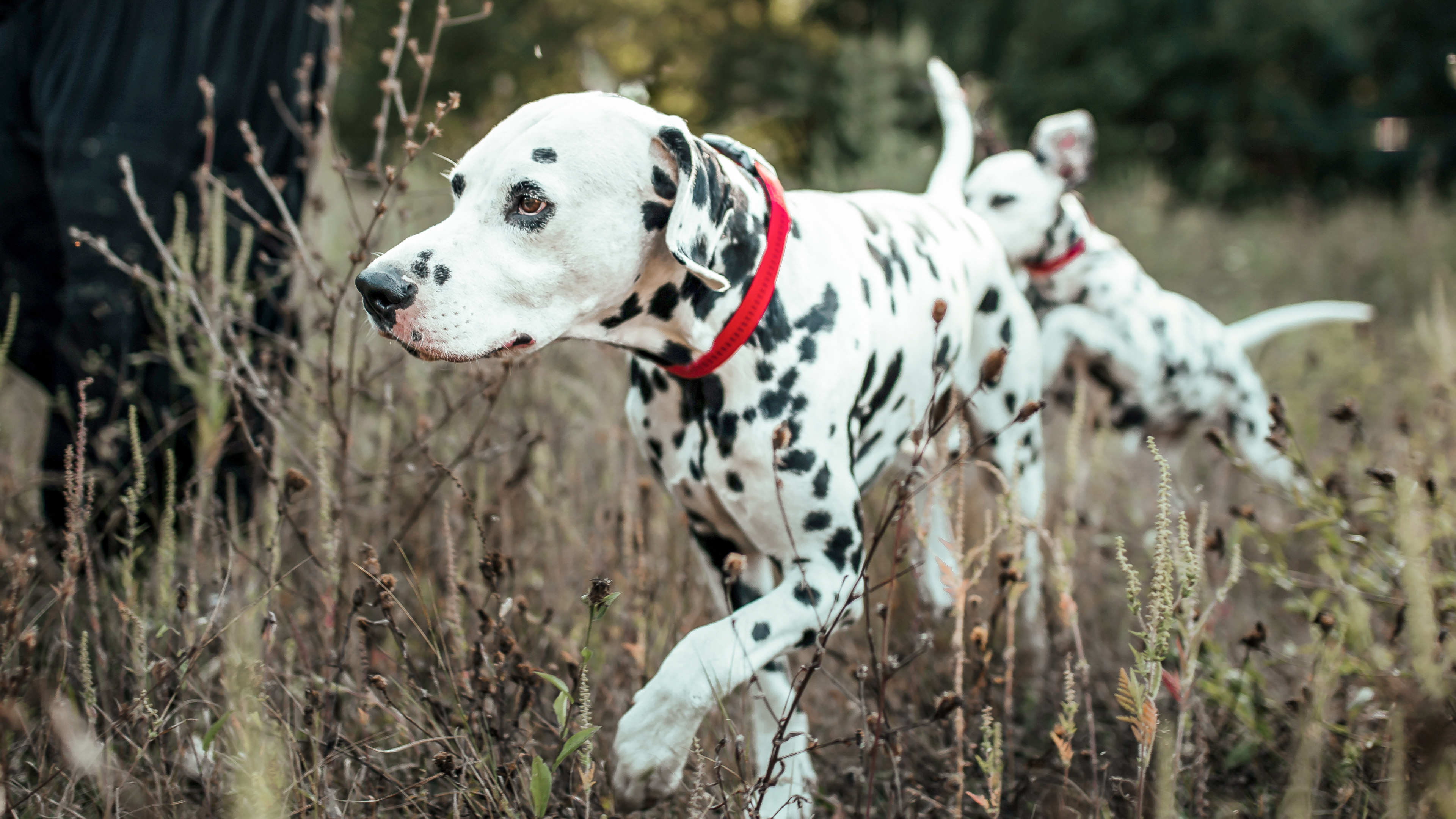
Toilet trips
If you take your puppy for a walk just before bedtime, they’ll have chance to go to the toilet then. If you don’t, you’ll need to take your puppy outside to their regular toilet spot at bedtime. Young puppies will also need to be taken out to the toilet around every three hours during the night.
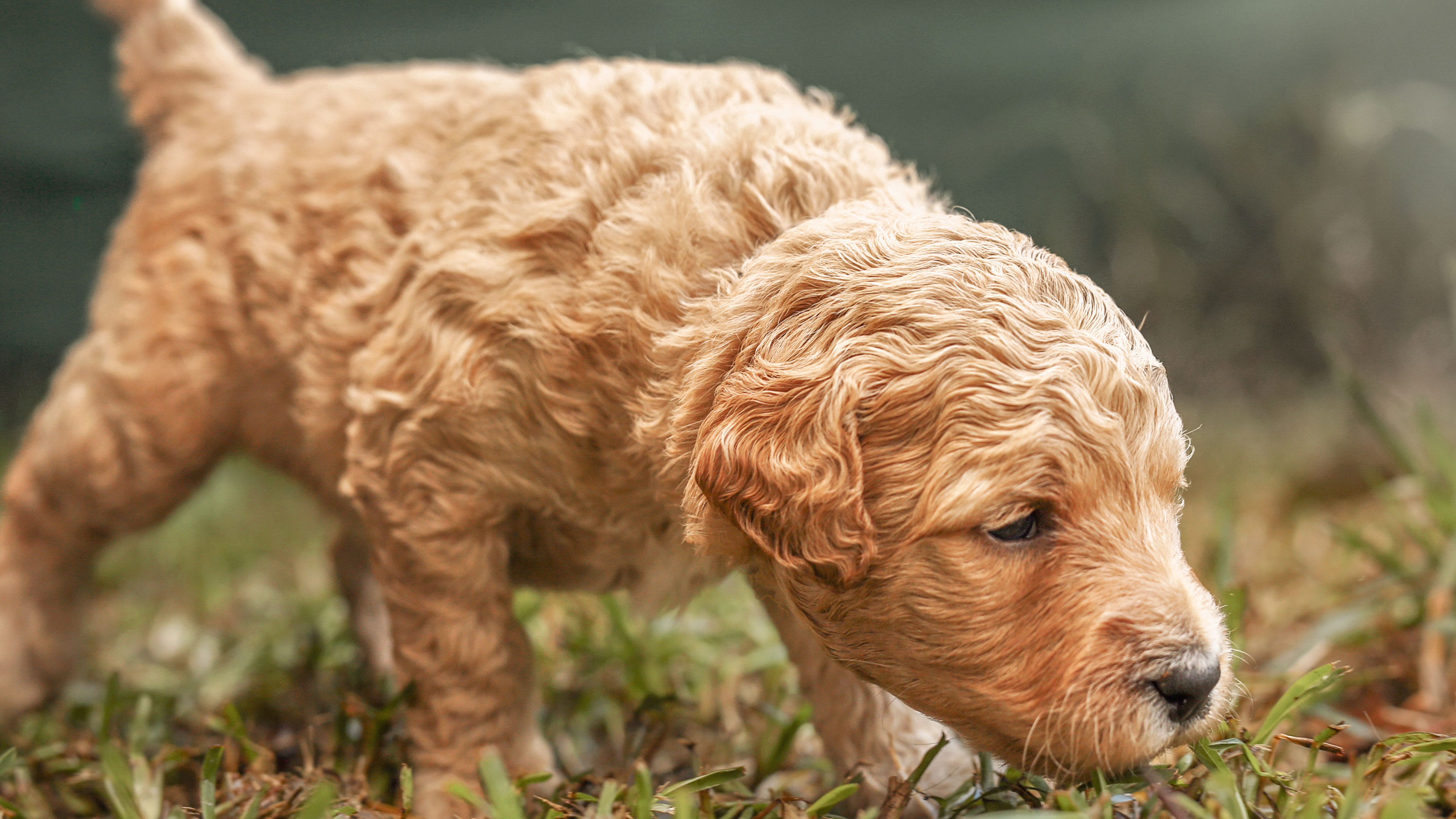
Interaction
At first, it’s best for your puppy to sleep in a crate near where you sleep. But keep interaction to a minimum once you’ve put them to bed. Soothe them with a reassuring voice if they whine, but don’t cuddle them, and stay calm and quiet if you take them to the toilet.
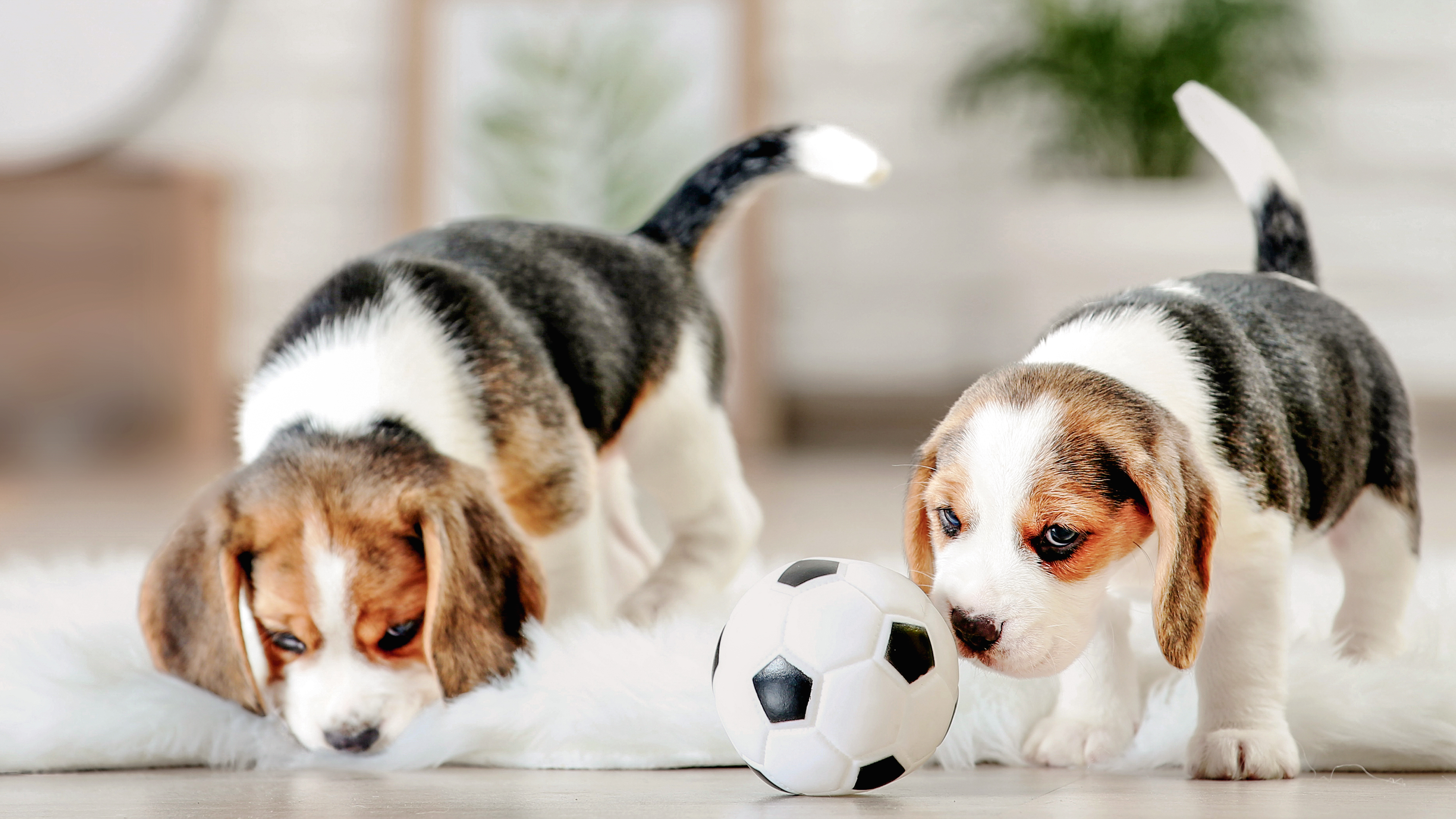
Your puppy’s first walk
Once your puppy’s completed their vaccination schedule, and your vet’s confirmed they can mix with other dogs, they’ll need to be walked twice a day. Their first walk is an important event for them, and one you’ll want them to enjoy so they feel confident about future walks.
Follow the steps below to help get your puppy’s walks off to a great start.
Choose the right collar and lead
Ask your vet for advice on the best type of collar and lead for your puppy. A retractable lead is useful at first so the collar doesn’t constantly pull on your puppy’s neck. Make sure the collar fits well and can’t slip over their head.
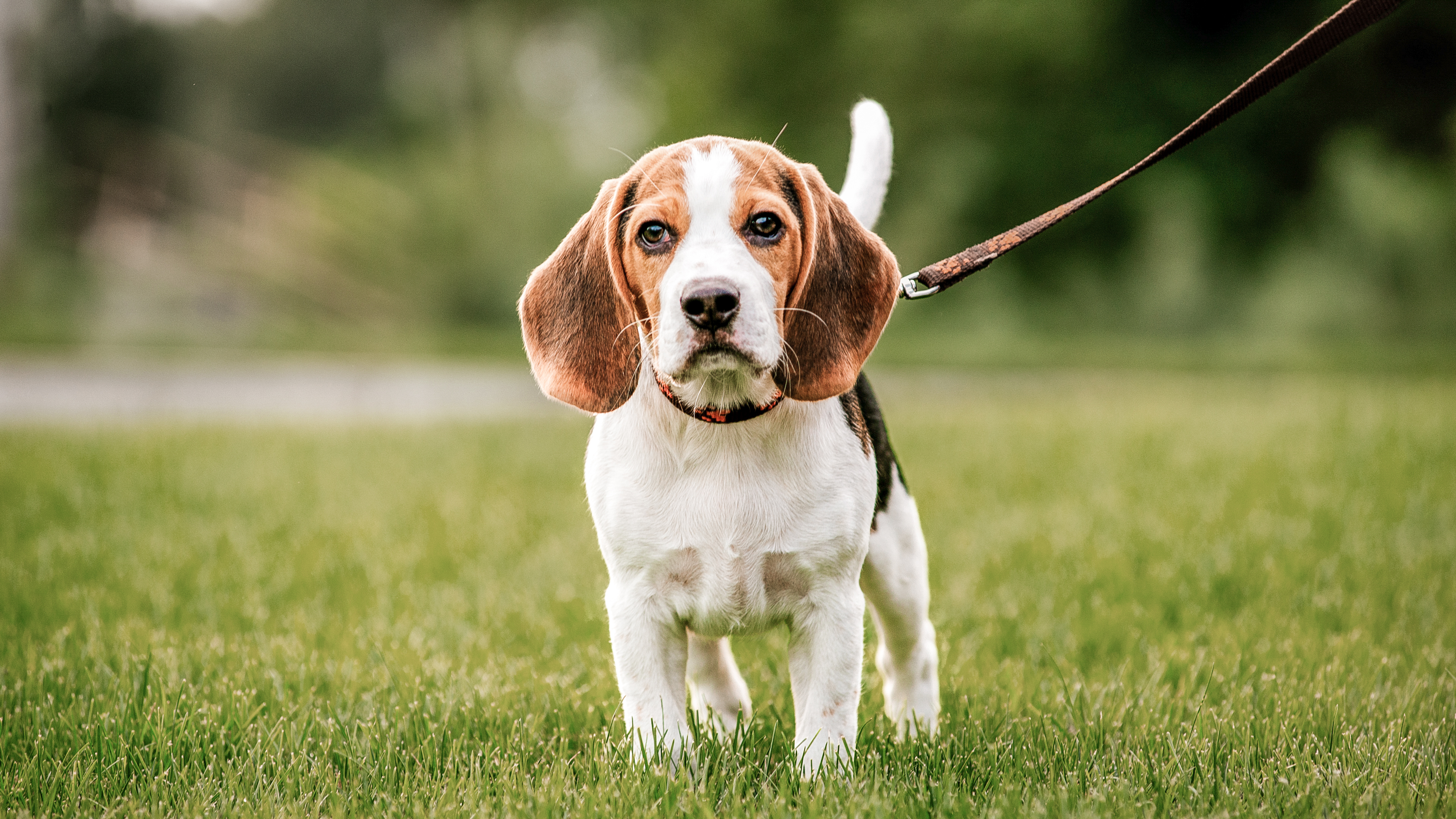
Practice at home
Let your puppy get used to the collar and lead where they’re comfortable. Gradually shorten the lead and encourage your puppy to follow you. Rather than pulling on the lead, bend down each time you change direction and encourage them to join you.
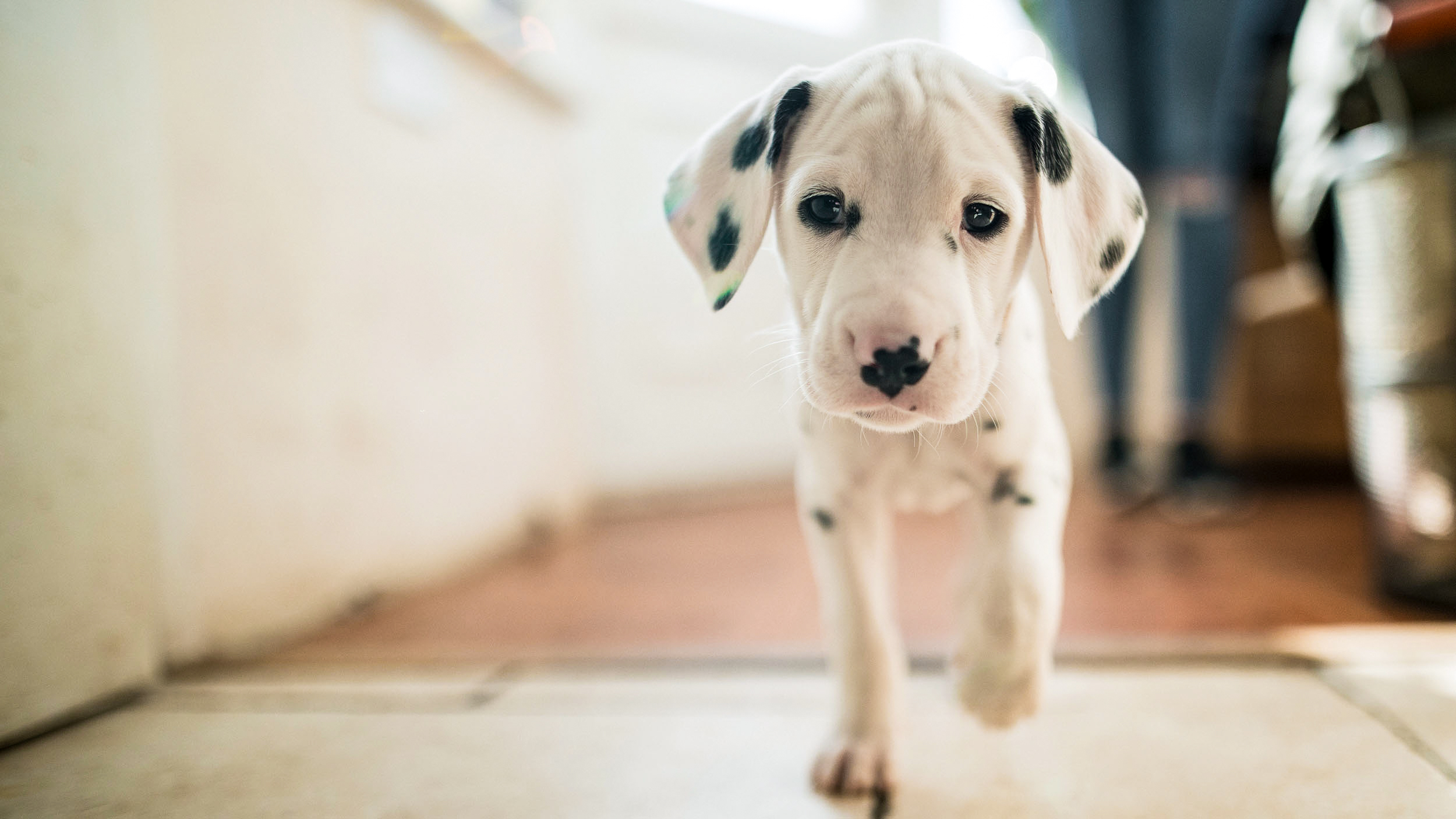
Choose a calm, quiet area
For your puppy’s first walk outdoors, choose a quiet area where they’re not likely to be scared by loud noises or busy footpaths.
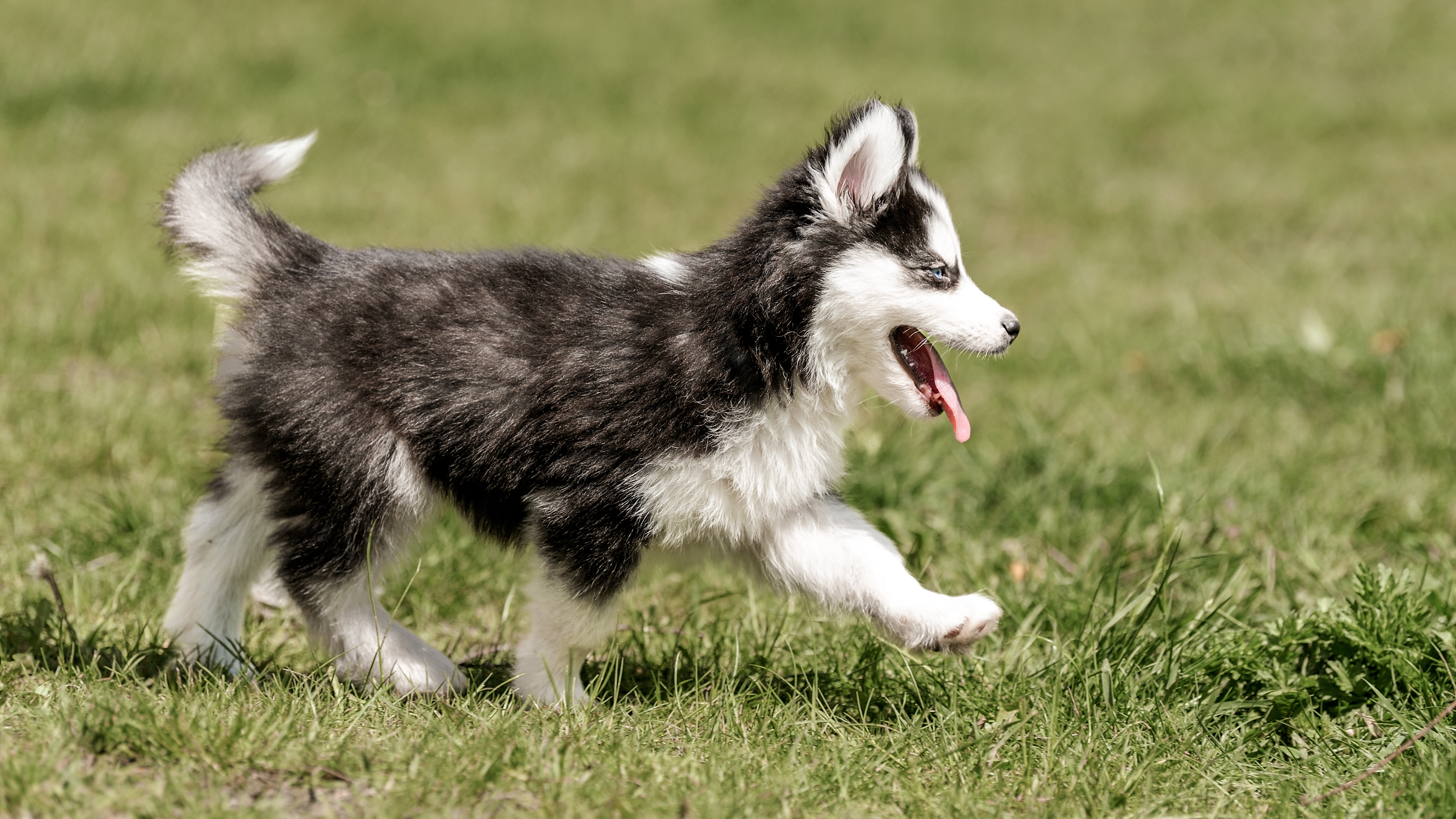
Keep it short
Limit your puppy’s first walk to around five to ten minutes so they don’t become overtired or overwhelmed. You can build it up to 15 to 20 minutes over the coming days and weeks.
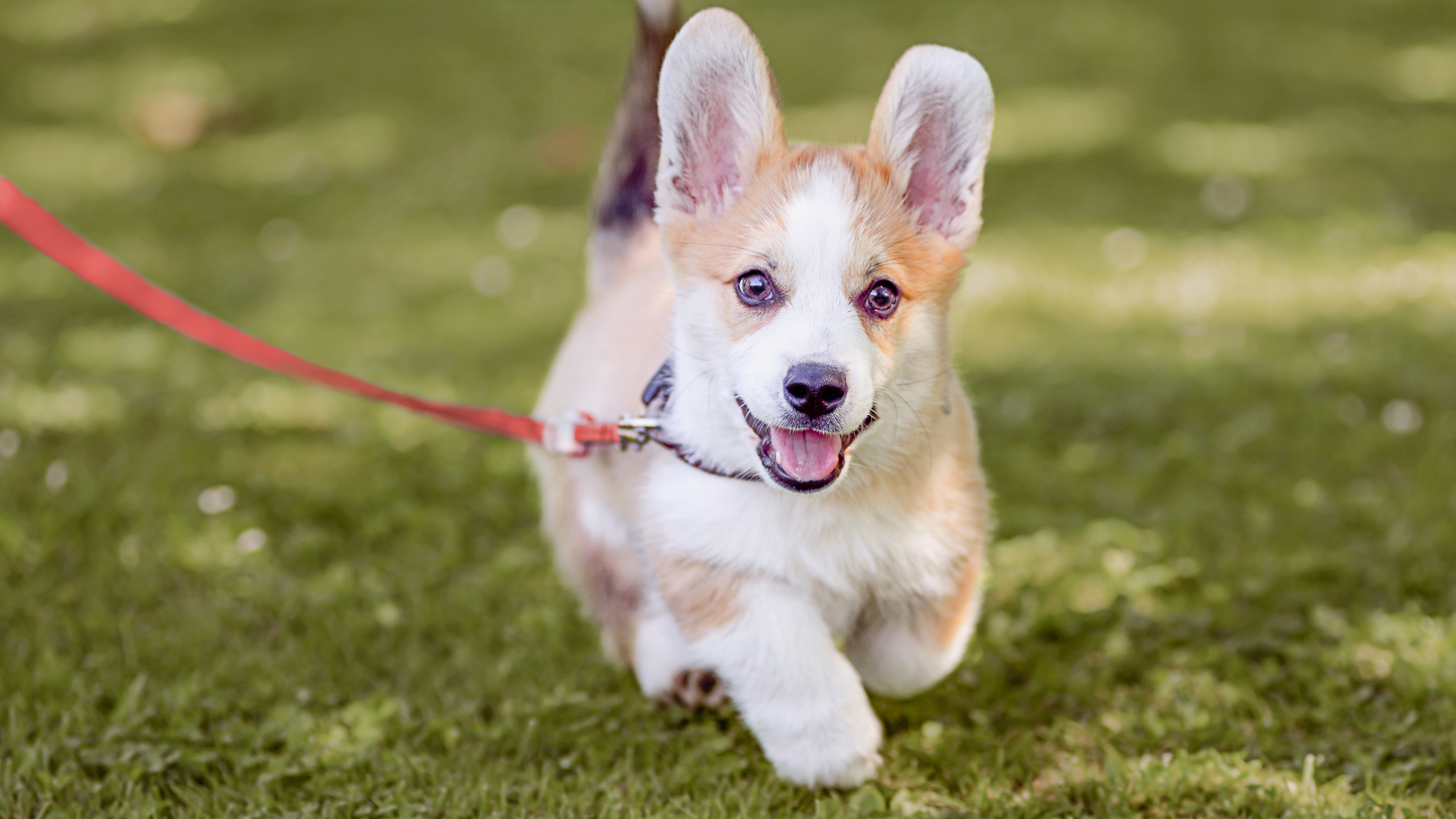
Puppies tire very easily and need lots of sleep for their healthy development and wellbeing, so it’s important to give them plenty of opportunities to rest. At first, they need as much as 18 to 20 hours’ sleep every 24 hours. This will reduce to around 12 to 14 hours as they enter adulthood.

The first few days and weeks with your new puppy
Your puppy’s first day with you
Keep your house calm
Your puppy may be feeling stressed by the new sights, sounds and smells, and the separation from their mother. So keep your house very calm to avoid adding to this stress.
Take them outside
As soon as you get home, take your puppy to your garden or outside area so they can go to the toilet. If they manage to go, reward them with a positive tone in your voice.
Let your puppy explore
After your puppy’s been outside, take them inside to a safe area that you’ve blocked off and let them begin sniffing and exploring in their own time.
Supervise at all times
Make sure you supervise your puppy at all times as they’re getting used to your home and garden. Allow your puppy to come to you for comfort rather than the other way around, as some puppies may easily become overwhelmed by too much human contact.
Show your puppy their bed
Put something that carries your scent in your puppy’s bed and a blanket to snuggle into. Placing a clock with a loud tick nearby can also help as it mimics their mother’s heartbeat.
Between four and 16 weeks old, a puppy's brain is developing and they're more willing to accept new experiences. This makes it the ideal time to begin introducing them to new experiences and start basic training. Puppies that aren't introduced to different sights, sounds, smells, textures, people and pets can struggle with a range of behavioural and emotional problems as they grow.
Your puppy’s first night with you
As with human babies, some puppies settle easily from the first night and others will give you sleepless nights as they adjust. Be patient and consistent and follow these tips.
Use a puppy crate
A crate is better than a basket for your puppy’s bed initially as they can see and smell you but can’t wander off. At first, put it somewhere near where you sleep.
What to do if your puppy whines
If your puppy whines and you think they may need the toilet, put on their lead and take them out to their toileting area. If you think they’re lonely or scared, speak to them in a calm, reassuring voice but don’t touch or play with them. Too much fuss when they whine may lead to attention-seeking behaviour, however ignoring your puppy could cause anxiety and frustration.
Puppies like to know what to expect. Plan what your routine will be for feeding, toilet trips, exercise and grooming, then you can get started on day one. If you know what routine the breeder was following before collection, it's best to continue with this for consistency until your puppy is settled.
How to feed your puppy at first
Stick to the same diet initially
For the first week or two, give your puppy the same food as their previous owner, following the feeding recommendations on the pack. Any sudden dietary changes can stress them or cause digestive upsets.
Provide a quiet place to eat
This should be away from where you and any other pets eat. Leave your puppy in peace while they eat to prevent them feeling anxious or protective.
Begin a feeding schedule
Dogs feel reassured by knowing when they'll be fed, so begin a feeding routine from day one. During weaning, they'll need four meals a day and, until they're at least four months old, they'll need three meals a day. If you're ever unsure, ask your vet for advice.
Learn about puppy nutrition and feeding
Young dogs benefit from 3 or 4 small meals a day, instead of one or two big ones. You can use part of their main meal as food rewards for desired behaviours and during training sessions, to avoid overeating.
The safe way to change your puppy’s diet
Take your puppy to the vet
Socialising your puppy
Here are a few ways you can begin socialising your puppy in their first week with you.
Your puppy’s first visit to the vet
If you are unsure about their health status, taking your puppy to the vet for a check-up a few days after you bring them home is really important. If you’re well prepared, it’ll be a positive trip for your puppy. And it’s also a good opportunity for you to learn more about how to care for them.
Your puppy’s daytime and night time routines
The first few days and weeks are really important in ensuring your puppy integrates well into your family and grows into a healthy, well-behaved dog. If possible, it’s best to take the first week off work. Then you can focus on establishing routines that will help them feel secure and understand what’s expected of them.
Toilet trips
Young puppies have no bladder control and need to go to the toilet immediately after eating, drinking, sleeping or playing. Take your puppy to the same toilet spot outside first thing in the morning, after each meal and nap and before bedtime, and use the same simple command such as ‘toilet’ or ‘fast’. Also watch for signs your puppy needs the toilet such as them spinning around or sniffing the floor.
Feeding
Make sure you feed your puppy at the same times in the same place each day, so they know when to expect it. By the time you take your puppy home, they should be weaned and most will be having three meals a day.
Exercise
Physical exercise is a vital part of your puppy’s daily routine to help them stay in good health. Once they’ve been vaccinated, they can go on walks. Take them twice a day but limit each walk to 15 minutes initially.
Behaviour
Although you must be gentle with your puppy, it’s important you’re consistent from the outset so they understand house rules such as no climbing on the sofa.
Training classes
Once your puppy’s had their vaccinations, regular classes are a great way to help socialise them and establish good behaviour. Remember to practice what you learn at classes each day too.
Exercise
Plenty of exercise before bedtime will help your puppy to sleep, so it’s a good idea if their second walk of the day is later at night.
Toilet trips
If you take your puppy for a walk just before bedtime, they’ll have chance to go to the toilet then. If you don’t, you’ll need to take your puppy outside to their regular toilet spot at bedtime. Young puppies will also need to be taken out to the toilet around every three hours during the night.
Interaction
At first, it’s best for your puppy to sleep in a crate near where you sleep. But keep interaction to a minimum once you’ve put them to bed. Soothe them with a reassuring voice if they whine, but don’t cuddle them, and stay calm and quiet if you take them to the toilet.
Your puppy’s first walk
Once your puppy’s completed their vaccination schedule, and your vet’s confirmed they can mix with other dogs, they’ll need to be walked twice a day. Their first walk is an important event for them, and one you’ll want them to enjoy so they feel confident about future walks.
Follow the steps below to help get your puppy’s walks off to a great start.
Choose the right collar and lead
Ask your vet for advice on the best type of collar and lead for your puppy. A retractable lead is useful at first so the collar doesn’t constantly pull on your puppy’s neck. Make sure the collar fits well and can’t slip over their head.
Practice at home
Let your puppy get used to the collar and lead where they’re comfortable. Gradually shorten the lead and encourage your puppy to follow you. Rather than pulling on the lead, bend down each time you change direction and encourage them to join you.
Choose a calm, quiet area
For your puppy’s first walk outdoors, choose a quiet area where they’re not likely to be scared by loud noises or busy footpaths.
Keep it short
Limit your puppy’s first walk to around five to ten minutes so they don’t become overtired or overwhelmed. You can build it up to 15 to 20 minutes over the coming days and weeks.
Puppies tire very easily and need lots of sleep for their healthy development and wellbeing, so it’s important to give them plenty of opportunities to rest. At first, they need as much as 18 to 20 hours’ sleep every 24 hours. This will reduce to around 12 to 14 hours as they enter adulthood.