How are urinary problems in dogs treated?
Urinary issues are unfortunately common among dogs, ranging from bacterial infections to urinary stones. If your dog is diagnosed with a urinary problem, your vet will work with you to treat the symptoms and underlying causes to make sure your dog is as healthy and happy as possible.
Why is my dog’s urinary health important?
Why do urinary issues cause problems for dogs?
As with humans, a dog’s urinary tract is responsible for making, storing and getting rid of urine, which contains waste products left over from the body’s essential functions. Even mild urinary issues can also be very painful or uncomfortable for dogs and affect their behaviour. Severe urinary problems such as an obstruction can result in further health problems and can even be fatal.
For these reasons it’s crucial you see a vet at the first signs of any urinary problems your dog may be experiencing.
Symptoms of urinary problems in dogs
There are some common symptoms to look for which can help tell you if your dog is suffering from a urinary issue:
- Difficulty urinating
- Straining to urinate
- More frequent urination, or attempts to urinate, without success
- Leaking or dribbling urine
- Bloody or cloudy urine
- Pain
- Drinking more water
- Decreased appetite
What will the vet do about my dog’s urinary issues?
Your vet will conduct a thorough examination of your dog, including talking to you about its behaviour to do with drinking and urinating. The vet may ask you how often your dog urinates, or what it does when it urinates; this will help the vet establish what some of the causes could be. Your vet may ask for a sample of your dog’s urine to examine. This may also be accompanied by x-rays and blood work to help establish the cause of the issue.
After your pet has been diagnosed, your vet will explain to you what course of treatment they recommend. Some severe urinary conditions, such as ‘stones’ blocking the flow of urine, may require a surgical operation or the use of a catheter to relieve your dog’s discomfort. Other problems may mean your dog has to take antibiotics or eat a specific therapeutic diet formulated for lower urinary tract disease.
Which dogs are at risk of urinary problems?
Although all dogs have the potential to develop urinary problems, some breeds are predisposed to these problems. Smaller breeds can be at a higher risk of forming certain types of stones, in part because they drink less water, have more concentrated urine and urinate less frequently than bigger dogs.
How to help manage your dog's urinary problems at home
It’s likely your vet will suggest you adapt your dog’s lifestyle and diet to help support and improve their urinary health.
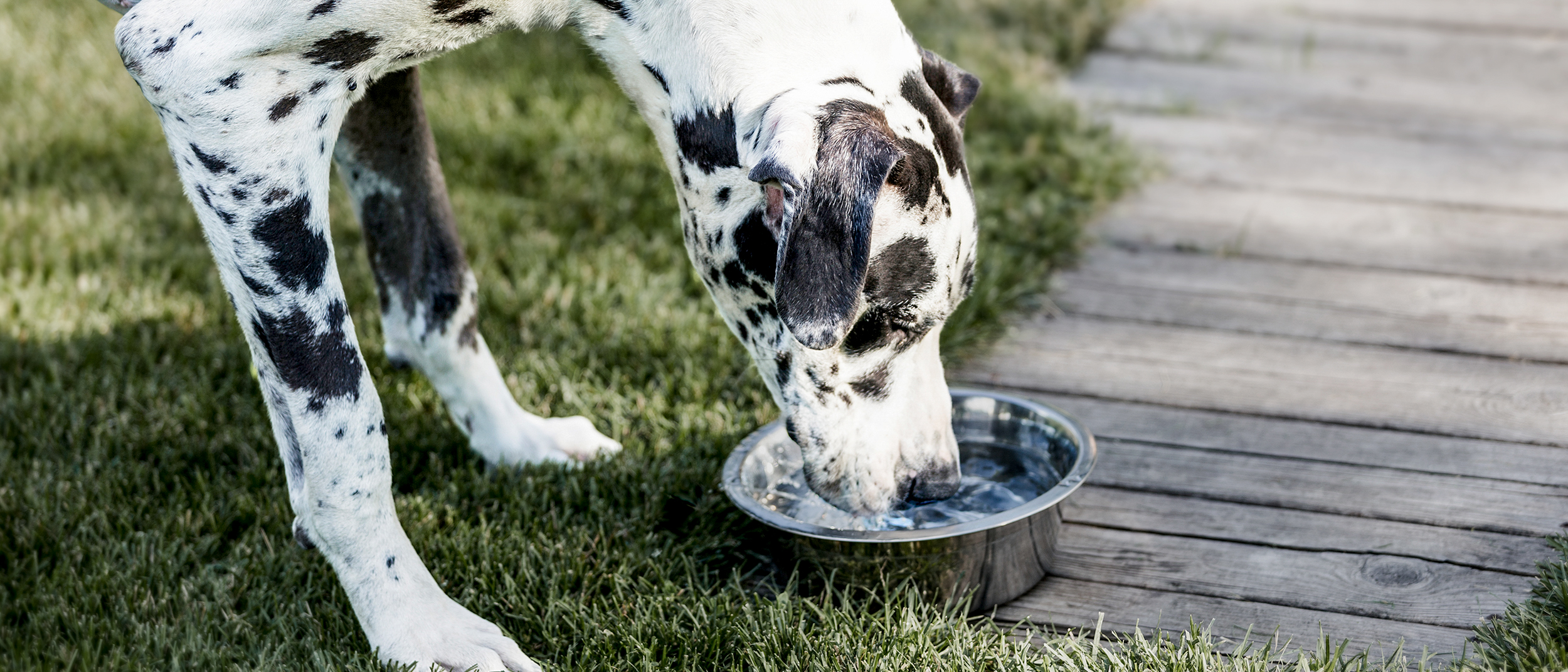
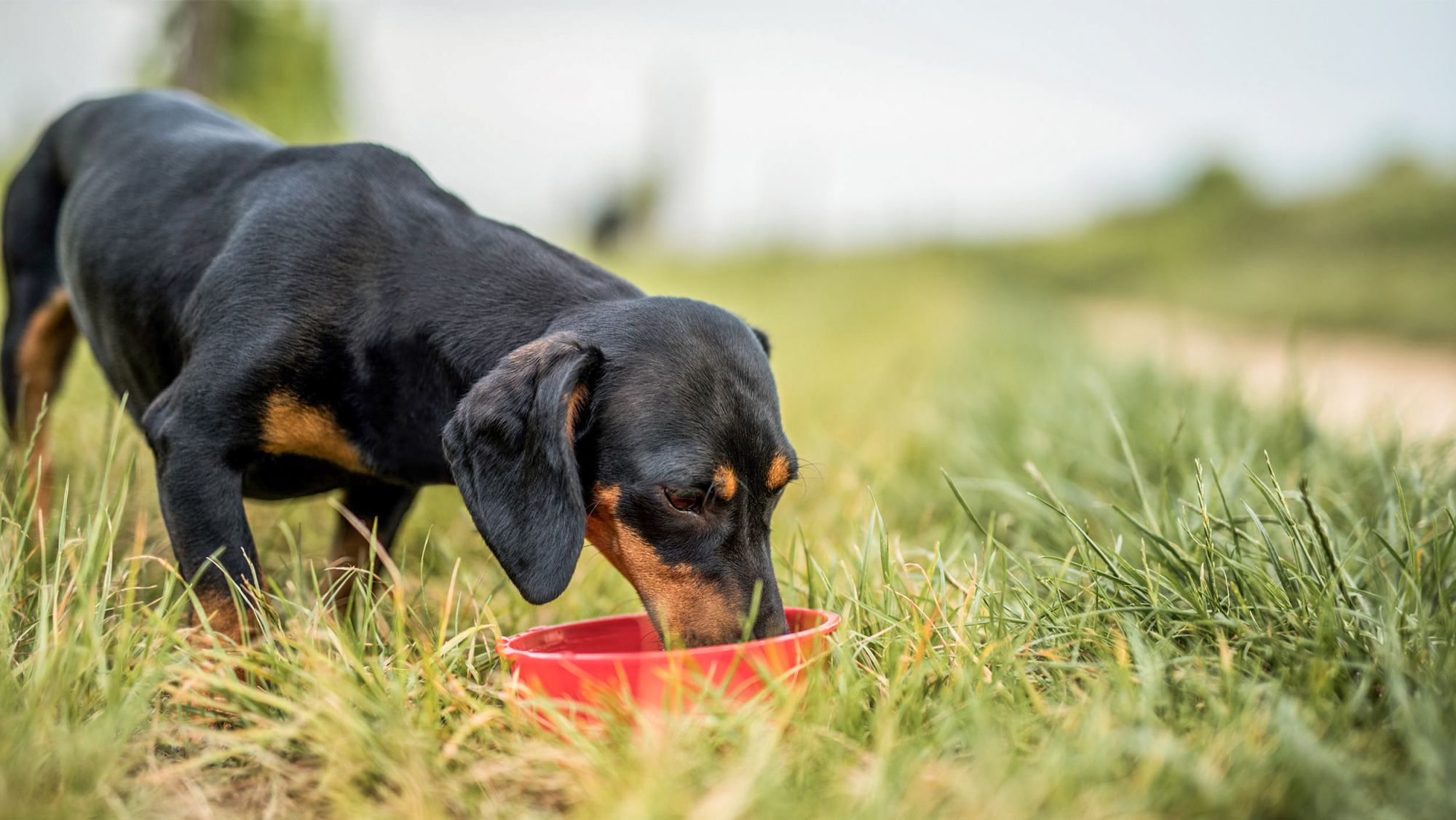
Making sure your dog has access to plenty of fresh, clean water, and encouraging them to drink frequently, is very important. This can help dilute their urine, as well as get them to urinate more often and ‘flush out’ their system.
Your dog's food can also be specifically selected to help improve the healthy function of their urinary system. In particular, there are veterinary diets dedicated to improving urinary tract health by dissolving certain types of stones and by preventing their reoccurrence. These formulas help to dilute urine and help influence the mineral composition and pH of the dog's urine.
Urinary problems can result in discomfort for your dog, as well as potentially long-term health repercussions. Make sure to visit your vet at the first sign of a problem, and they’ll be able to advise you on the best course of action.
How can my dog’s diet support their urinary health?
Urinary problems can result in discomfort for your dog, as well as potentially long-term health repercussions. Make sure to visit your vet at the first sign of a problem, and they’ll be able to advise you on the best course of action. Your dog’s diet plays a useful role in maintaining a healthy urinary environment to help reduce the risk of developing certain stones. This is done many ways, including by influencing the pH of the urine, limiting the number of precursors for the stones, and in some cases helping to encourage dilution, which helps to prevent "supersaturation" of urine, a state where sones spontaneously form.
If your dog has stones, certain types of stones can be dissolved with veterinary urinary formulas and medication, other types can't be dissolved and may need to be removed, for example, with minimally invasive procedures or surgery. If your dog has an infection, this must be treated medically with antibiotics.
Importantly, providing your dog with plenty of water will encourage them to drink. The increased water consumed will help produce a larger urine volume, which will help decrease the concentration of minerals and also result in more frequent urination flushing the urinary tract when offered opportunities to urinate. In some cases, your veterinarian may advise you to feed a special formula designed to help increase your dog's voluntary water intake. It's important to make sure your dog has access to clean, fresh water at all times and provide frequent opportunities to go out and urinate.
If you notice your dog’s behaviour when it comes to urination has changed, make sure that you visit your veterinarian who will be able to conduct a full examination and help you choose the right diet to support your dog’s urinary health.
Like & share this page