How your cat's diet supports their digestion
Article
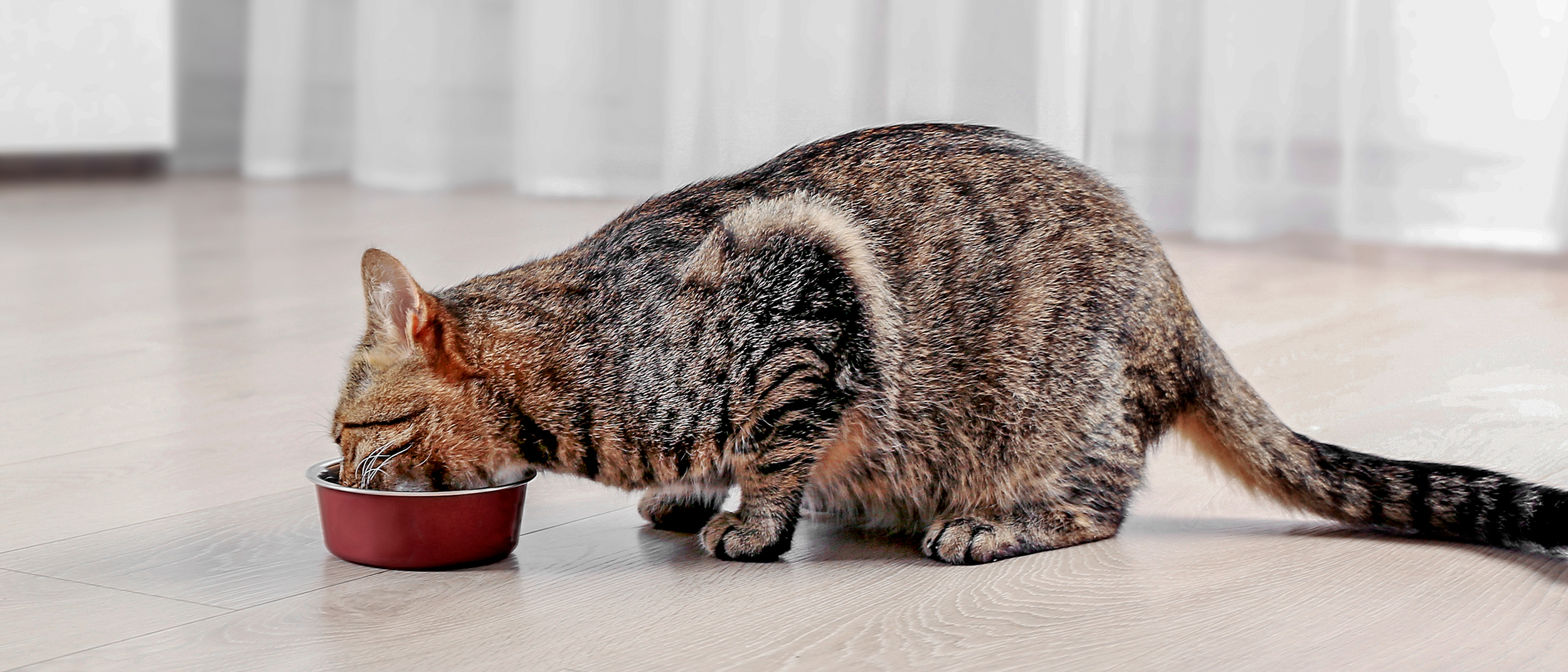
All cats can suffer with digestive issues at some time in their life, but with veterinary advice, the right cat diet can help manage these sensitivities and alleviate discomfort
How your cat's digestive system works
Your cat’s digestive system is responsible for digesting food and absorbing the nutrients the body needs. The gastrointestinal tract is home to microflora, also known as "beneficial" bacteria, which contribute to digestive health by promoting overall health when balanced and supporting the processing of food and nutrients. The digestive system also includes a dense population of immune system cells, meaning your cat’s gastrointestinal tract is one of the first places the immune system encounters potential pathogens or other things that may require an immune response.
However, a cat’s digestive system can be sensitive. The result is your cat can be sensitive to sudden changes in their diet, and any variation has the potential to cause stomach upset. They also tend to eat more frequently, but smaller meals, than a human; a cat will visit its food bowl multiple times a day, eating a small amount at a time that can then be processed by their digestive system.
The role of protein in your cat’s food
Protein is the building block of your cat’s body, from skin and hair to claws and antibodies. Amino acids from protein can be converted to glucose, which is essential for proper functioning of your cat’s brain, kidneys, and red blood cells, and also provides energy.
However, protein can also be one of the main causes of digestive issues when cats struggle to digest it properly, or when they have an allergy or intolerance. A carefully managed cat diet with highly digestible proteins can help reduce these problems, as the digestive tract has to do less work to absorb nutrients. Diets designed for cats with food allergies or intolerances often use single protein sources, such as hydrolysed protein or less common proteins, to lower the likelihood of irritation.
Fats in your cat’s diet
Fat is a rich energy source for your cat, contributing over twice as much energy for the same weight when compared to protein or carbohydrate. Essential fatty acids are also important for the healthy functioning of certain organs, like skin, and providing fat can help supply calories to cats with weight loss.
However, too much fat can be difficult to digest. The best diet for cats balances fat levels according to their condition, age, and lifestyle, ensuring they get the nutritional benefits without placing unnecessary strain on the digestive system. Your vet will be able to advise you on the right level of fat to include in your cat’s diet.
Cats and carbohydrate
Cats don’t need carbohydrate in the same way that humans do, but it is a good source of glucose and can provide energy in their diet. There are some misconceptions that cats may suffer with gluten intolerances or coeliac disease, just like humans, however, this has never been documented. Cats with gastrointestinal problems can benefit from highly digestible carbohydrate sources such as rice.
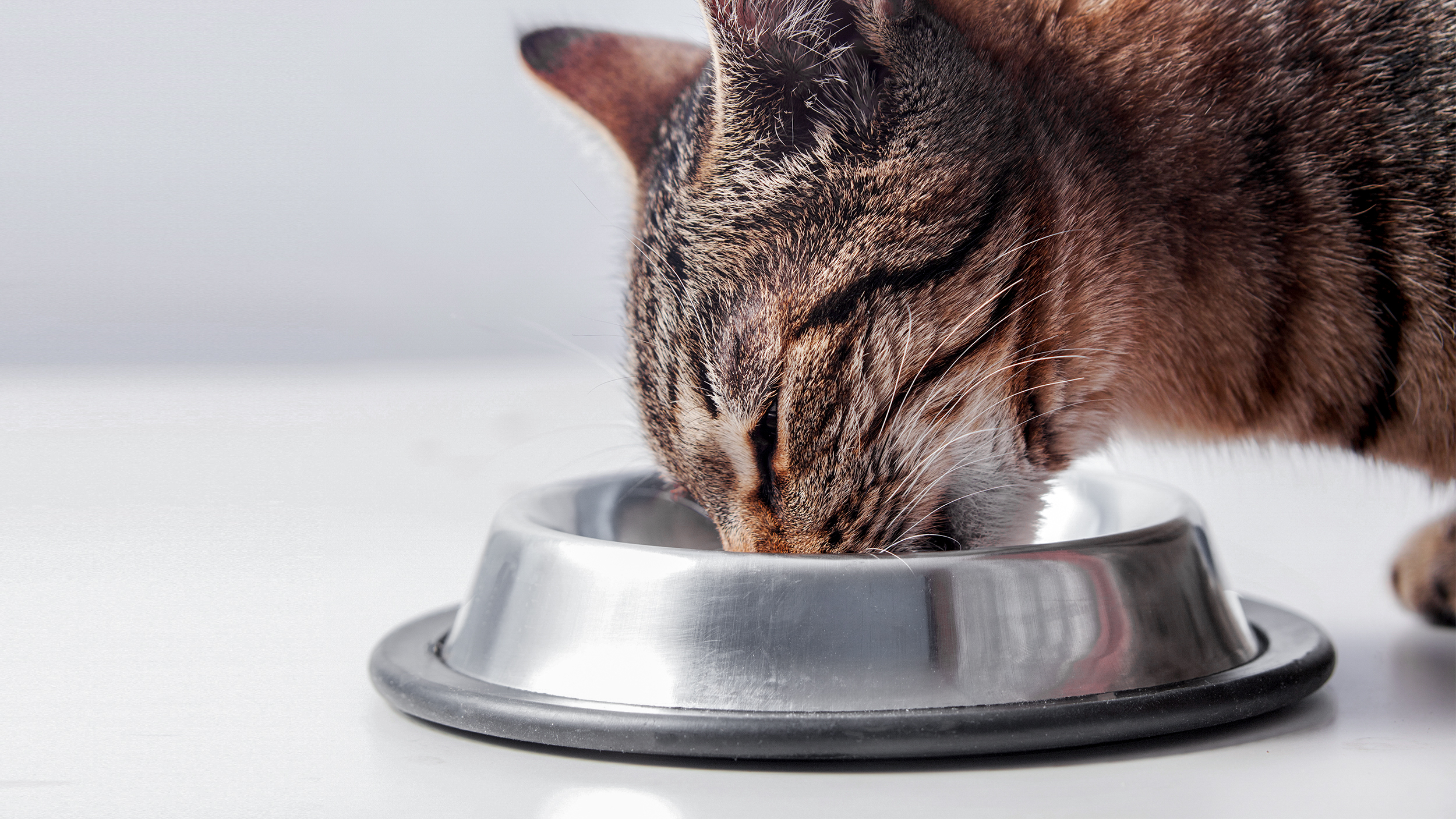
The use of fibre in your cat’s diet
The right mix of fibres in your cat’s food can contribute significantly to the health of their gastrointestinal tract. A high fibre diet can help prevent hairballs from forming – a particular problem with indoor cats – as well as encouraging the natural motions of the gut. Soluble fibre can have a beneficial effect on the gastro-intestinal flow, and also regulate the microflora that live in your cat’s digestive system.
Vitamins, minerals and other nutrients in your cat’s food
Your cat needs a complex mix of minerals and vitamins in trace amounts to help support the effective functioning of its body. Every vitamin and mineral has several different functions, such as vitamin E which works as a powerful antioxidant and nourishes the skin.
Prebiotics and probiotics can also be beneficial in managing your cat’s digestive sensitivities. Prebiotics are non-digestible substrates or ‘platforms’ on which beneficial gut bacteria can feed, encouraging them to grow, while probiotics are living organisms which positively impact the microflora in your cat’s system. Both of these can be used to rebalance the bacteria present in your cat’s digestive tract, supporting their continuing health.
Make sure to visit your vet if you believe your cat is experiencing digestive difficulties – they’ll be able to advise on the best course of action and recommend a balanced diet for cats that supports long-term health.
Find a vet
If you have any concerns about your cat’s health, consult a vet for professional advice.
Like & share this page