Common Cat Digestive Problems
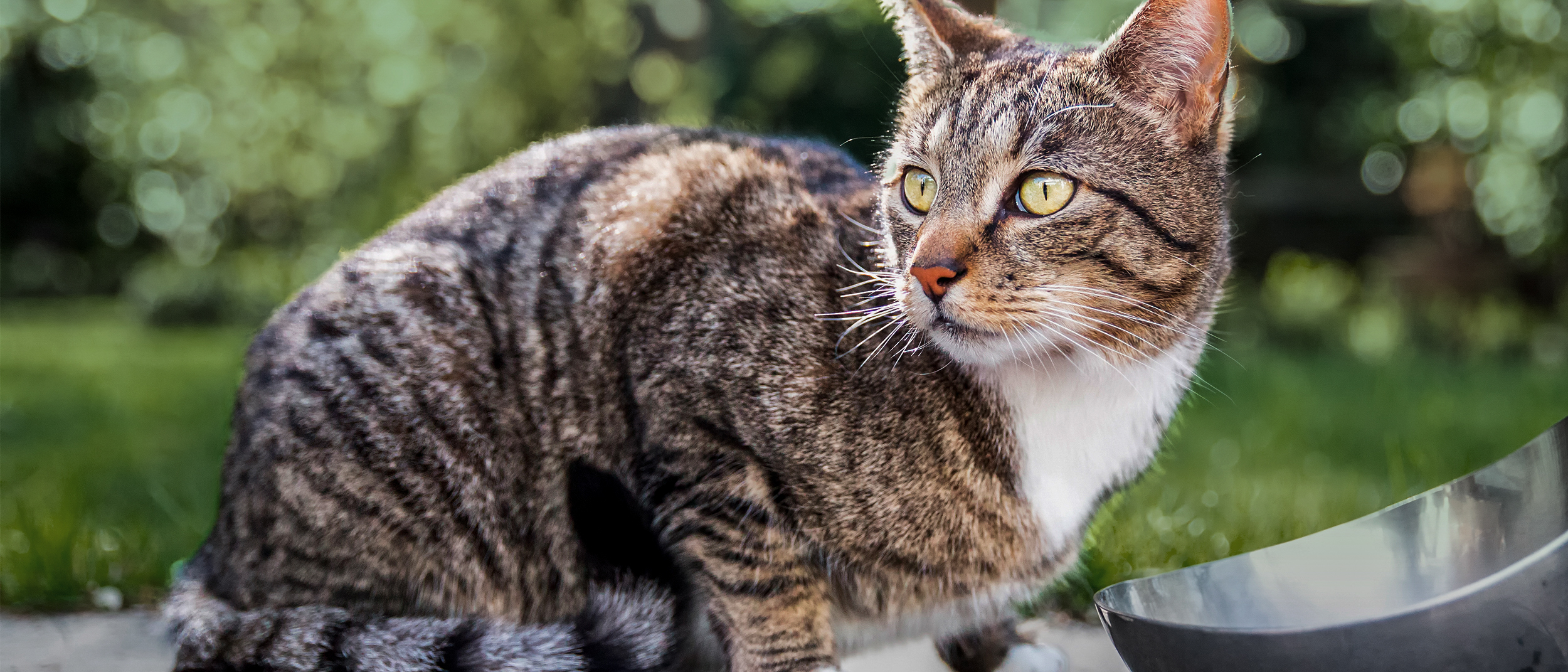
A cat’s digestive system is delicately balanced, with the right levels of bacteria to keep it functioning well. Changes to diet, excessive grooming or broader, systemic illnesses can all disturb this balance and cause common – and treatable – digestive problems.
What are the symptoms of digestive problems in cats?
There are several symptoms to look out for if you believe your cat might have a digestive problem:
• Regurgitation or vomiting including hairballs
• Bad breath
• Diarrhea or constipation
• Reluctance to eat or struggles to eat
• Weight loss or a painful abdomen
If you spot any of these symptoms in your cat, it’s important to visit your veterinarian as soon as possible so they’ll be able to identify the cause and potential treatment.
Parasites and your cat’s digestion
Parasitic infections are common digestive problems cats suffer from. Two common parasites that affect cats include: giardia, which live on the lining of your cat’s small intestine, and coccidia, which they can ingest at the same time as their prey when picking it up outdoors. The latter also includes a type of parasite that can be transmitted to humans.
These microscopic parasites can cause abdominal discomfort, dehydration, and weight loss, and may also lead to severe diarrhea. Like vomiting, diarrhea can be an indicator of another illness that is affecting your cat. Vets make the distinction between large intestine and small intestine diarrhea, characterized by different signs and with different causes.
If your cat has large intestinal diarrhea, their stools will tend to be of the same volume or less than usual at one time, but more frequent than normal, but often include blood or mucus. You may also notice that their stool is softer at the end of the day. Your cat will also need to move their bowels urgently and frequently.
Small intestinal diarrhea in your cat tends to be of a large volume at one time, can have colour variation, such as green or orange, and may include undigested food. Your cat may also be suffering with vomiting, weight loss and flatulence.
One of the difficulties when checking your cat’s stool is that your cat may tend to go outside to evacuate its bowels. If this is the case, check whether your cat has feces around its anus, as this can be an indicator of diarrhea, and monitor how often it goes outside.
If you notice your cat exhibiting any of these signs, it’s important to take them to a veterinarian so the cause of the problem can be identified and properly treated. Many digestive issues can be managed with the right diet, so ask your veterinarian for advice on the best food to give your cat to support their digestive health.
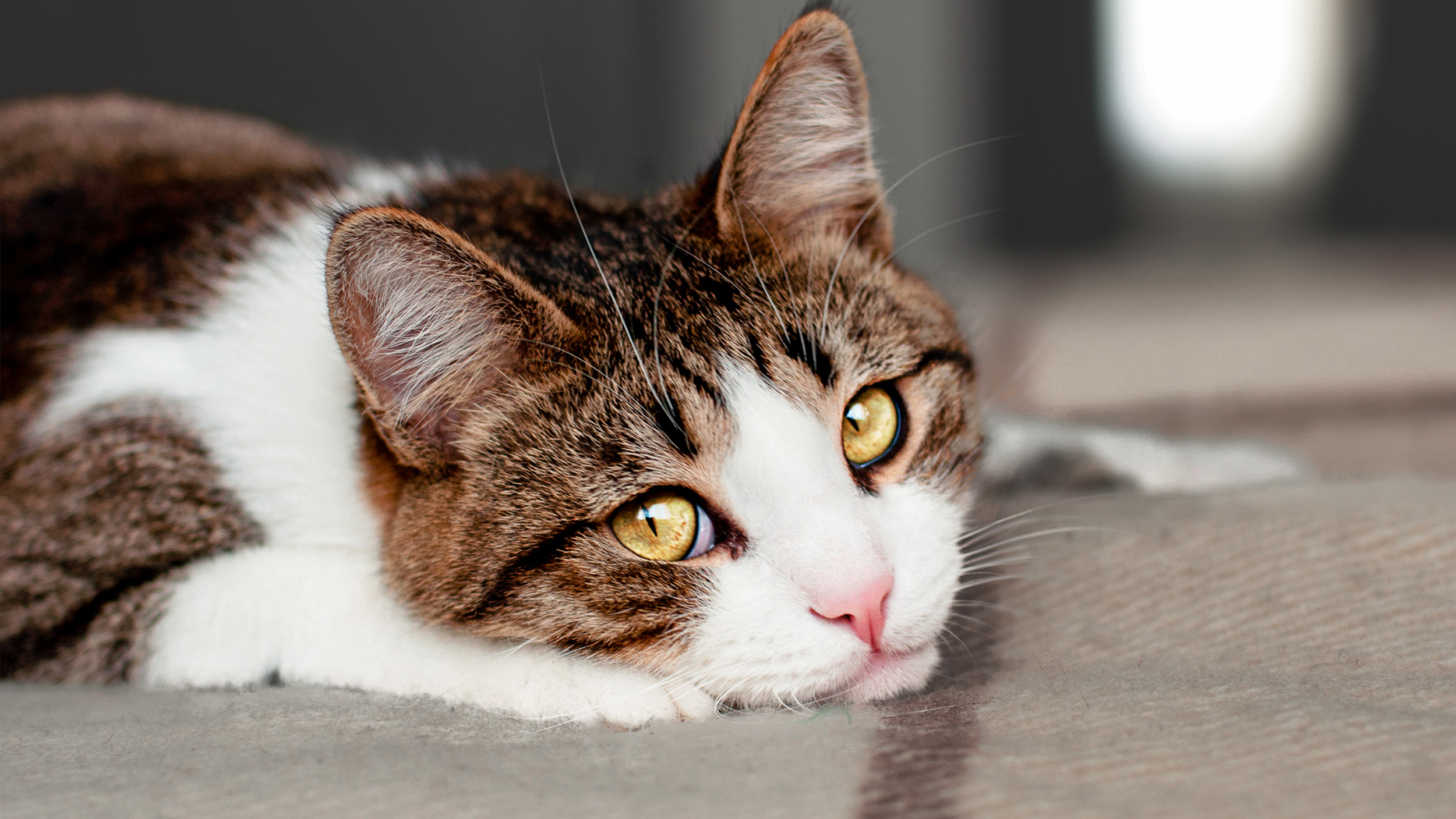
Difficulty eating, swallowing and hairballs in your cat
Cat digestive problems can show in different ways, often linked to difficulties with eating, swallowing, or passing hairballs. If your cat has an obstruction in their oesophagus, such as a hairball, or if the muscles in their oesophagus or stomach aren’t functioning properly, you may notice they are reluctant to eat, find swallowing painful, or regurgitate food soon after meals. It’s not unusual for cats to occasionally vomit, particularly if they have eaten something their body identifies as harmful. Frequent vomiting, twice a month or more, can be an indicator of a more serious problem, such as an infection, inflammatory disease or ulcer.
Hairballs are one of the more common cat’s digestive system problems, particularly in indoor cats who groom frequently. While most hair is passed out in stools, excess hair can build up in the digestive tract, leading to vomiting and discomfort. Helping to prevent this includes regular brushing and feeding the best cat food for digestive problems with the right balance of fibre. Specialised cat food for cats with digestive problems can make it easier for hair to move through the digestive system, supporting overall gut health.
Inflammatory diseases in your cat
If one or several of the organs in your cat’s digestive tract become inflamed, they will experience digestive discomfort, and their food could be irritating their system.
Three digestive organs – the liver, pancreas and small intestine – are very close together in your cat’s body, which means inflammation can spread easily among these organs (note: the cause is unknown and is definitely not always bacterial). This can lead to a condition called feline triaditis, where all three of these digestive organs are concurrently inflamed.
If your cat is suffering from this condition, it will show symptoms very similar to the inflammation of one organ; chronic vomiting and diarrhea, weight loss, and appetite changes, perhaps even a ravenous appetite as your cat attempts to get the nutrients it needs, which are being lost.
This condition is manageable, and your veterinarian will attempt to rule out any other cause of the digestive issue – such as parasites – before prescribing medication and recommending a specific diet for your cat.
Digestive problems can be uncomfortable and unpleasant for both you and your cat, so make sure that you visit your veterinarian at the first sign of any problems, so you can make sure you’re providing your pet with the best care possible.
Related Articles
Like & share this page