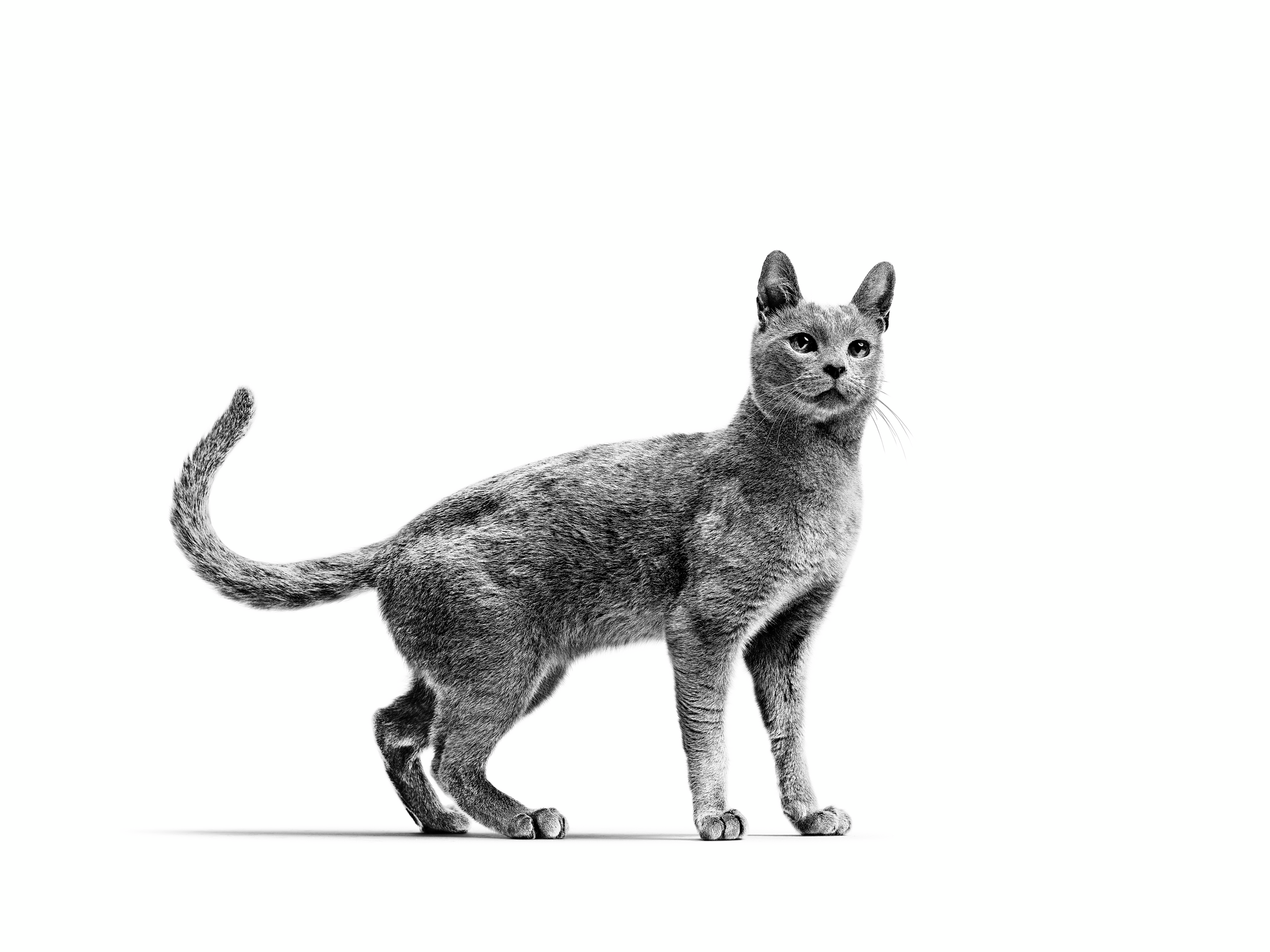
Understanding your cat's gastrointestinal and digestive health
Your cat's gastrointestinal health helps to support the rest of their body by properly digesting food, making sure they extract the nutrients needed to support their body and overall health.
A gastrointestinal or digestive upset can disrupt the function of the stomach and intestines and can be linked to a number of illnesses, including pancreatitis and inflammatory bowel disease (IBD). As a result of gastrointestinal and digestive problems, cats may not be able to absorb the nutrients they usually would. As a result, this can have a negative impact on your cat's health which may lead to other problems.
If you suspect your cat could be suffering from a gastrointestinal issue it's important to speak to a veterinarian as soon as possible so they can diagnose it and discuss management options.
If you suspect your cat could be suffering from a gastrointestinal issue it's important to speak to a veterinarian as soon as possible so they can diagnose it and discuss management options.

What is the difference between acute and chronic digestive issues?
Gastrointestinal disorders in cats can be classified as either acute or chronic. Acute conditions appear suddenly and deteriorate rapidly, while chronic conditions develop over time and may worsen gradually.
The medical treatment your cat receives will depend upon whether their condition is acute or chronic. In some cases, their long-term nutritional needs may also be affected.
The medical treatment your cat receives will depend upon whether their condition is acute or chronic. In some cases, their long-term nutritional needs may also be affected.
The importance of tailored nutrition
Treatment for a gastrointestinal illness will depend upon your cat's circumstances and medical conditions but will frequently involve a change to their diet.
Here are some examples of when your veterinarian may recommend a dietary change.
Here are some examples of when your veterinarian may recommend a dietary change.

Pancreatitis
Unlike dogs, cats with pancreatitis seem to tolerate fat, and so a highly digestible diet with a moderate fat content is often used. If their pancreatitis is associated with IBD, then a hydrolyzed protein diet may be recommended.

Gastroenteritis
A cat with acute gastroenteritis will often be offered small amounts of food. This should be energy-dense and highly digestible. If the gastroenteritis is chronic, dietary strategies may be different. If a food sensitivity is the cause, the cat may require a hydrolyzed protein diet.
Colitis
Colitis in cats is caused by inflammation of the large intestine. A highly digestible diet with high-quality sources of protein can be beneficial. In chronic cases, a hydrolyzed protein or high fibre diet may be needed.


IBD
A hydrolyzed protein diet can help support cats with IBD.
If your cat is suffering from an acute gastrointestinal health issue, the change in diet may be temporary, but if it’s chronic they may need to stay on the new diet for the rest of their lives.
If you do decide to change your cat's diet once their signs have subsided, you should make the change slowly and continue to support their health through a premium formula - like Digestive Care or Feline Breed Nutrition diet.
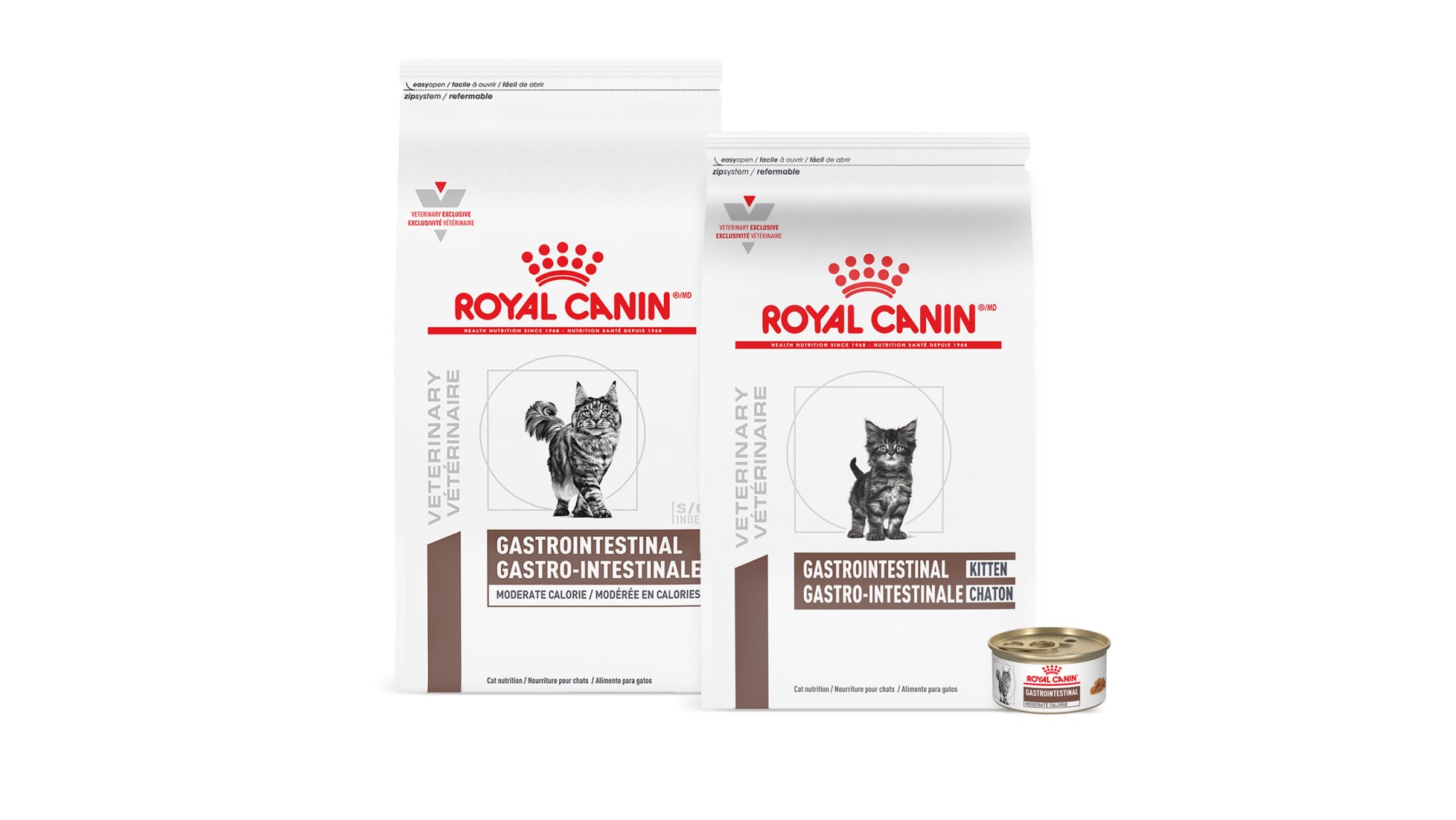
The Royal Canin Gastrointestinal cat food range
Available exclusively through your veterinarian, ask them about the Royal Canin gastrointestinal product benefits for your cat.
1. Rich in nutrients and easily digestible, Royal Canin’s gastrointestinal products are specially designed for cats experiencing digestive issues.
2. Each product has been precisely balanced for good digestion, while the blend of balanced fibres and prebiotics support your cat’s digestive health.
3. A choice of diets lets you tailor meals to suit their needs – including dry and wet food options, kitten formulas, and moderate-calorie alternatives.
4. The highly palatable formulas encourage cats to eat even when they’re experiencing a decreased appetite from a gastrointestinal upset. This can help a cat maintain or recover weight during an illness.
1. Rich in nutrients and easily digestible, Royal Canin’s gastrointestinal products are specially designed for cats experiencing digestive issues.
2. Each product has been precisely balanced for good digestion, while the blend of balanced fibres and prebiotics support your cat’s digestive health.
3. A choice of diets lets you tailor meals to suit their needs – including dry and wet food options, kitten formulas, and moderate-calorie alternatives.
4. The highly palatable formulas encourage cats to eat even when they’re experiencing a decreased appetite from a gastrointestinal upset. This can help a cat maintain or recover weight during an illness.
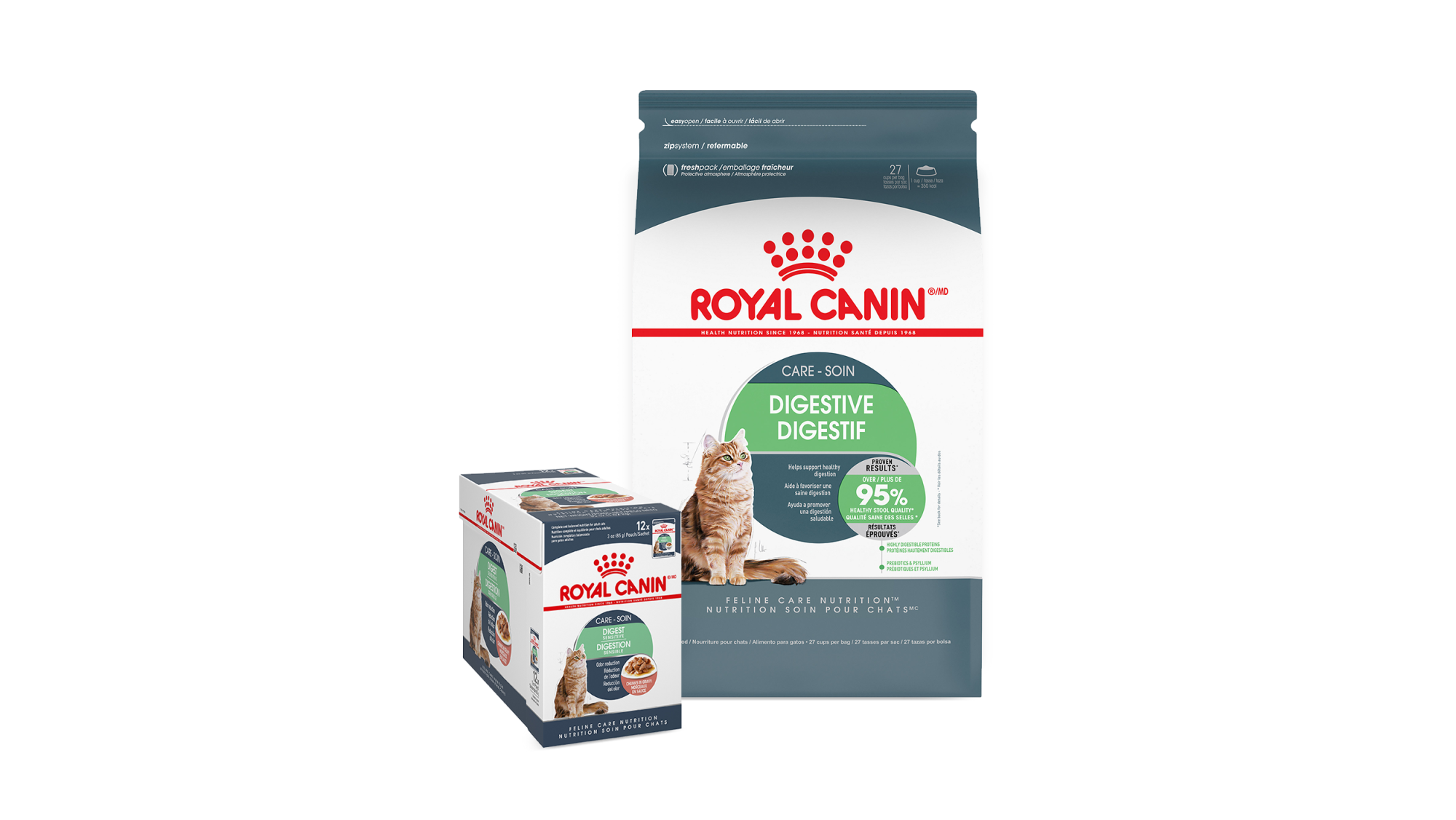
Digestive care diets
Royal Canin Digestive Care Cat Food provides tailored nutrition designed for cats with sensitive stomachs or digestive issues. Cats with digestive issues often experience a reduced appetite, which is why our formulas are enriched with carefully selected ingredients to encourage eating.
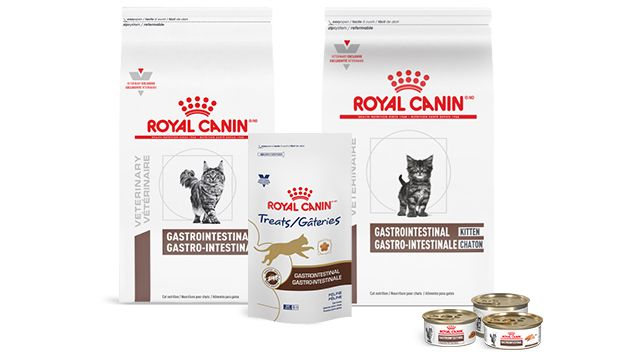
Vet exclusive gastrointestinal diets
Vet exclusive gastrointestinal diets are available exclusively through veterinarian as dry and wet food for kittens and adult cats with long- or short-term digestive sensitivities. Containing highly digestible proteins and prebiotics, Vet exclusive gastrointestinal diets promote digestive health and optimal stool quality.