Health consequences of canine obesity
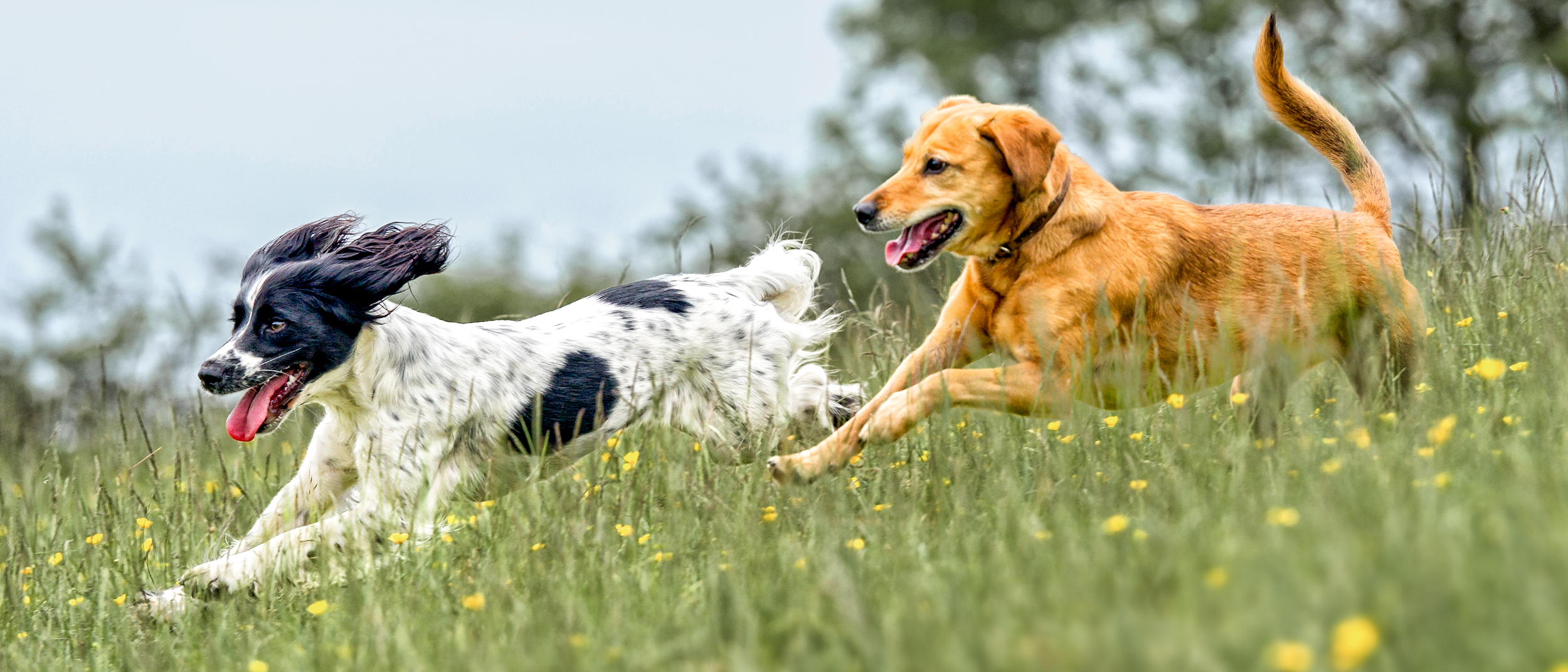
Obesity is an increasing problem among our human population, and unfortunately, it's the same for dogs; multiple studies have found that at least one in five dogs in industrialized countries are classified as having obesity. It is important to be aware that dogs with obesity have a higher risk of a number of chronic and even potentially life-long conditions.
Canine obesity
A dog is classified as having obesity when it is more than roughly 20% over its ideal weight. Their breed, genetic makeup, age, sex, lifestyle, activity level, diet and whether they have been neutered or not are all factors that can contribute to excess weight gain and the development of obesity.
For example, female dogs tend to be more predisposed to unwanted weight gain, while obesity is twice as likely in neutered rather than unneutered dogs. The impact of a dog’s diet on their weight cannot be overstated.
Potential health consequences of obesity in dogs
Obesity can negatively impact well-being and health, often with serious or lasting implications, such as:
- Significantly reduced life expectancy
- Cardiovascular and respiratory problems
- Diabetes
- Reduction in immunity and associated risk of infections and other illnesses
- Osteoarticular diseases, such as arthritis
- Urinary calcium oxalate calculi
- Compromised quality of life
Dogs with obesity may also have difficulty exercising or playing.
Why does obesity develop and how can it result in problems?
In simple terms, in most cases obesity develops when, over time, a dog consistently consumes more calories than their body can use during activity and exercise.
The presence of excess body fat can have metabolic impacts that can impact many body systems. Carrying around additional weight can become a functional problem that impedes normal movement and behavior. Eventually, this can result in a cycle in which the inability to exercise normally contributes to further weight gain in the absence of dietary change, ultimately leading to even greater mobility impairment.
How to help your overweight dog
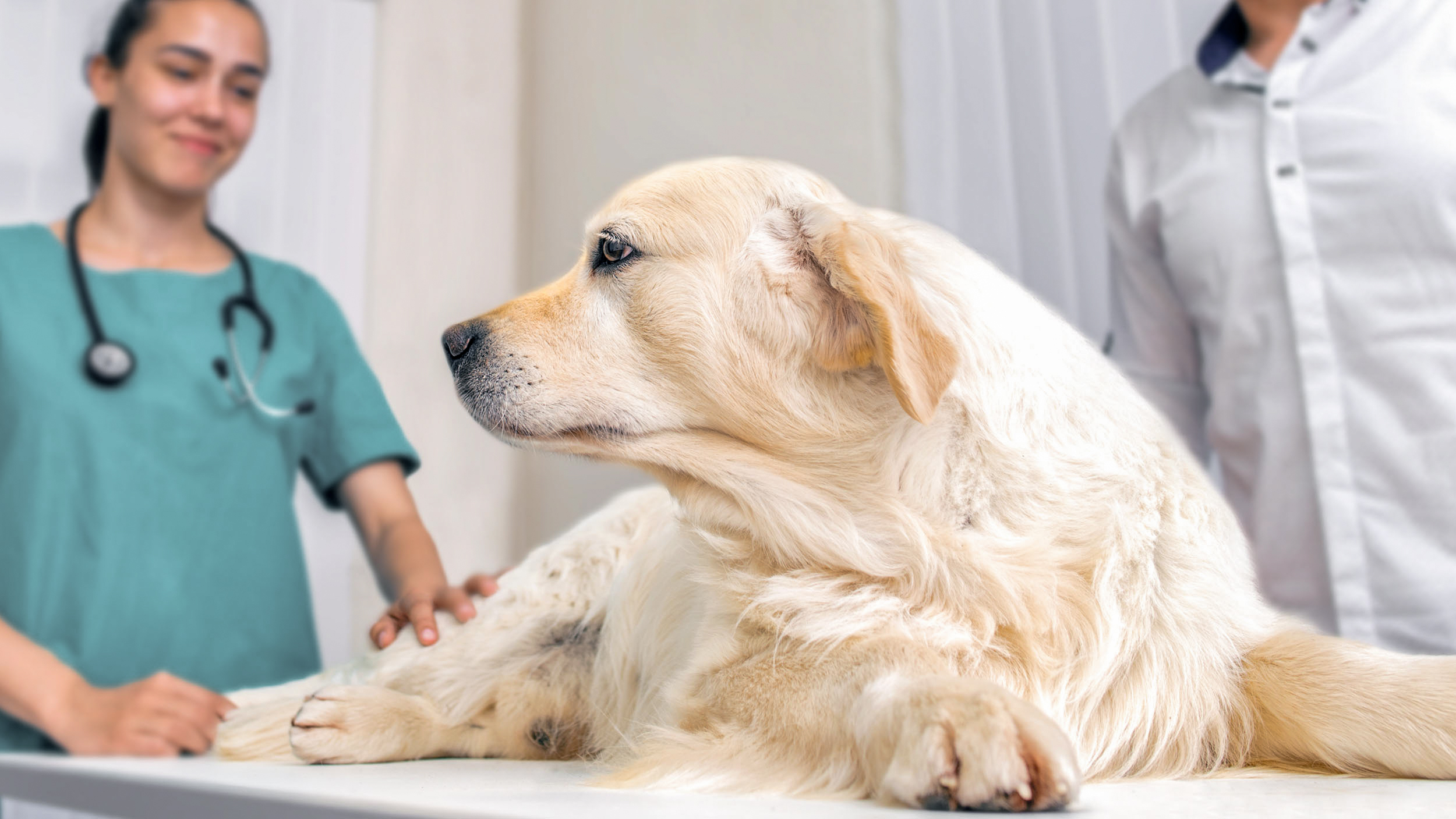
The first step to helping your dog is visiting your veterinarian, who'll be able to identify how overweight the dog is and what actions you should take to support healthy weight loss. It's important that you, as the owner, commit to helping your dog lose weight—that means sticking to a rigorous feeding schedule, avoiding giving your dog excessive treats and table scraps, and keeping a close eye on their weight. Your veterinarian will be able to recommend a suitable diet and meal portions tailored for your individual dog’s needs and a plan for assessing their progress.
By helping them return to a healthy weight, you'll start to see your dog live a more active lifestyle—as well as give them the chance of a longer and healthier life. Start by asking your veterinarian for a consultation, as they'll be more than happy to help.
Related Articles

Like & share this page