La primera consulta veterinaria de tu cachorro
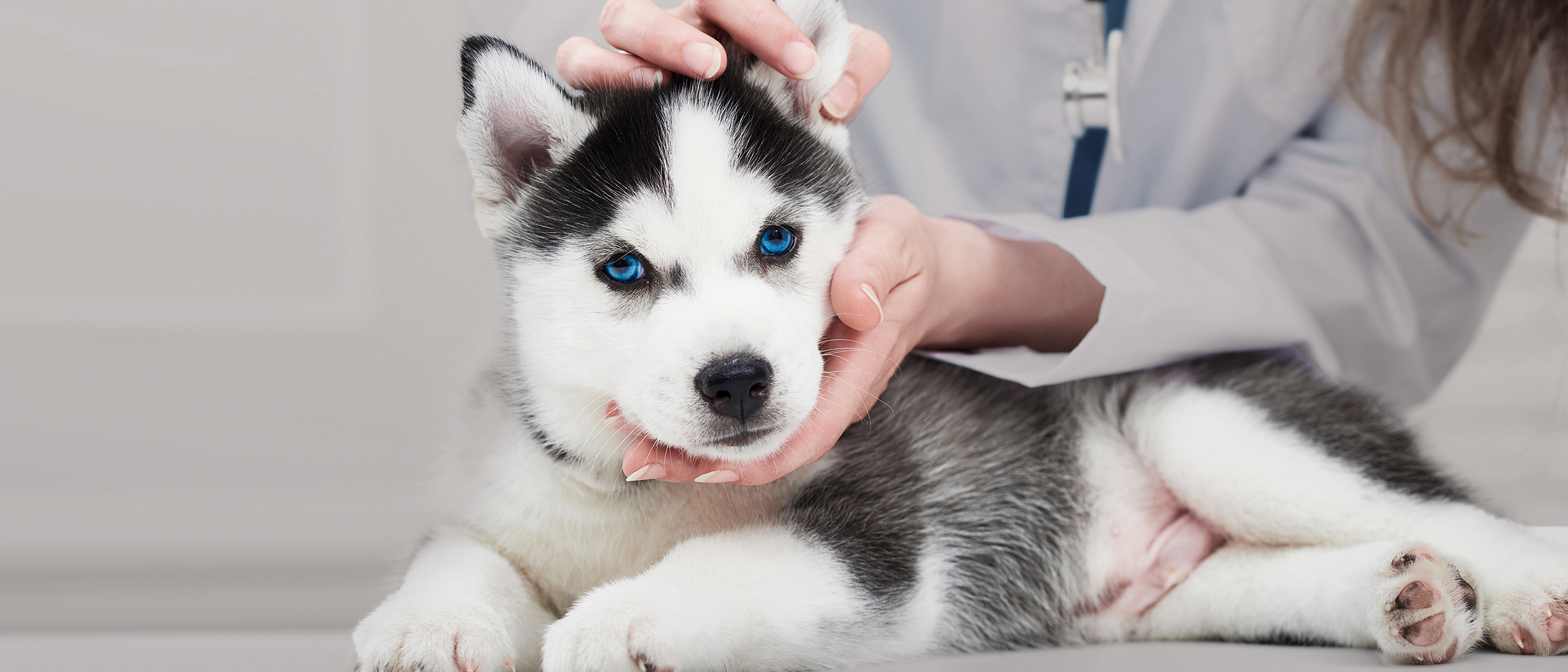
Es importante concertar una cita con el veterinario poco después de que el cachorro llegue a su nuevo hogar. Busca un veterinario de confianza para garantizar el bienestar de tu cachorro durante su crecimiento y toda su vida.
Elegir un veterinario para tu cachorro
Elegir un veterinario antes de la llegada de tu nuevo cachorro puede garantizar que se cuide de su bienestar inmediatamente. Si aún no tienes veterinario, puedes buscar en varios sitios. Puede que tus amigos y familiares te recomienden un veterinario al que acuden, pero si vas a elegir un nuevo centro veterinario, debes tener en cuenta una serie de aspectos:
- Reputación - ¿Lo recomiendan personas de la zona? ¿Hay reseñas en Internet?
- Ubicación - ¿Qué tan cerca está? ¿Es fácilmente accesible en auto y transporte público?
- Equipamiento - ¿Qué tipo de equipo tienen? ¿Está limpio y bien cuidado?
- Servicios - ¿Existe un servicio fuera de horario? ¿Qué servicios de medicina preventiva ofrecen?
Cómo preparar la visita al veterinario
Para poder evaluar a fondo la salud de tu perro y ofrecerle un asesoramiento personalizado, tu veterinario necesitará toda la información posible. Antes de la consulta hay una serie de aspectos clave que conviene tener en cuenta:
- Registro de vacunas
- Qué comida está comiendo actualmente tu perro, incluyendo marca, cantidades, etc.
- Tratamiento antiparasitario, de nuevo con la marca y la fecha de la última dosis administrada
- Cualquier cambio observado en el comportamiento de tu perro, apetito, sed, peso, etc.
- Cualquier documentación relacionada con tu cachorro
Viajar al veterinario con tu nuevo cachorro
Tu cachorro debe ir bien sujeto en el coche cuando viajes al veterinario, en una transportadora o en una jaula adecuada a su tamaño. Los perros pueden marearse, por lo que es mejor no dar de comer al cachorro inmediatamente antes de viajar en coche.
Para ayudar a reducir el estrés, asegúrate de dedicar algún tiempo a acostumbrar a tu cachorro a viajar en coche fuera de las visitas al veterinario. Los cachorros son muy receptivos a su entorno, y las experiencias negativas tendrán un efecto duradero, por lo que es importante que tu cachorro no llegue a asociar el coche con ir al veterinario.
Cómo tratar a tu nuevo cachorro en la sala de espera
Para garantizar el bienestar del cachorro y poder controlarlo en caso necesario, lo mejor es llevarlo con correa. Las salas de espera pueden ser lugares muy concurridos, así que ten cuidado con otros animales, especialmente los gatos.
Cómo hacer que tu cachorro se sienta cómodo en la mesa de exploración
Los exámenes de salud pueden ser estresantes. Intenta que la experiencia sea lo más positiva posible para tu cachorro. Si tu cachorro está motivado por la comida, el uso de premios para recompensar un comportamiento tranquilo puede hacer que la experiencia en la mesa de exploración sea más positiva y le ayude en futuras visitas.
Qué esperar de la primera visita de tu cachorro al veterinario
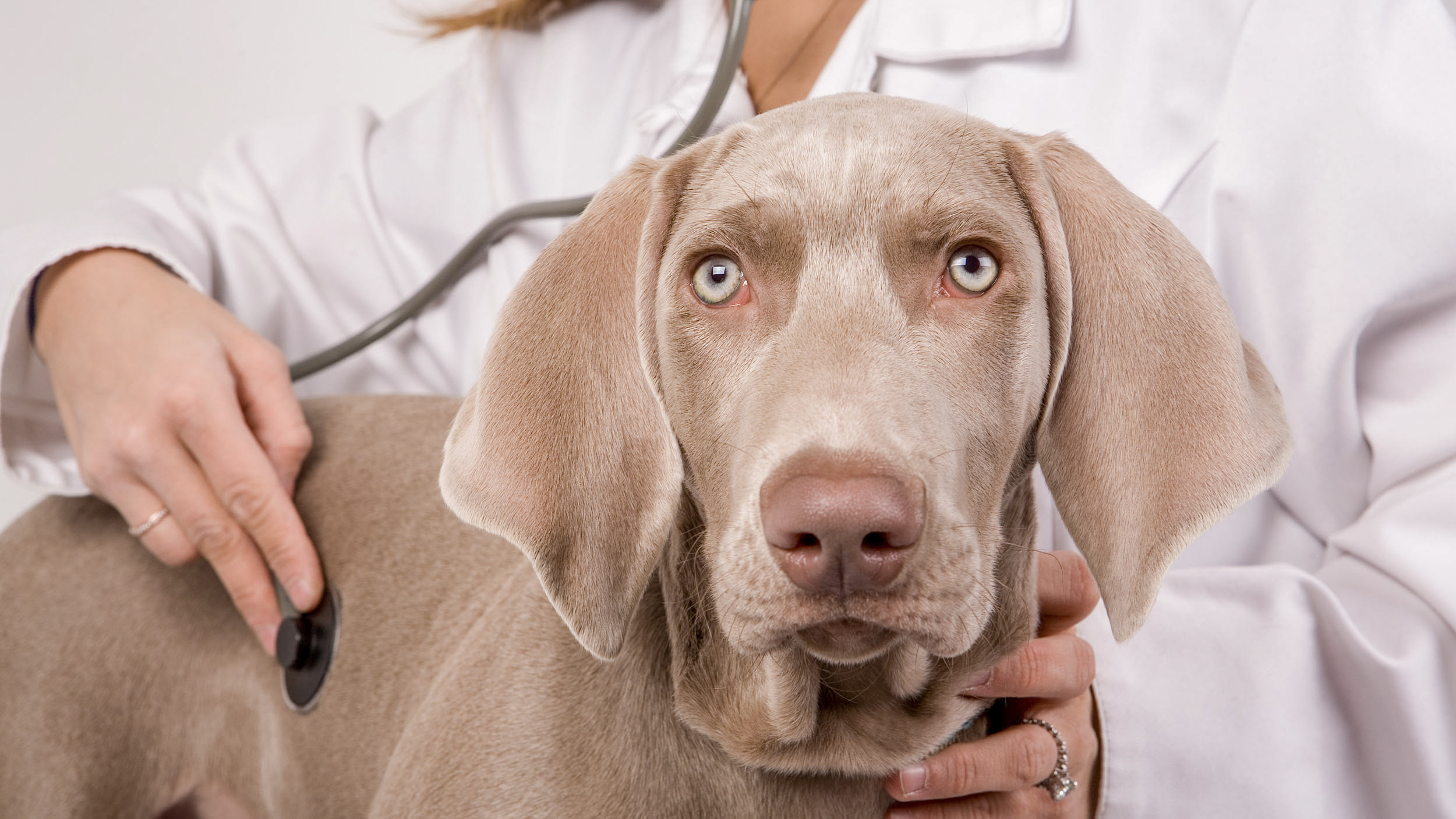
La primera visita de tu cachorro al veterinario es un examen profundo y no una simple consulta. Al final de la cita, tu veterinario será capaz de:
- Confirmar la salud de tu cachorro y asegurarte de que no hay ningún problema que pueda afectar a su bienestar
- Completar la cartilla de salud de tu cachorro, que es importante mantener al día
- Asesoramiento sobre los comportamientos específicos de la raza a los que hay que prestar atención
- Ofrecer asesoramiento sobre tratamientos antipulgas y antiparasitarios
- Recomendar el programa de vacunación más adecuado para tu cachorro y su estilo de vida
- Aconsejar la dieta más adecuada en función del estilo de vida del cachorro y su entorno
Colocar un microchip a tu nuevo cachorro
Si tu nuevo cachorro aún no tiene microchip, aprovecha la primera visita al veterinario para ponérselo. El microchip es una forma rápida, segura y eficaz de identificar a los perros.
La primera visita de tu cachorro al veterinario no tiene por qué ser una experiencia negativa. Dedicar tiempo a elegir un veterinario de confianza garantizará el bienestar del cachorro a medida que crece y se desarrolla.
Artículos relacionados


Like & share this page