Kitten socialisation and play
Kitten Socialisation FAQs
What is socialisation?
In the first few weeks of your kitten’s life everything is new. Effective socialisation helps them to understand new surroundings and approach different people, places and situations without fear. It also helps them to form healthy behaviours that will impact the rest of their lives.
Why is socialisation important?
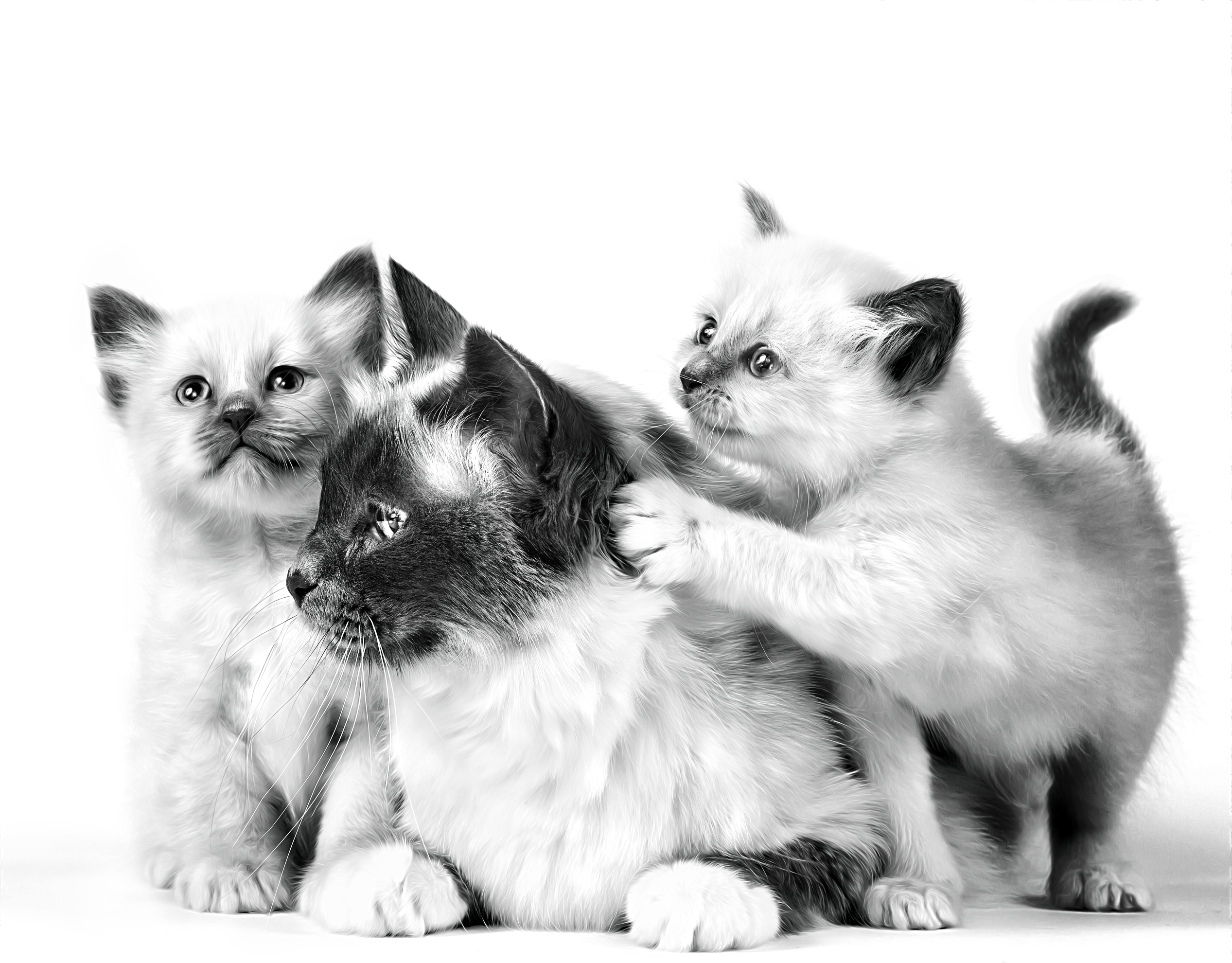
At first, kittens are socialised by their breeder, as well as their mother, litter mates by follow their example when it comes to habits and behaviours. Once they move into your home, you'll need to complete their socialisation and by doing so limit unwanted behaviours and help them settle in to their new life.
How does socialisation helps my kitten?
- Removes the fear and anxiety of new experiences
- Make them feel at home in their new surroundings
- Helps them to get used to other people, animals and places
- Teaches them which behaviours are right and wrong
- Keeps them more curious and inquisitive in adult life
When should I start socialising my kitten?
Has my kitten had good basic socialisation with its mother?
There is a simple test. If your kitten is happy to run up to you, seeks attention and rubs up against you, there's a good chance that they have had a good basic socialisation. However, if they are shy and try to run away when you approach, you will need to start from the beginning.
The basics of socialisation
To be able to successfully socialise your kitten and introduce them to new sights, sounds, people, places and smells, there are a number of things to take into consideration.
Respect their independence
Your kitten organises its life around four key areas: The feeding area, the sleeping area, the hygiene area and the play area. When socialising your kitten, it’s important that you respect these different territories and your kitten’s day-to-day activities.
Reward good behaviour
Letting your kitten know that they have done something right is an important part of the training process. Try using a snack, a healthy treat that you know they like, or giving them extra affection when they behave as requested. All of these will act as an incentive for your kitten to repeat good behaviour.
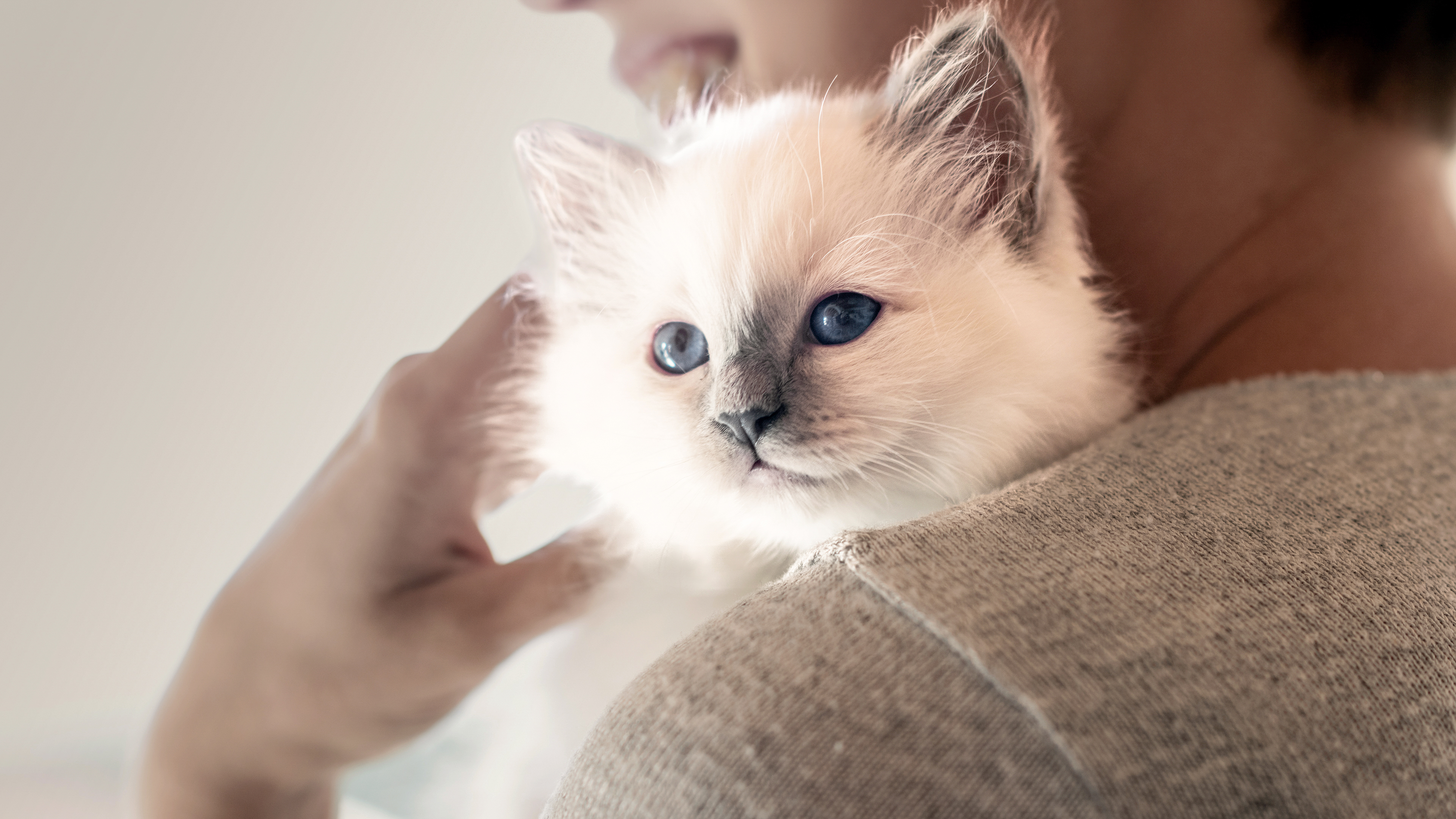
Start early
Young kittens are fast learners, so it’s a good idea to start socialising them as soon as they come into the home.
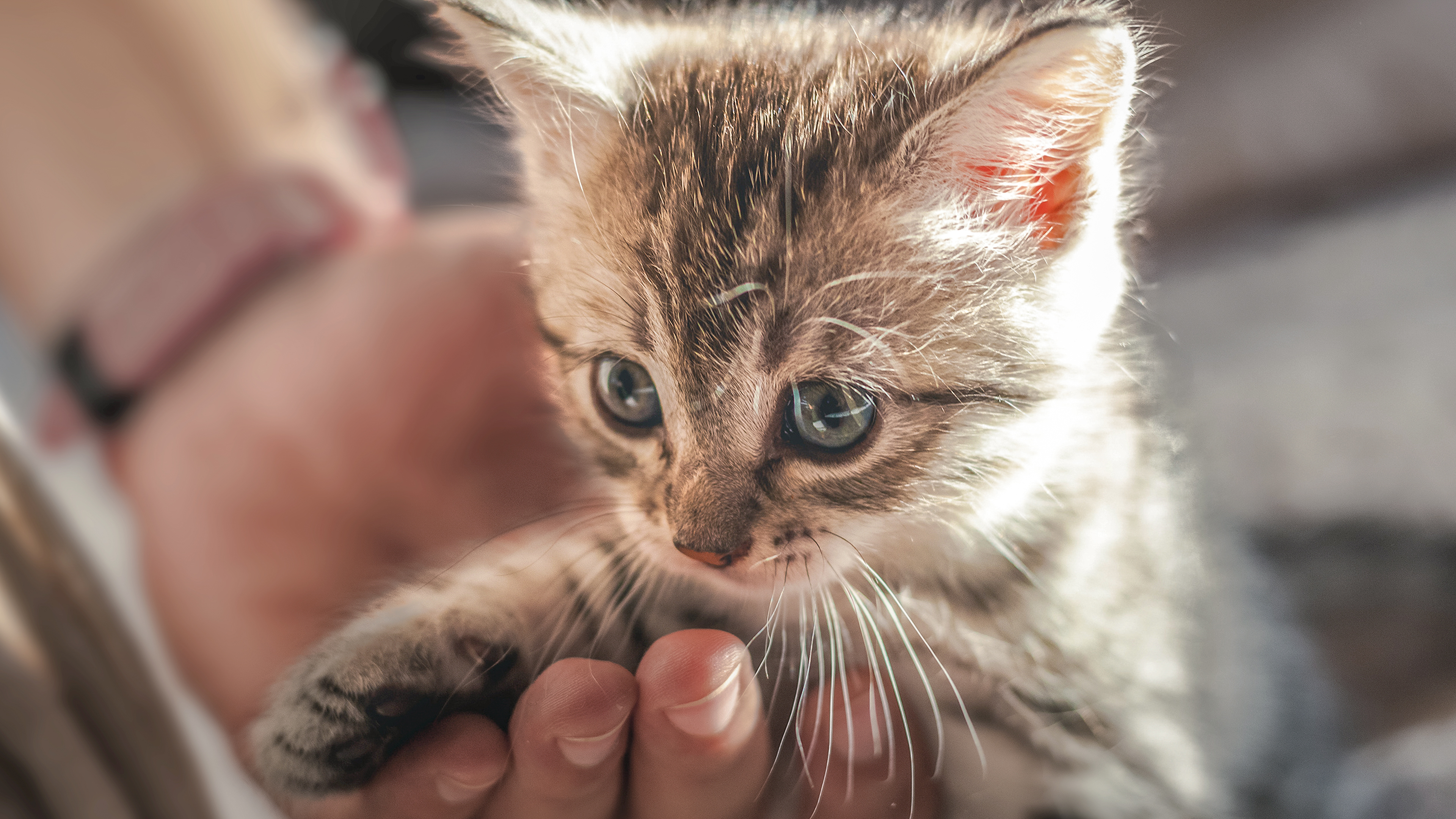
Make time to play
Playing is key to your kitten’s socialisation, as it allows them to explore their surroundings, develop their physical capabilities and form a strong bond with you.
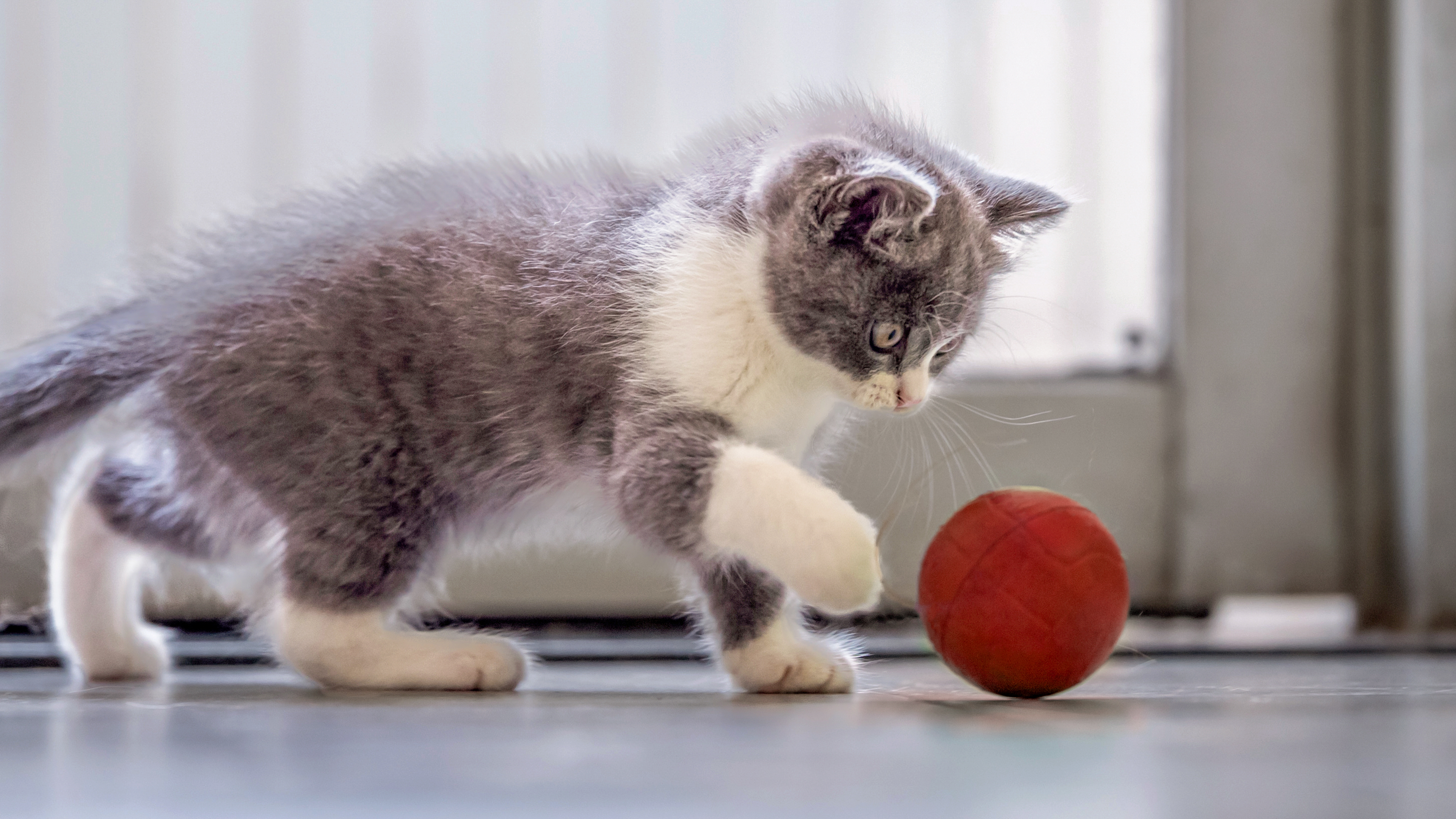
Fill your kitten’s life with new experiences
A kitten that’s been in contact with different people, noises and experiences from a very early age will be far more confident and comfortable. One of the key things here is ensuring that they are used to meeting and being stroked and handled by new people.
That being said, if you do too much the kitten might be overwhelmed and develop a negative association with the person or experience. So, be careful that your kitten always feels safe and pay close attention to their body language.
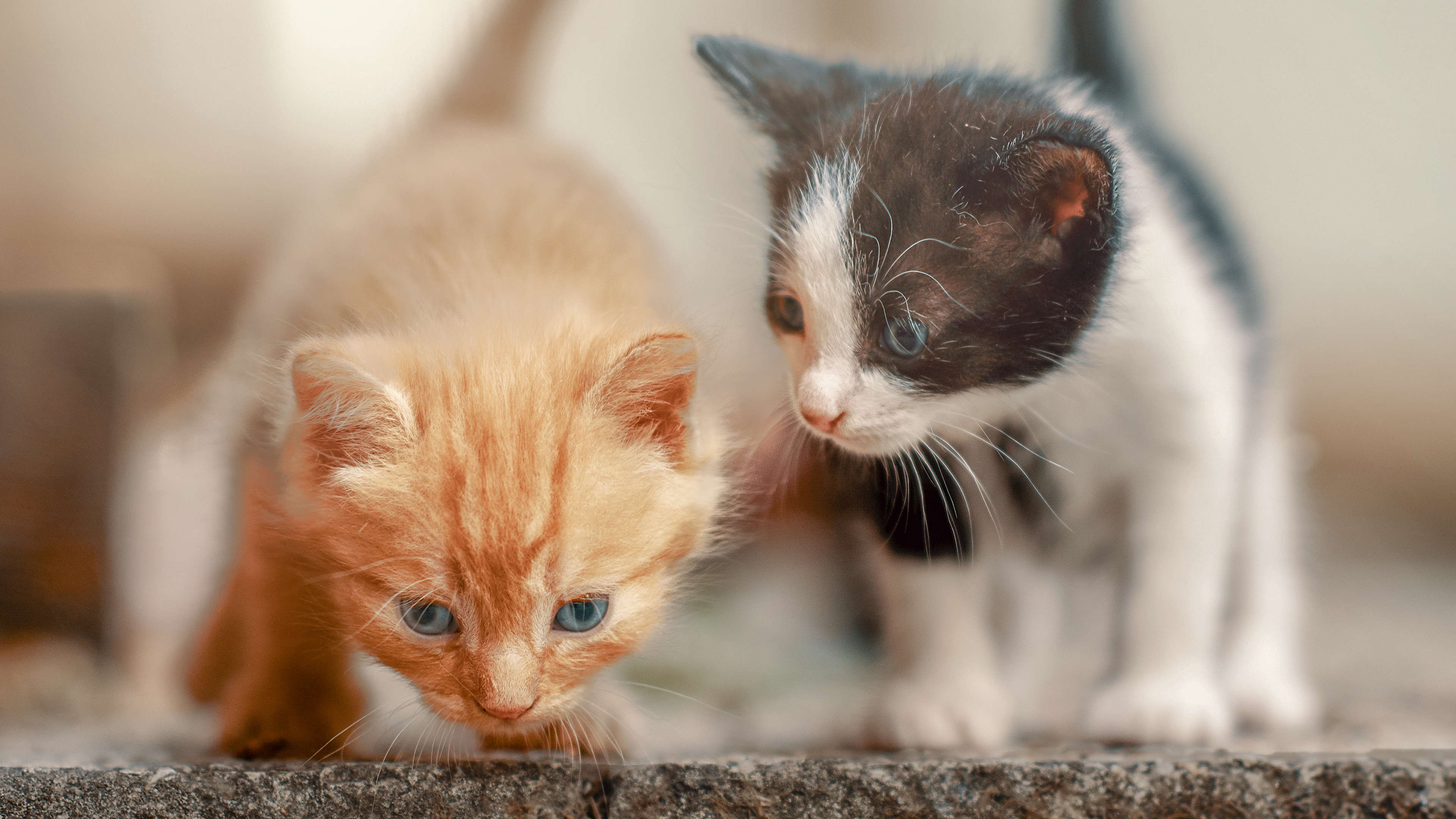
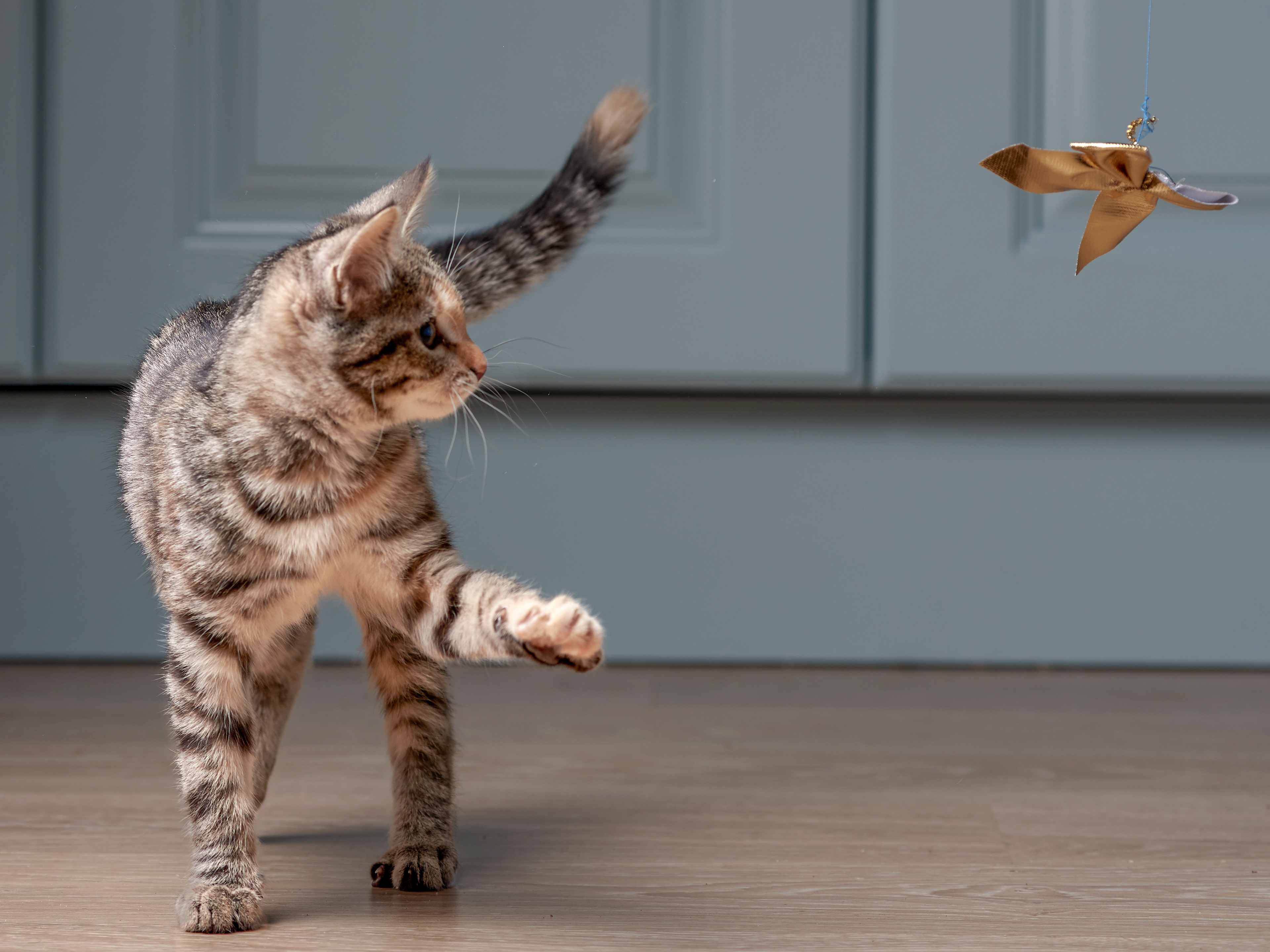
How to look after your kitten’s mental and physical wellbeing
- Stay healthy
- Learn new skills
- Keep mentally agile
- Explore their surroundings
- Avoid obesity
- Protect themselves against health problems in later life
- Build a strong bond with you
Play
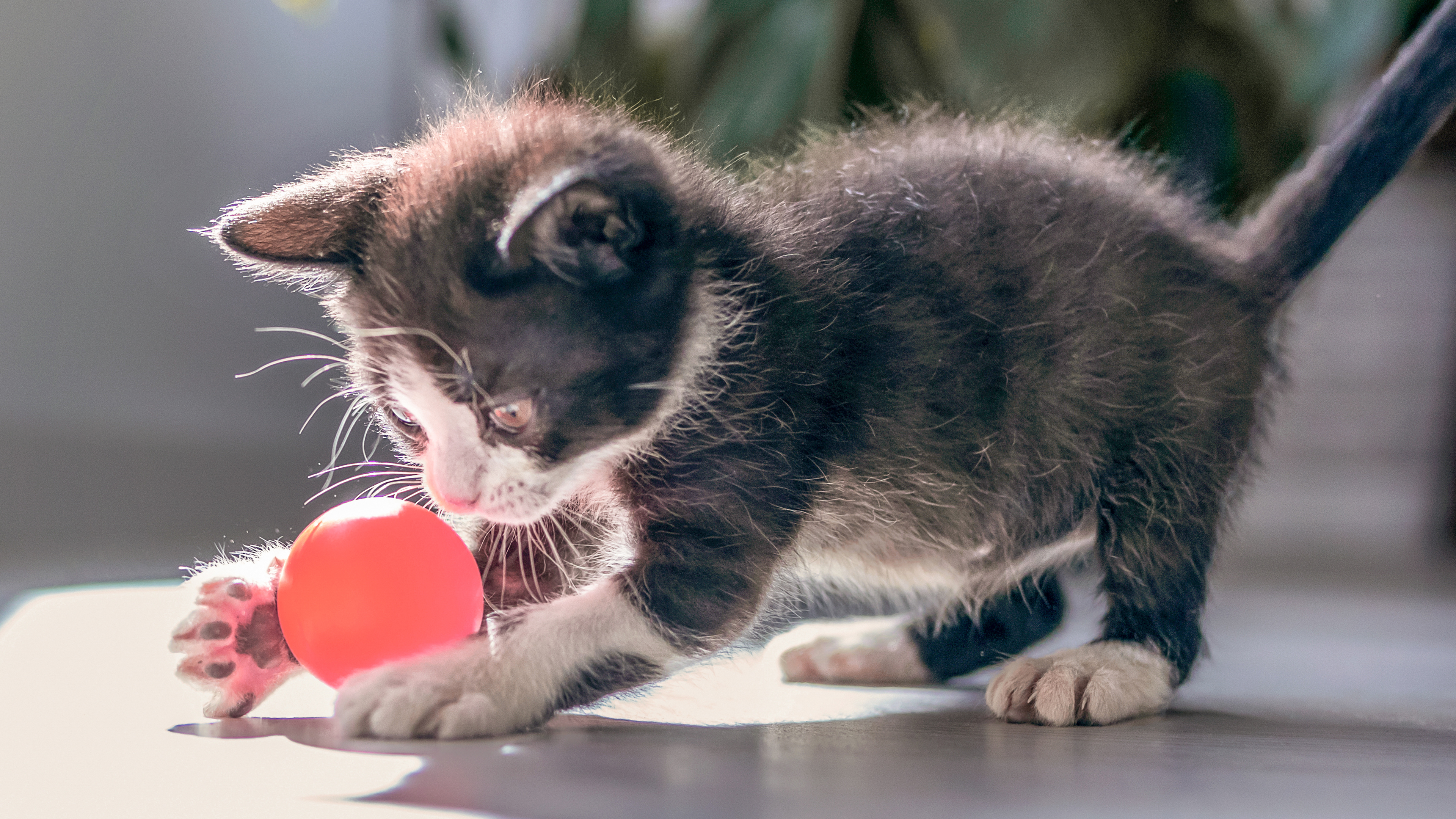
When your kitten is playing they are getting mental and physical stimulation and practicing natural behaviours. So, you should aim to play with your kitten two or three times a day for around 15 minutes each time.
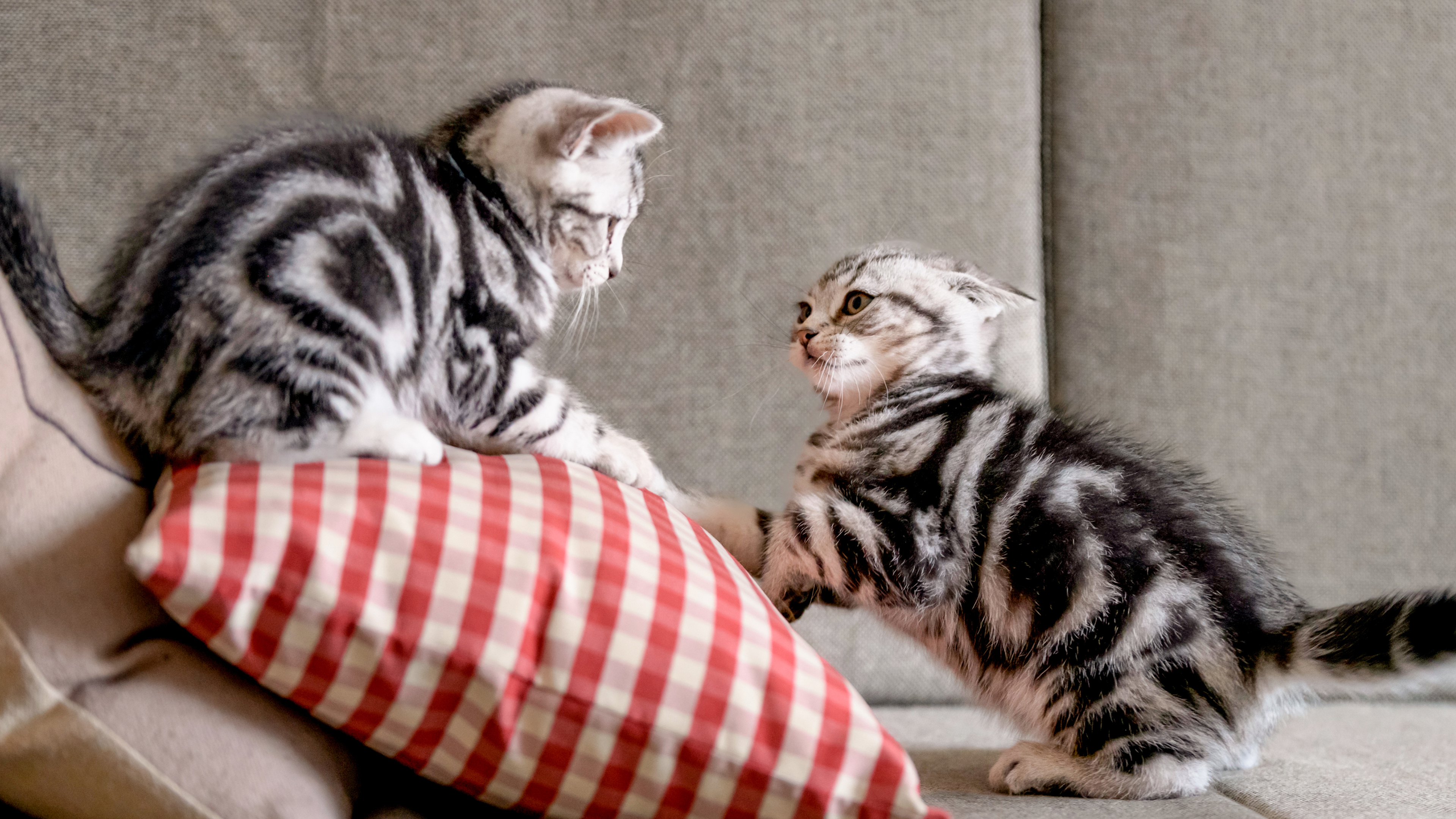
Running and chasing games
The sight of a moving object immediately unleashes your kitten’s desire to run and chase. Toys that will keep your kitten moving include:
- A mechanical or moving mouse
- A scrunched-up ball of tissue paper on the floor
- Flashlights
- Fishing rod toys
- A dangling string
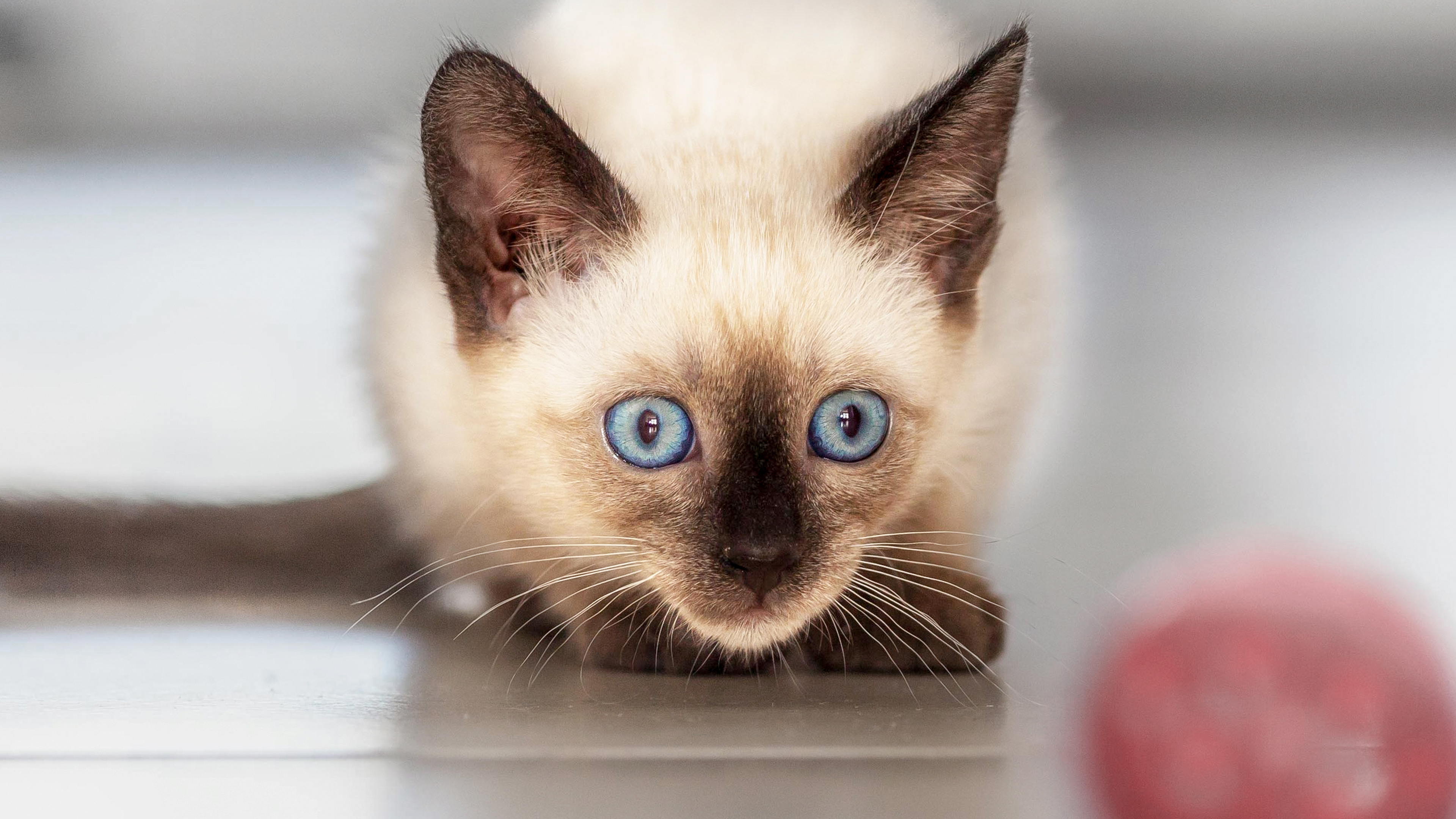
Climbing
Kittens love to climb, which is why cat trees make a perfect perch for your pet. Here are some other ways to encourage your kitten to stretch themselves and climb:
- Placing a cushion on high shelf that they can reach without injuring themselves
- Tall scratching post towers
Be aware, though, that kittens may not have perfect coordination and are more likely to fall. In the early months, supervision may be necessary.
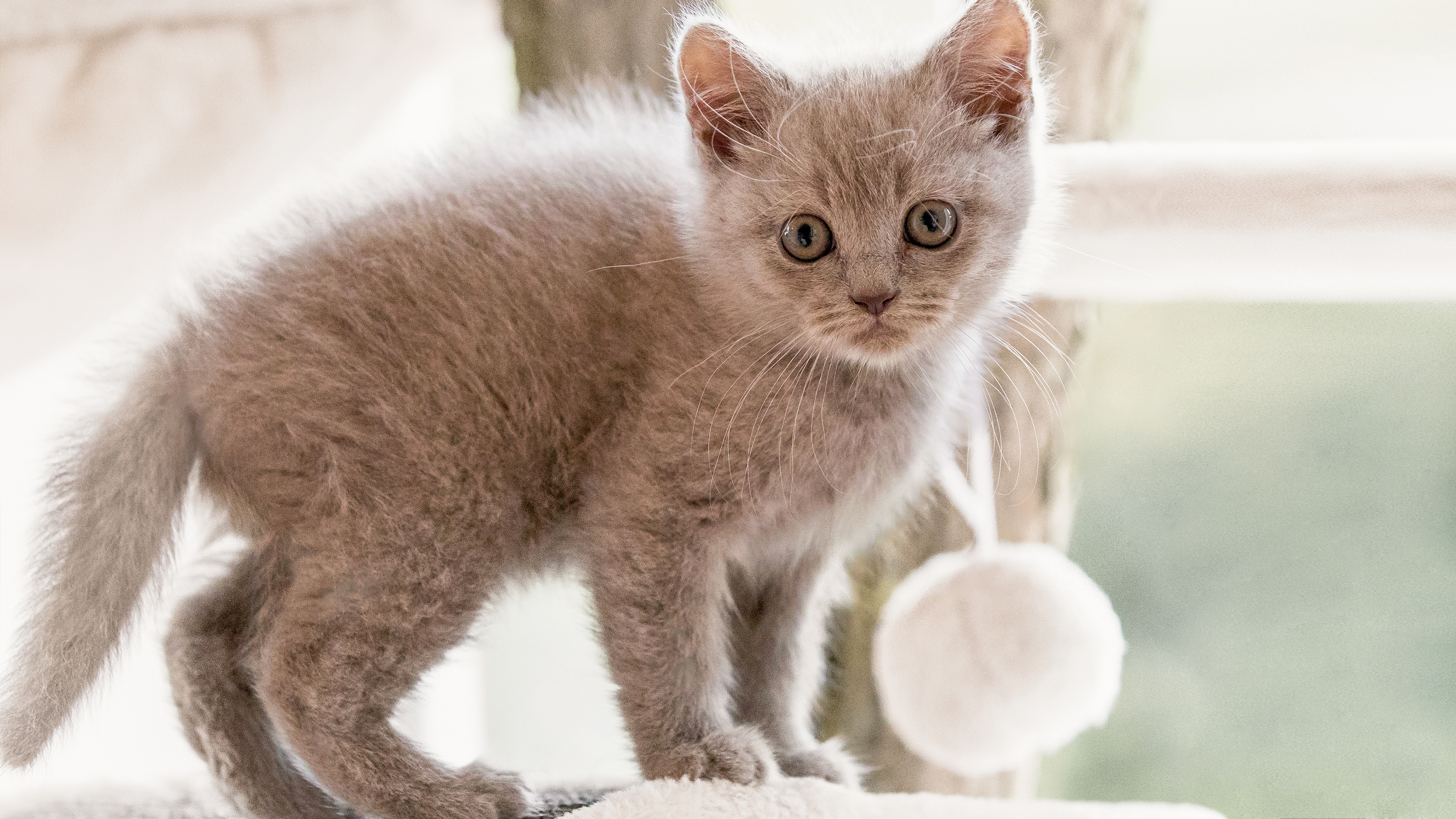
Making mealtimes active
Cats hunt in the wild, and you can easily replicate this at home by choosing games and toys which release small amounts of food when your kitten carries out a required action. This makes your kitten more active during mealtimes and offers both mental and physical stimulation. Alternatively, you can hide their food and encourage them to track it down.
Signs that your kitten needs more exercise
If you’re wondering whether your kitten needs more exercise here are a few of the tell-tale signs to look out for:
Excessive weight gain
Destructive or aggressive behaviour
Lethargy
Disinterest in toys and games