Kitten Neutering: Should I neuter my male cat?
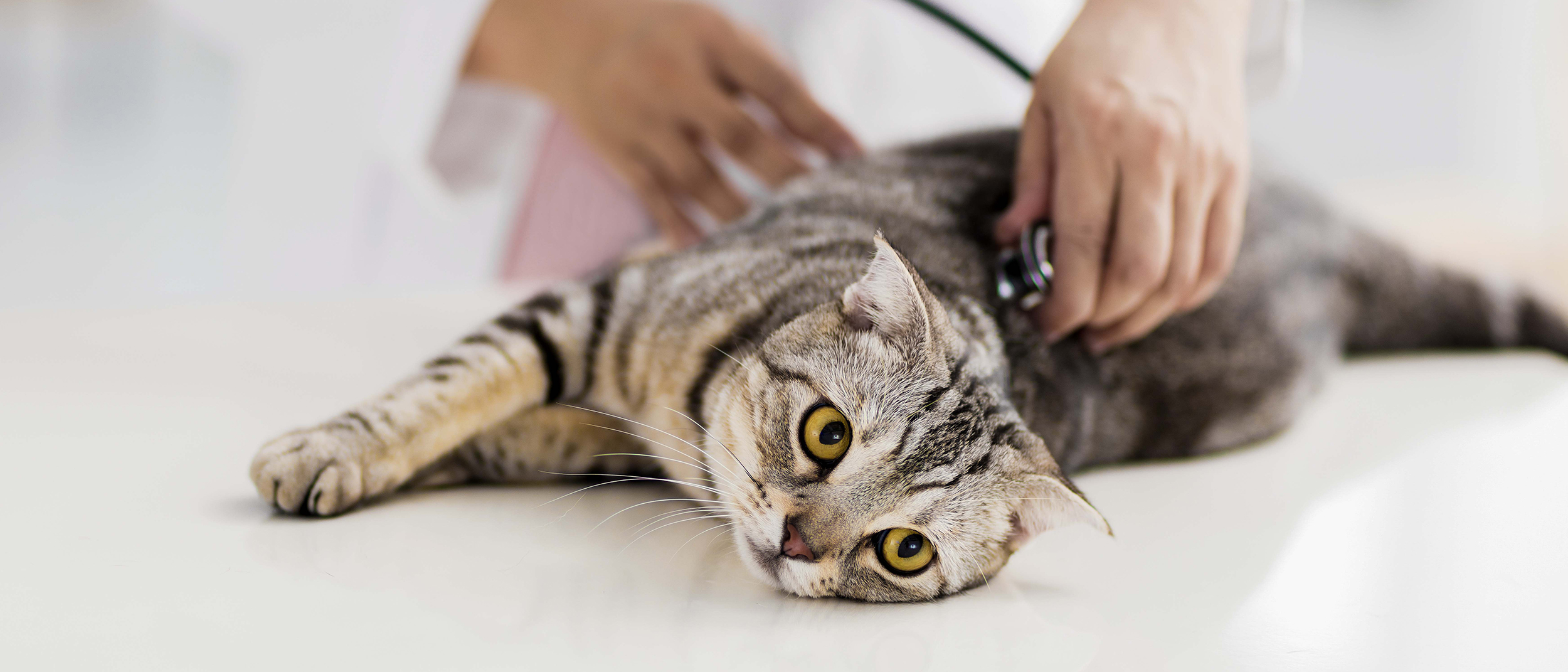
Having your male kitten neutered is a common procedure with plenty of benefits for your cat and your home. However, it’s not a decision to be made quickly, especially if you’re interested in having a litter of kittens in the future.
What is Kitten Neutering?
Neutering is the term used for the sterilisation of male cats. In female cats, the procedure is known as spaying, although kitten neutering is sometimes used more generally to describe the sterilisation of both male and female cats.
How does neutering work?
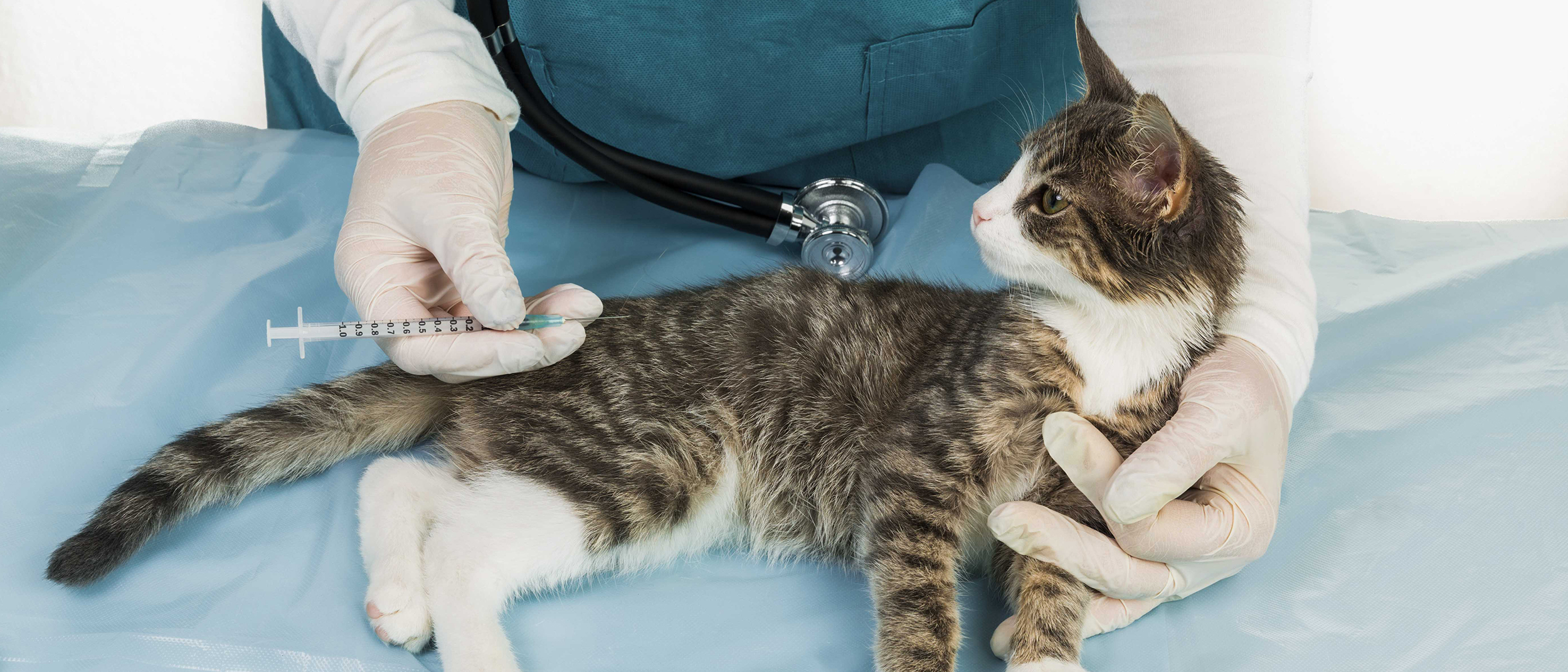
It works by eliminating sex hormones in your cat. For male cats, their testicles are removed so they will no longer produce sperm which can fertilise the egg of a female cat, and therefore they are no longer able to reproduce. The operation is performed by a veterinarian.
When’s the Best Time to have my Male Kitten Neutered?
Ideally, male kitten neutering should be carried out around puberty, which in male cats is typically between six to 12 of age. Male cats tend to reach sexual maturity, and therefore begin looking for a mate, between seven and 12 months old. Neutering can be done successfully from as young as three months. Your vet will be able to advise you on the best time for your kitten.
Why should I Get my Male Kitten Neutered?
The central benefit to having your kitten neutered is that it removes the possibility of having unwanted litters, which can be difficult to manage and send on to a good home. It also reduces the likelihood of your cat contracting or spreading an STI, as their desire to mate is reduced. Their desire to fight is similarly reduced, which may bring with it the benefit of a quieter and more peaceful home environment.
How will my kitten’s diet change?
After kitten neutering, your kitten’s nutritional needs may change, making appropriate nutrition important to support their health and wellbeing. Its energy requirements go down by about 30%, but its appetite will increase by approximately 20-25%. As your kitten is still growing and needs energy to develop healthy muscles and body mass, it’s important to give it a food which covers its adjusted nutritional requirements. A food designed for sterilised cats may be a good option. Consult with your veterinarian for a nutritional recommendation.
What other complications can there be with neutering?
Male cats are at a high risk of becoming obese after they’ve been neutered, and this can lead to further, long-term health problems. This can include joint disease, diabetes, and urinary problems. If you decide to have your kitten neutered, keep a close eye on their calorie intake and engage them with playful activities to help manage their weight.
Male kitten neutering can offer benefits for your cat and your home environment. For more information, speak to your vet, who can help you determine whether neutering is suitable for your cat.
Related Articles

Like & share this page