Urinary incontinence in dogs
Incontinence – or urinary leakage in dogs – is not uncommon for our older canine companions and can be caused by a variety of factors. Discover the best ways to manage it, alongside possible incontinence treatment for dogs.
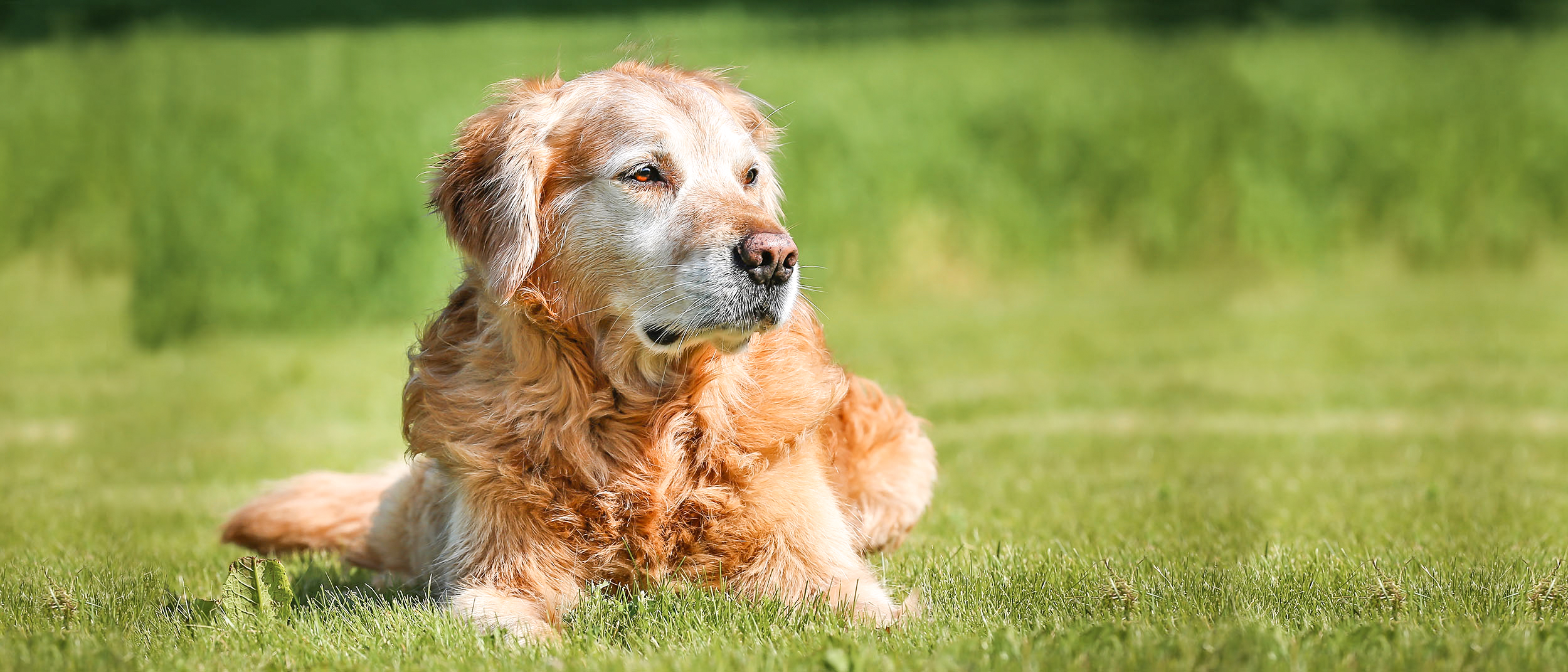
Moving into the later chapters of life can bring significant changes for dogs, and a common one is the onset of canine incontinence. While incontinence in older dogs can be frustrating, understanding the causes and working with your veterinarian to find proactive solutions will help you to navigate the issue with the care and compassion your devoted companion deserves.
If your older dog becomes incontinent, their urination frequency changes; they might not recognize when they are urinating; and they may leave trails of urine on the floor or pools of urine in spots where they rest.
If you see any of these signs, remember: your dog isn’t doing it on purpose, so there’s no need to tell them off. It’s simply that there’s been a change in your pet’s bodily functions.
Urinary incontinence shouldn’t be painful, but painful conditions such as UTIs and arthritis can contribute.
Incontinence can be a challenging condition for dogs and their owners to deal with. As a veterinarian, I commonly see owners who feel guilty for struggling to cope with their dog’s incontinence, but this isn’t something you should feel ashamed about.
What causes canine incontinence?
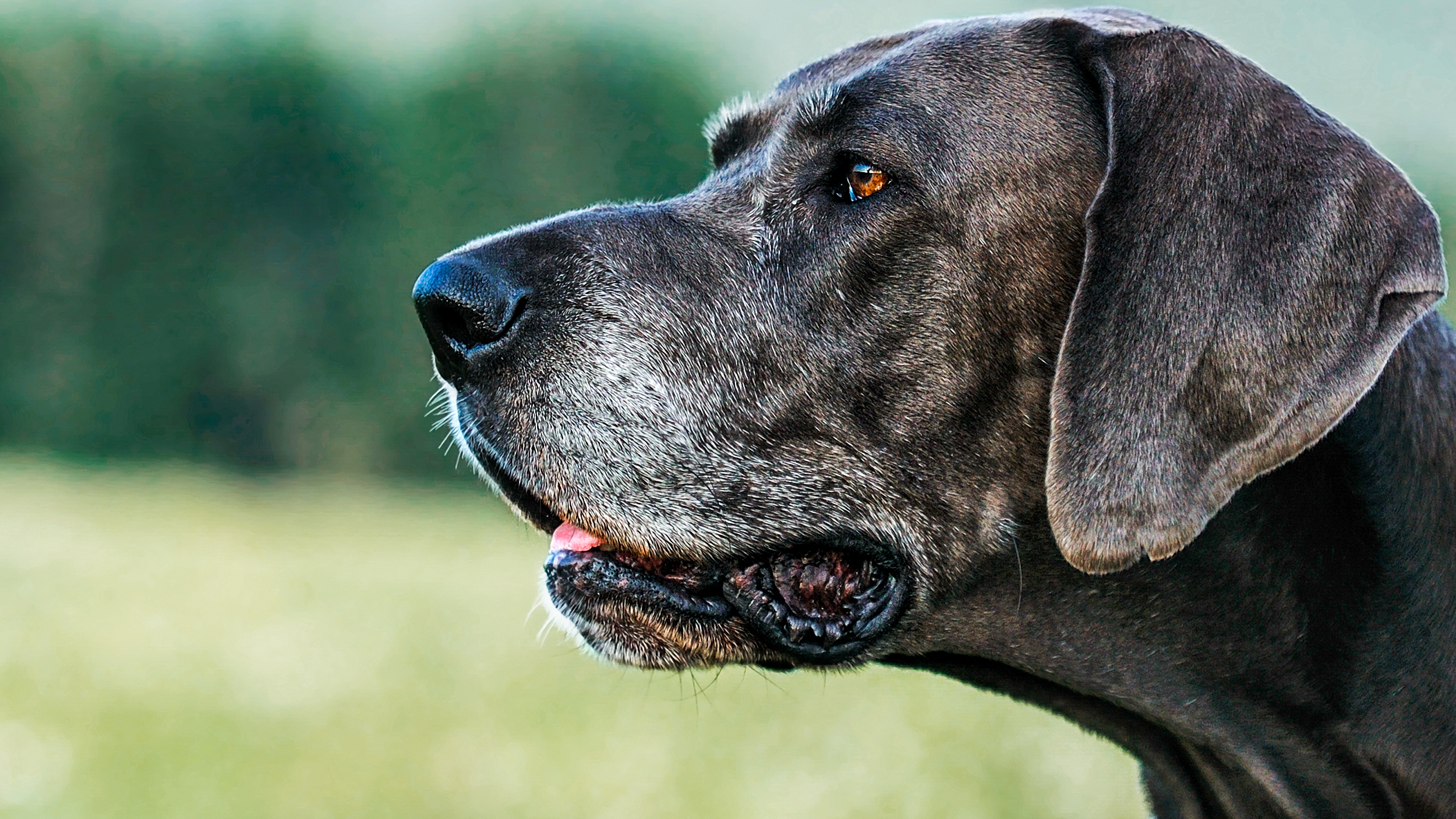
Just as with humans, as your dog’s body ages it can become less effective at certain jobs. The muscles weaken, and nerve control over different parts of the body can decrease. Simply put, ageing is one of the major dog incontinence causes – resulting in a lack of control over the muscles around the urinary system.
Get ahead of any potential canine incontinence problems by knowing if your dog may be more at risk than others.
Female dog incontinence
Dog bladder control issues are much more common in females than in males. Some larger breeds also have a predisposition to this condition. This includes Boxers, Dobermans, Weimaraners, Bearded and Rough Collies, and German Shepherds.
Incontinence in spayed female dogs is also more likely than in unspayed females, with 30% of spayed female dogs weighing over 45 pounds acquiring the condition1. Obesity may also increase the risk of dog incontinence – again, particularly for neutered females – highlighting how much you can do for your dog’s health by keeping them at their ideal weight.
Health issues and dog incontinence
Underlying health issues can also cause dog incontinence to appear, or they can make it worse. These include urinary tract infections, bladder stones (urolithiasis), and conditions that cause dogs to drink and urinate more, such as diabetes mellitus and kidney disease.
Although these conditions don’t directly cause incontinence, they can trigger symptoms in dogs with underlying bladder-control issues that were previously too mild to notice.
Incontinence treatment for dogs
As always, keep your eyes open for any changes in your dog’s urination habits. If you spot any, it’s important to take your pet to the veterinarian as soon as possible to rule out underlying health problems and discuss how it can be treated.
Depending on the cause of their incontinence, your veterinarian could suggest a few different ways to ease your dog’s symptoms:
- If the issue is urinary muscle weakness, your veterinarian may prescribe certain dog incontinence medications. These can help to improve the communication between your dog’s nerves and bladder muscles, giving them more control of their urination. They are effective in around 75%-90% of cases2
- If your dog has an underlying problem contributing to their incontinence, your veterinarian may suggest treatment ranging from surgery to remove any stones to antibiotics for infections. They may also recommend a diet that can help to maintain good urinary health.
- If there is a more systemic medical issue causing your dog’s incontinence, your veterinarian may suggest focusing on this first. Sometimes, incontinence can be resolved if the underlying issue is treated. For example, controlling diabetes can reduce how much urine your dog produces, which may stop them showing signs of incontinence. If it doesn’t get better, your veterinarian can discuss additional treatments.
Don’t be too frustrated if your dog shows signs of urination-control issues. Whether the cause is an infection, an underlying health issue, or simply age-related muscle weakness, your veterinarian can advise you on the best course of action. With the right treatment, dogs with urinary incontinence can continue to live a comfortable and healthy life.
Aids such as puppy pads for beds and soothing balms for sore skin can help to make incontinence easier to manage.
- Byron JK. Canine Urinary Incontinence. DVM 360. 2018;3. https://www.dvm360.com/view/canine-urinary-incontinence O’Neill, D.G., Riddell, A., Church, D.B., Owen, L., Brodbelt, D.C. and Hall, J.L. (2017), Urinary Incontinence in Bitches Under Primary Veterinary Care in England: Prevalence and Risk Factors. J Small Anim Pract, 58: 685-693. https://doi.org/10.1111/jsap.12731
- Byron J. Urethral Incompetence in Dogs: Updates in Management. Today’s Veterinary Practice. Published March 9, 2017. Accessed October 30, 2024. https://todaysveterinarypractice.com/urology-renal-medicine/canine-urethral-incontinence/
Like & share this page