Everything you need to know about puppy chewing
Chewing is a natural instinct for your puppy but learning more about how much chewing is normal, and why puppies have this instinct, will help you guide your pet through the puppy chewing phase.
Article
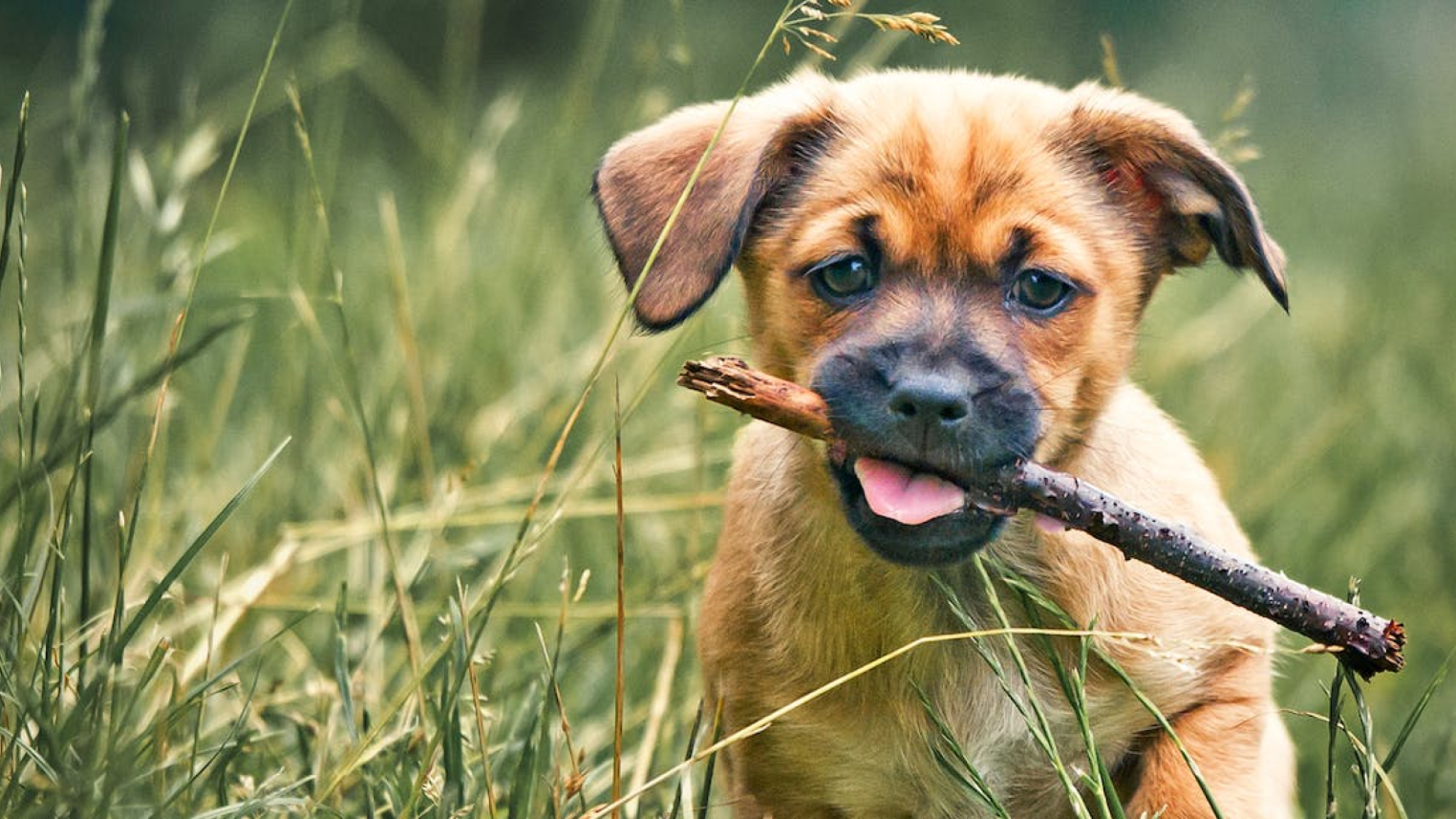
Understanding puppy behaviour: why do puppies chew?
Chewing and biting objects are part of normal behaviour for puppies as they develop and grow. All growing dogs go through the puppy chewing phase, which is at its most intense as their adult teeth come through.
As a responsible owner, understanding your puppy’s habits is important. Learning more about why they chew will allow you to distinguish normal levels of chewing from behaviour that goes beyond that—and to put in place puppy chewing solutions to ensure your dog gently learns not to bite the people, animals and objects around them.
Five facts to remember about puppy chewing
- Puppies learn about the world by putting things in their mouth
- Young dogs chew to relieve the pain of puppy teething
- Chewing is part of playing, and therefore important for puppies’ development
- Puppies chew instinctively as the movement strengthens their jaws
- Chewing and biting help puppies learn social codes: how their mothers, littermates or human owners react to a nip or bite helps puppies learn to be gentle
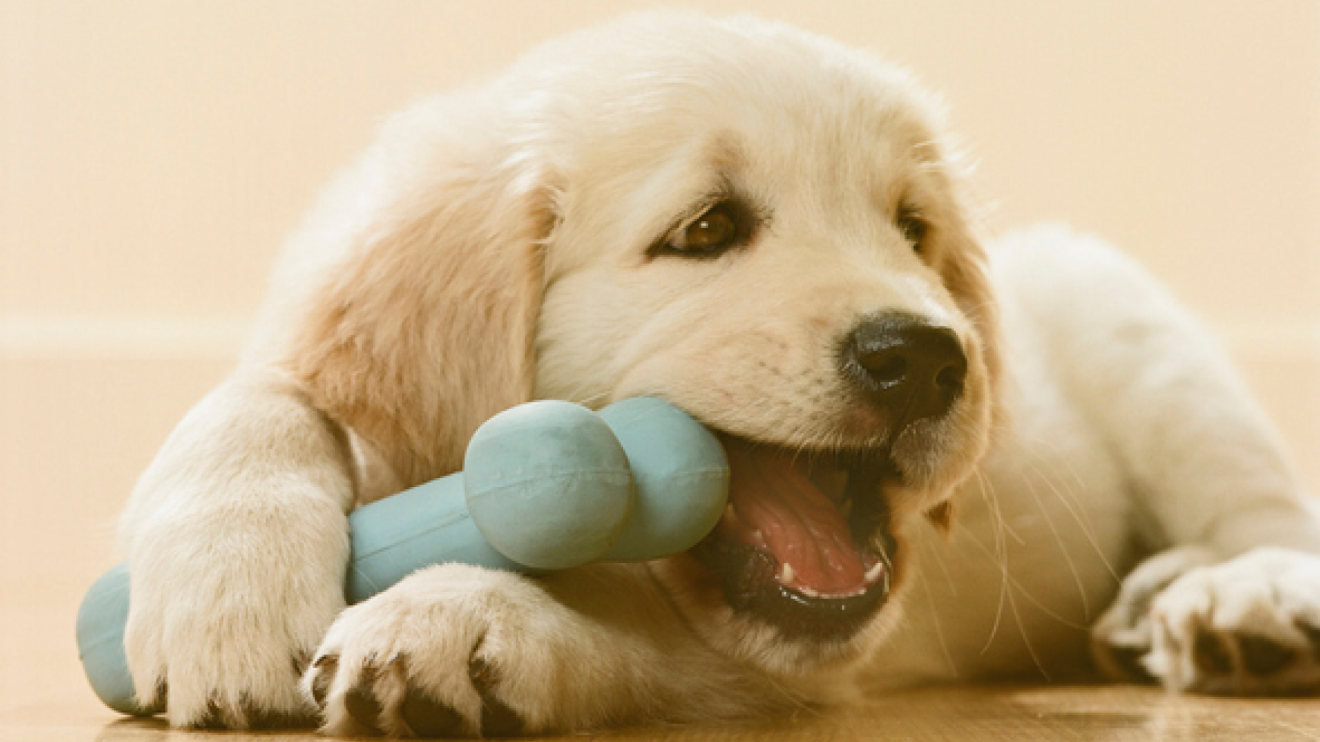
Puppy destructive chewing: when does it become a problem?
‘What age does a puppy stop chewing?’ may be a question that pops regularly into your mind as you go through the puppy chewing phase.
While there is no fixed puppy chewing age (it depends on the individual dog), the good news is that the most intense chewing usually correlates with your dog’s teething age. That usually begins at around four months and lasts until six or seven months, depending on your dog’s breed and size, of course.
How to know if it’s normal chewing or destructive puppy behaviour?
While there’s no precise answer, it’s partly a question of timing. Once their adult teeth are in place, puppies’ most intense chewing behaviour should start to tail off. However, your dog is likely to keep mouthing and biting objects as they grow, play and seek to understand the world around them.
This so-called ‘adolescent chewing’ phase may continue until your puppy is around a year old.
Sometimes normal chewing and mouthing can tip over into a puppy chewing problem. Understanding puppy behaviour in general, and your own puppy in particular, is essential as a pet owner.
If your puppy keeps on chewing excessively, long after their adult teeth have come through, their behaviour may be trying to communicate an important message to you.
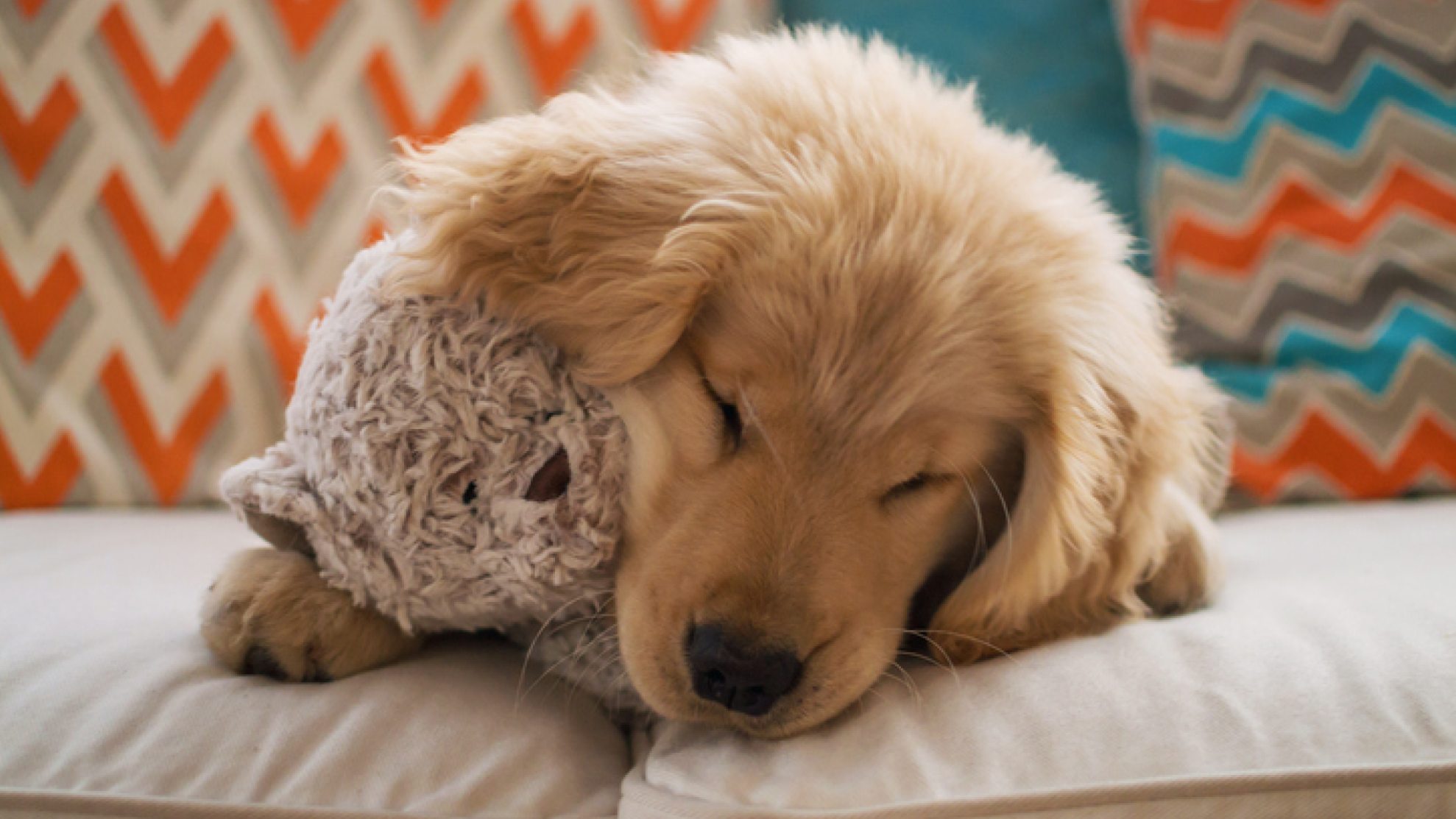
How to puppy proof your home
While some chewing is normal, and your goal should not be eliminating this behaviour, your puppy needs to learn to live in harmony with their humans and any other pets.
That’s a gradual process, for you and your puppy, but the right environment will make the process much smoother.
Think about how to puppy proof your home to make it easier for everyone in the meantime.
Toys, toys, toys
Your puppy needs to chew, so make sure they have plenty of the toys they need to do so. They can range from puppy teething rings to rope toys or an old pair of socks secured in a ball, as long as they are safe and appropriate for a puppy. If your puppy always seems to destroy a particular type of toy, be sure to replace it with alternatives that remain intact, to reduce the risk of your pet swallowing parts of the toy.
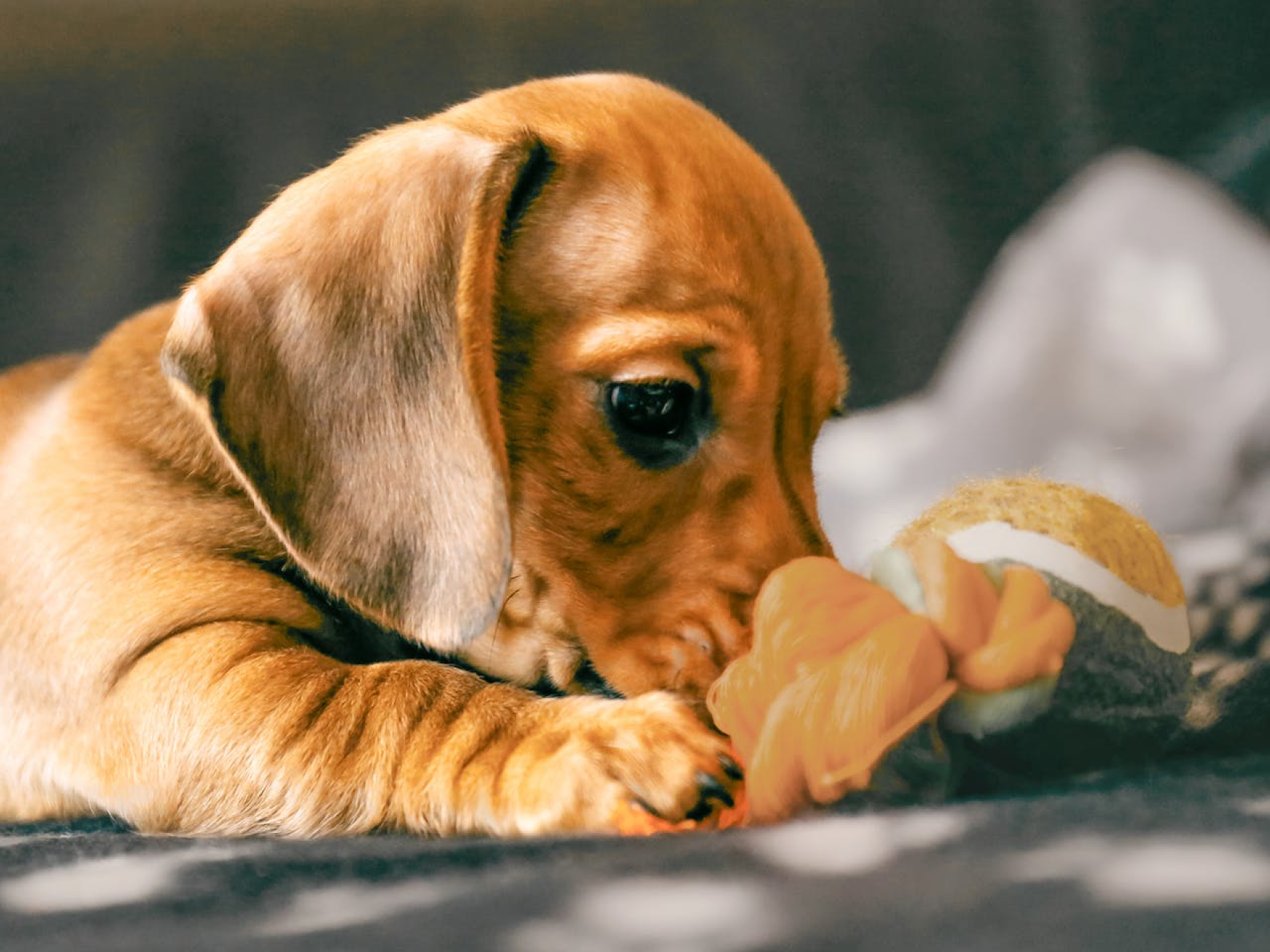
Remove temptation
Tidy away and secure anything dangerous to your dog or precious to you, especially if it’s at puppy height.

Close doors
Shut off rooms that are not in use, and don’t let your puppy have free run of the place without you.
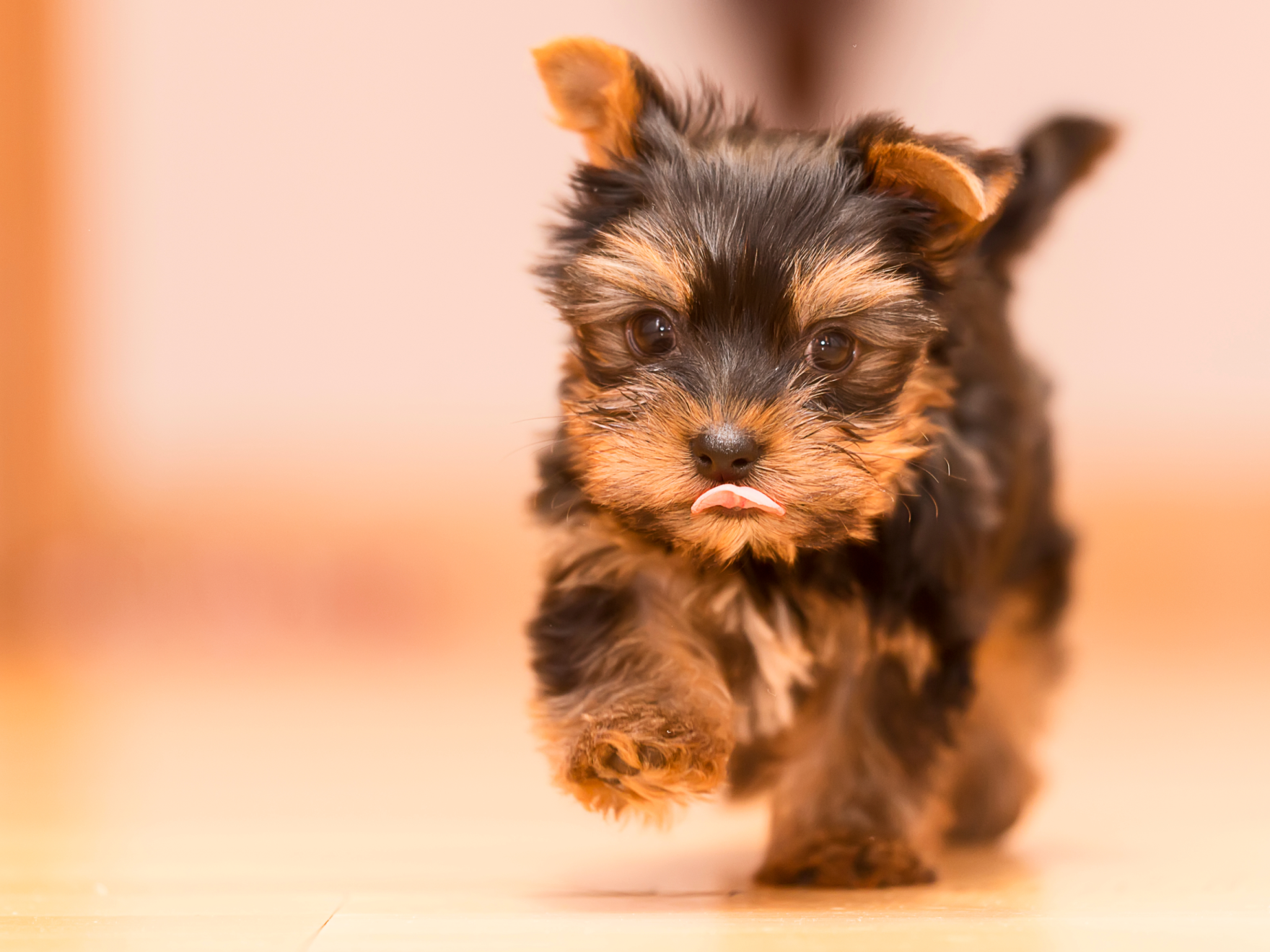
Create a pup space
Make sure your puppy has a safe area just for them, for quiet time or moments when you can’t supervise them. You can use puppy gates or a puppy crate to make this space. There should be nothing chewable inside, except safe toys for puppies.

Keep it tidy
Help your pup distinguish between chew toys for puppies, children’s toys and household items by always keeping their puppy toys in one dedicated area.
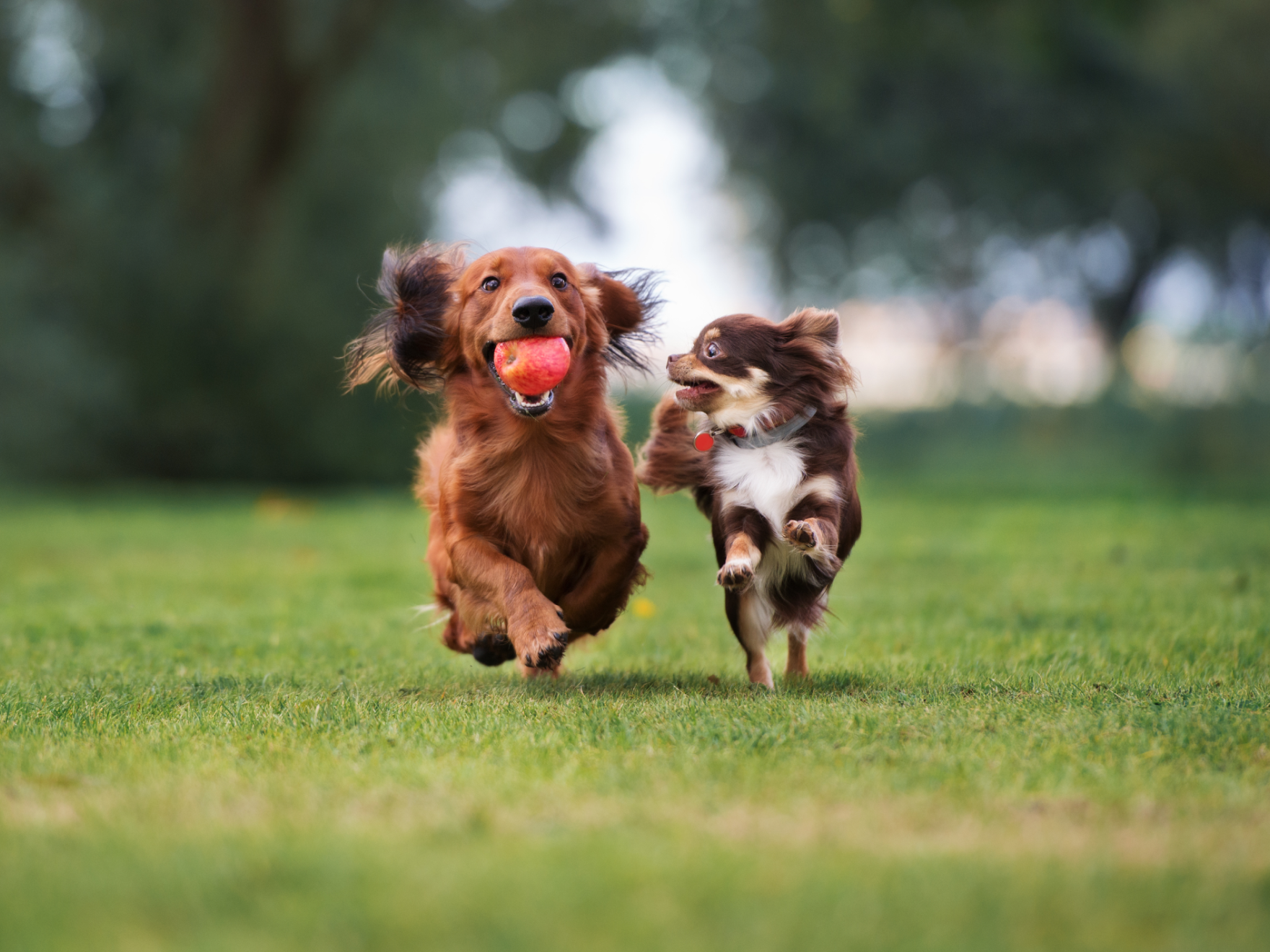
Separate children’s toys
If there are children in the household, make sure they keep their toys somewhere puppy-proof. Baby toys often resemble puppy teething toys.
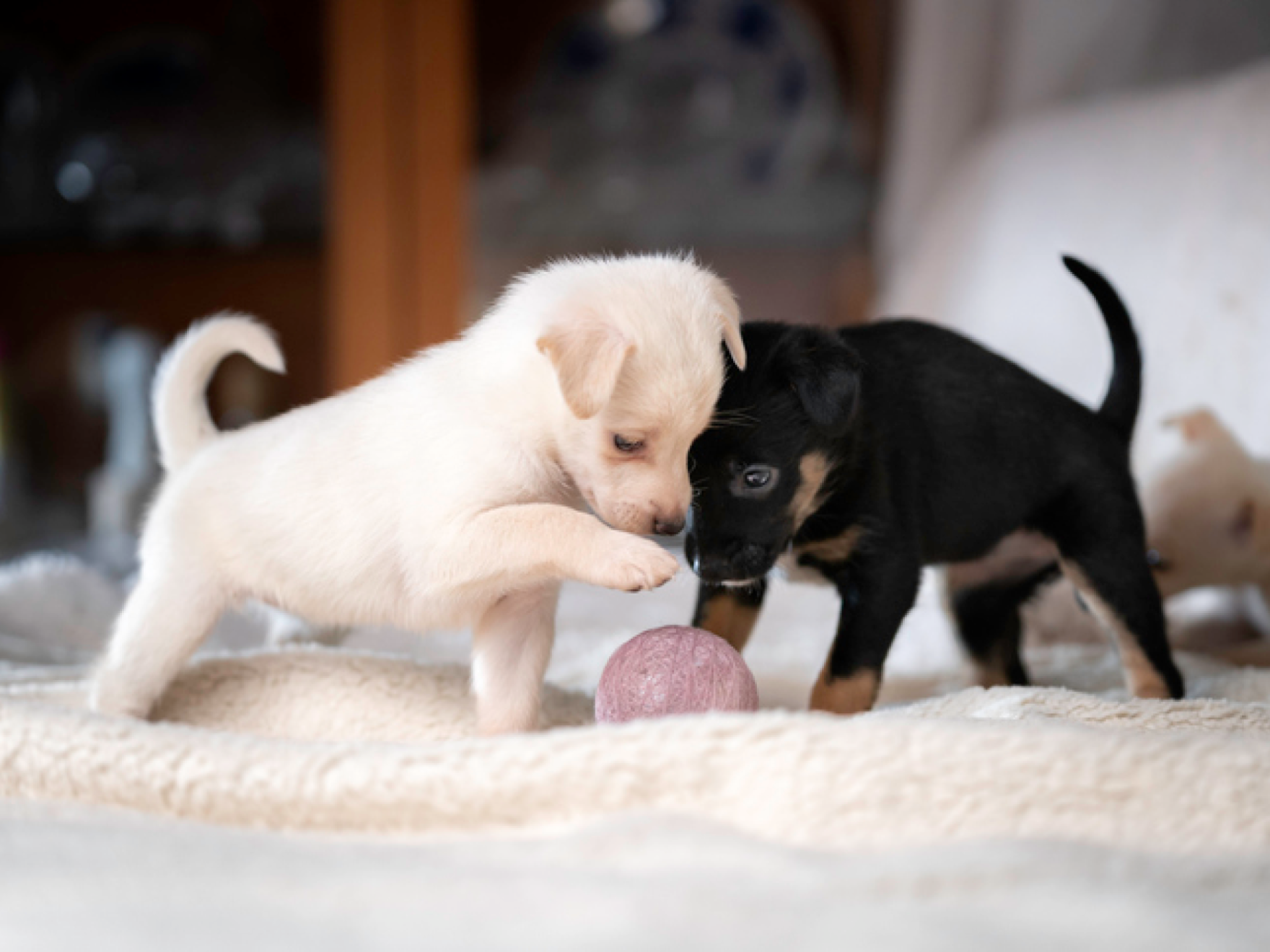
Check with your vet
If you’re thinking of using a bitter spray to discourage your pet from chewing forbidden items, make sure you choose one that really is safe for pets, checking with your vet in case of any doubts. You can also ask their advice on your puppy’s chewing behaviour.

How to stop puppy chewing … or at least learn to manage it
It’s probably not possible—and certainly not desirable—to stop your puppy chewing entirely. During the early months of your puppy’s life, this instinctive behaviour helps them learn about their surroundings, ease their teething pain and develop their muscles.
Once the puppy teething age is past, if your pet is still chewing a lot, destroying their toys or your household objects or furniture, their biting and mouthing behaviour may have become a habit and your dog will need your help to break it.
Excessive chewing past the puppy teething phase could also be a sign of puppy boredom or separation anxiety. You know your puppy best: listen to your instincts if they are telling you that your puppy’s destructive behaviour might be due to more than just habit. And don’t hesitate to ask your vet for advice.
If you think your puppy has just picked up an undesirable habit and are wondering how to get your puppy to stop chewing on things, be assured that there are steps you can take.
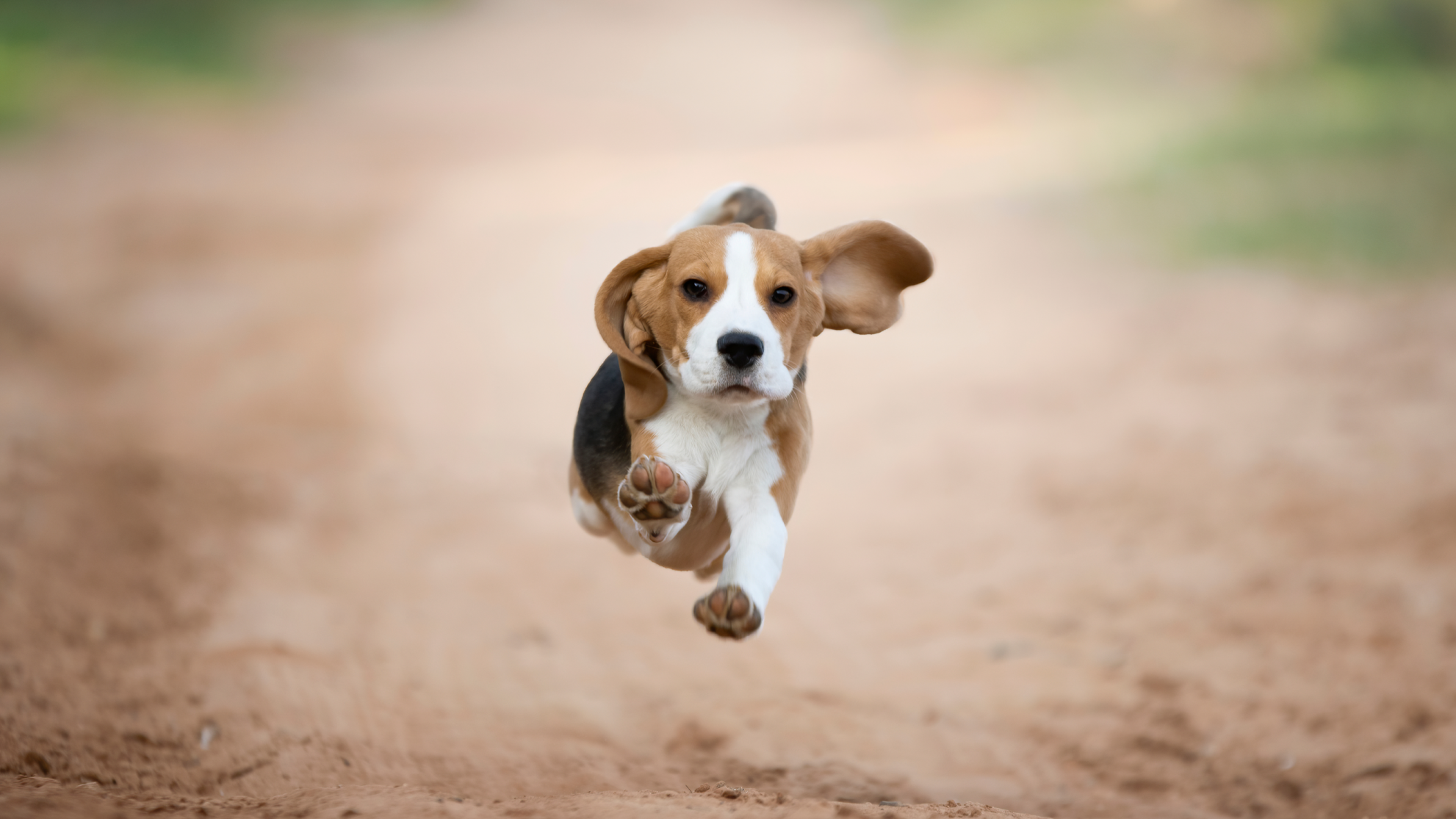
Try these puppy chewing tips
Focus on training
If your puppy is chewing too much, it could be a sign that they are bored. Puppy obedience training is a great way to gently instil good behavioural habits for your pet as well as providing them with the mental stimulation they need.
Distract and divert
If your puppy is chewing on something they shouldn’t, calmly remove the off-limits object and divert their attention elsewhere, with an appropriate chew toy or a game of fetch. Keep repeating this process: getting your attention each time they comply with a request will help your pup learn good habits.
Channel your puppy’s energy
Your puppy needs exercise as well as mental stimulation. It’s hard to overstate the importance of regular walks, games of fetch, off-lead time including interesting smells to sniff and chances to play with other dogs. Puppy exercise is vital, as is socialisation (and the two often go together).
Making sure your puppy meets plenty of people and other animals in their early months will go a long way to fulfilling their need for mental stimulation. A bored dog is likely to chew forbidden objects out of frustration.
Help your puppy understand
If your puppy mouths or bites you too roughly, remove your hand and say ‘ouch’! Stop the game for a few moments and ignore them for a brief time-out. Once you’re ready to play again, offer your puppy a toy to play with.
Think positive reinforcement for puppies
Your reaction to your puppy’s chewing will be vital as you help them learn good habits. Shouting at your puppy, let alone hitting them (which is never okay), won’t achieve anything. Learning how to praise a puppy—not to mention developing simple puppy commands that they can easily follow—will be important as you guide them through socialisation and training.
Start good habits early
If you let your puppy nip at your hands as much as they want when they’re tiny because it’s funny and cute and their tiny teeth don’t really hurt you, it will be harder to break that habit as they grow and nipping and biting become more problematic.
Play time
Make sure your puppy has plenty of toys and above all, plenty of time to play with you. Chewing is (among other things) play for puppies so if you want them to chew less, you’ll need to make sure they’re getting enough play and stimulation elsewhere.
Ask for help if you need it
Regular veterinary check-ups are essential for your puppy’s overall health and well-being. If you’re concerned about excessive puppy chewing, don’t hesitate to ask your vet for expert advice that will be tailored to your pet during one of these visits.
Once you’ve protected your home and possessions and armed yourself with plenty of information, you’ll be well on your way to understanding your puppy’s chewing phase. This should help you support your dog as they learn to manage their biting throughout the gradual transition into adulthood.
Related Articles

Like & share this page