What to do if your kitten has diarrhea
Article
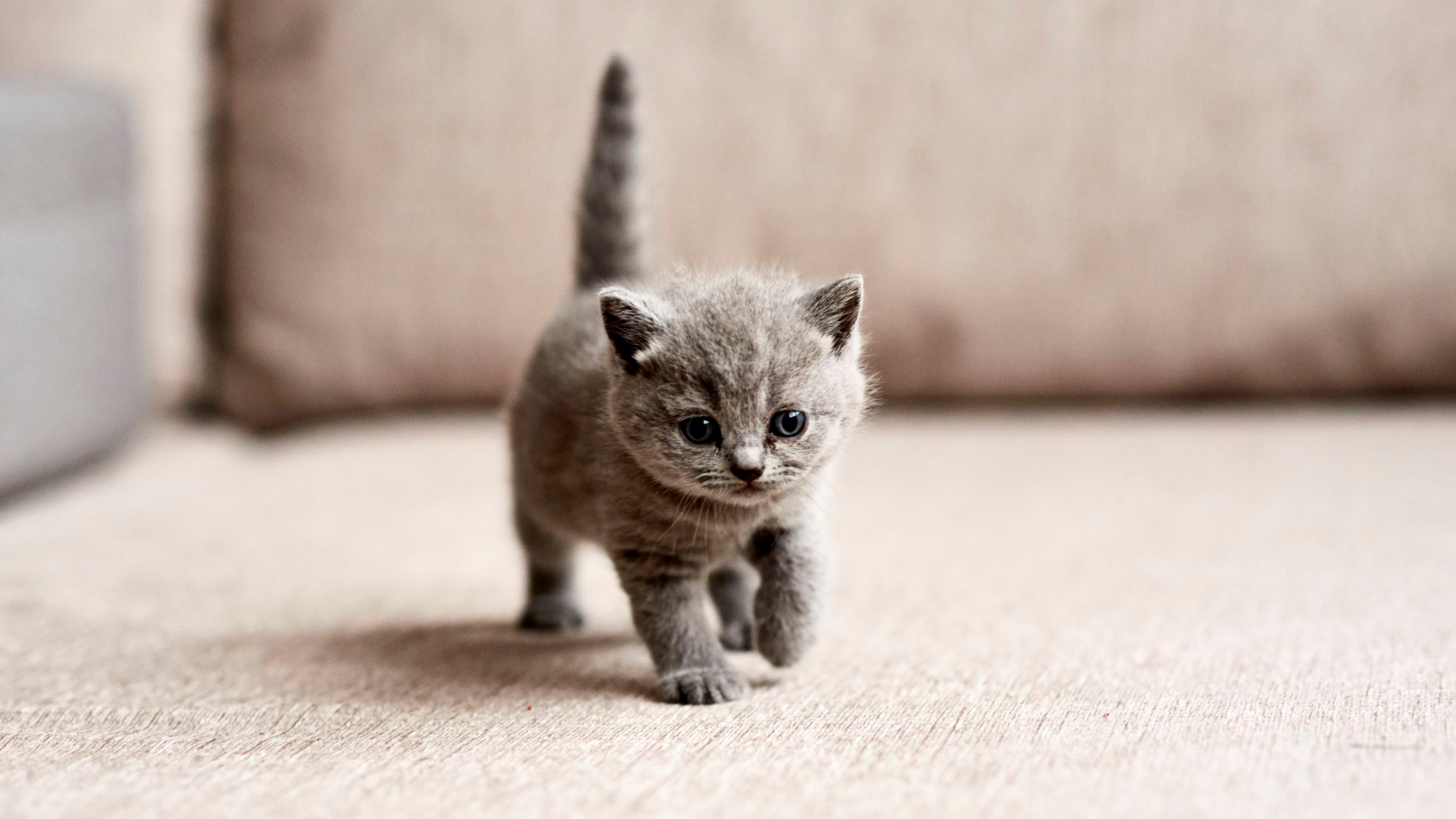
What causes diarrhea in kittens?
Diarrhea is a non-specific clinical sign of digestive, and sometimes emotional issues.
Diarrhea in kittens is not uncommon and can be caused by a range of factors such as:
- Stress
- Dietary changes
- Underlying health conditions
- Infectious diseases (viruses, parasites or intestinal worms)
When your kitten is experiencing diarrhea, it could be an indication of a more serious underlying problem like gastrointestinal infection, parasites or dietary intolerance. When experiencing diarrhea, your kitten might have loose stools, soft stools, watery, or even bloody stools. If you see blood in your kitten’s stool, it’s important to contact your veterinarian immediately.
Your veterinarian may recommend diagnostic tests such as fecal examinations or blood work to identify the root cause of the problem. These tests provide insights into your kitten's health and guide the appropriate treatment.
What can diarrhea color tell you?
The color of diarrhea in kittens can help suspect certain causes, even if it does not allow to reach a definitive diagnosis. Although this can serve as a useful reference tool, it is important to note that it is only a general guide and not a definitive diagnostic tool.
Each kitten is unique, and accurate diagnosis requires a veterinarian's expertise. If you notice any changes in stool color, consistency, frequency, or other symptoms of illness in your kitten, it is always best to seek professional veterinary advice promptly.
Here’s what the following colors may indicate:
Yellow diarrhea in kittens can be caused by various factors, including sudden dietary changes. Yellow diarrhea often makes veterinarians consider maldigestion - the impaired digestion of nutrients in the intestine. Kittens have sensitive digestive systems, and sudden alterations can disrupt the balance of their intestinal flora.
Certain intestinal parasites such as giardia or coccidia can also cause yellow diarrhea in kittens. Also, bacterial infections such as salmonella or E. coli may give diarrhea a yellow color.
Black diarrhea in kittens, known as melena, can indicate a severe underlying health issue. Melena is often a result of bleeding in the upper digestive tract, such as the stomach or small intestine. The bleeding can be caused by ulcers, ingestion of foreign objects, or gastrointestinal erosions. If your kitten has black poop, contact your veterinarian immediately.
It is rare for kittens to have white diarrhea, but the issue usually stems from a problem with the liver or gallbladder due to less bile production. If your kitten’s stool is white, make sure to contact a veterinarian.
• Internal parasites
• Intestinal blockage
• Inflammatory bowel disease (IBS)
• Bacterial infections (Campylobacter, Clostridium)
Common ways to treat kitten diarrhea?
The treatment for kitten diarrhea depends on the underlying cause and severity of the condition.
The first thing to do when you notice your kitten has diarrhea is to evaluate fecal consistency - are the stools just a little bit soft, or are they runny and liquid? Use our fecal scoring chart for cats to better understand the consistency.
Also, look at the other symptoms your kitten may be experiencing, such as vomiting, loss of appetite, lethargy, or dehydration.
Understanding your kitten's health will help you determine the best course of action.
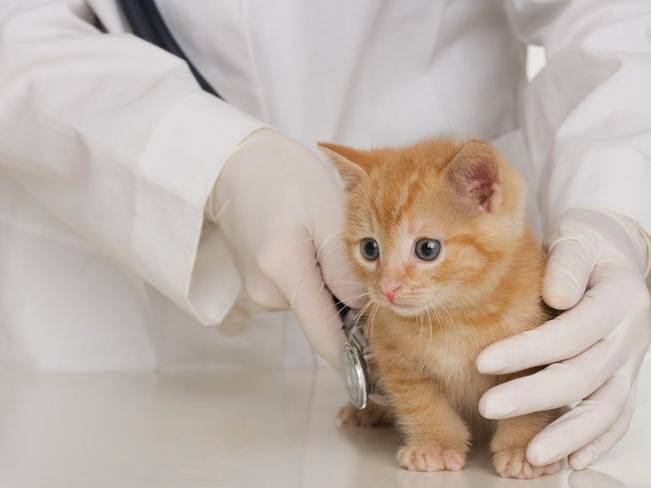
Consulting your veterinarian
Your veterinarian will be able to provide professional guidance based on their situation.
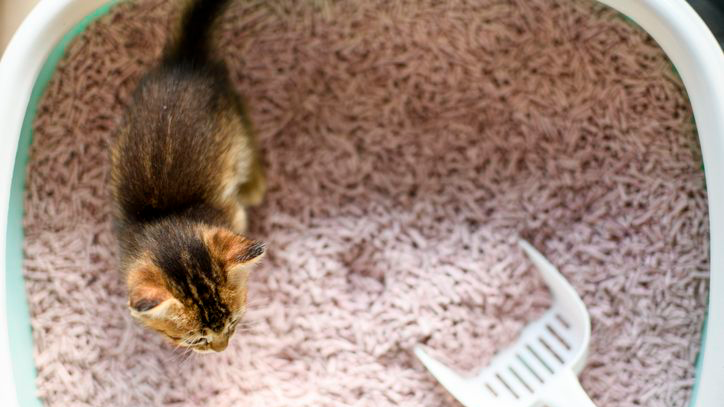
What are the next steps post-diarrhea?
Once your kitten’s stools have returned to a normal consistency, you can take some simple preventative measures to help reduce the chances of your kitten experiencing diarrhea in the future.
• Gradually transition your kitten to new foods to give their digestive system time to adjust.
• Ensure they receive a balanced, high-quality diet suitable for their age and breed.
• Keep up to date with their deworming regimen.
• Make sure their living environment is kept clean and free from potential toxins.
• Provide regular veterinary check-ups to catch any underlying health issues early on.
Does your kitten have loose or runny stools? Diarrhea in kittens is an issue many owners face, but it doesn’t have to be as messy as it looks. You can help your kitten on the path back to good health by following a few simple steps.
Related articles
Common cat digestive problems
Kitten illness symptom checker
Like & share this page