Understanding Hot Spots vs. Ringworm in Dogs
Article
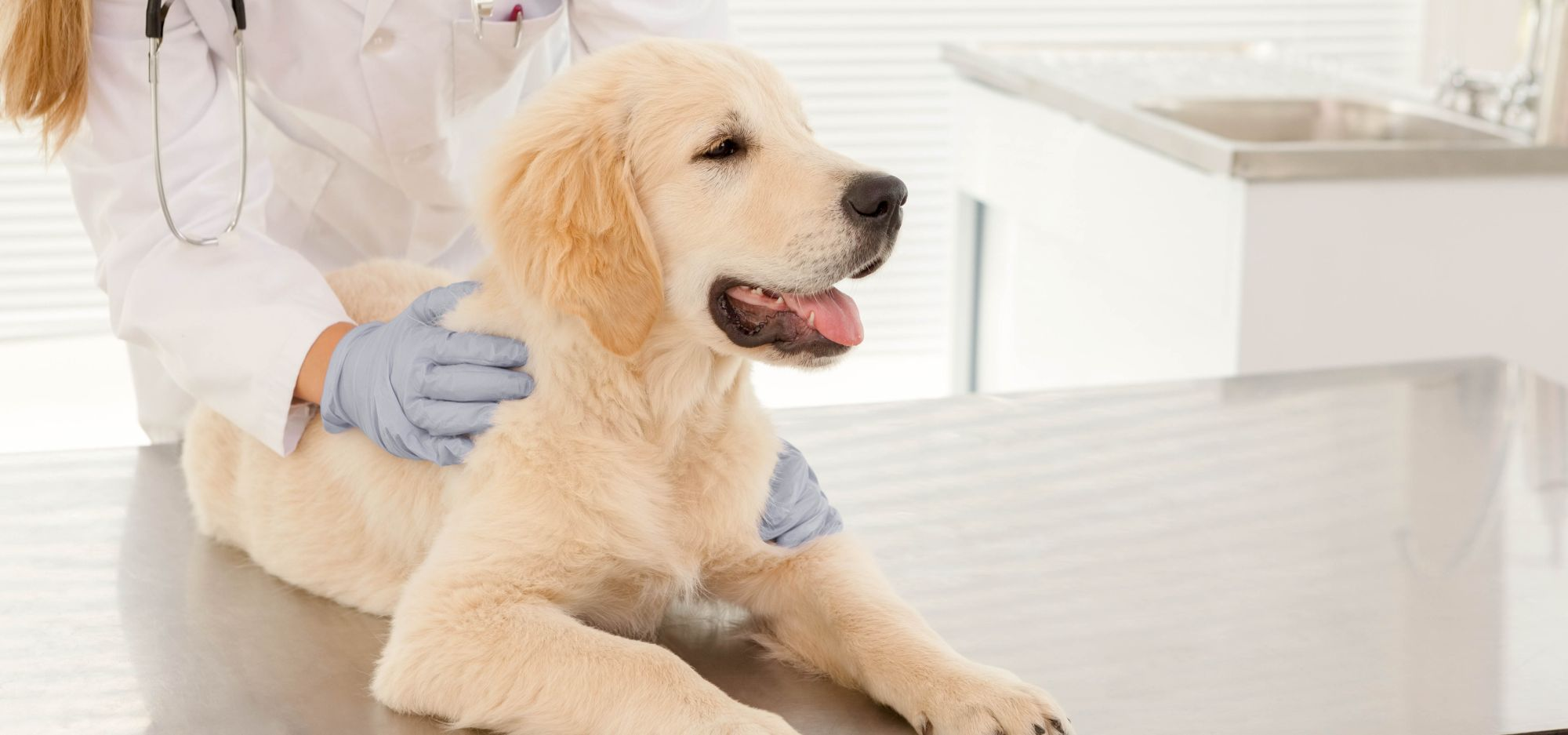
Depending on your dog's breed, age, and a number of genetic factors, you may find they are prone to skin conditions. You can support your dog’s recovery, as well as prevent future problems, in a number of simple ways.
What’s important about your dog’s skin?
A dog’s skin acts as a barrier between their organs, muscles, and skeleton and their environment. It’s the largest organ in their body and, including their hair, makes up around 12% of their entire body weight. It offers vital protection against parasites, stores fat, water, and vitamins, and houses sensitive nerve endings.The skin is a barrier that prevents water loss, reducing the chance of dehydration and helps regulate their body temperature. A dog’s skin also secretes sebum, an oil-like substance that creates a biofilm over the surface of the skin. This film protects against external threats by managing the balance of "good" and "bad" bacteria, and helps prevent bacteria from multiplying. It also maintains the pH balance of your dog’s skin to help prevent irritation from environmental changes.
In these ways, your dog’s skin is an important filter between their environment and their body, and needs to be looked after properly.
What are the signs of a skin condition in my dog?
Much like the signs of a skin condition in a human, your dog might suffer from dry, irritated, or red skin in certain areas. Their coat may appear dry or greasy, there may be some hair loss or you may notice they have dandruff. It’s likely that the first thing you’ll spot is your dog scratching itself more as it tries to relieve some of its discomfort.Particular breeds of dog have their own skin conditions. Dog breeds with folded skin, such as Pugs or Bulldogs, can suffer irritation as it’s easier for bacteria and yeast to get trapped in the folds of their skin. Medium-sized dogs who may spend lots of time outside or working are exposed to environmental pressures, which means their skin’s natural defenses need special support. German Shepherds, Dalmatians, Miniature Schnauzers, and Shih Tzus all have similarly sensitive skin, so it’s important to ask your veterinarian if there are any genetic predispositions to skin conditions you should know about.
Article references
1Ask your veterinarian how tailored nutrition may help address the underlying cause of skin problems, Royal Canin
2Sparkes AH, et al: A study of inapparent carriage of Microsporum canis by cats and the viability of arthrospores on isolated hairs. J Small Anim Pract 35:397-401, 1994.
3Moriello KA, Coyner K, Paterson S, Mignon B. Diagnosis and treatment of dermatophytosis in dogs and cats.: Clinical Consensus Guidelines of the World Association for Veterinary Dermatology. Vet Dermatol. 2017 Jun;28(3):266-e68.
4Holm BR, Rest JR, Seewald W. A prospective study of the clinical findings, treatment and histopathology of 44 cases of pyotraumatic dermatitis. Vet Dermatol. 2004 Dec;15(6):369-76.
Like & share this page