How can I help my dog lose weight?
Article
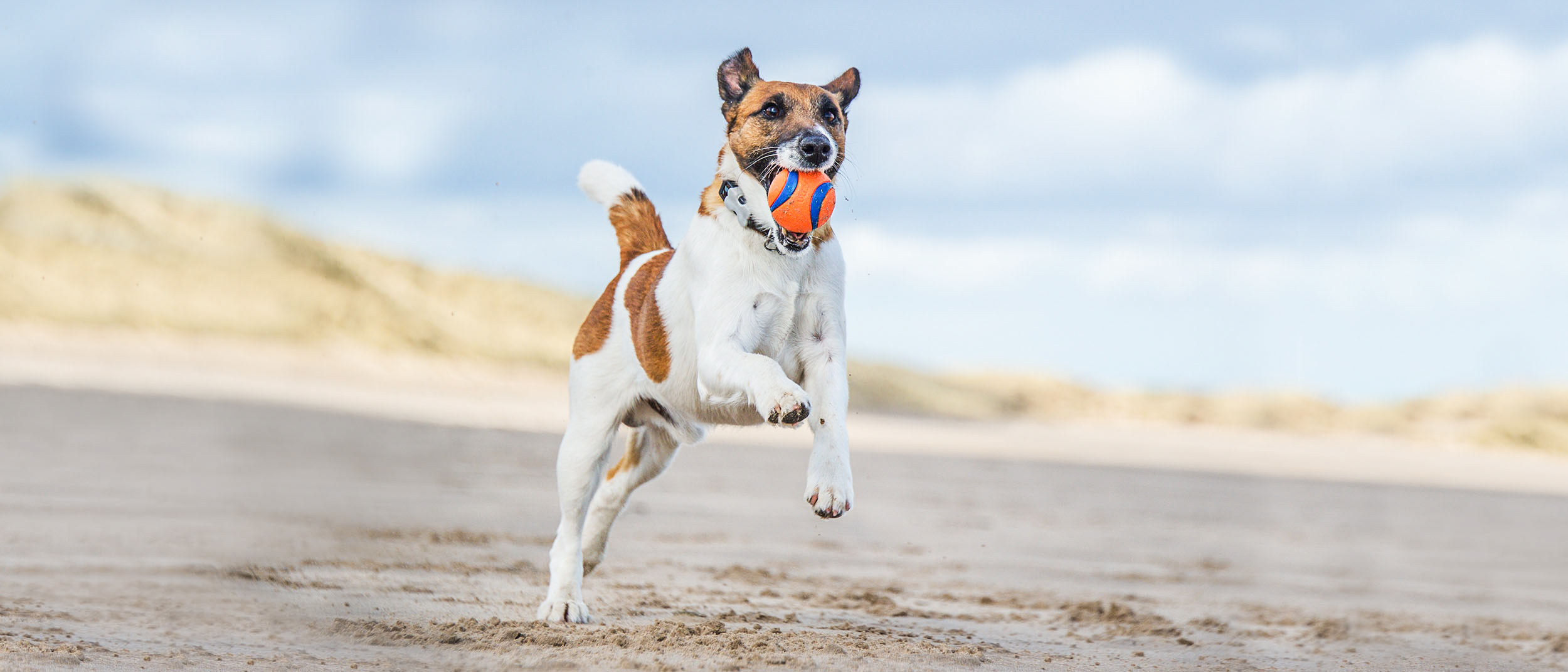
Obesity is a common problem among dogs; studies consistently show obesity occurs in at least 20% of the adult dog population in industrialized countries. However, by supporting your dog with the right food, exercise and feeding behavior, you can help them lose weight and return to a healthier lifestyle.
Obesity and your dog
If your dog has been gaining extra weight and is now at a point where your veterinarian has categorized them as obese, it’s important for you to recognize what this means for their overall health. Obesity is associated with a number of serious and complex conditions, including diabetes, cardio-respiratory issues, arthritis and reduced immunity support. Most importantly, it also affects their quality of life and can reduce their life span.
Your dog’s breed, genetic makeup, age, sex, lifestyle, activity level, diet and whether they have been neutered or not are all factors that can contribute to excess weight gain and the development of obesity. Recognizing your role in supporting your dog’s health is crucial; you have the opportunity to ensure their diet, exercise program and lifestyle will support them in becoming fit and healthy once again.
Establishing healthy feeding habits
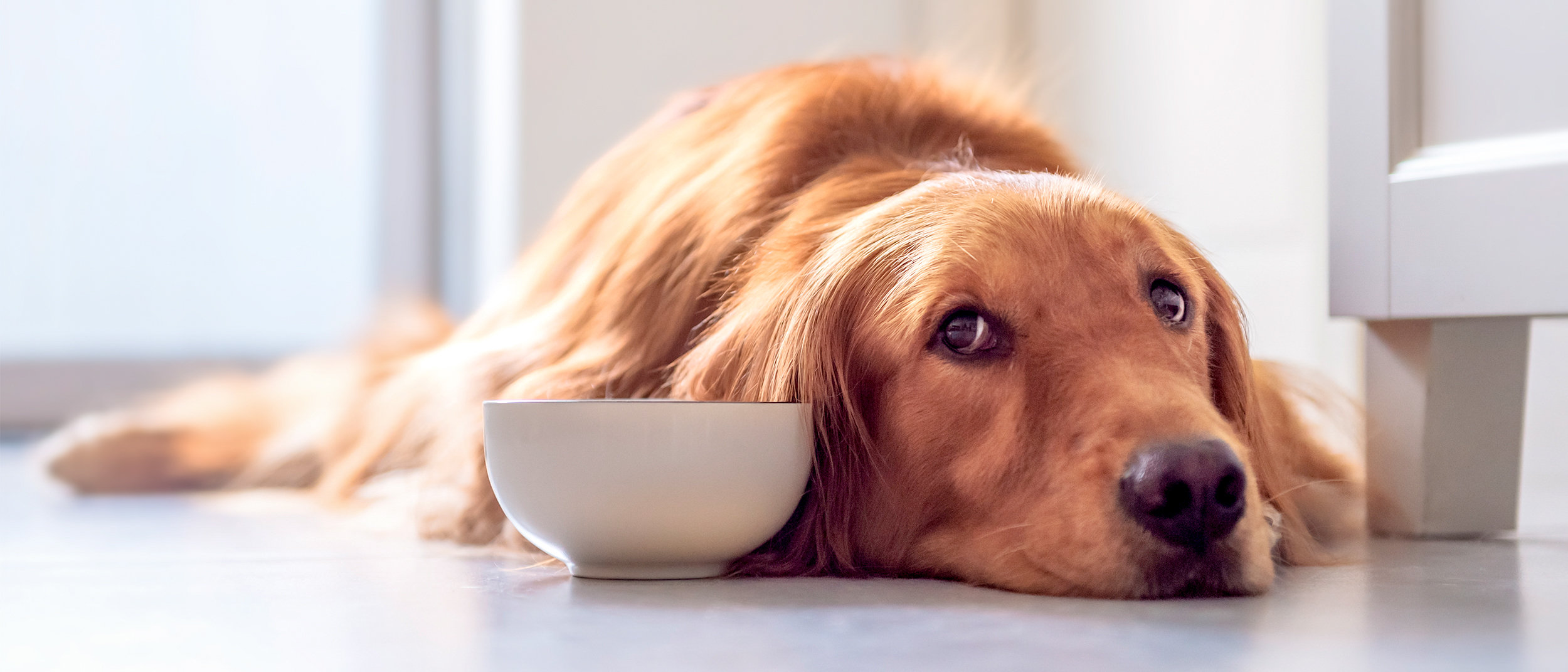
Setting up healthy habits around feeding can go a long way to support your dog in losing weight. Your veterinarian can recommend the right diet and help you calculate how much to give your dog to ensure they lose weight at a healthy rate; make sure you stick to this to get the best results possible.
You, and other members of the household, should have an aligned approach to the feeding plan, avoiding offering your dog extra foods and accidentally reinforcing begging behavior. It can be helpful to feed your dog at the same time, in the same place, so it gets used to the routine.
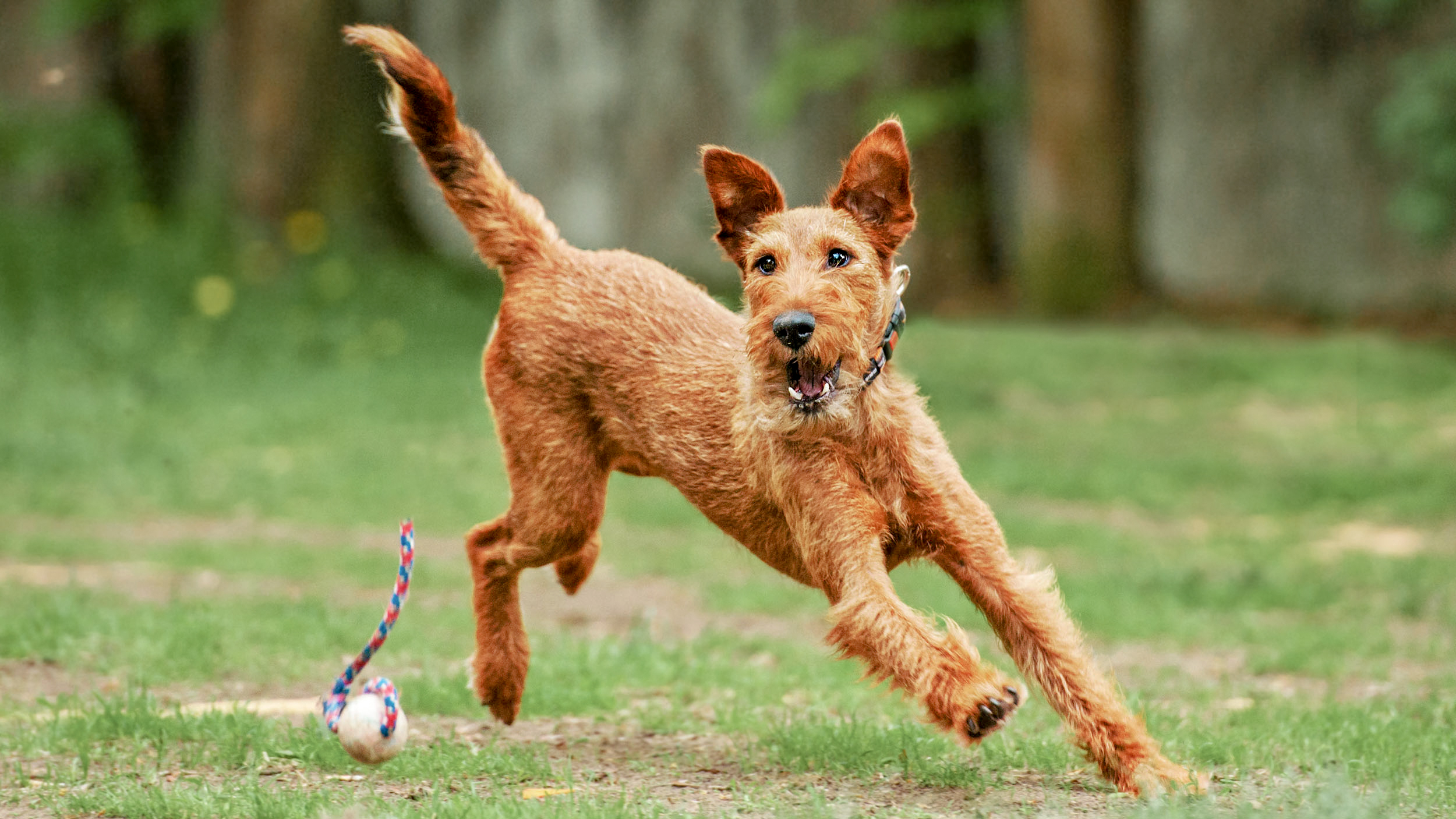
Choosing the right food for an overweight dog
Although it might seem like a good idea to simply give your dog less food to help it lose weight, this isn’t recommended as it carries a risk of your dog not getting all the essential nutrients they need from their diet.
Instead, select a food that is specially designed to be used for weight-loss. Typical characteristics of such diets include a high protein content, reduced calorie content, enhanced levels of fiber and high nutrient density.
Exercising your dog for weight loss
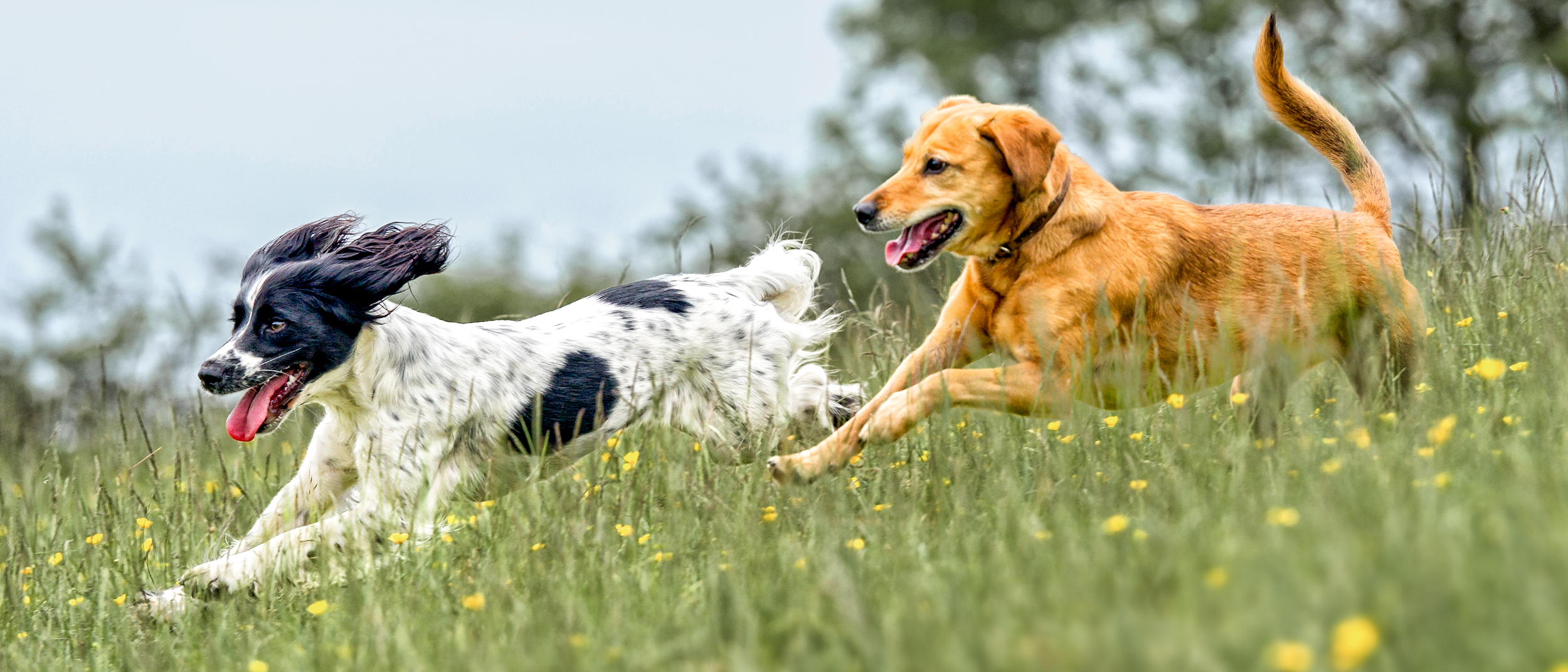
If your dog’s health allows it, take them out for regular exercise. To begin, spread this over the week with shorter sessions, rather than one long and demanding walk or run at the weekend, to get them used to it. Swimming, in particular, can be a low impact effective exercise if your dog is struggling with long walks.
By making some small changes, you can help your dog achieve its ideal weight and get back into a healthy lifestyle. Start by consulting your veterinarian and getting their advice on food, exercise and more.
Like & share this page