Managing separation anxiety in dogs
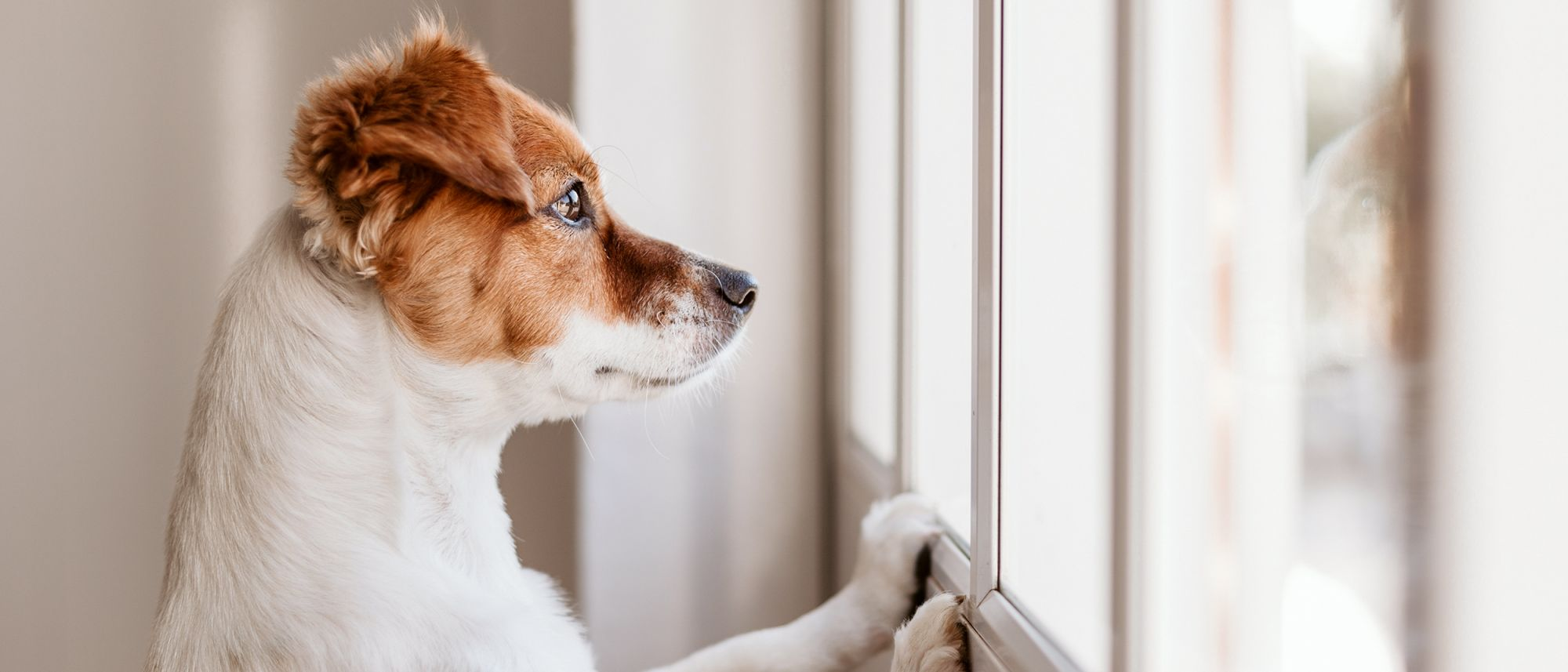
During the holidays or other times, you may be home more often than usual, your dog no doubt loves spending more time with you. The challenge comes when they need to be at home on their own again. Some dogs adapt to changes in their routine and their owner's absences easier. But for others, it can cause separation anxiety, which is distressing for both your pet and you.
If you want to know about separation anxiety treatment for dogs or concerned that your pet might be suffering, read on to find out about the signs to look for – and how to help your dog regain their confidence.
What is separation anxiety in dogs?
When dogs have separation anxiety, they find it stressful to be apart from the people they’re most attached to. They can become extremely anxious, and their distress can reveal itself in a wide range of behaviors.
Why do dogs develop separation anxiety?
Dogs can develop separation anxiety at different stages of their life, leading you to notice sudden differences in their behavior. There’s a range of factors that can cause separation anxiety in dogs, and unfortunately the reason behind it can be hard to identify.
Some dogs begin to feel anxious if there’s a sudden change in their life – such as moving to a new house or family. It might occur if they suddenly begin to spend a lot less time with their owners than they’re used to, such as when people return to work or school. Even the loss of another family pet can bring about separation anxiety.
Tempting as it is to enjoy lots of time with our dogs when the opportunity comes, it is important to establish a predictable routine. A consistent routine that allows them to predict what’s going to happen next will go a long way in reducing stress.
Other contributing factors are historical. For example, some dogs who have previously suffered from anxiety are more susceptible to experiencing it again. So, it’s always worth thinking about how any changes in your life or your dog’s life might affect them and make them feel anxious.
Symptoms of separation anxiety in dogs
To spot signs of anxiety in dogs, you can set up a camera to record your pet’s behavior while you’re away. It’s also worth paying close attention to their behavior when you’re at home, as some signs can start before they are separated from you.
Typical signs of separation anxiety in dogs include:
- Following you around your home
- Trying to leave the house with you when you leave
- Barking, whimpering or whining when you leave or after you’ve gone
- Staying close to the door you left through
- Pacing or unable to rest while you’re away
- Destructive behaviors, such as chewing or destroying things when they’re alone
- Reacting to noises when they’re alone that wouldn’t concern them when you’re home
Other things to look out for, which may seem less connected to separation anxiety, but could still indicate your dog is suffering from it, are:
- Loss of appetite
- House soiling when they're alone, even though they're house trained
- Panting and drooling
- Obsessive behaviors such as over-grooming and excessive licking
Your dog may do some of these things to an extent when you’re at home. But if they have separation anxiety, these behaviors will become much worse when they’re left alone.
It is critical that a puppy or new dog learns to cope with being left alone. This can be achieved by leaving them for short periods of time to begin with, even in a different part of the home initially.

How to help a dog with separation anxiety
1. Speak to your veterinarian
If you suspect separation anxiety in your dog, it’s important to tackle it. It’s impractical for you to stay at home continually, but it’s also really tough on your dog to suffer in this way.
It’s also possible that the symptoms you’re attributing to separation anxiety may actually be caused by a medical condition. So, the first step if you think your dog has separation anxiety is to make an appointment to see your veterinarian.
What to take with you to the veterinarian
Take a list of the kinds of behavior you’ve noticed that make you think your dog has separation anxiety with details of when this behavior tends to happen.
It will also be useful for your veterinarian if you can take some video footage of what your dog has been doing.
Your veterinarian is likely to ask questions such as:
- How long have you owned your dog?
- Who is usually in your house and when?
- Are the behaviors related to one person leaving or when your dog is totally alone?
- Has your routine changed and, if so, how?
- Have there been other changes such as moving to a new house?
- Has there been an absence in your home recently?
- Do you have other pets?
- Is your dog from a rescue shelter?
The answers to these questions will help your veterinarian determine whether your dog has separation anxiety or if something else is the problem.
2. Separation anxiety training for dogs
Prevention is better than a cure when it comes to separation anxiety. Here’s what you can do to prepare your dog for when you’re leaving the house more often and for longer periods of time. These approaches may also help if your dog is already showing signs of separation anxiety.
Create a consistent, predictable routine
If you're spending more time than usual at home, it's tempting to also spend lots of time with your dog. But establishing a routine that more closely resembles normal life is more beneficial for them. A consistent routine enables your dog to predict what will happen next and goes a long way to reducing their stress levels.
Start spending more time apart
The routine you create should include your dog spending some time away from you and anyone else in your household. This could be in a different part of the yard, behind a pet gate in a separate room, or by leaving them at home when you go out for a short while. It’s important to make sure your dog has everything they need to feel comfortable in your absence, though.
While you are away, make sure you use feeding toys or hide food around the house to help your dog feel comfortable in their home environment and give them something to do.
3. Leave and arrive quietly
Always keep your hellos and goodbyes low key. When you're leaving and homecoming rituals involve minimal fuss, it helps your dog understand that your absence isn’t anything to worry about. Prolonged goodbyes and hugs at the door may increase separation anxiety in dogs. It’s best not to make a big fuss when you first arrive home either, but you can give your dog all the attention and affection you want once you’re settled in.
4. Practice at home
When you are at home more, it’s a good time to practice crate training or teach your dog to go to their bed on command. You should also make sure you reinforce calm behaviors. Next time your dog is relaxing on their bed, for example, praise them for being calm and maybe even give them a healthy treat.
5. Make sure they stay active
When you are at home more, it’s a good time to practice crate training or teach your dog to go to their bed on command. You should also make sure you reinforce calm behaviors. Next time your dog is relaxing on their bed, for example, praise them for being calm and maybe even give them a healthy treat.

Exercise can help to improve mood and expend pent-up energy. As a side note, exercise has also been linked to higher BDNF in the brain, which may be one of the many reasons why it is so beneficial.
Brain-derived neurotrophic factor (BDNF) is a protein present in areas of the brain which is associated with mood, emotion and cognition.
6. Ask for help
Planning ahead is a big part of how to helps dogs with separation anxiety. You can manage the transition for your dog by establishing a network of people who can help, such as family, friends, dog walkers, and day-care centers. Make sure you start using their support before the change in your routine, though, so your pet has a chance to get used to them.
How long should you leave your dog alone?
If your workplace allows employees to bring pets to the office, this can be useful to limit the amount of time your dog spends at home alone. However, it's important to remember that your dog may still need to have time on their own, so when they can't be brought into the office they're fully prepared for the situation.
Tips for leaving your dog home alone
The following suggestions may help when you start spending more time away from your dog.
Use enrichment activities
Try using feeding toys or hiding food around your house while you’re away. This will give your dog something to do, stimulate their brain, and enable them to express their natural behaviors. Start slowly and allow your dog to get used to any feeding puzzles while you’re around before giving them one to use when they’re alone.
Leave your scent
When you leave your dog, make sure they have a quiet, comfortable place to rest with a special treat or toy. You could also leave a blanket or piece of clothing carrying your scent with them, as this may help to comfort them.
Turn the TV or radio on
If you leave a TV or radio on or play some music while you’re away, this can also help to soothe your dog. It will make the house feel less quiet in your absence.
Ask an expert
If you sense that your dog may be suffering, don’t blame yourself and don’t try to deal with it alone. Make sure you contact your veterinarian first if you think you spot signs of anxiety in your dog. They may then refer you to an animal behaviorist, who can give you extra support and specialist guidance. And remember, whichever approach you try, preventing or reducing your dog’s separation anxiety takes a lot of patience and love. So be kind to yourself as well as your dog.
Like & share this page