Let's talk Turkish Angoras
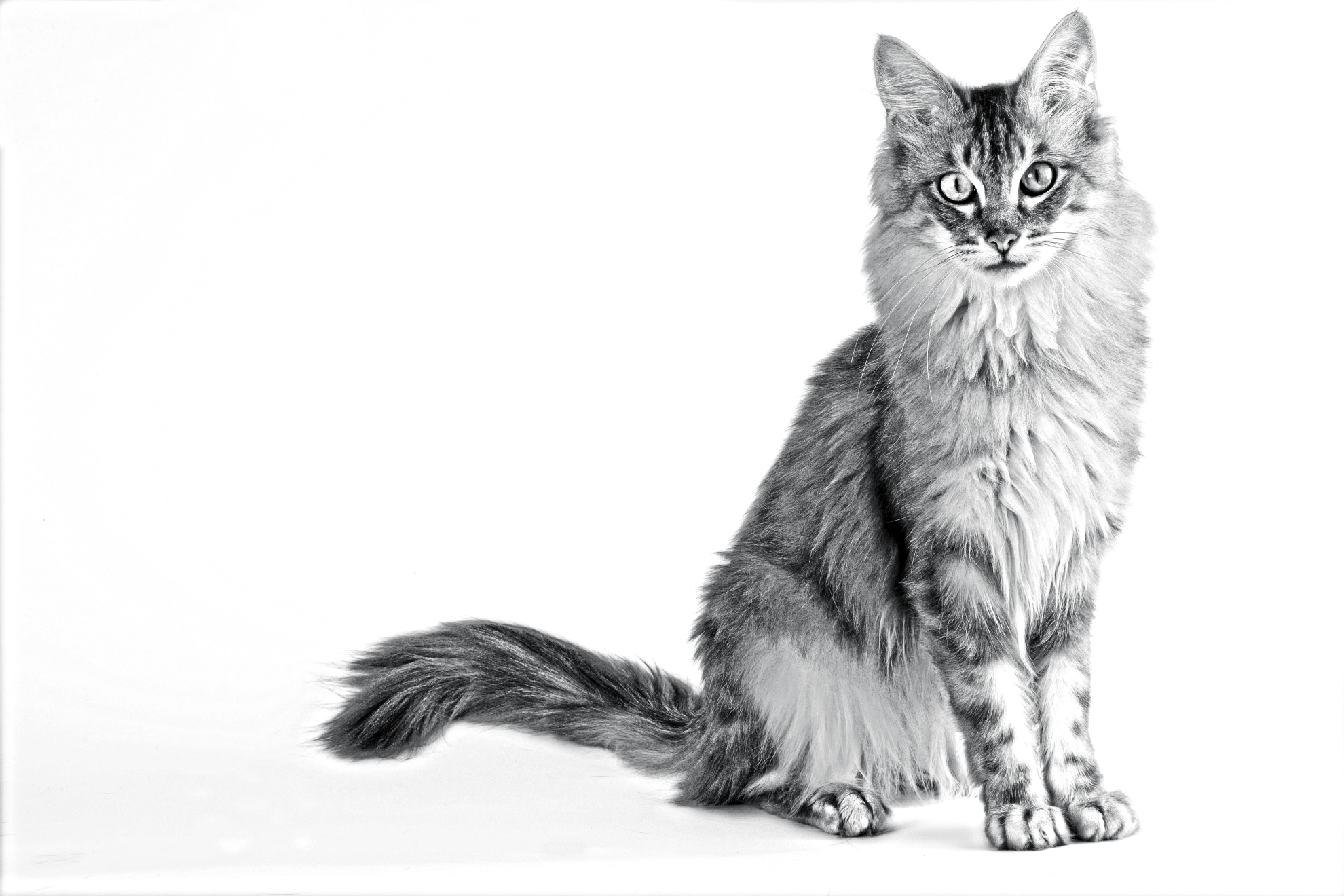
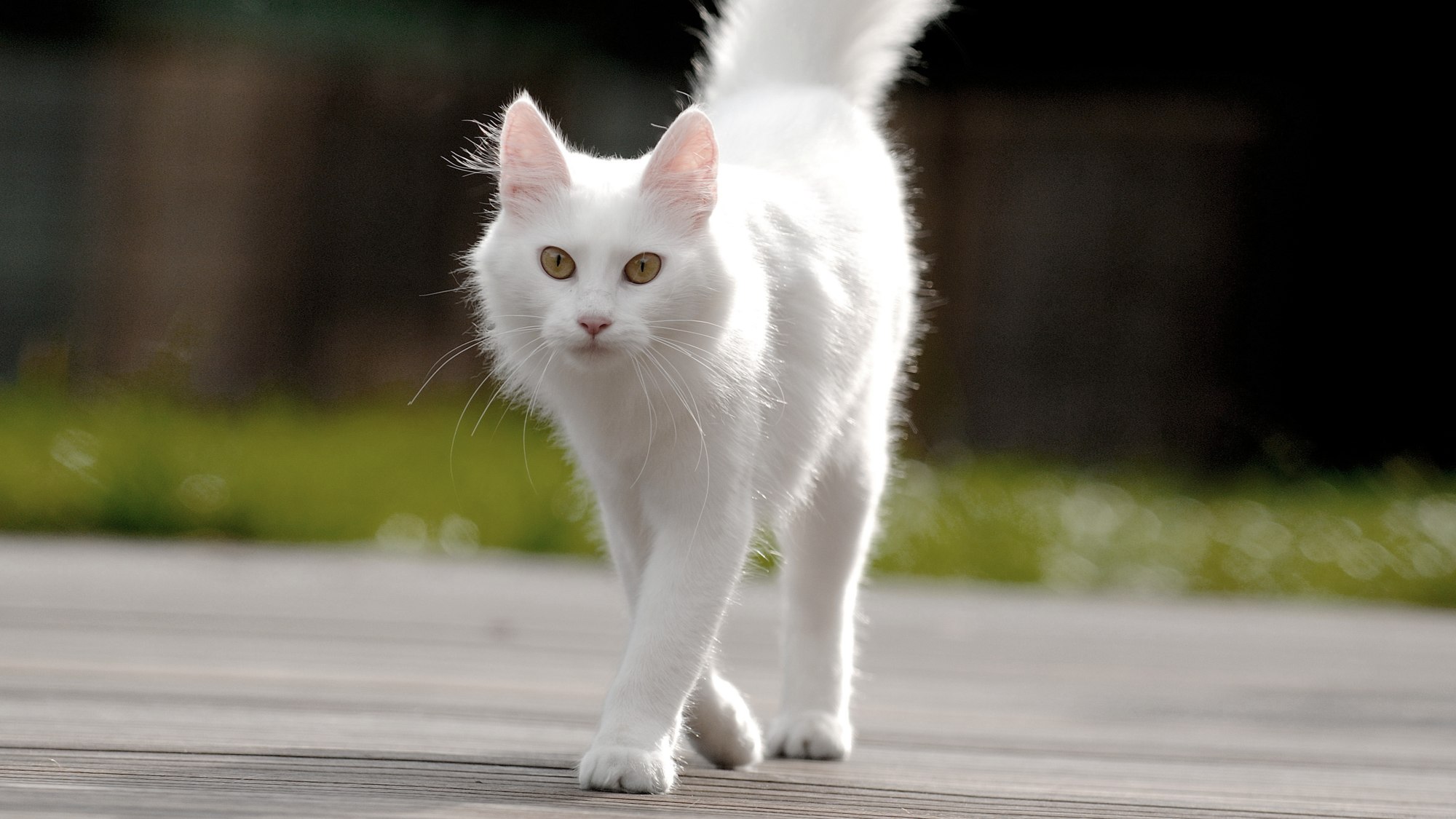
Their plumed tail may grab your attention but it’s their thirst for adventure that earns points for the Turkish Angora. Charm and affection are their hallmarks, along with a zest for life and a good dose of smarts. The Turkish Angora will never be bored—and will keep you on your toes as well. They have a true sense of humour and like diversion, whether with a fun toy or a game of hide-and-seek. The breed can be willful so owners should be ready to match wits with this upbeat and captivating cat.
Official name: Turkish Angora
Other names: Ankara, Van Kedisi, Van Cat
Origins: Turkey
Nivel de muda de pelo:
{score 0 out of 5}Physical activity needs
{score 0 out of 5}Compatibilidad con otras mascotas
{score 0 out of 5}¿Clima cálido?
{score 0 out of 5}Kid-friendly
{score 0 out of 5}
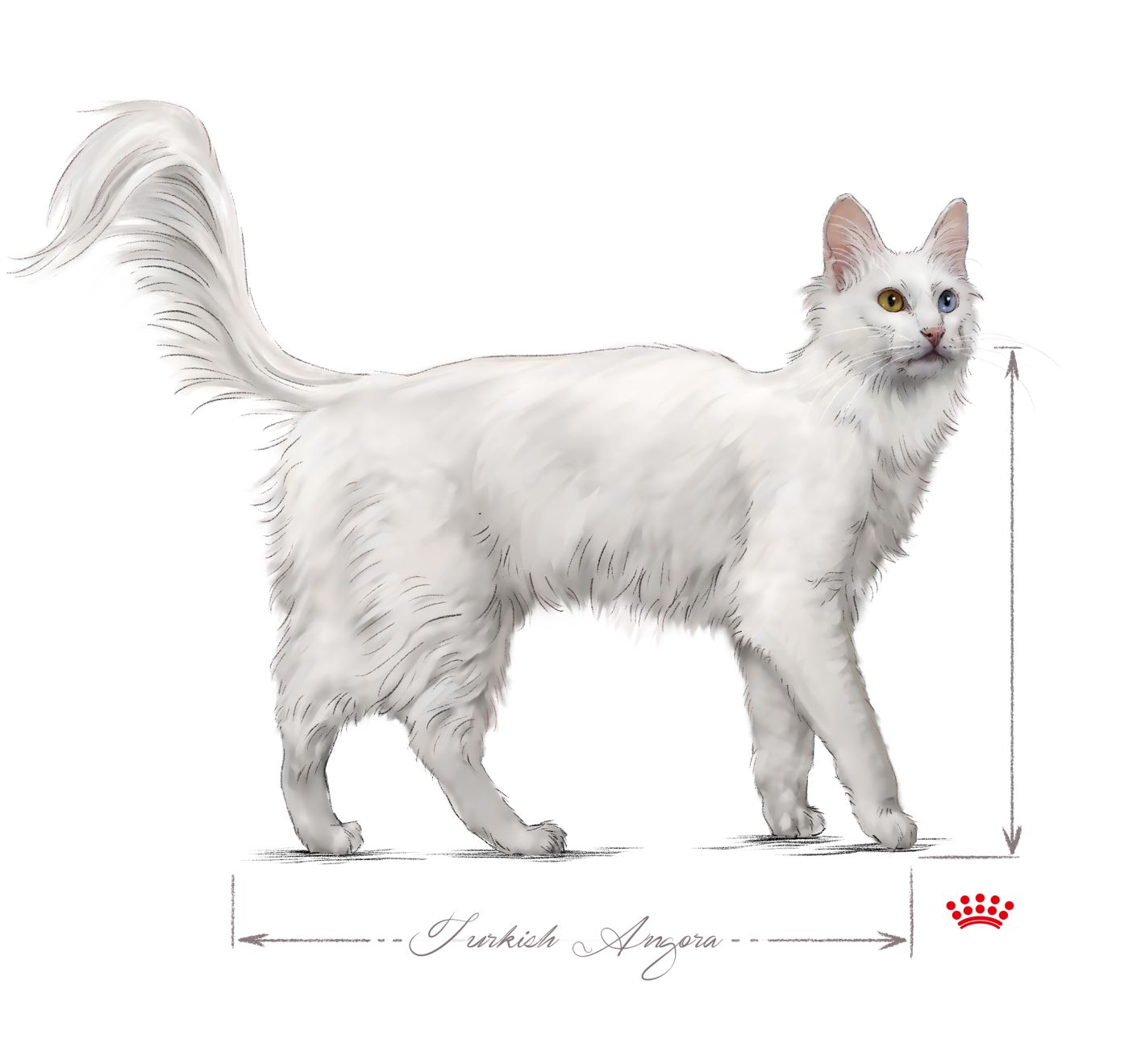
| Male | Female |
|---|---|
| Height | Height |
| 23 - 36 | 23 - 36 |
| Weight | Weight |
| 4 - 6 | 3 - 5 |
| Kitten | Adult |
|---|---|
| 4 to 12 months | 1 to 7 years |
| Mature | Mature |
| 7 to 12 years | From 12 years |
Get to know the Turkish Angora
All you need to know about the breed
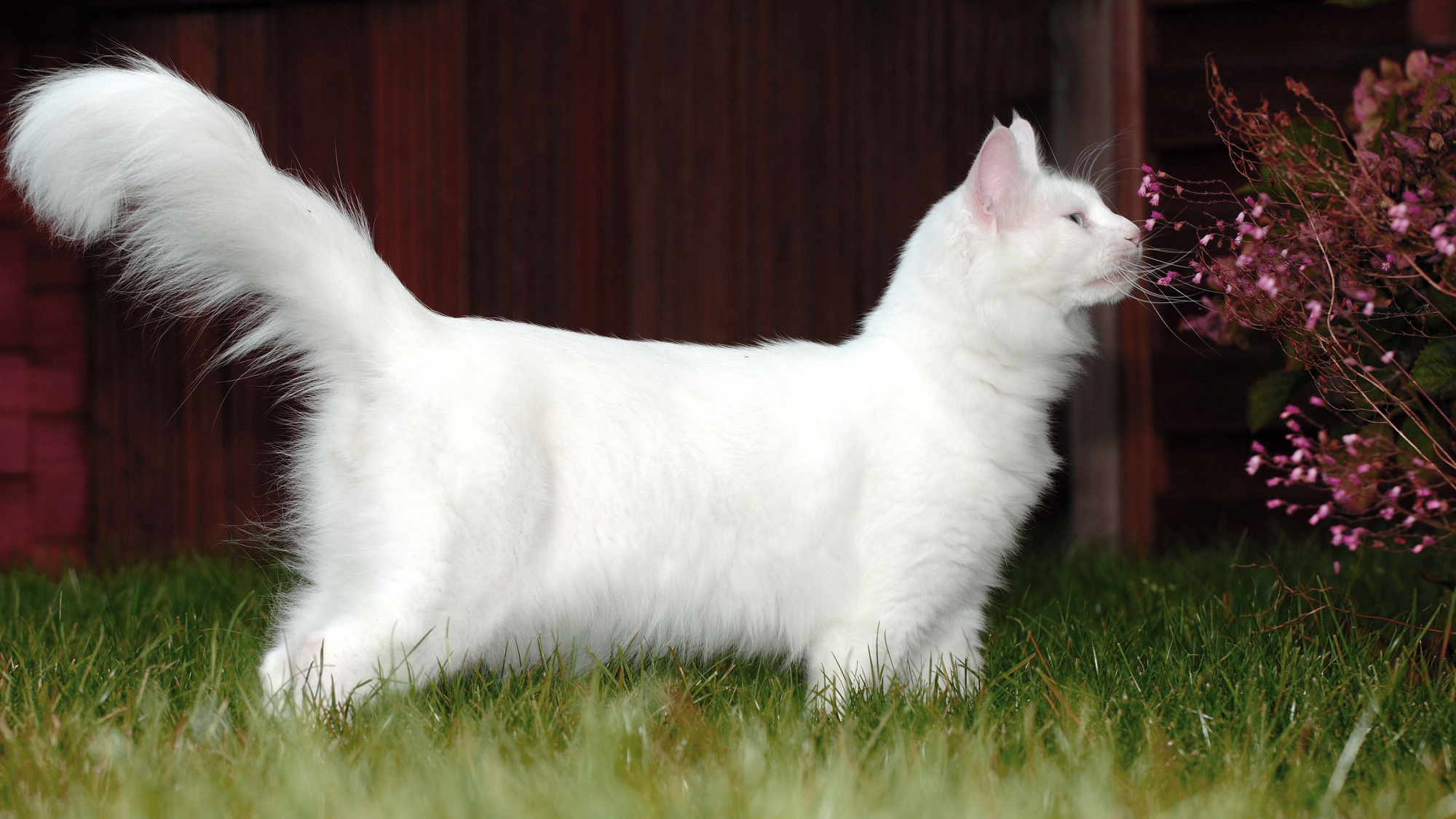
Refined yet rollicking, the Turkish Angora cat is a pleasure to behold, both for their luscious coat and their energetic personality. Recognised for their sophisticated appearance, the feathery tail is only the beginning of many terrific traits about the breed, which continues with their surprisingly dynamic presence.
Very lively, the breed will maintain kitten-like behaviour well into adulthood so prepare for many fun years ahead. Fans of the Turkish Angora cat know them to be extremely social, coming right up to visitors to the house with a welcome greeting. On top of being alluring, they are nimble: This is a cat who will routinely scale to new heights - like the tops of sofas or your shoulder to ride along, if you don’t mind. They’ve been known to open doors and cupboards to discover what’s inside as well.
Patience is the name of the game with the Turkish Angora and owners should know that this is not only a very smart cat but a beguiling one. They can have a mind of their own but will listen to commands when strictly delivered. The Turkish Angora’s charming personality and tender approach, however, top out the lovely characteristics of this breed.
2 facts about Turkish Angoras
1. Seeing double
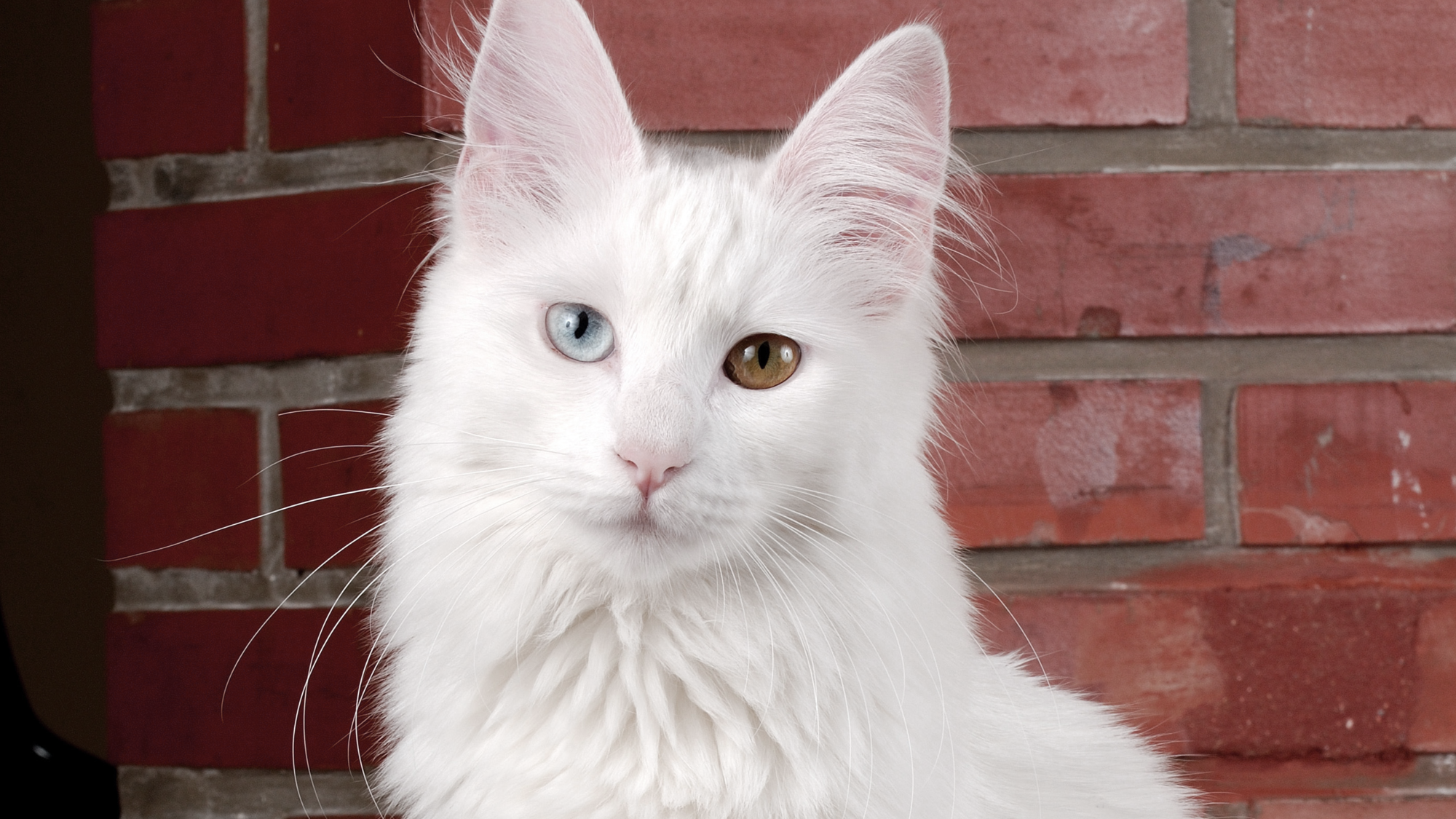
Common to the Turkish Angora breed is a condition called heterochromia, known to the lay audience as odd eyes, or two entirely different-coloured eyes. The genetic condition occurs when the level of melatonin differs from eye to eye. White cats with odd eyes can often be deaf - and which can go unnoticed - so have your cat screened at the vet to check for the condition.
2. Quite the covering
That posh coat sported by the Turkish Angora breed is their signature trait, and gives them the air of elegance they’re widely known for. Besides being composed of fine silky fur that hardly mats and sheds little, it gives off a shimmer as they move, another hallmark trait. Look for their lush locks to be fully grown in by year two.
History of the breed
Prized in their native land of Turkey, the treasured Turkish Angora even takes their name from the capital city of Ankara, previously Angora. The breed is said to date back over a thousand years, brought by Vikings into the European continent, with formal documentation of the cat found starting in France in the 16th century.
They were further developed by British and American breeders at the start of the 20th century after their numbers dwindled from being used in breeding programs with Persian cats. Breeding efforts by the Atatürk Forest Farm and Zoo helped preserve the breed, particularly white Turkish Angoras.
They were introduced into the U.S. in 1954 and the Cat Fancier’s Association started registering them in 1968, granting full recognition to white Turkish Angoras in 1972. The breed reached the height of fame in the 1970 animated Disney movie The Aristocats, featured in the starring role as Duchess.
From head to tail
Physical characteristics of Turkish Angoras
1.Body
2.Coat
3.Neck
4.Length
5.Legs
Things to look out for
From specific breed traits to a general health overview, here are some interesting facts about your Turkish Angora
Listen to the beat
The Turkish Angora breed is known to be quite healthy but can suffer from hypertrophic cardiomyopathy (HCM), a thickening of the heart muscle thought to be caused by an overactive thyroid, although its origin is largely unknown. Keeping up with regular vet visits will detect signs of the condition early.
Good bones
Despite their clean bill of health, the Turkish Angora breed can at times be prone to ataxia, a fatal neuromuscular disorder that affects kittens two to four weeks of age. Have your veterinarian screen your cat for signs of the disorder. Cats that have ataxia should not be used for breeding.
Healthy diet, healthier cat
Tailored health nutrition has a fundamental role to play in maintaining the health and beauty of a cat. Food provides energy to help with vital functions and a complete nutritional formula for cats should contain an adapted balance of nutrients. Feeding them in this way will offer a diet that’s neither deficient or excessive, both of which could have adverse effects on your cat’s health. Clean, fresh water should be available at all times to support good urinary regularity. Cats are also naturally adapted to eating small servings - between 7 and 10 times a day. Giving them the recommended ration of kibble once a day will let the cat regulate their own consumption; ironically, when they have only one or two servings a day, their weight increases more than a cat who eats on demand.
Consolidation and Harmonisation - From 4 Months to 12 Months:
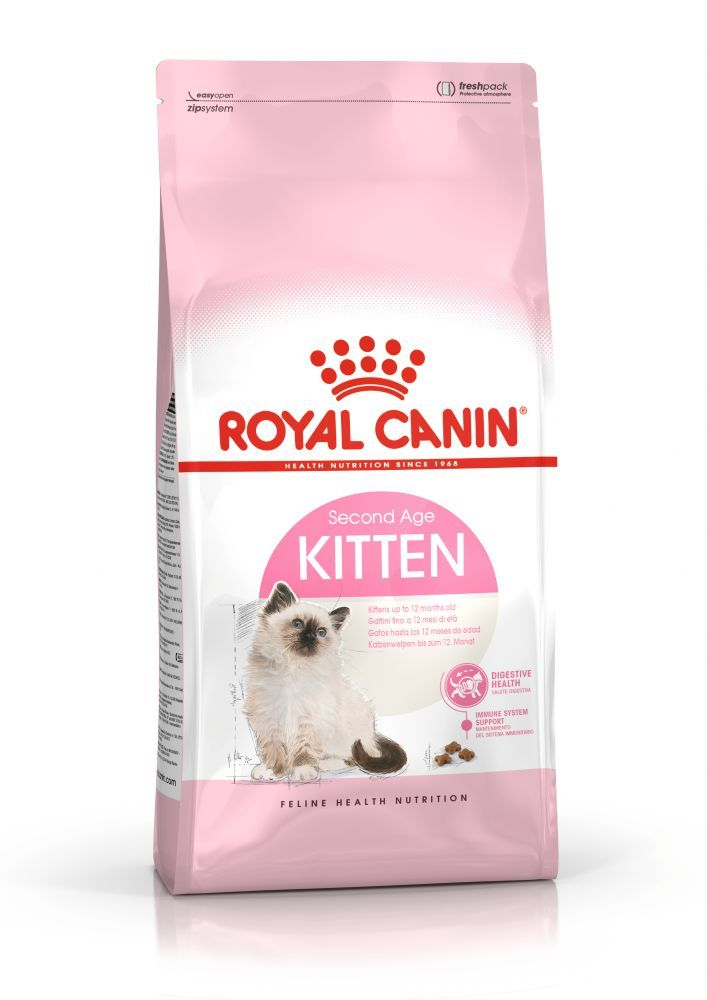
From the fourth month, a kitten’s growth slows down, so a food lower in fats is recommended. This is particularly important after a cat is sterilised. Between 4 and 7 months, a kitten’s milk teeth fall out and are replaced by permanent ones. When the adult teeth have come through, a kitten needs to eat kibble that’s big enough so they’re encouraged to crunch. Until they’re 12 months old, a Turkish Angora kittens’ immune system is still gradually developing. A complex of antioxidants, including vitamin E, can help support their natural defences during this time of big changes, discoveries, and new encounters. The digestive system matures progressively, with digestive aptitudes reaching full maturity toward twelve months of age. A cat is then able to consume adult food.
The following recommendations are for healthy animals. If your cat has health problems, please consult your veterinarian who will prescribe an exclusively veterinary diet.
When choosing food for Turkish Angoras, there are factors to consider: their age; individual sensitivities; their lifestyle, which impacts their level of activity substantially; and their physiological status, such as sterilisation, a potential factor in weight gain. If the cat has outdoor access, the changing seasons also play a role, especially when it comes to moulting, which happens twice a year.
Age
Age is a factor in terms of a cat’s energy needs, especially in their early and the later years. An 8-week-old kitten consumes three to four times more energy per kilo than an adult. A cats’ appetite is reduced as they grow older due to dental sensitivities or a lessened perception of odours and flavours.
Growth Phase
Growth is an essential stage in a kitten’s life. It is a time of big changes, discoveries, and new encounters. When it comes to their energy, protein, minerals, and vitamin requirements, a kitten’s are much greater than those of an adult cat. They need energy and nutrients to maintain their body, but also to grow and build it. A kitten’s growth comes in two phases:
Construction - From Birth to 4 Months
Weaning is the transition a kitten makes from liquid - or maternal milk - to solid food. This period naturally corresponds to the time when they cut their milk teeth, at 3 to 6 weeks old. At this stage kittens are not yet able to crunch, so a soft meal (rehydrated kibble or an adapted wet food) helps facilitate the transition between liquids and solids. Between 4 and 12 weeks after birth, the natural immunity a kitten receives from the mother’s colostrum - or first milk - decreases while the kitten’s immune system gradually develops. This critical time, called the immunity gap, requires a complex of antioxidants, including vitamin E, to help support their natural defences. Kittens go through an intense and particularly delicate period of growth during which they’re prone to digestive upset. Their diet at this time should not only be rich in energy to meet their essential growth needs but should also contain highly digestible protein for their digestive system that’s still maturing. Prebiotics, such as fructo-oligosaccharides, can also support their digestive health by helping to balance intestinal flora. The result? Good stool quality, all around. The kitten’s food should contain omega 3 fatty acids - EPA-DHA - which helps support the proper neuro-cerebral development.
When it comes to their nutrition, the goals for adult Turkish Angoras are:
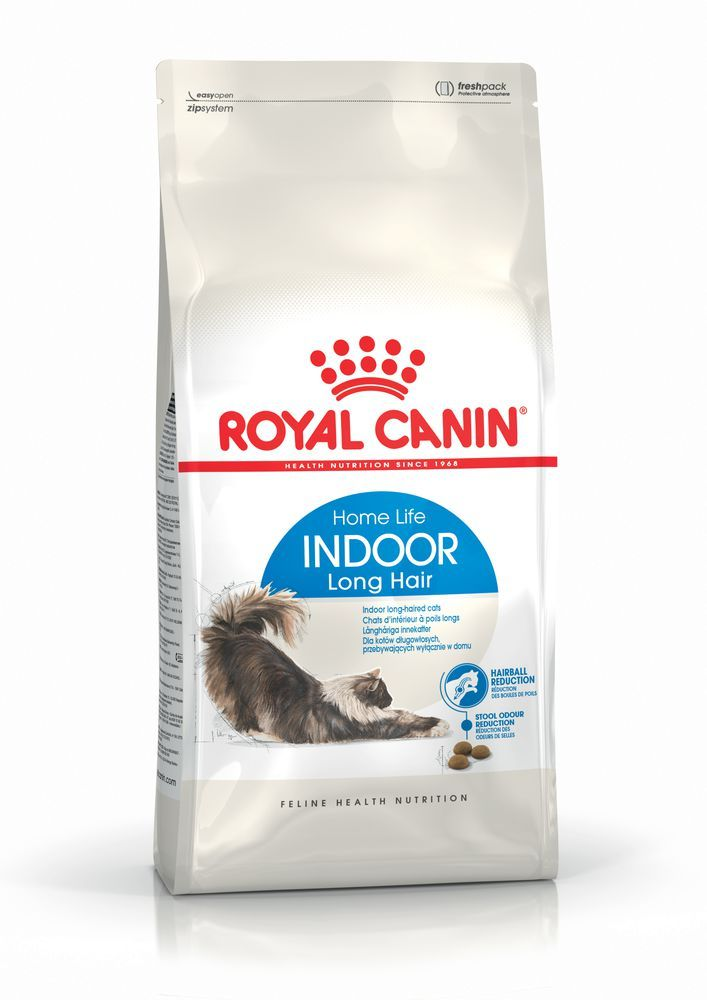
Contributing to maintaining an ideal body weight by using highly digestible ingredients and keeping the fat content at a sensible level*, especially for sterilised cats, indoor cats, and strays.
Supporting optimal digestion and balancing intestinal flora by using highly digestible proteins and prebiotics
Preserving the health and beauty of the skin and coat with the addition of essential fatty acids, especially EPA-DHA, essential amino acids, and B vitamins
Maintaining a healthy digestive system by adding fiber to stimulate the elimination of hair that’s ingested during grooming, in order to help reduce hairball formation
Supporting daily oral care and hygiene.
Some cats can be fussy eaters so food palatability is key. Exclusive formula and aromas, kibble size, special texture, or a combination of different shapes or textures - with both their dry and their wet food - will help stimulate their appetite.
*Adjusting the energy level of the food to the energy needs of the cat encourages them to regulate their own consumption. Cats usually have more difficulty curbing their appetite if the kibble is very rich in fats.
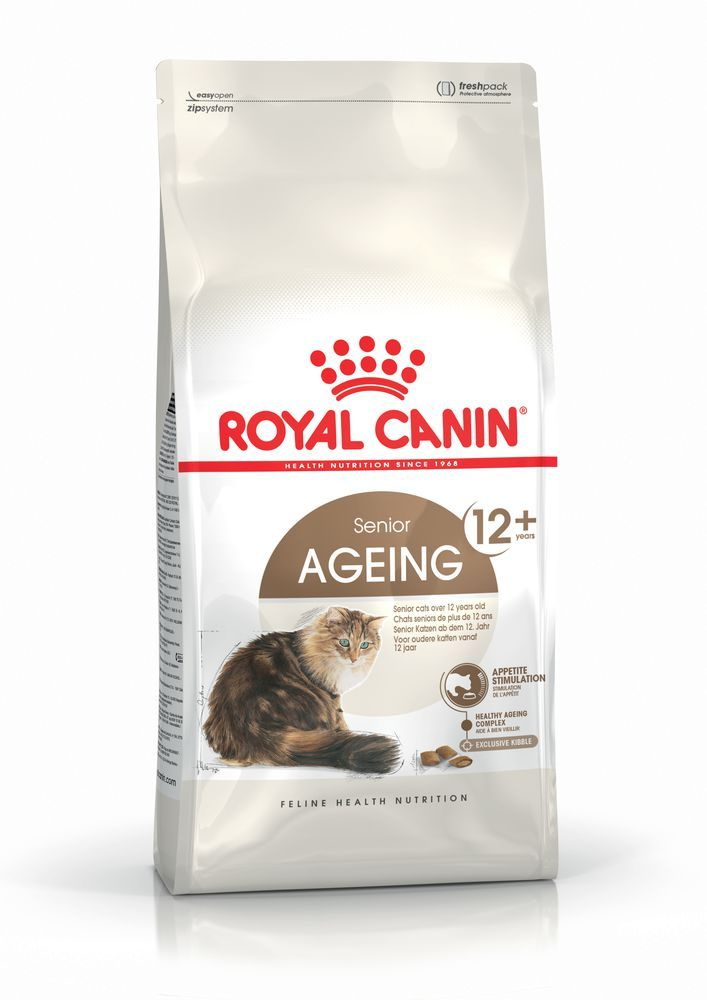
After seven years old, Turkish Angoras start facing the first signs of ageing. A formula enriched with antioxidants will help maintain their vitality and an appropriate phosphorus content will support their renal system.
Cats that are able to go outdoors spend more energy than those who stay inside. A food that’s more dense in energy is therefore recommended. Increasing the volume of food with a low energy density, such as an indoor cat formula, isn’t a solution for feeding outdoor cats as it can lead to a decrease of the digestive efficiency. Nutrients that specifically support healthy joints can benefit a very active outdoor cat. Select nutrients and antioxidants can bolster the skin barrier to help outdoor cats cope better. Just being outside leaves them open to possibly receiving a small wound or exposing them to harmful bodies, like external parasites.
Ageing also means modified digestive capacity. A senior cat - one over the age of 12 - may sometimes have difficulties with absorption, too. To maintain the weight of the ageing cat and prevent any risk of deficiency, they should be given an extremely digestible food filled with essential nutrients.
As they get older, cats increasingly suffer from teeth problems, and in some senior cats, the sense of taste and smell may decline as well, which can lead to a lowered intake of food. To ensure they continue to eat enough, the shape, size, and hardness - meaning texture - of their kibble needs to be tailored to their now potentially more fragile jaw.
Note that the best energy level for any cat still depends on their lifestyle, even those who are ageing. A senior cat that continues to go out regularly will benefit from a diet with a slightly higher fat content. On the other hand, ageing does not reduce an indoor cat’s risk of obesity. Their calorie intake should still be closely monitored. A food with a moderate fat content then may be optimal.
Lifestyle
The energy density of the food should be different for indoors and outdoor cats. Going outside changes a cat’s nutritional as well as their energy needs, the latter of which increase according to the amount of time they spend outdoors, their territory, and the degree to which the climate changes through the year (many outdoor cats become indoor cats during the winter). While a 4kg cat needs around 300 kcal/day if it’s outdoors, the same cat who stays inside won’t expend more than 200 kcal/day - a full third less. What’s more, a sedentary cat that is fed a high-fat, high-energy diet as often as they like is less able to regulate their consumption.
Healthy Nutrition for Indoor Cats
Because an indoor lifestyle often means less exercise (an indoor cat expends a third less than one living outdoors), an adjusted calorie content which meets those reduced energy needs and a diet containing L-carnitine to help promote fat metabolism can help maintain an ideal weight. Avoid feeding them human foods or fatty snacks; instead, reward them with kibble taken out of their daily meals, and strictly follow the feeding guidelines written on the pack to prevent them from gaining weight. Indoor cats spend more time grooming themselves. Selected fibres, such as psyllium, can help to eliminate the hair they’ve ingested, which will reduce hairballs. For Turkish Angoras living mostly indoors, eating highly digestible proteins will help reduce both the amount of stool and its smell.
Healthy Nutrition for Outdoor Cats
Caring for your Turkish Angora
Grooming, training and exercise tips
7/7
All about Turkish Angoras
Is the Turkish Angora cat high maintenance?
The posh looks and delicate demeanour of the Turkish Angora may give off the impression of a fussy cat. Looks can be deceiving though as this is an industrious breed that easily keeps themselves occupied. That silky coat doesn’t hold tangles or mats, surprisingly, so grooming routines will be kept to a minimum.
Are Turkish Angora cats rare?
Certain breeds of cat, like the British Shorthair or Persian, are widely known but so too is the Turkish Angora. Not at all rare, they are actually fairly commonplace, especially in their home country of Turkey. The breed’s following worldwide is a devoted one as well, as they are prized for their sociable nature and high intelligence.
Suggested Breeds
Read more on this topic
Sources
- Veterinary Centers of America https://vcahospitals.com/;
- Royal Canin Cat Encyclopaedia. Ed 2010 and 2020
- Banfield Pet Hospital https://www.banfield.com/
- Royal Canin BHN Product Book
- American Kennel Club https://www.akc.org/
Like & share this page