How to maintain your dog's healthy weight
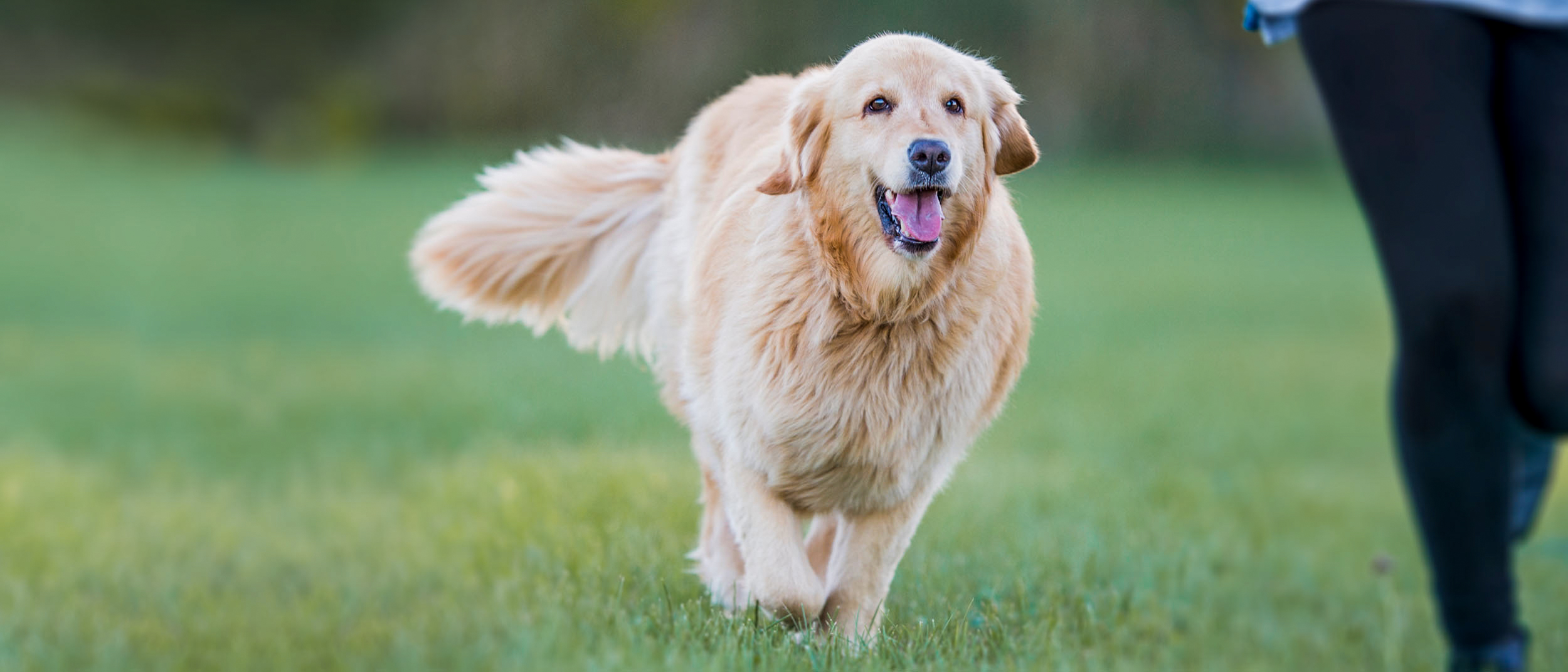
Whether your dog has recently lost extra weight or you're looking to make sure it stays as fit as possible, there are several steps you can take to help keep their weight healthy and stable.
What's a healthy weight for your dog?
The best way to find out the healthiest weight for your dog is to visit your veterinarian. They'll be able to assess their body condition and overall health and advise you on the most appropriate weight for your dog as an individual. Often, dogs are at a healthy adult weight at the time that they finish growing and reach adulthood —but sometimes this information isn’t available, and some can even begin to carry excess weight during puppyhood.Certain factors could make your dog predisposed to unwanted weight gain, making adhering to healthy feeding habits especially important. There are several breeds that are predisposed to becoming overweight compared to others, including Pugs, Chihuahuas, Newfoundlands, Dachshunds, West Highland White Terriers, Labrador Retrievers, Cocker Spaniels, Golden Retrievers, Cavalier King Charles Spaniels, English Springer Spaniels, Bernese Mountain Dogs, Lhasa Apsos and Shih Tzus.
Female dogs are also more likely to gain weight, and if your dog has been neutered, they are more likely still; the frequency of obesity in neutered male and female dogs can be twice that of unneutered dogs.
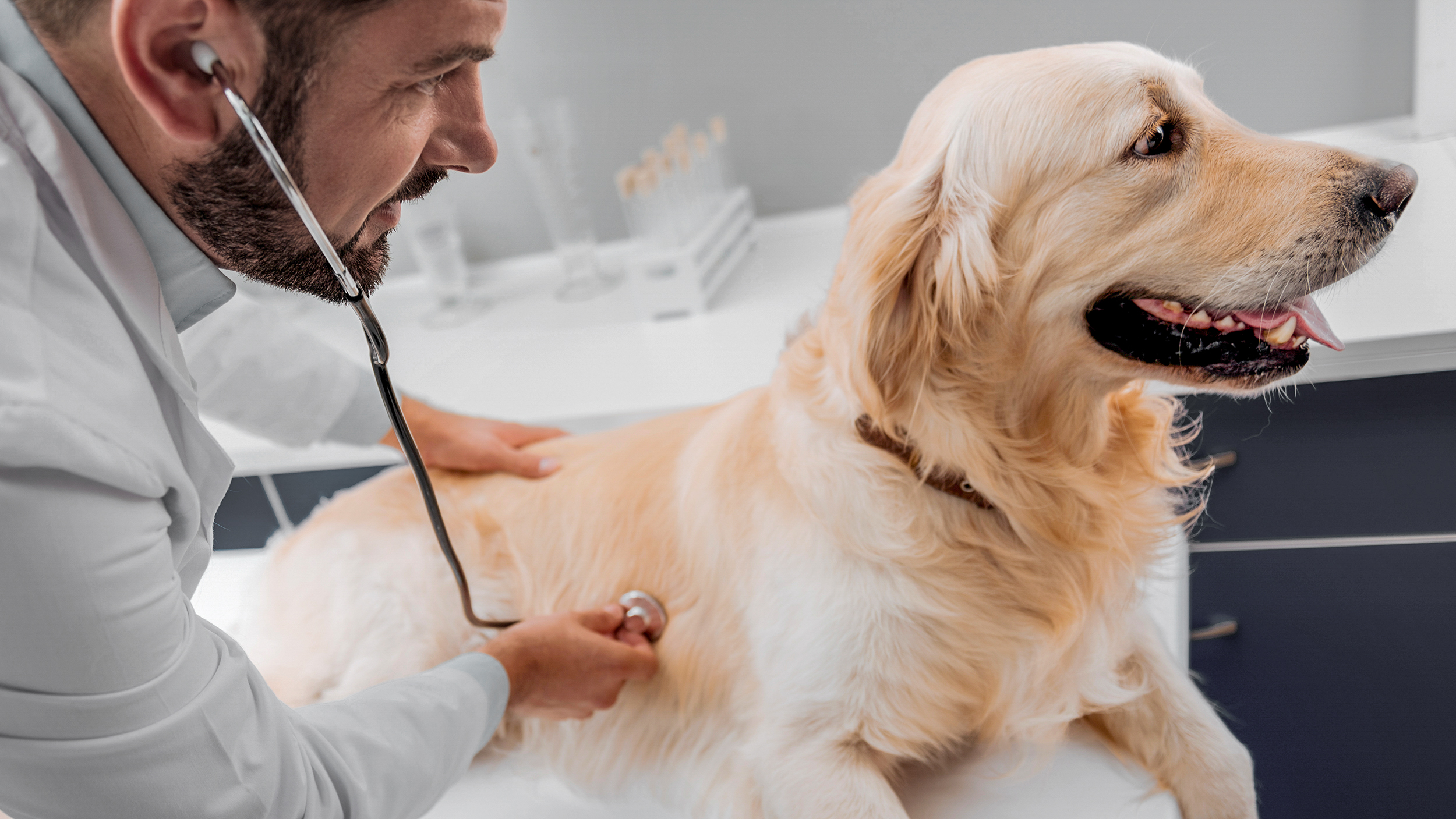
Feeding your dog to maintain its weight after weight loss
For dogs that have recently lost weight and have reached their recommended body condition it is often recommended to continue feeding the same food used during their weight-loss process and adjusting the quantities as necessary to maintain their weight. It's best to consult a veterinarian before starting this process to make sure any diet portions are moderated appropriately. Your veterinarian will be able to advise you on the best course of action, as well as which specific foods are best for your dog.
The energy density of their food is an important factor to take into account, and diets that help support weight loss and maintenance typically include high protein content to support muscle mass, with a moderated fat content to help avoid weight gain. Some such foods may also contain a unique blend of fiber, which helps your dog feel fuller without eating bigger portions.
Sticking to good feeding behaviors with your dog
You should rigorously maintain good feeding practices for your dog, so they have the best possible chance of maintaining a healthy weight. Carefully measure food portions for every meal, ideally using a gram or kitchen food scale. Avoid feeding table scraps, and swap treats for kibbles taken from their daily allowance. It's also a good idea to weigh them once a month and go for regular check-ups to get professional advice from your veterinarian.
With the right mindset, you will be able to support your dog in maintaining a healthy weight and enjoyable lifestyle. For more ideas on how to help manage your dog's weight, speak to your veterinarian who'll be happy to advise you.
Like & share this page