Let's talk Thai cats
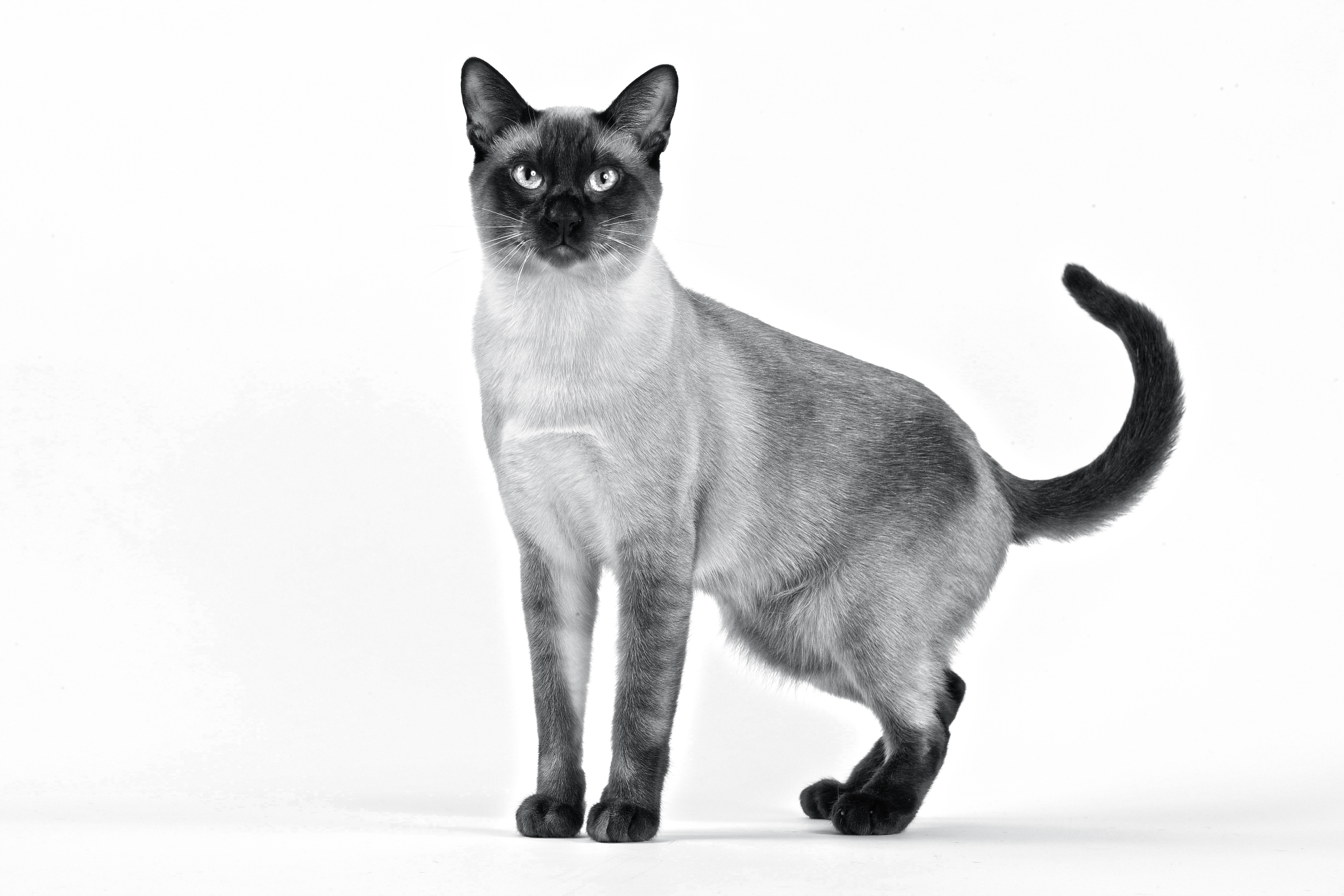
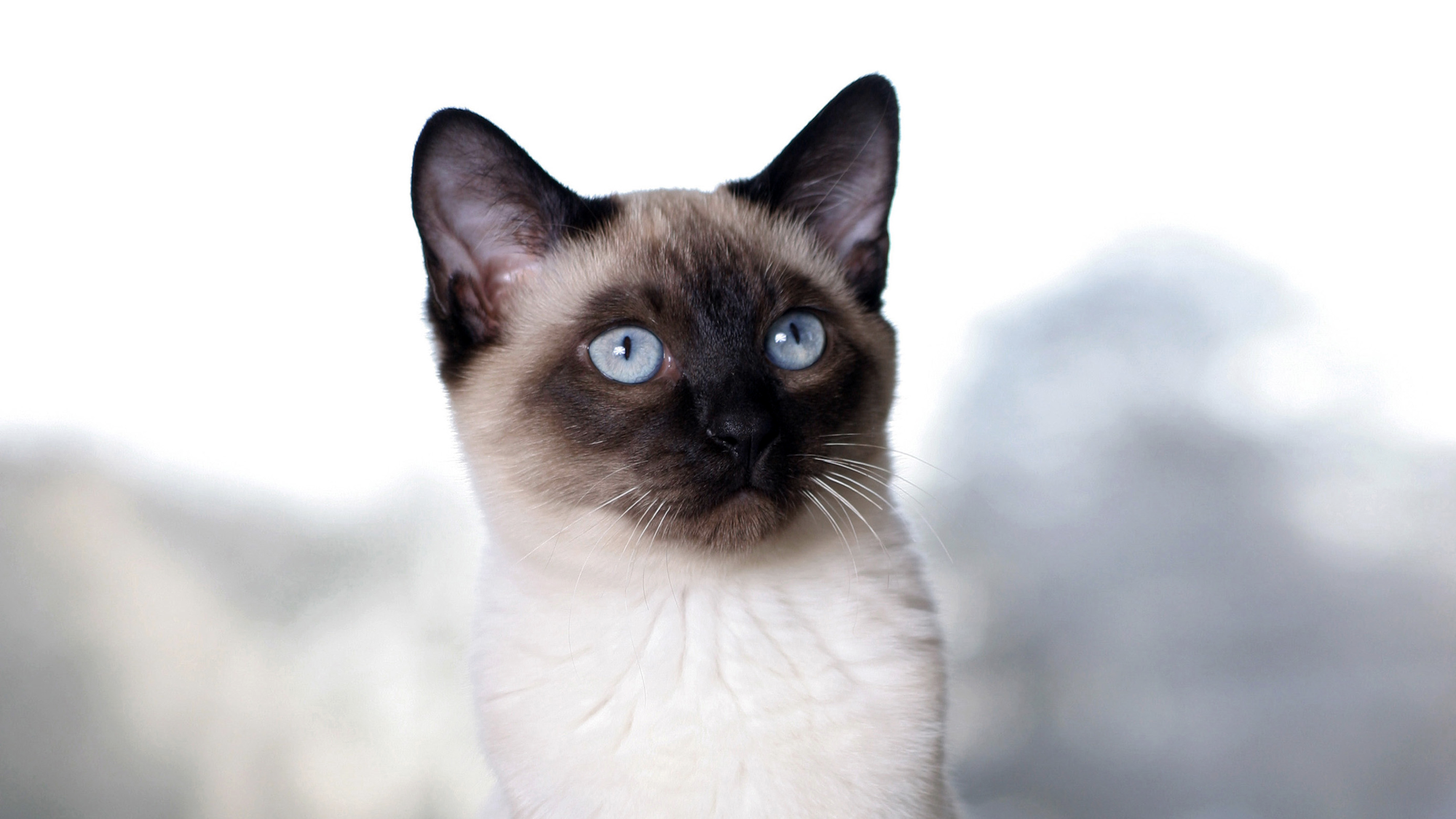
Thai cats are simply exquisite with their piercing blue eyes and lively temperament. Incredibly similar in behaviour to their feline cousin the Siamese, this is a cat who is affectionate towards their humans, and can’t bear to be separated from them—even for just a few hours. Thai cats also enjoy the company of young children as a willing playmate and to indulge their mischievous side. If you’re looking for a calm cat then the Thai may be too vocal for you—they often like to communicate as they follow you around the house. But a more faithful feline companion would be harder to find!
Official name: Thai
Other names: Old-Style Siamese, Wichien Maa
Origins: Thailand
Nivel de muda de pelo:
{score 0 out of 5}Nivel de energía
{score 0 out of 5}Compatibilidad con otras mascotas
{score 0 out of 5}¿Clima cálido?
{score 0 out of 5}¿Mascota familiar? *
{score 0 out of 5}
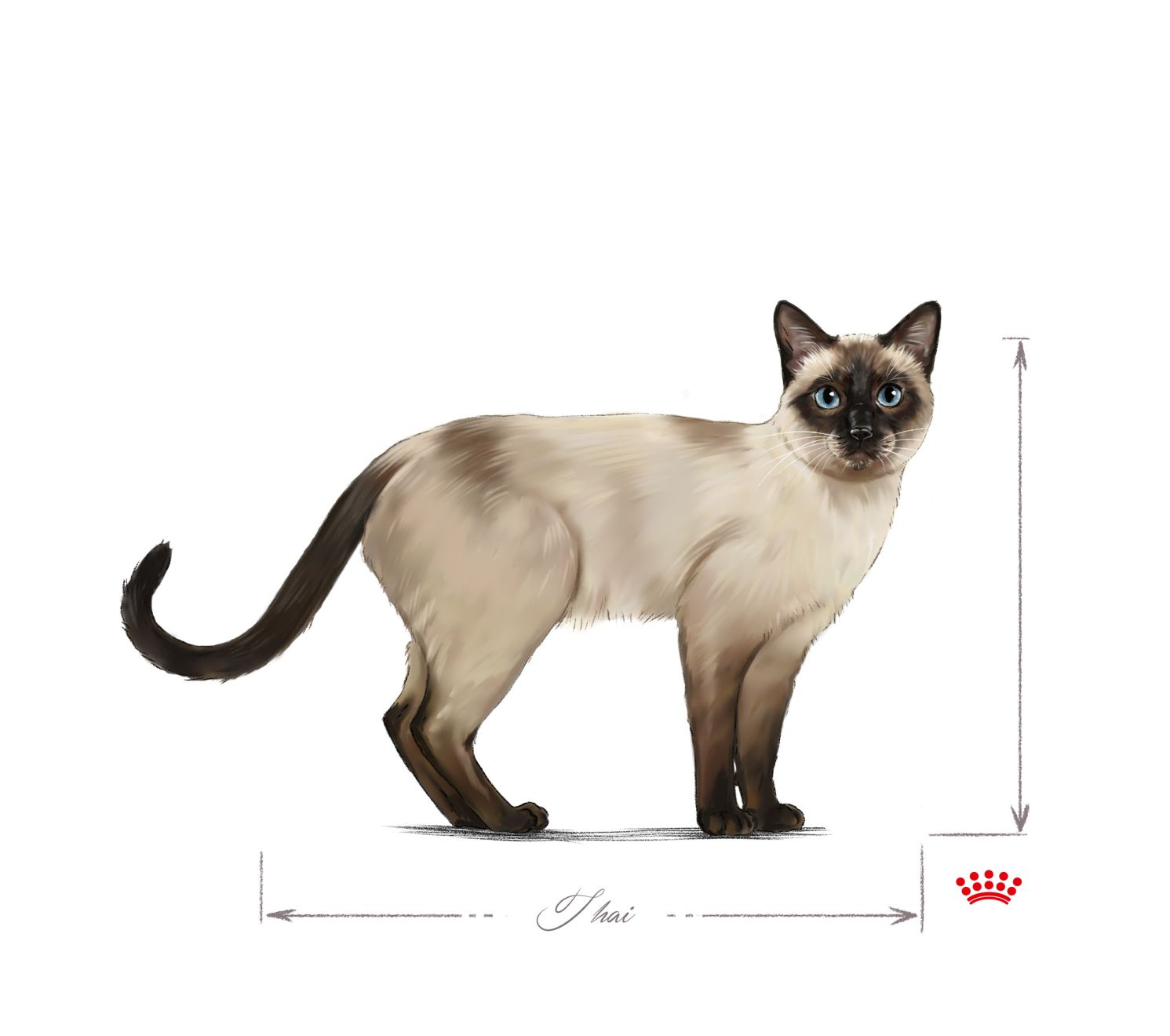
| Male | Female |
|---|---|
| Height | Height |
| 53 - 58 | 53 - 58 |
| Weight | Weight |
| 3 - 6 | 2 - 5 |
| Kitten | Adult |
|---|---|
| 4 to 12 months | 1 to 7 years |
| Mature | Mature |
| 7 to 12 years | From 12 years |
Get to know the Thai
All you need to know about the breed
The lively Thai cat is sure to keep you on your toes. This sociable breed will get on with everyone in the household, including other cats and cat-friendly dogs. They prefer not to be left alone for too long, so the ideal owner for a Thai cat would work predominantly from home and be happy to listen to their chattering throughout the day.
Sharing the same striking features and playful temperament as their western cousin, the Siamese, Thai cats are also intelligent enough to learn tricks, such as playing fetch and responding to their name. They can even be trained to walk on a leash for a calm stroll around a quiet neighbourhood. Children will make great playmates for them, once training is out of the way.
The more attention a Thai cat receives, the more affection they will give you in return. Their silky soft coat is perfect for petting and they will cuddle up close wherever you like to relax around the house. This vocal breed may be a little too lively for some but their affectionate temperament has won many hearts and will continue to do so.
2 facts about Thai cats
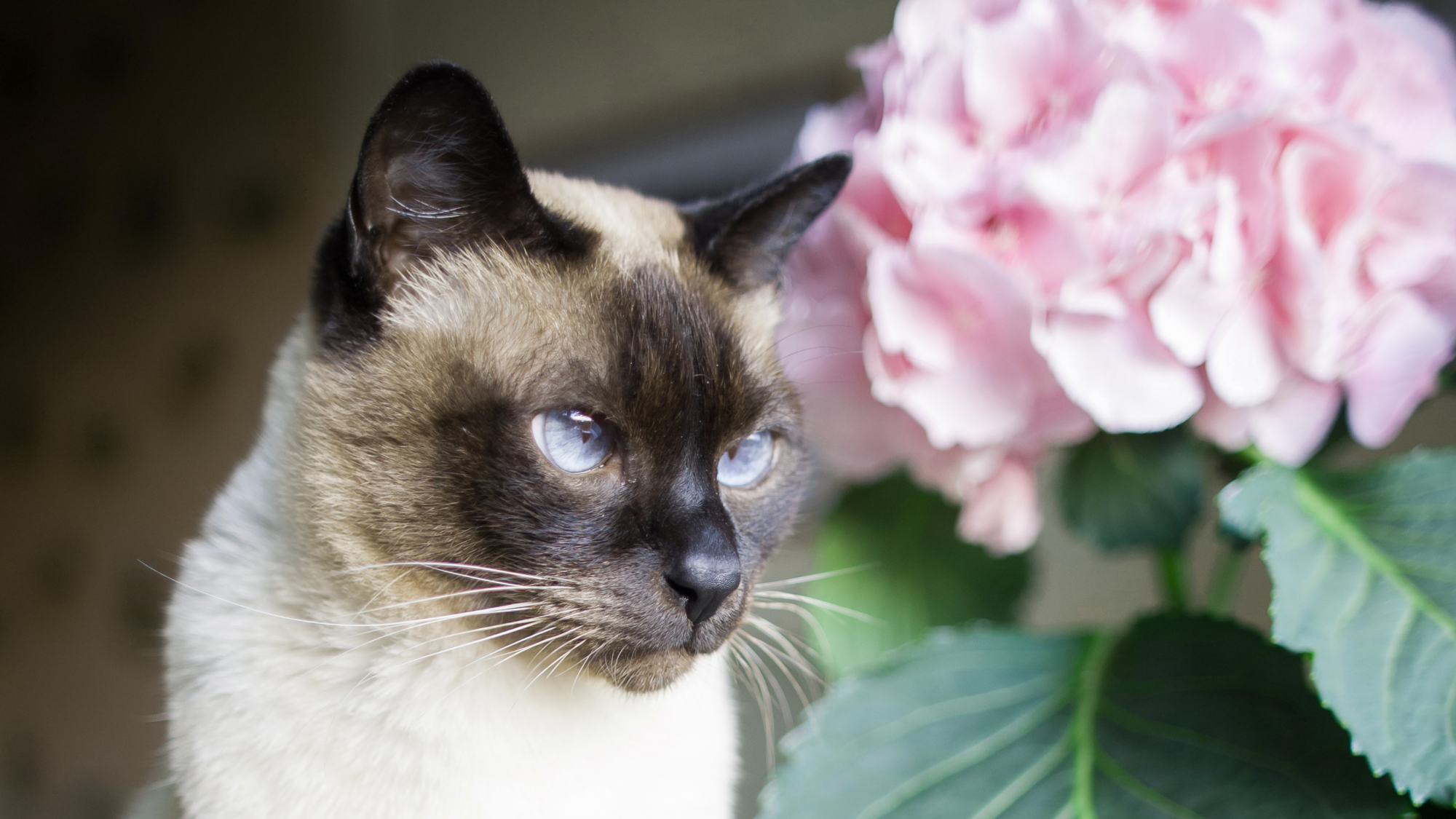
1. Prefers company
Thai cats do not do well if left alone for long stretches of time (no pets should be). They’re so sociable that they get on with human adults and children, as well as other felines and cat-friendly dogs.
2. Cuddles close
Thai cats like to shadow their humans around the house and will never miss an opportunity to learn new tricks. But when it comes to being calm, the breed will be very content to get close for cuddles as they purr with pleasure.
History of the breed
The Thai cat comes from Thailand, as their name suggests, and were generally referred to as “Thai Old Style Siamese cats” until around 2007. They are bred as pointer cats to keep the physical traits of domestic cats found in Thailand, where they are also known as “Wichien-maat” or moon diamond cats of ancient Siam.
In 1886, two Thai cats were offered to the British royal family, which was the first step to the breed gaining recognition in both the UK and America. Breeding interest in the Thai cat ramped up during the 1980s, with a few breeders bringing cats over from Thailand. This helped to differentiate the Thai cat from their Western cousin the Siamese, while ensuring the breed’s safety from extinction.
In 1990, the Thai cat was awarded full championship competitive status by the World Cat Foundation. In 2007, TICA formally named the breed “Thai” to differentiate from the Siamese cat, before giving them championship status in 2010.
From head to tail
Physical characteristics of Thai cats
1.Body
2.Ears
3.Tail
Things to look out for
From specific breed traits to a general health overview, here are some interesting facts about your Thai
Failing eyesight
The Thai cat may develop progressive retinal atrophy, a hereditary disease for which there is no treatment unfortunately. The signs appear relatively early on, before the age of four, so it is ideal to get your kitten from a breeder who will run the required genetic tests. If the worst happens (blindness) your vet will be able to prepare you both for this, so that your cat doesn’t have to lose their quality of life.
Watch the scales
Maintaining an optimal weight for your cat is important to their overall health, and will prevent extra pressure on their heart and joints. For a lively breed like the Thai cat, extra weight will only hamper their playful temperament. Any training treats should come out of their daily food rations.
Healthy diet, healthier cat
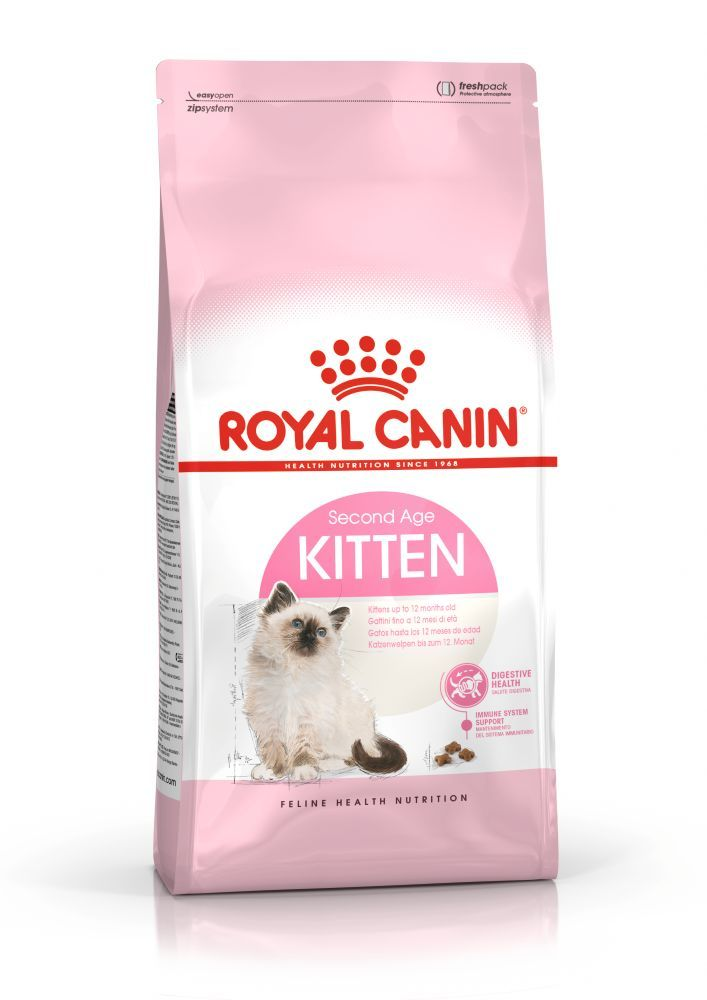
Tailored health nutrition has a fundamental role to play in maintaining the health and beauty of a cat. Food provides energy to help with vital functions and a complete nutritional formula for cats should contain an adapted balance of nutrients. Feeding them in this way will offer a diet that’s neither deficient or excessive, both of which could have adverse effects on your cat’s health.
Growth is an essential stage in a kitten’s life. It is a time of big changes, discoveries, and new encounters. When it comes to their energy, protein, minerals, and vitamin requirements, a kitten’s are much greater than those of an adult cat. They need energy and nutrients to maintain their body, but also to grow and build it. A kitten’s growth comes in two phases:
Construction - From Birth to 4 Months:
Weaning is the transition a kitten makes from liquid - or maternal milk - to solid food. This period naturally corresponds to the time when they cut their milk teeth, at 3 to 6 weeks old. At this stage kittens are not yet able to crunch, so a soft meal (rehydrated kibble or an adapted wet food) helps facilitate the transition between liquids and solids.
Between 4 and 12 weeks after birth, the natural immunity a kitten receives from the mother’s colostrum - or first milk - decreases while the kitten’s immune system gradually develops. This critical time, called the immunity gap, requires a complex of antioxidants, including vitamin E, to help support their natural defences.
Kittens go through an intense and particularly delicate period of growth during which they’re prone to digestive upset. Their diet at this time should not only be rich in energy to meet their essential growth needs but should also contain highly-digestible protein for their digestive system that’s still maturing. Prebiotics, such as fructo-oligosaccharides, can also support their digestive health by helping to balance intestinal flora. The result? Good stool quality, all around.
The kitten’s food should contain omega 3 fatty acids - EPA and DHA - which helps support the proper neuro-cerebral development.
Consolidation and Harmonisation - From 4 Months to 12 Months:
From the fourth month, a kitten’s growth slows down, so a food lower in fats is recommended. This is particularly important after a cat is sterilised.
Between 4 and 7 months, a kitten’s milk teeth fall out and are replaced by permanent ones. When the adult teeth have come through, a kitten needs to eat kibble that’s big enough so they’re encouraged to crunch.
Until they’re 12 months old, a Thai kitten's immune system is still gradually developing. A complex of antioxidants, including vitamin E, can help support their natural defences during this time of big changes, discoveries, and new encounters.
Clean, fresh water should be available at all times to support good urinary regularity. Cats are also naturally adapted to eating small servings—between 7 and 10 times a day. Giving them the recommended ration of kibble once a day will let the cat regulate their own consumption; ironically, when they have only one or two servings a day, their weight increases more than a cat who eats on demand.
The digestive system matures progressively, with digestive aptitudes reaching full maturity toward twelve months of age. A cat is then able to consume adult food.
The following recommendations are for healthy animals. If your cat has health problems, please consult your veterinarian who will prescribe an exclusively veterinary diet.
When choosing food for Thai kittens, there are factors to consider: Their age; individual sensitivities; their lifestyle, which impacts their level of activity substantially; and their physiological status, such as sterilisation, a potential factor in weight gain. If the cat has outdoor access, the changing seasons also play a role, especially when it comes to moulting, which happens twice a year.
Age
Age is a factor in terms of a cat’s energy needs, especially in their early and the later years.
An 8-week-old kitten consumes three to four times more energy per kilo than an adult.
A cats’ appetite is reduced as they grow older due to dental sensitivities or a lessened perception of odours and flavours.
Growth Phase
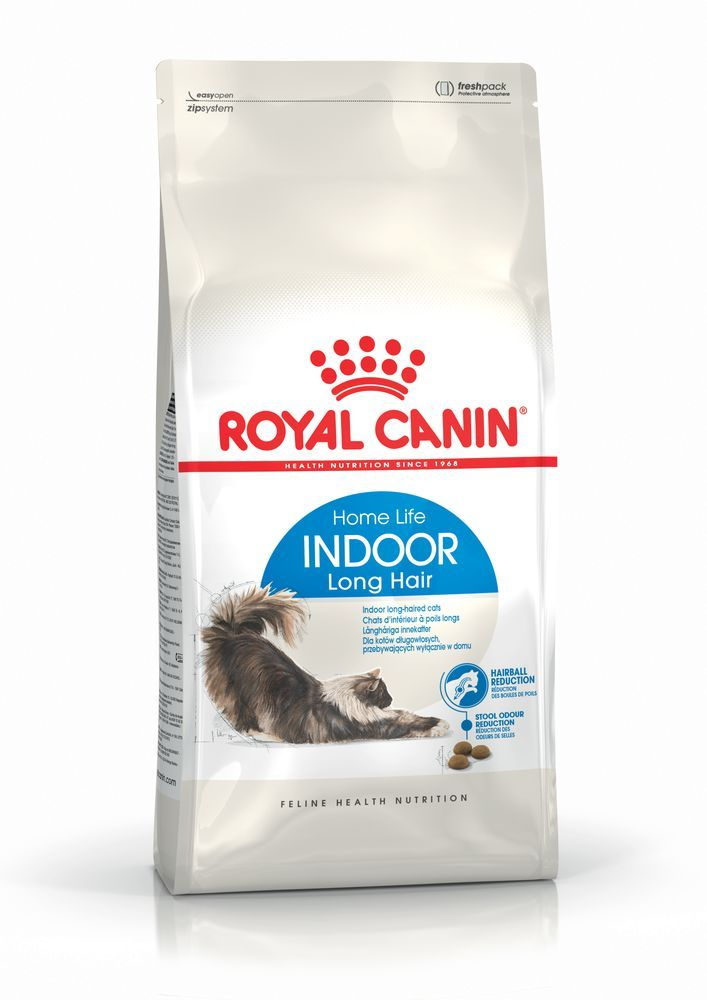
When it comes to their nutrition, the goals for adult Thai cats are:
Contributing to maintaining an ideal body weight by using highly-digestible ingredients and keeping the fat content at a sensible level*, especially for sterilised cats, indoor cats, and strays.
Supporting optimal digestion and balancing intestinal flora by using highly-digestible proteins and prebiotics.
Preserving the health and beauty of the skin and coat with the addition of essential fatty acids, especially EPA and DHA, essential amino acids, and B vitamins.
Maintaining a healthy digestive system by adding fibre to stimulate the elimination of hair that’s ingested during grooming, in order to help reduce hairball formation.
Adding fiber to stimulate the elimination of hair that’s ingested during grooming, thanks to selected fibers, in order to help reduce hairball formation
Supporting daily oral care and hygiene.
Some cats can be fussy eaters so food palatability is key. Exclusive formula and aromas, kibble size, special texture, or a combination of different shapes or textures - with both their dry and their wet food - will help stimulate their appetite.
*Adjusting the energy level of the food to the energy needs of the cat encourages them to regulate their own consumption. Cats usually have more difficulty curbing their appetite if the kibble is very rich in fats.
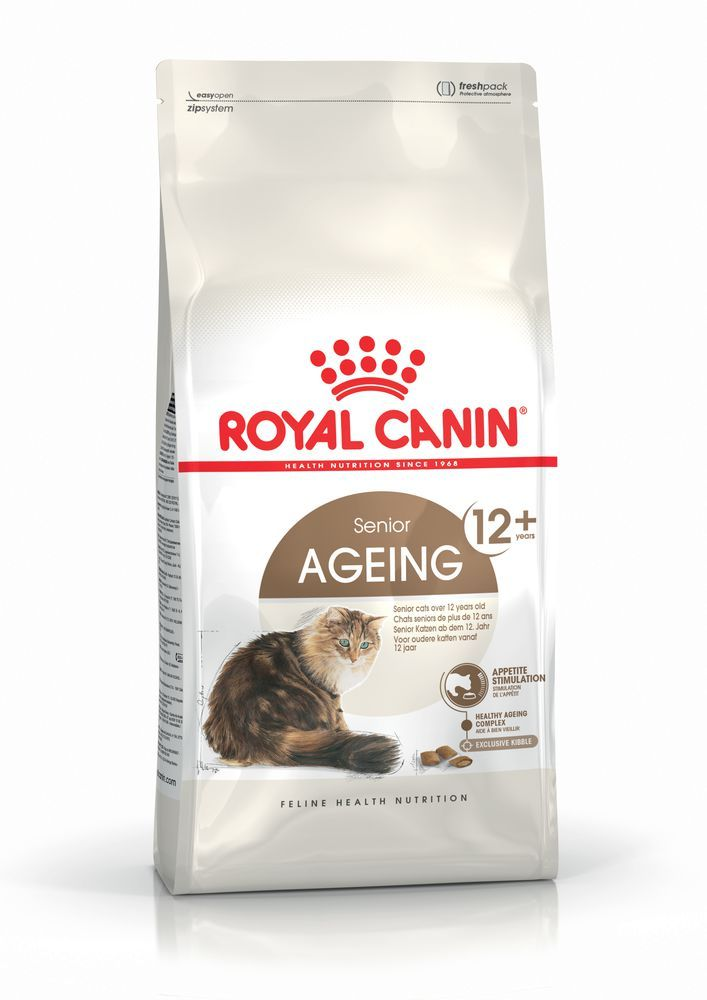
After seven years old, Thai cats start facing the first signs of ageing. A formula enriched with antioxidants will help maintain their vitality and an appropriate phosphorus content will support their renal system.
Healthy Nutrition for Outdoor Cats
Cats that are able to go outdoors spend more energy than those who stay inside. A food that’s more dense in energy is therefore recommended. Increasing the volume of food with a low energy density, such as an indoor cat formula, isn’t a solution for feeding outdoor cats as it can lead to a decrease of the digestive efficiency.
Nutrients that specifically support healthy joints can benefit a very active outdoor cat.
Select nutrients and antioxidants can bolster the skin barrier to help outdoor cats cope better. Just being outside leaves them open to possibly receiving a small wound or exposing them to harmful bodies, like external parasites.
Ageing also means modified digestive capacity. A senior cat - one over the age of 12 - may sometimes have difficulties with absorption, too. To maintain the weight of the ageing cat and prevent any risk of deficiency, they should be given an extremely digestible food filled with essential nutrients.
As they get older, cats increasingly suffer from teeth problems, and in some senior cats, the sense of taste and smell may decline as well, which can lead to a lowered intake of food. To ensure they continue to eat enough, the shape, size, and hardness - meaning texture - of their kibble needs to be tailored to their now potentially more fragile jaw.
Note that the best energy level for any cat still depends on their lifestyle, even those who are ageing. A senior cat that continues to go out regularly will benefit from a diet with a slightly higher fat content. On the other hand, ageing does not reduce an indoor cat’s risk of obesity. Their calorie intake should still be closely monitored. A food with a moderate fat content then may be optimal.
Lifestyle
The energy density of the food should be different for indoor and outdoor cats. Going outside changes a cat’s nutritional as well as energy needs, the latter of which increases according to the amount of time they spend outdoors, their territory, and the degree to which the climate changes through the year (many outdoor cats become indoor cats during the winter). While a 4kg cat needs around 300 kcal/day if it’s outdoors, the same cat who stays inside won’t expend more than 200 kcal/day - a full third less. What’s more, a sedentary cat that is fed a high-fat, high-energy diet as often as they like is less able to regulate their consumption.
Healthy Nutrition for Indoor Cats
Because an indoor lifestyle often means less exercise (an indoor cat expends a third less than one living outdoors), an adjusted calorie content which meets those reduced energy needs and a diet containing L-carnitine to help promote fat metabolism can help maintain an ideal weight. Avoid feeding them human foods or fatty snacks; instead, reward them with kibble taken out of their daily meals, and strictly follow the feeding guidelines written on the pack to prevent them from gaining weight.
Indoor cats spend more time grooming themselves. Selected fibres, such as psyllium, can help to eliminate the hair they’ve ingested, which will reduce hairballs.
For Thai cats living mostly indoors, eating highly-digestible proteins will help reduce both the amount of stool and its smell.
Caring for your Thai
Grooming, training and exercise tips
7/7
All about Thai cats
Is the Thai cat friendly?
Yes, Thai cats are very friendly. The sociable breed will be devoted to each and every member of the household, equally content to play, explore or snuggle up for chill time.
Does the Thai cat make a lot of noise?
They do. The Thai cat is one of the more vocal cat breeds. Their natural curiosity and sociable temperament means they generally like to communicate with their humans.
Suggested Breeds
Read more on this topic
- Veterinary Centers of America https://vcahospitals.com/;
- Royal Canin Cat Encyclopaedia. Ed 2010 and 2020
- Banfield Pet Hospital https://www.banfield.com/
- Royal Canin BHN Product Book
Like & share this page