Let's talk Bull Terriers
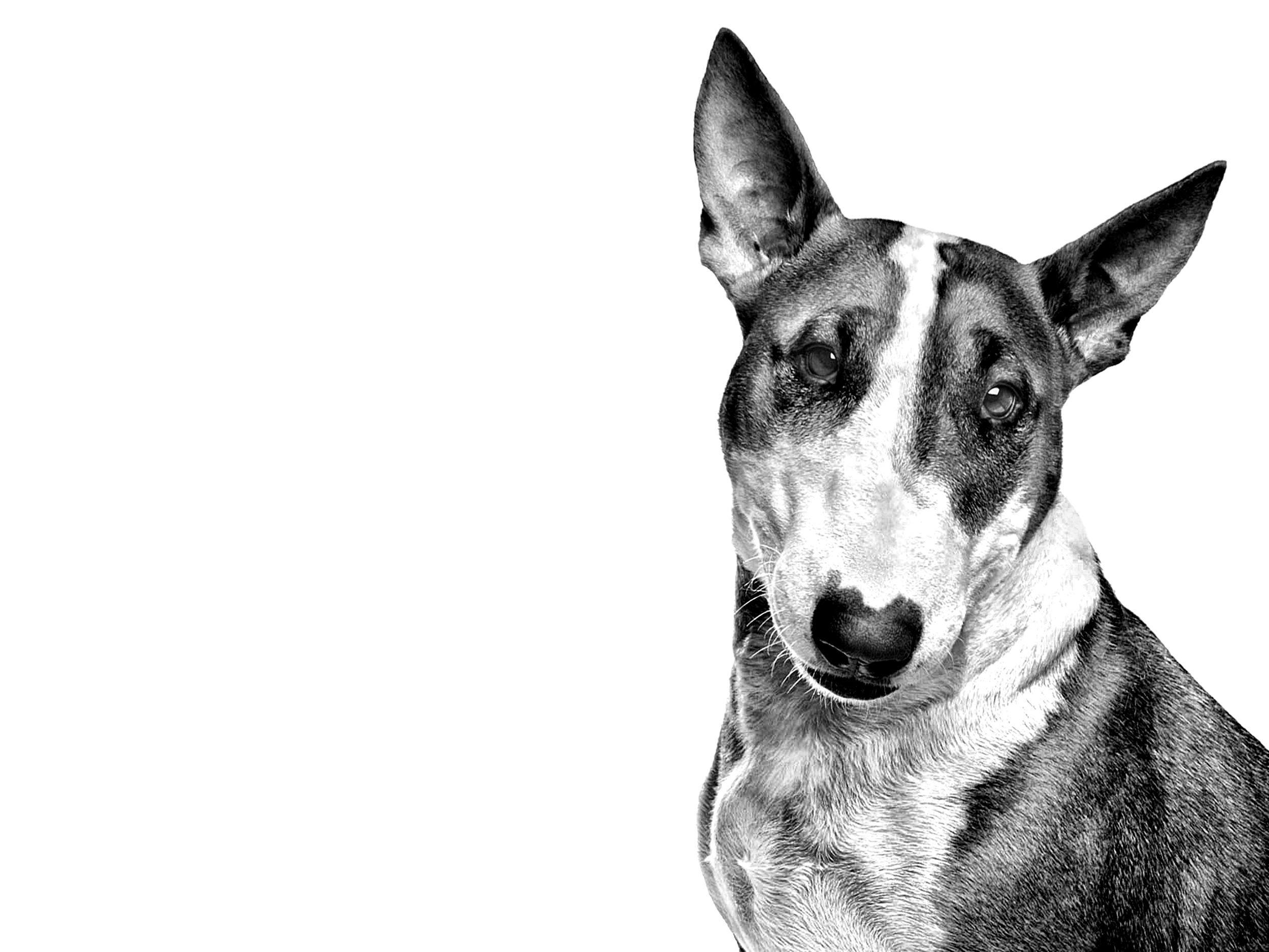
The Bull Terrier lives up to the canine moniker of ‘(wo)man’s best friend’. They welcome anyone and everyone with open paws, making them a faithful and affectionate companion. You will find the Bull Terrier wherever the action is, as they like to stay busy and as close as possible to their people. Their intelligence makes the Bull Terrier a fantastic playmate and with consistent training, the Bull Terrier is a welcome addition to the family unit, capable of getting on very well with children.
Official name: Bull Terrier
Other names: English Bull Terrier, Bully
Origins: United Kingdom
Tendencia a babear
{score 0 out of 5}Nivel de muda de pelo:
{score 0 out of 5}Nivel de energía
{score 0 out of 5}Compatibilidad con otras mascotas
{score 0 out of 5}¿Clima cálido?
{score 0 out of 5}Apto para vivir en departamento
{score 0 out of 5}¿Mascota familiar? *
{score 0 out of 5}
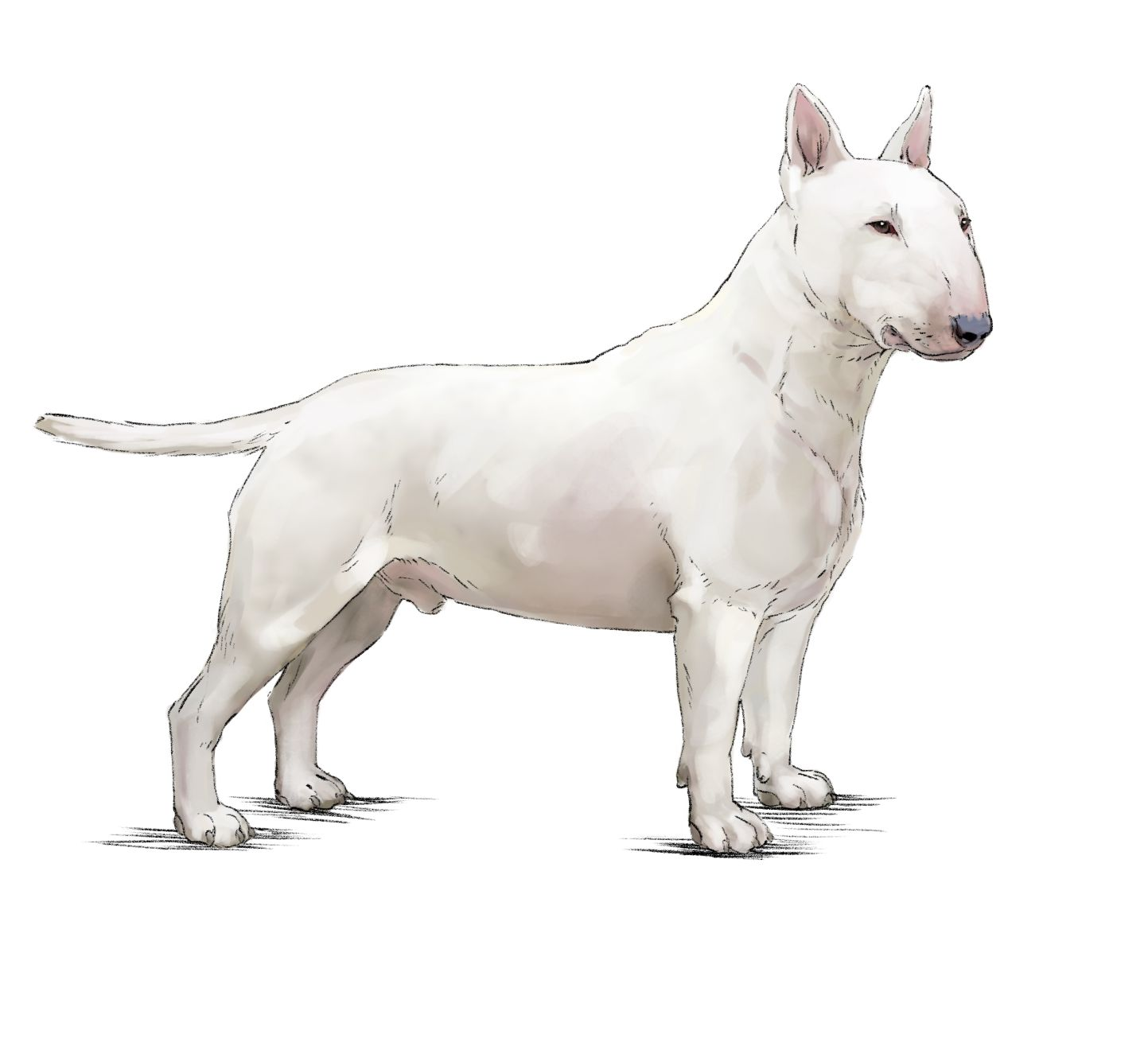
| Macho | Hembra |
|---|---|
| Altura | Altura |
| 56 - 57 | 53 - 54 |
| Peso | Peso |
| 25 - 30 | 20 - 25 |
| Adulto | |
|---|---|
| 1 to 7 years | |
| Madurez | Adulto mayor |
| 7 to 10 years | 10 years onwards |
| Bebé | |
| Birth to 2 months | |
Get to know the Bull Terrier
All you need to know about the breed
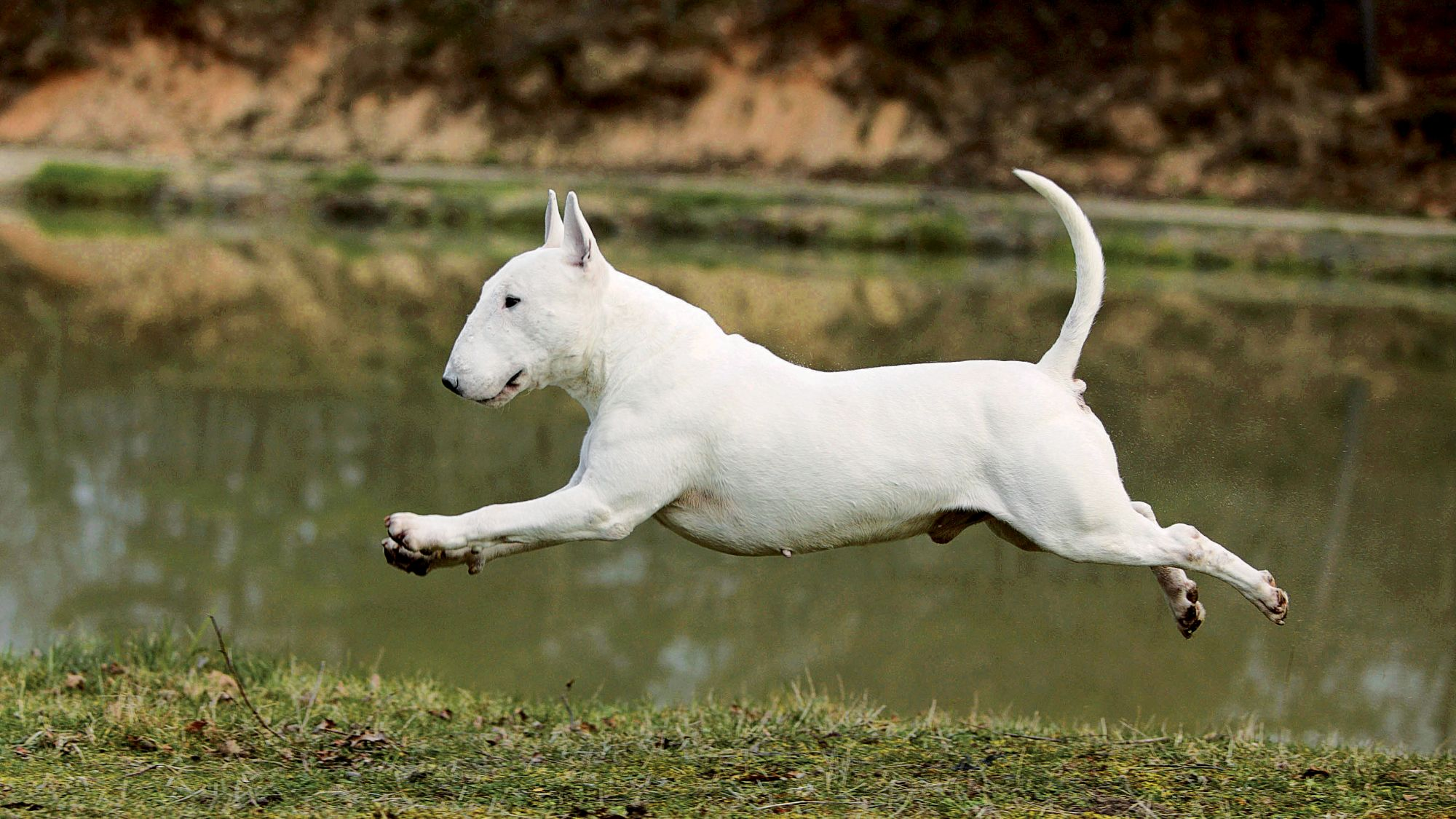
There is never a dull moment with a Bull Terrier around. Friendly. High energy. Loyal. They are a charming breed, who also like to play the class clown from time to time. With their unique egg-shaped head, they have won hearts many times over.
¡Los tipos activos solo necesitan aplicar! El ejercicio para tu Bull Terrier debe ser de entre 30 y 60 minutos diarios, y sobresalen cuando se les dan tareas divertidas como flyball o ejercicios de agilidad. El Bull Terrier se adapta a un dueño confiado, que será firme y constante en su enfoque de entrenamiento, llevándose a su paso la tenaz racha de la raza. En general, enseñar a tu Bull Terrier debe ser una experiencia agradable para ambas partes, ya que la raza aprende rápidamente y le gusta complacer a sus dueños.
El Bull Terrier prefiere mucho estar cerca de la gente y no le va bien si se deja a sus propios dispositivos. La socialización temprana lo convierte en un canino súper sociable, que es genial para ser un perro guardián y se siente cómodo entre la multitud.
The Bull Terrier is always down to play, which makes them great company for older children who show them respect. Younger children however may find the breed a little too boisterous - he never means any harm but just gets over excited when the fun happens. However, if you’re looking for an affectionate and loving canine companion and enjoy a good amount of daily exercise, then the Bull Terrier may well be the breed for you.
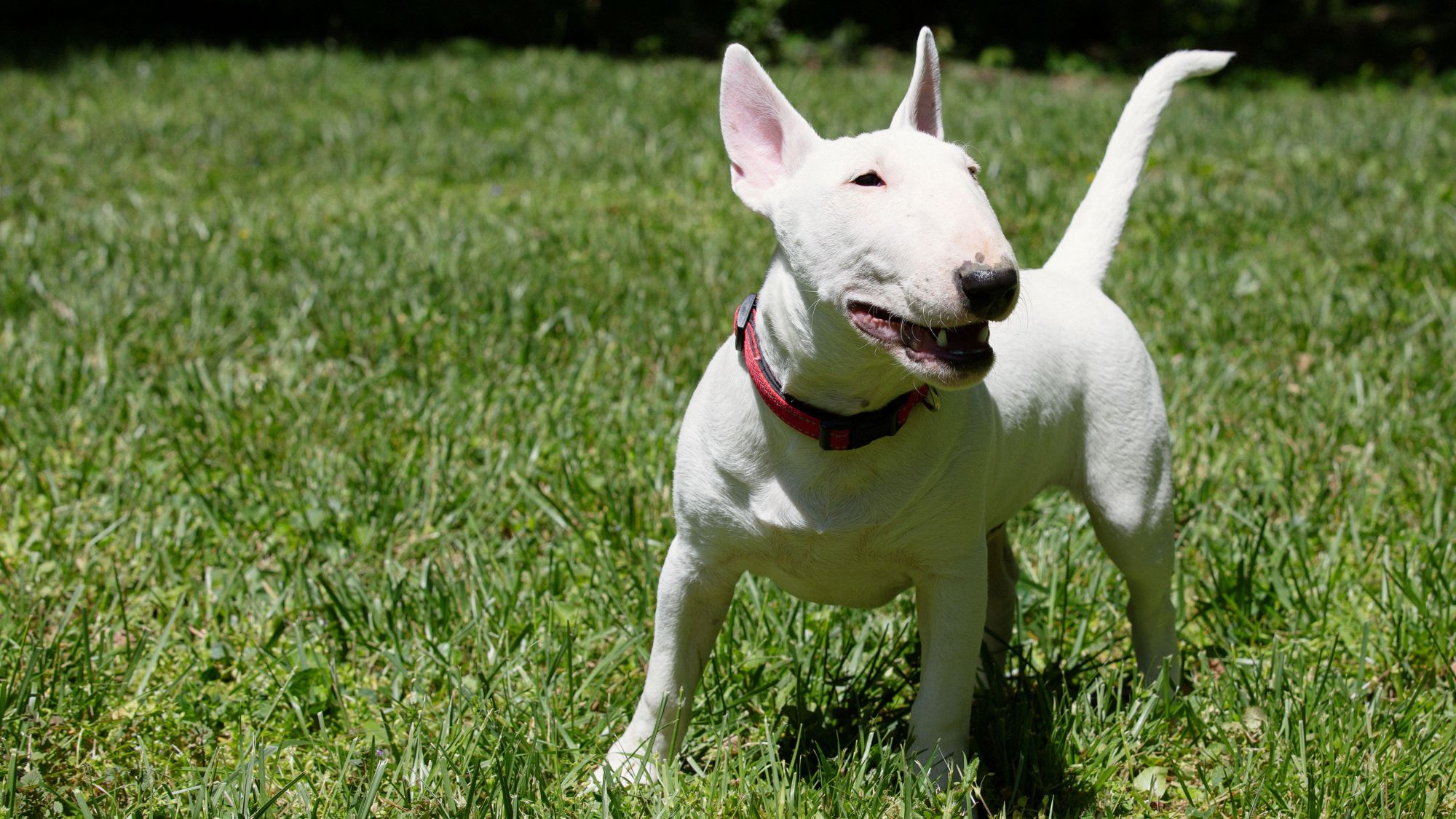
2 facts about Bull Terriers
1. Mister Lonely
Un Bull Terrier prefiere compañía, por lo que esta no es la raza para ti si el trabajo implica viajar o largos días fuera de casa. Si se dejan entretenerse, es probable que coman cualquier cosa en la que puedan hundir los dientes. Un Bull Terrier no esperará tu atención indiviso las 24 horas, los 7 días de la semana, ¡simplemente les encanta estar cerca de la gente! Mariposas sociales, si se quiere.
2. Más ejercicio por favor
Exercising a Bull Terrier is not just physical, they also need their minds to stay sharp on a daily basis. Take your Bull Terrier for a jog or a long walk - always on a leash to prevent them wandering off - but also buy them interactive toys that will work their brain cells. The Bull Terrier will expend their energy in whatever way paw-sible, so the more entertaining you make it for them, the more devoted they will be to you.
History of the breed
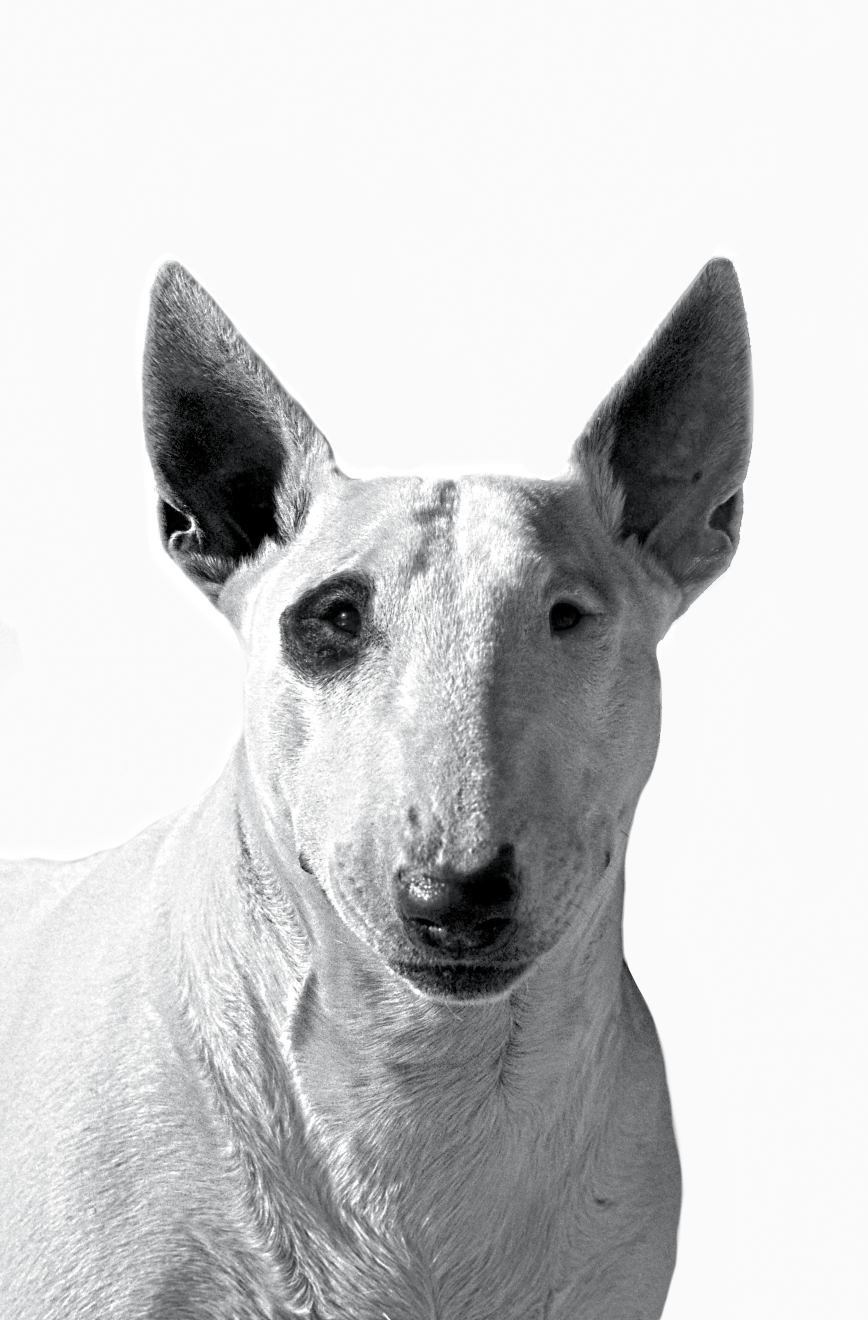
Rebobinemos hasta 1835, cuando el Bull Terrier apareció por primera vez en escena. Cruce entre un Bulldog y un Terrier Inglés (ahora extinto), el Bull Terrier era conocido por su fuerza y éxito en el ring de lucha de perros.
En 1860, un inglés llamado James Hinks se propuso crear un Bull Terrier recubierto de blanco, que marcó una nueva tendencia. De pronto la raza se convirtió en el compañero imprescindible de distinguidos caballeros en toda Inglaterra. Esto llevó a que fueran apodados “Caballero Blanco”, por su manera digna hacia las personas a la vez que eran feroces en el ring.
Happily, dog-fighting is now a thing of the past but the Bull Terrier remains as sweet and friendly as ever - with a silly side to boot that they’re not afraid to reveal. The American Kennel Club (AKC) first registered the breed in 1885, with a Bull Terrier named Nellie II. In 1936, the coloured Bull Terrier variety was officially recognised, and more recently, in 1992, the Miniature Bull Terrier was recorded as a separate breed
Much like his distant relatives, the American Staffordshire Terrier and the Staffordshire Bull Terrier, many still believe the Bull Terrier of today to be some sort of canine gladiator. Brave, yes. Likes to stay active, also yes. But in reality, the Bull Terrier makes for an affectionate and loyal companion - for life.
From head to tail
Physical characteristics of Bull Terriers
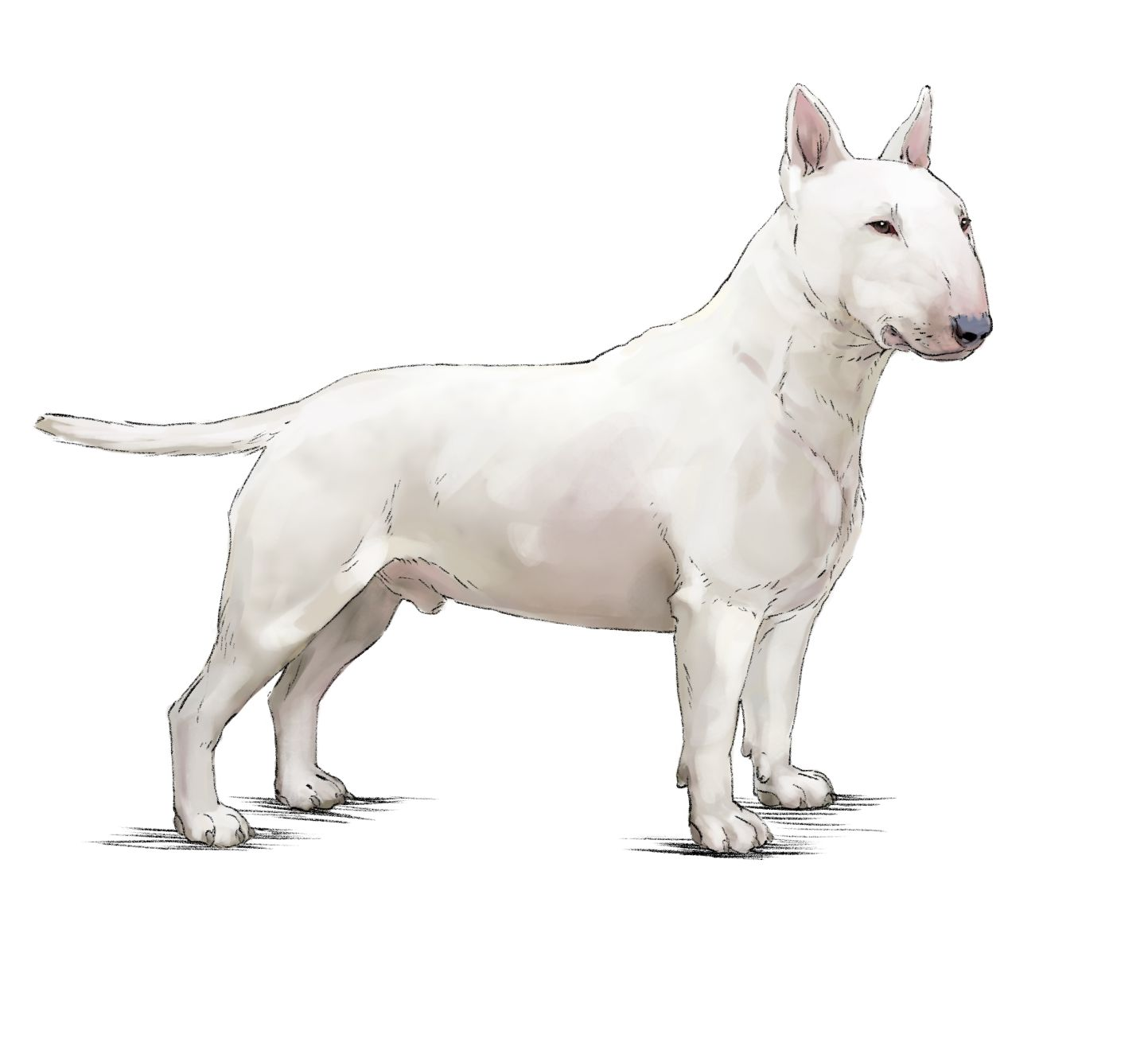
1.Head
2.Ears
3.Eyes
4.Coat
5.Body
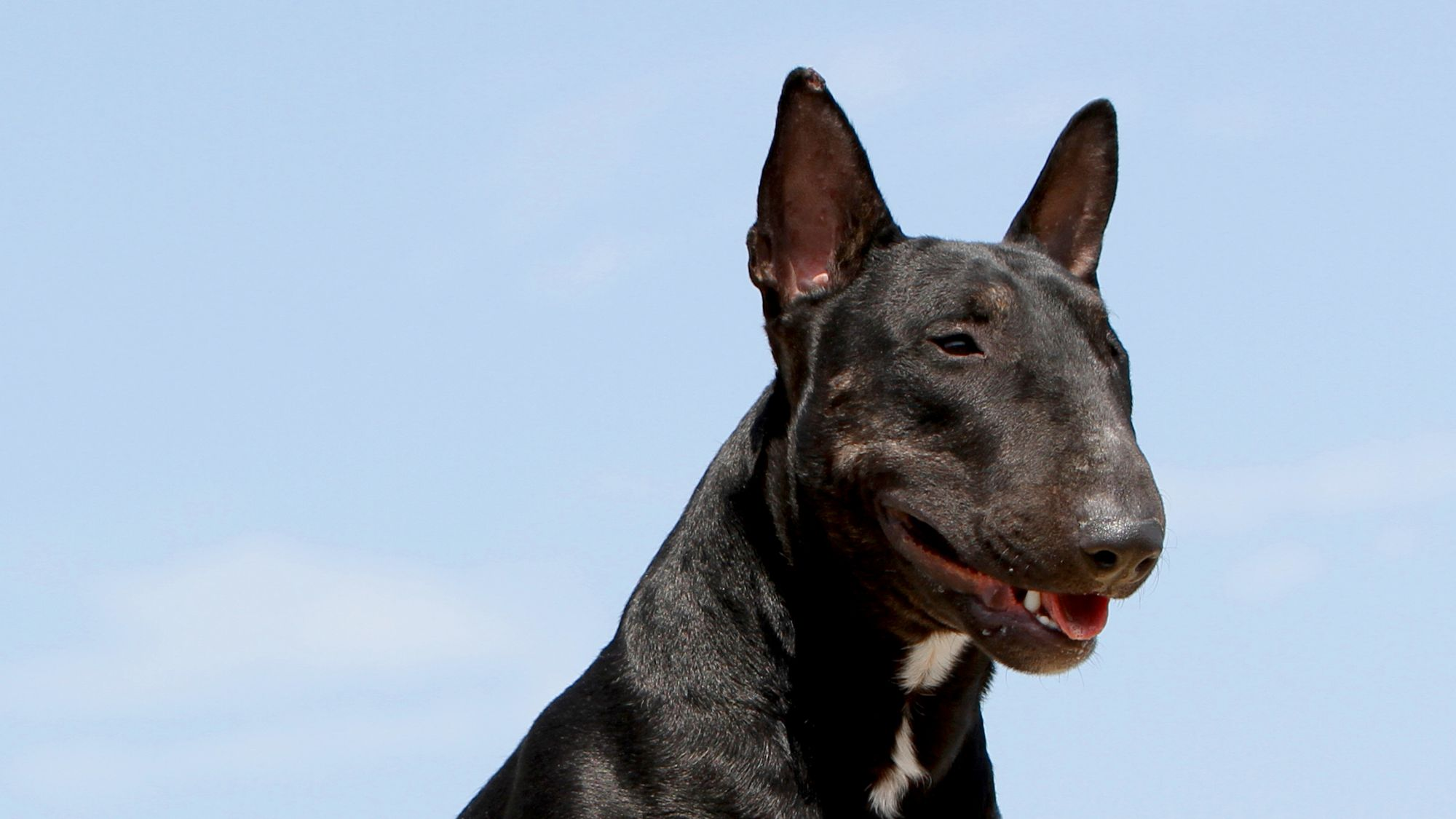
Things to look out for
From specific breed traits to a general health overview, here are some interesting facts about your Bull Terrier
Tipo de piel: sensible
Los Bull Terriers son una raza bastante saludable en general, pero una cosa a tener en cuenta es la piel sensible, especialmente las que tienen bata blanca. La raza también puede tener alergias de contacto con polvo, polen o detergentes de lavado. Mantenga un ojo de cerca para las erupciones o irritaciones durante el cepillo semanal, que puede ser fácilmente tratado por su veterinario. También hay opciones de tratamiento a largo plazo si es necesario, ¡para que tu Bull Terrier se sienta bien!
Girando alrededor
Los Bull Terriers jóvenes (6 meses +) a veces pueden desarrollar una obsesión por perseguir su cola. A menudo, esto sugiere que están aburridos, en cuyo caso hay una solución simple. ¡Más ejercicio, tanto físico como mental! Juega un juego con tu Bull Terrier o distraerlos con un agradable paseo afuera. Si esto no funciona, no entres en un giro en cuclilla por tu cuenta. Consulte a su veterinario, quien le sugerirá un medicamento para ayudar a su compañero canino o lo derivará a un conductista de confianza.
Healthy diet, healthier dog
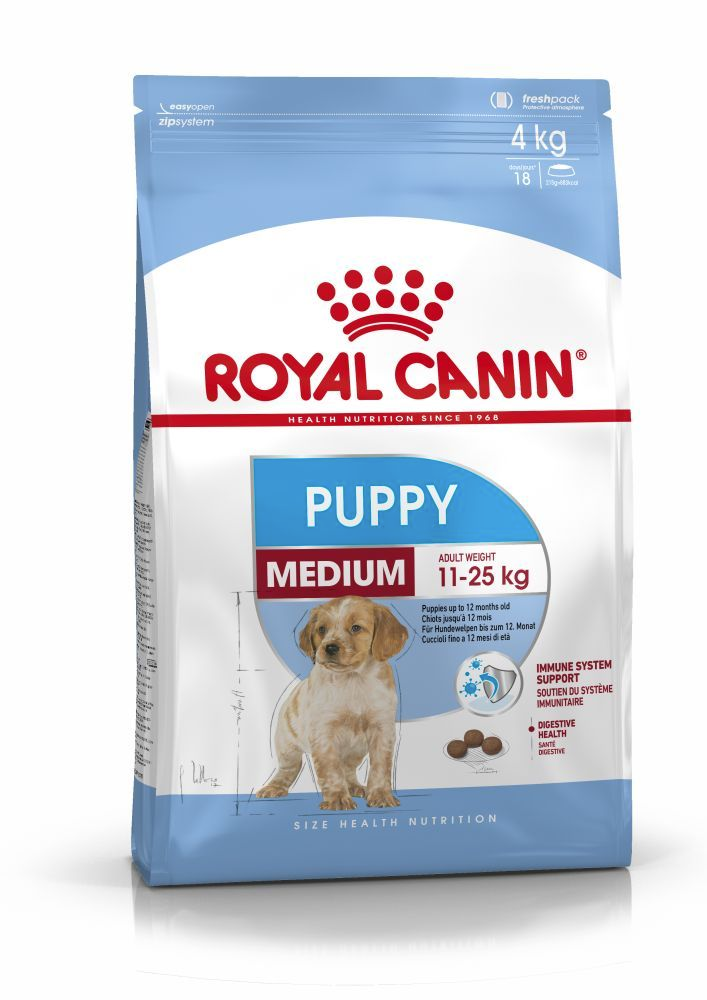
When choosing food for a Bull Terrier, there are many factors to consider: their age, lifestyle, activity level, physiological condition, and health including potential sickness or sensitivities. Food provides energy to cover a dog’s vital functions, and a complete nutritional formula should contain an adjusted balance of nutrients to avoid any deficiency or excess in their diet, both of which could have adverse effects on the dog.
El agua limpia y fresca debe estar disponible en todo momento para apoyar una buena regularidad urinaria. En climas cálidos y especialmente cuando salga a hacer ejercicio, traiga agua para las frecuentes pausas de agua de su perro.
Las siguientes recomendaciones son para animales sanos. Si tu perro tiene problemas de salud, consulta a tu veterinario quien te recetará una dieta exclusivamente veterinaria.
La ingesta de energía también puede tener que adaptarse a las condiciones climáticas. Un perro que vive al aire libre en invierno tendrá mayores requerimientos energéticos.
A Bull Terrier puppy’s requirements, in terms of energy, protein, minerals, and vitamins, are much greater than those of an adult dog. They need energy and nutrients to maintain their body, but also to grow and build it. Until they are 12 months old, a Bull Terrier puppy’s immune system develops gradually. A complex of antioxidants - including vitamin E - can help support their natural defences during this time of big changes, discoveries, and new encounters. Their digestive functions are different from an adult Bull Terrier’s, too: their digestive system is not mature yet so it’s important to provide highly digestible proteins that will be effectively used. Prebiotics, such as fructo-oligosaccharides, support digestive health by helping balance the intestinal flora, resulting in good stool quality.
De manera similar, los dientes de un cachorro —empezando por los dientes de leche, o los primeros dientes, luego los permanentes— son un factor importante que debe tenerse en cuenta a la hora de elegir el tamaño, la forma y la textura de las croquetas. Esta breve fase de crecimiento también implica grandes necesidades energéticas, por lo que el alimento debe tener un alto contenido energético (expresado en Kcal/100 g de alimento), mientras que las concentraciones de todos los demás nutrientes también serán más altas de lo normal en un alimento de crecimiento especialmente formulado. Se recomienda dividir la asignación diaria en tres comidas hasta que tengan seis meses de edad, luego cambiar a dos comidas diarias.
A lo largo de su vida, es importante evitar alimentar a Bull Terriers con alimentos humanos o snacks grasos. En su lugar, recompéntelos con croquetas tomadas de su ración diaria de comida, y siga estrictamente las pautas de alimentación escritas en el paquete para evitar un aumento excesivo de peso.
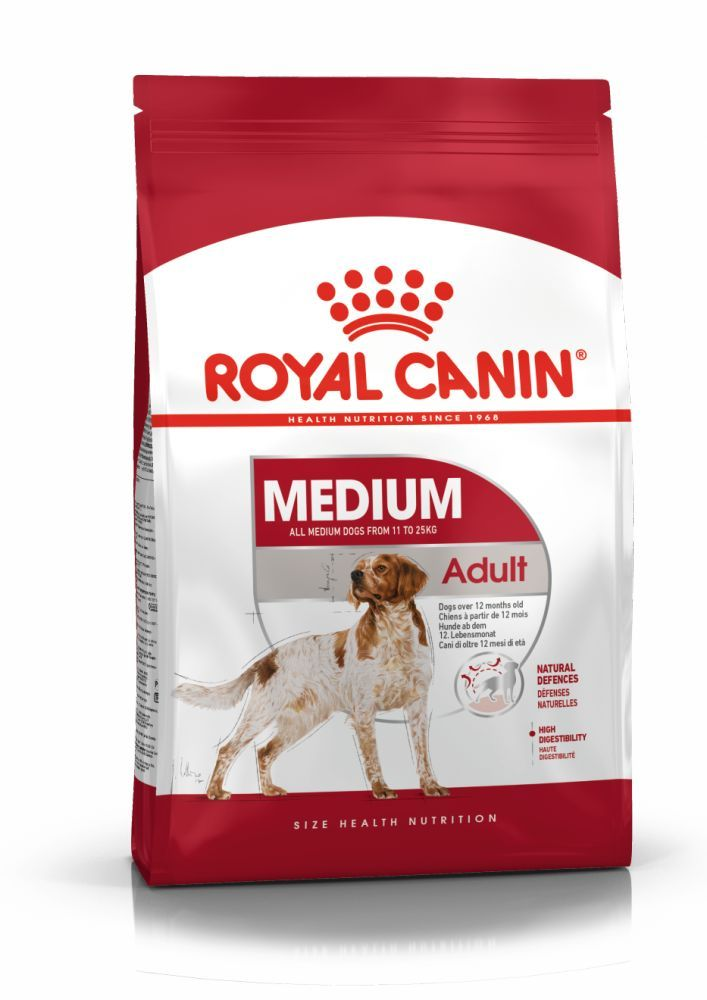
The main nutritional goals for adult Bull Terriers are:
Maintaining an ideal body weight by using highly digestible ingredients and keeping the fat content at a sensible level
Promoting optimal digestibility with high quality protein and a balanced supply of dietary fibre
Helping to preserve the health and beauty of the skin and coat with the enriched addition of essential fatty acids (especially EPA-DHA), essential amino acids, and B vitamins.
Para ayudar a mantener sus defensas naturales, se recomienda una fórmula enriquecida con un complejo antioxidante y que contenga manano-oligosacáridos.
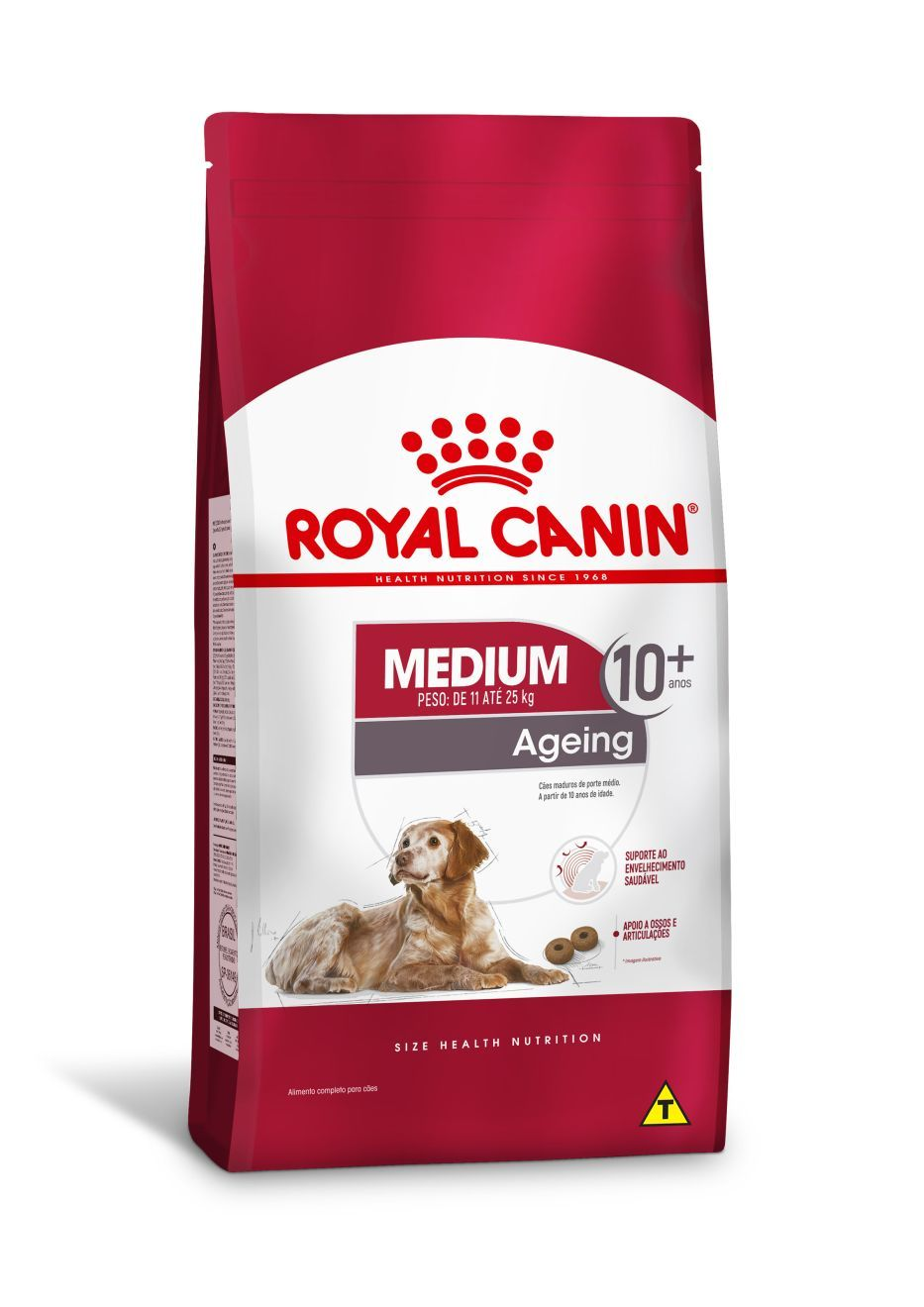
At around 7 years old, Bull Terriers start facing the first signs of ageing. A formula enriched with antioxidants will help maintain their vitality, and specific nutrients, such as chondroitin and glucosamine, will help maintain healthy bones and joints. Ageing is also accompanied by the modification of digestive capacities and particular nutritional requirements, so food for older Bull Terriers should have the following characteristics:
Mayor contenido de vitamina C y E. Estos nutrientes tienen propiedades antioxidantes, ayudando a proteger las células del cuerpo contra los efectos nocivos del estrés oxidativo vinculado al envejecimiento.
Proteína de alta calidad. Contrariamente a un concepto erróneo ampliamente sostenido, disminuir el contenido de proteínas en los alimentos trae poco beneficio para limitar la insuficiencia renal. Además, los perros mayores son menos eficientes en el uso de proteínas dietéticas que los perros más jóvenes. Reducir el contenido de fósforo es una buena manera de ralentizar el deterioro gradual de la función renal.
Una mayor cantidad de ácidos grasos poliinsaturados para ayudar a mantener la calidad del pelaje. Los perros normalmente pueden producir estos ácidos grasos, pero el envejecimiento puede afectar este proceso fisiológico.
As they age, dogs increasingly suffer from teeth problems. To ensure they continue to eat in sufficient quantities, the shape, size and hardness of their kibble needs to be tailored to their jaw.
A higher proportion of the trace elements iron, zinc, and manganese to help maintain the good condition of the skin and coat.
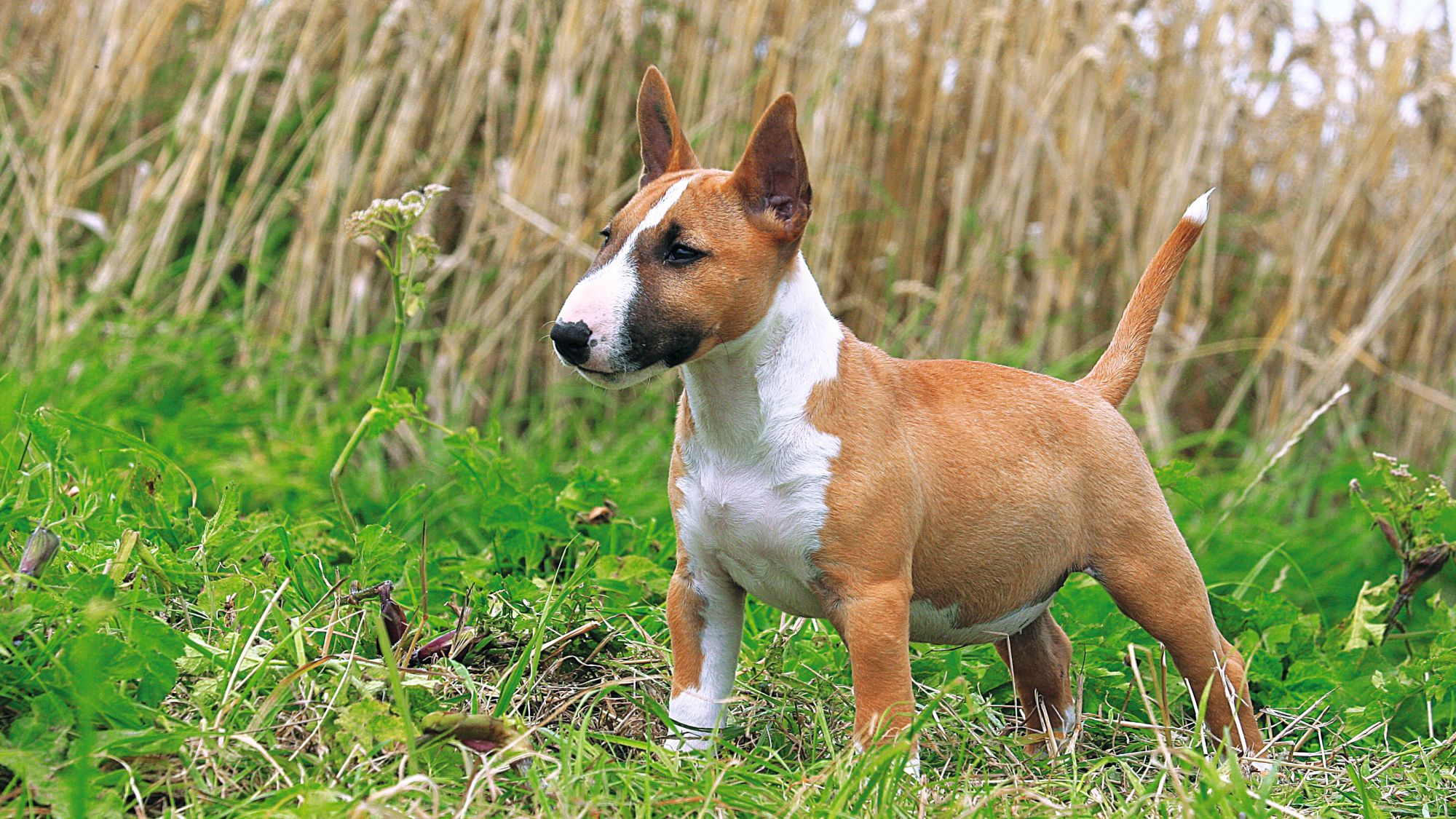
CUIDANDO A TU BULL TERRIER
Grooming, training and exercise tips
7/7
TODO SOBRE BULL TERRIERS
¿Un Bull Terrier es un buen perro de familia?
100% sí. El Bull Terrier es un perro cariñoso, que es capaz de ser igualmente dedicado a todos los miembros de la familia. El Bull Terrier también tiene un lado travieso, lo que los convierte en un compañero entretenido, y se contentan con cansarse jugando con niños mayores. Enseñar a los Bull Terrier buenas habilidades sociales desde que son cachorros dará como resultado un compañero plácido que es leal hasta el final.
¿Un Bull Terrier es un buen perro guardián?
When it comes to protecting the ones that they love, the Bull Terrier is top of the class. The breed’s muscular physique is often enough of a deterrent for wannabe burglars, especially when coupled with their loud bark, which the Bull Terrier rarely uses. Word of warning, the Bull Terrier’s natural protective instincts should not be developed any further - keep the breed a lover, not a fighter.
Suggested Breeds
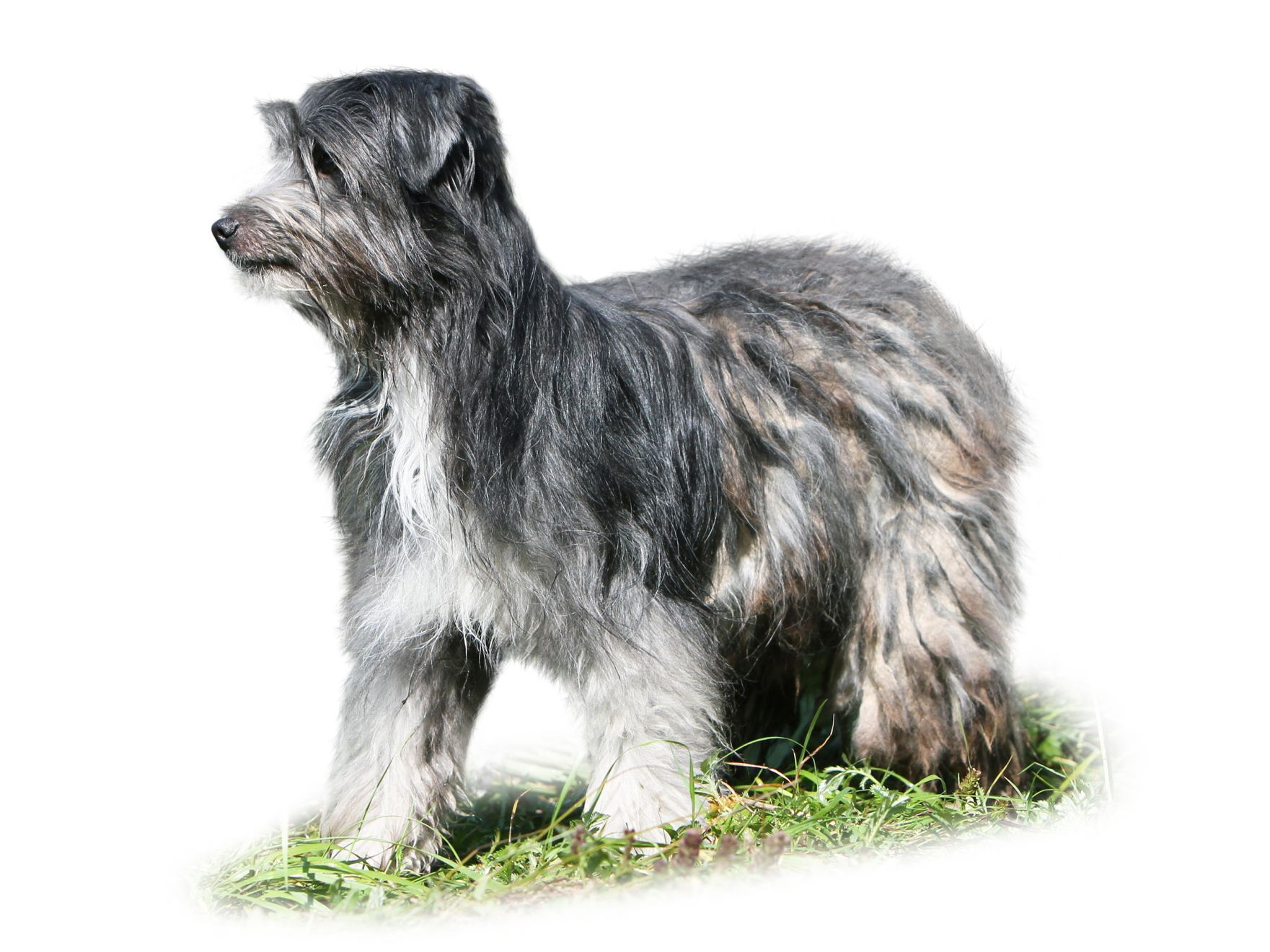
Read more on this topic
Sources
- Veterinary Centers of America https://vcahospitals.com/;
- Royal Canin Dog Encyclopaedia. Ed 2010 and 2020
- Banfield Pet Hospital https://www.banfield.com/
- Royal Canin BHN Product Book
- American Kennel Club https://www.akc.org/
Like & share this page