When do kittens first open their eyes?
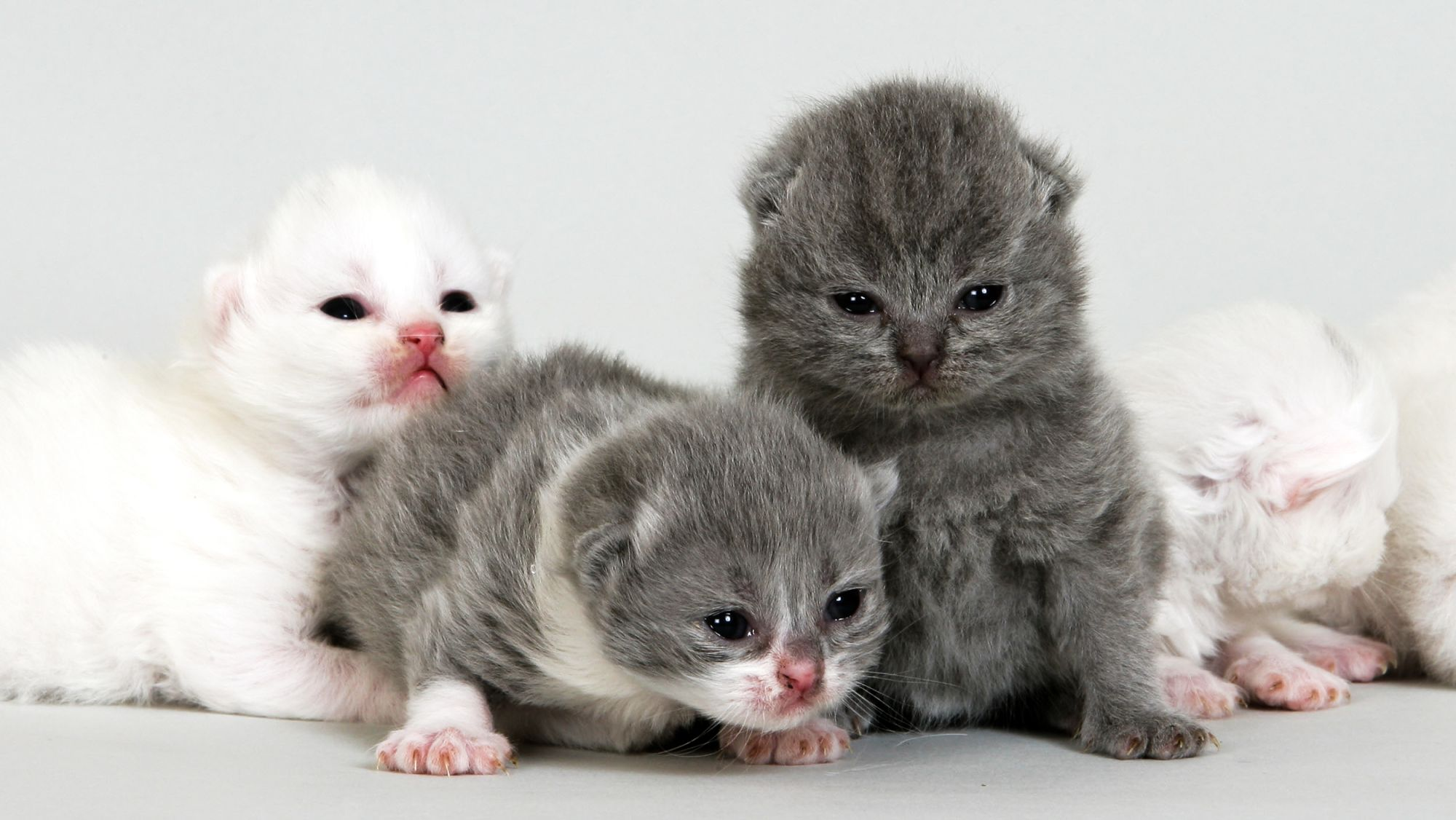
Your kitten's eyes opening is the first big milestone in a kitten's life, signalling their transition from helpless little one to the kind of rambunctious adult cats we know and love. They are born with their eyes shut tight and unable to see, folded ears and cannot regulate their body temperature.
Your kitten's eyes will open when they are around two weeks old. Their ears will unfold as their canals open. But it will take two months to develop those senses enough to resemble an adult cat's visual acuity and hearing.
Article
Kitten development milestones
Birth to 8 days
During stage one of a kitten's life, they are helpless. Unable to see, hear, or regulate their own body temperature, they depend entirely on their mother to meet all their needs. The umbilical cord is still present, and most of their movement is directed towards their mum for warmth and nutrition.
Even though a kitten's eyes and ears are closed, exposure to bright lights and loud noises can cause eyesight and hearing damage.
At the very beginning, kittens suckle colostrum from their mother. Colostrum is rich in antibodies and supports their undeveloped immune system. They cannot urinate or defecate at this age, so their mother must stimulate them to pass their waste.
8 to 12 days
The umbilical cord falls off in this stage of your kitten's life. Around eight to twelve days of age, the eyes and ear canals begin to open. As the ear canals open, their ears will unfold from their heads. Their sight and hearing continue to be remarkably undeveloped, leaving them relying heavily on their senses of touch and smell.
2 weeks
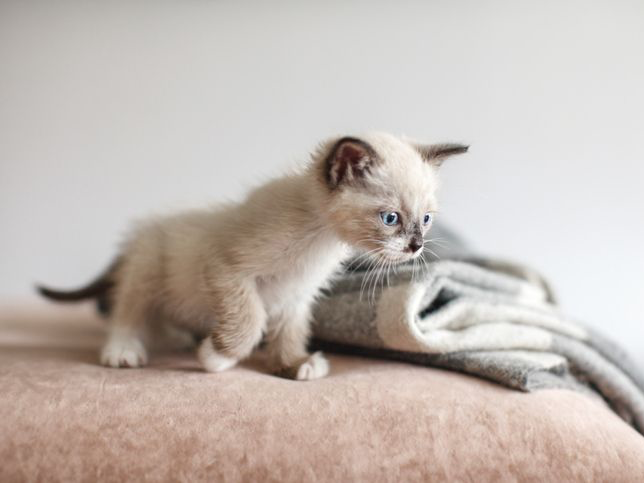
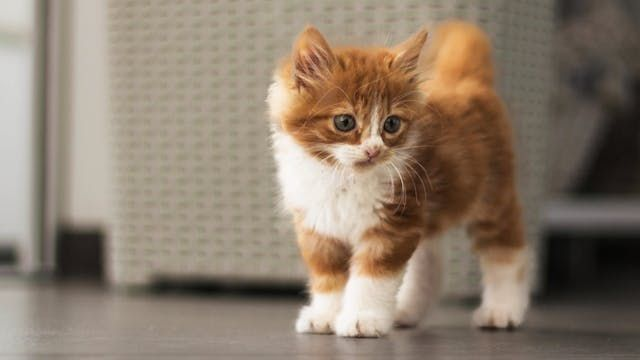
At around two weeks, your kitten's eyes will be completely open, and their ears will continue to unfold. They won't have full vision for a few weeks yet. All kittens start with blue eyes until they become the cat’s permanent eye colour at eight weeks. For example, A Tabby will have blue eyes at first, but they change to amber or brown as they get older. However, some breeds such as Siamese, will keep the blue eyes.
3 weeks
At three weeks old, your kitten has emerging milk teeth and unfolded ears. They stumble around, exploring the litter box and their surroundings. By six weeks, all of their milk teeth will be present.
4 weeks
At four weeks, there is an improvement in their eyesight. Their pupils can dilate and constrict at this age, and their depth perception is developing.
6 weeks
Around six weeks, your kitten's vision and hearing will work well, but not as well as an adult cat until around two months. They can get around, socialise with their siblings, are weaned, and use the litter box. Some will go to their new families at this age but leaving them with their mother until they are eight weeks old helps them learn proper cat behaviours and socialisation.
How do your kitten's eyes differ from ours?
Shape matters
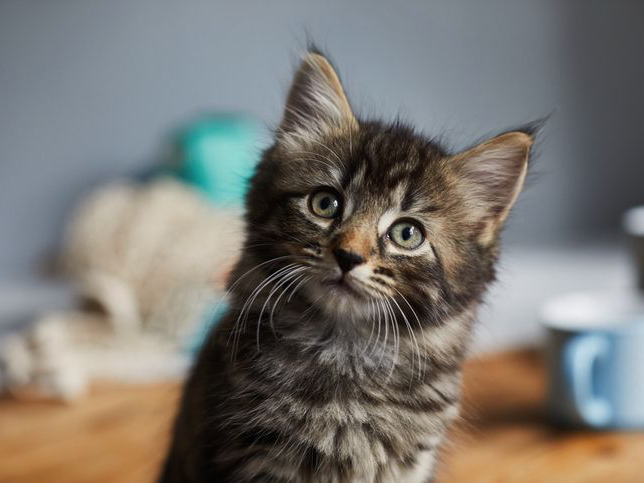
Cats' pupils are elliptical, allowing them to adjust to changes in light much quicker than we can.
Extra layer
Those eyes also contain the tapetum lucidum. This gel-like layer of tissue in the back of their eyes acts like a mirror, illuminating any available light coming into the eyes. It also enables cats to see in only 1/6th of the light we humans need.
Third eyelid
They also have a third eyelid called the nictitating membrane. It protects the eye from injury. When the eye tissue becomes inflamed, the third eyelid protects the eye by partially closing and covers it when your cat sleeps. Often, if you can see the third eyelid, it could mean your cat is not feeling well.
What does your kitten see?
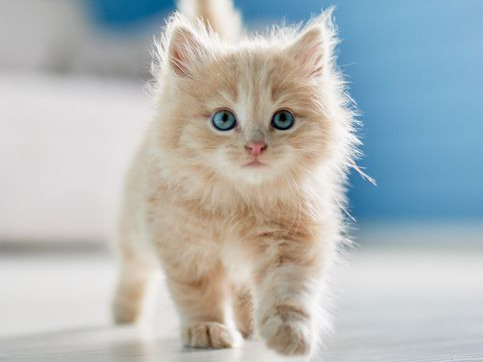
Cats have an amazing ability to see well in low light and detect even the slightest movement. However, as your kitten's eyes develop, they must be protected from bright light to reduce the risk of eye damage.
Sensory receptors
Cats have two types of sensory receptors— rods and cones. Rods support vision during daylight, and cones support vision in low light. With 200 million rods, a cat is well suited to seeing in low light.
Colour field
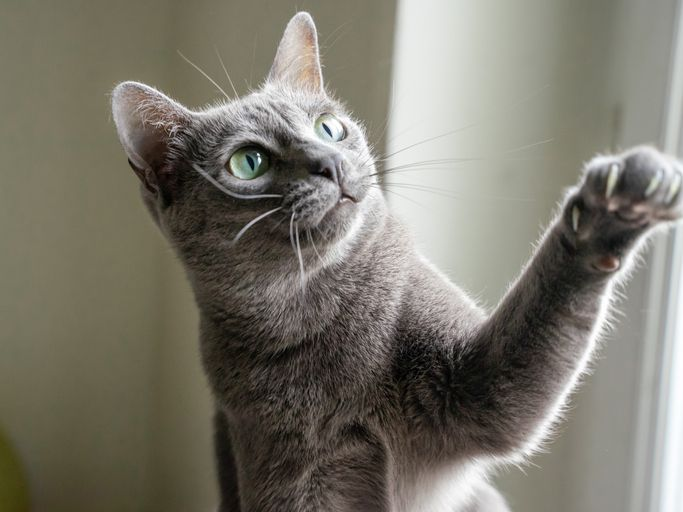
Cones in the eyes help us see different colours. Humans have three types of cones that let us see green, blue and red. Cats have two types and only see green and blue.
Motion perception
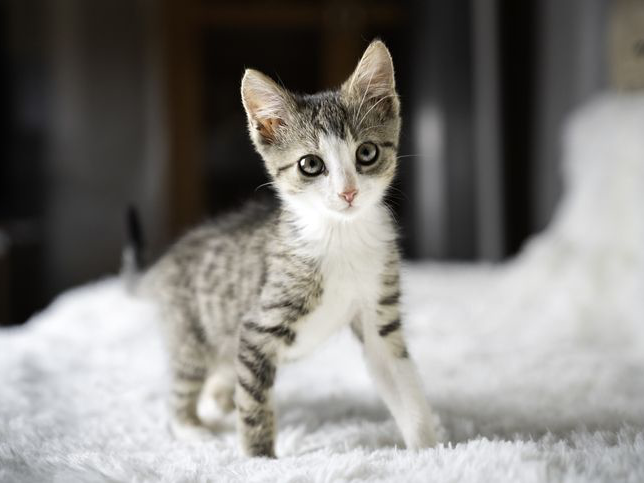
Cats can see movement very well but have difficulty finding motionless prey. Their daytime vision is unclear since they do not see all the colours, and their close-up vision is not as sharp.
It adds up
These unique differences in eye structure allow your kitten to detect motion from a distance, have exceptional vision in low light, and the third eyelid protects their eyes from injury. So, you can see how your cat is perfectly suited to be active after dark.
Your kitten's vision—and hearing—timeline
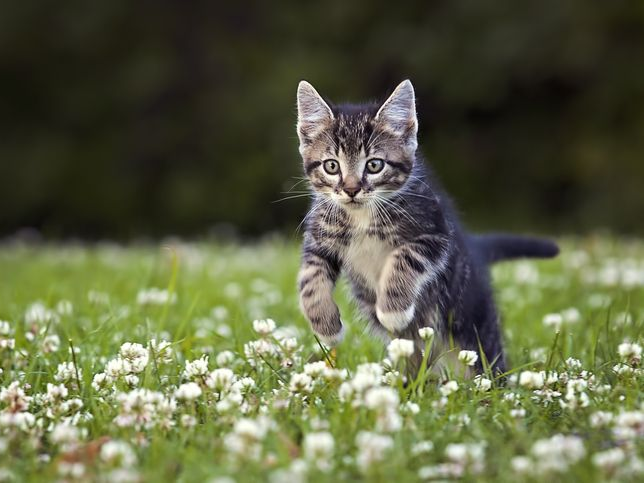
As your kitten's eyes open, their vision will start out blurry and slowly clear up. By the time they are six weeks old, their vision will be pretty clear. Their ears are also on a similar timeline and will develop over time until both senses are as sharp as adult cats.
When should you be concerned about your kitten's eyes?
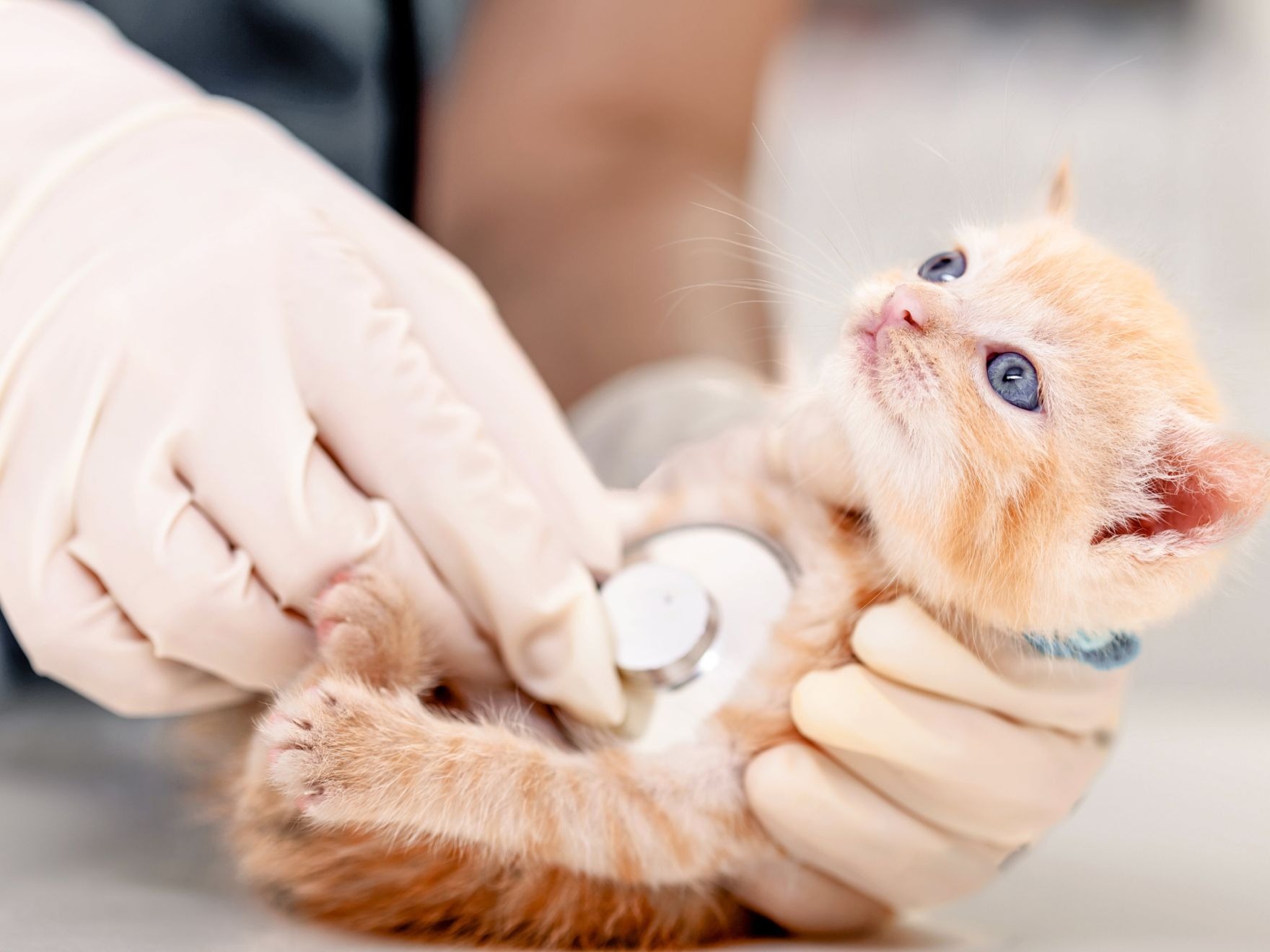
Not all kittens' eyes open up at the same time, or even both eyes together. But if your kitten's eyes have not opened by two weeks, take them to your veterinarian to rule out any problems or abnormalities.
Kittens can develop crusty secretions in their eyes. It's vital to keep your kitten's face and eyes clean. Bacterial and viral infections are common and can damage eyesight—routinely grooming your kitten will reduce the risk of them. Kitten eye care involves washing your kitten's face gently with a soft cloth and warm, clean water. Wipe the eyes from the nose outward. Be careful not to force their eyes to open. They must open naturally.
Other potential eye problems indicating a vet visit for kittens are:
- Entropion: The eyelids turn in, causing discomfort and inflammation to the eye and lids
- Conjunctivitis: Inflammation of the tissue inside the eyelids
- Epiphora: A tear duct is wholly or partially obstructed
- Prolapse: The third eyelid is visible
- Retinal detachment: This can happen from a blow to the head or a significant drop and can seriously affect their vision if left untreated
When to seek professional help:
If you notice your kitten has red eyes, discharge, crust, a bump under the eyelid, swelling, itching, poor space location, and frequent startles.
Related articles

Like & share this page