Preventive veterinary care for your cat
Preventive veterinary care is everything you and your vet do to optimise your cat’s health and vitality throughout all of your cat’s life stages. Healthy cats are happy cats after all.
Like so many cat lovers, you may wonder what you can do to contribute to your cat’s best life. An annual cat health checkup is one of those things. It helps your pet’s veterinarian detect diseases or conditions you may not have noticed, enabling early treatment.
On this page you will find the following articles
- Article
What are the benefits of cat identification ID tags and microchips?
Microchips and ID tags are effective methods for quick identification if your cat goes missing. Cats with contact information tags attached to their collars and microchips are more likely to be reunited with their owners than those without. See why your cat needs identification (ID) and the most effective methods. - Article
Should you neuter your cat?
Did you know that sterilising your cat improves their life expectancy and enhances their wellbeing? Find out more about the process and, once it’s done, how to help keep your castrated male cat or spayed female cat healthy. - Article
Why do cats need vaccines?
Giving your cherished feline companion a lifetime of love and the gift of good health includes vaccinations to protect them from harmful diseases. When do cats need vaccinations? Learn about the core vaccines for cats and how to protect your furry friend from potentially life-threatening diseases.



How often should your cat go to the vet?
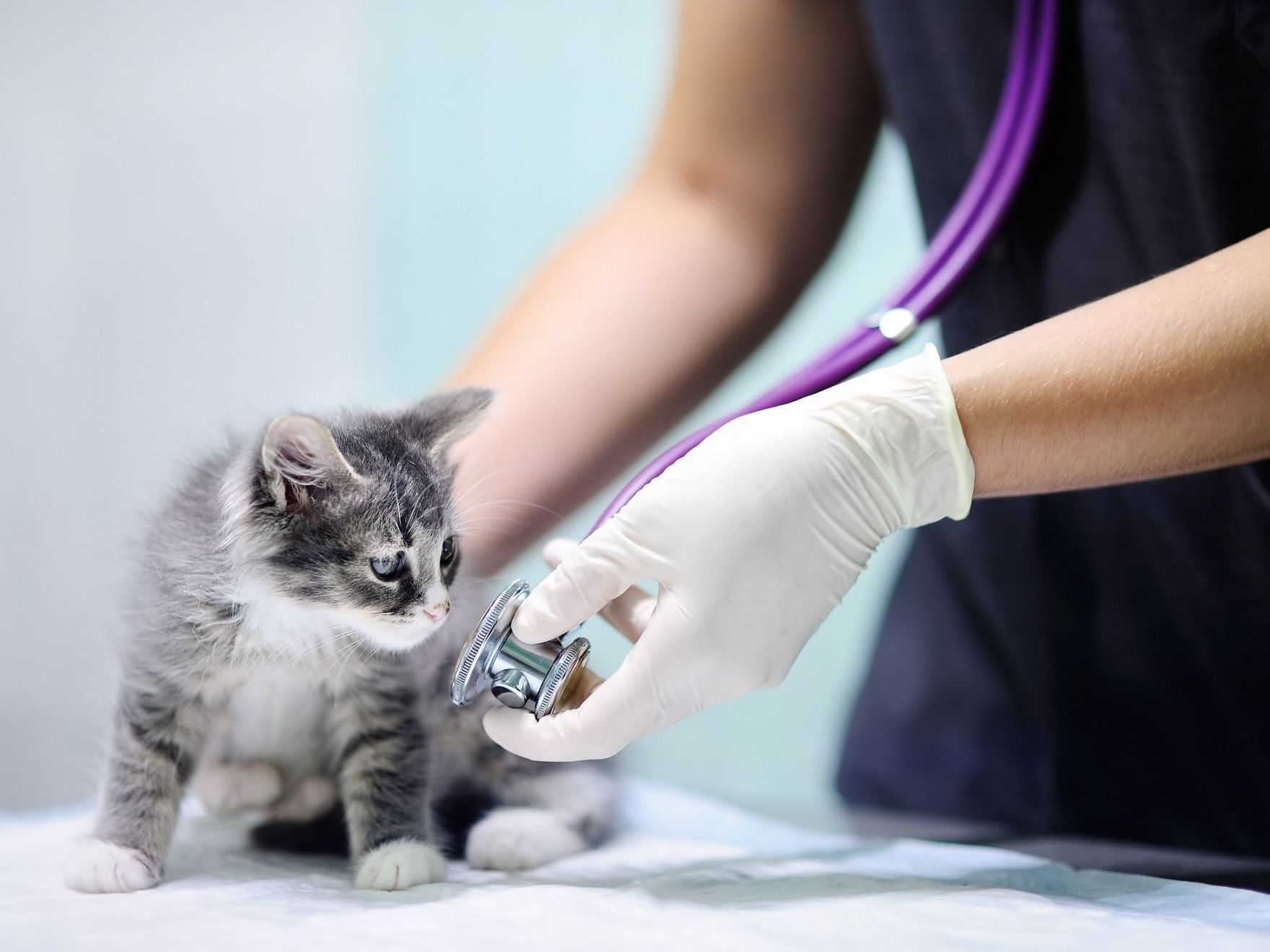
Studies show cat owners are less likely to take their pets to the vet for annual health checks than dog owners. Even if cats tend to live longer than their canine friends, a yearly check-up can help your veterinarian identify any issues, pick up the first signs of disease early and reduce the impact of those diseases over the long term. And that's a win for both your pet and you. Vet visits are always important, but even more so for senior cats.
What happens during your cat’s annual health check?
Your veterinarian will ask questions about your cat’s lifestyle and environment. The answers provide clues that can impact your cat’s health.
Your cat’s survival instinct makes them hide pain and discomfort. Feline health changes can develop gradually. Even if we monitor our cat's health carefully, untrained eyes may not notice those changes—but the annual health examination will.
Physical examination
Eye checks
Annual eye checks can identify the first signs of eye diseases or infections, which makes it easier to treat them over the long term.
Dental care
Oral health impacts your cat’s general health. During a dental care assessment, your vet will examine the integrity of your pet’s teeth and check for dental disease.
Lab tests
Blood tests can detect organ malfunctions, especially in the early stages. Examination of stool samples checks for parasite presence and type.
Vaccines
All cats require vaccines to protect them against common contagious diseases. Those vaccines may vary depending on country or region.
Weight management
Preventive veterinary care involves you, your cat, and your veterinarian working together to improve and maintain your cat’s optimum health and quality of life.
Like & share this page