Let's talk Persians
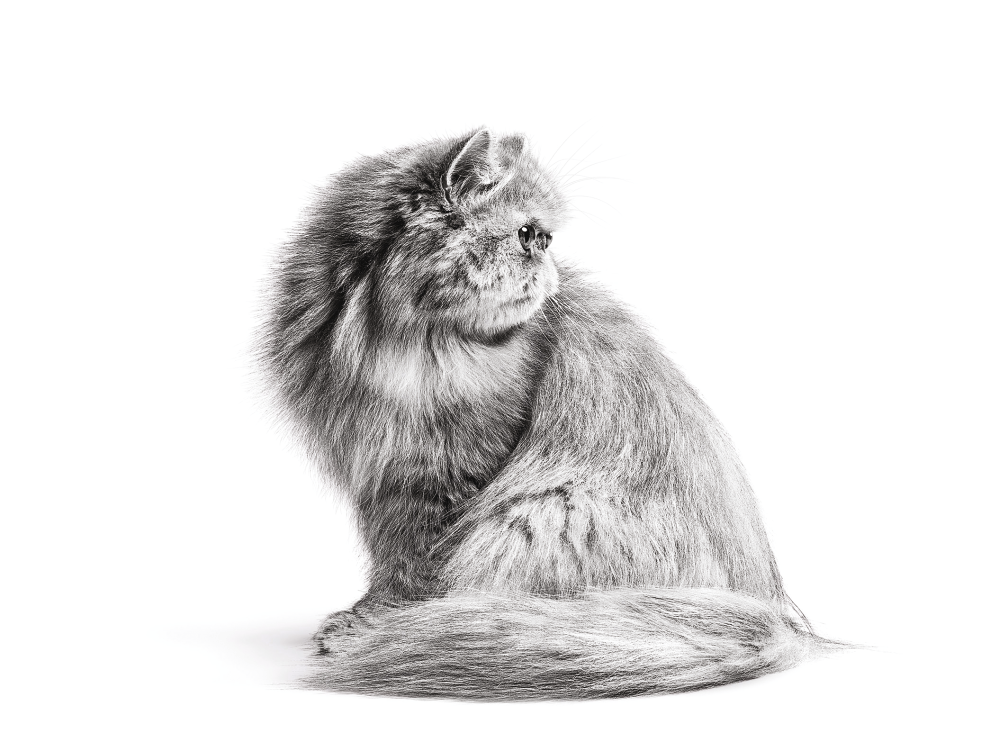
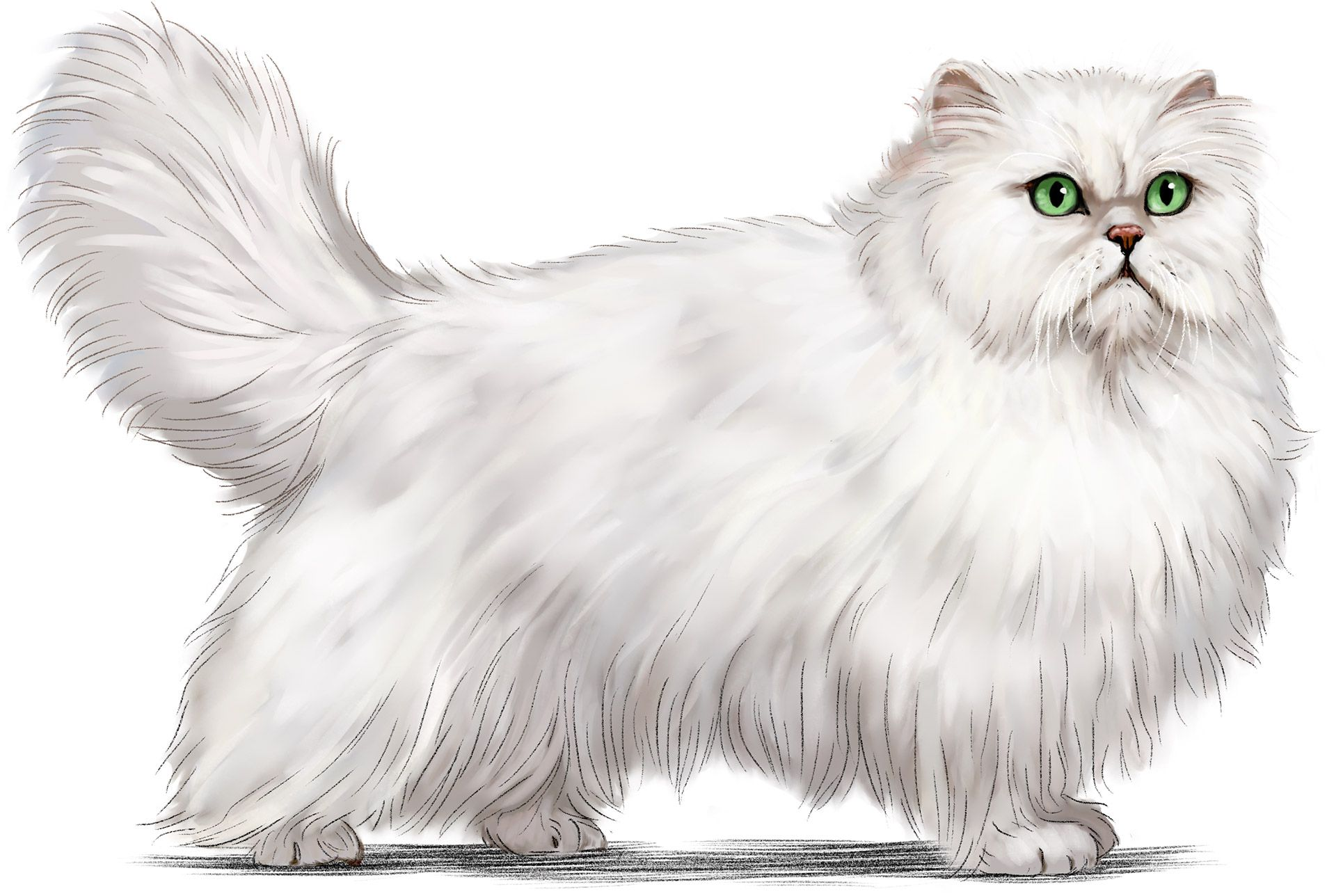
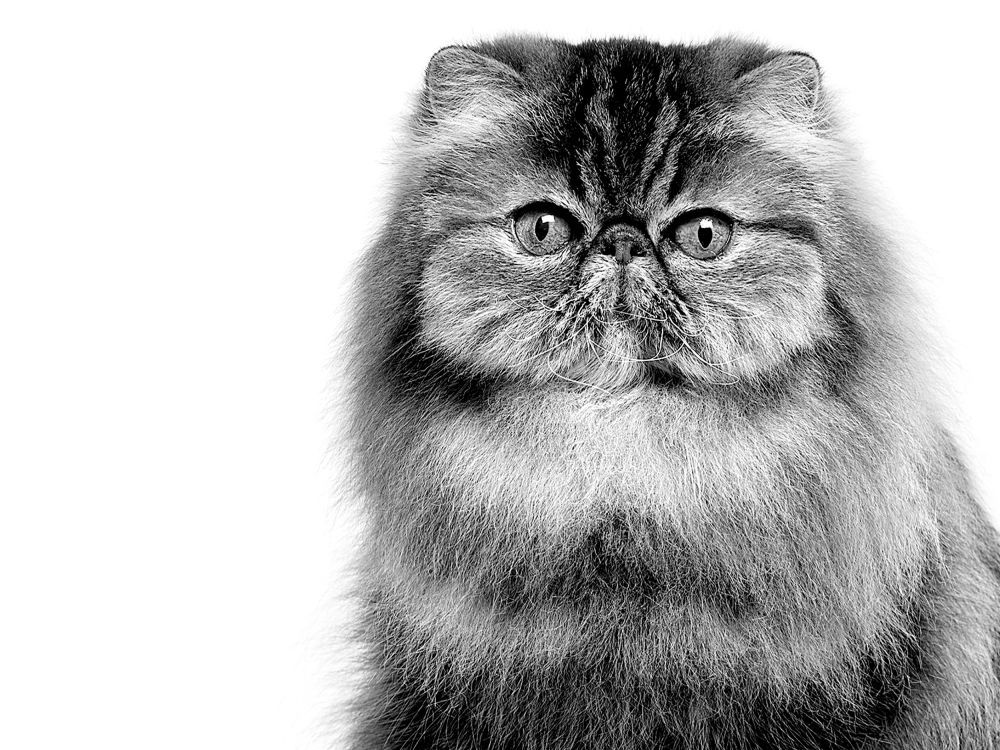
The dignified, sophisticated, and, yes, fluffy Persian cat wins hearts the world over as one of the most popular cat breeds. Could it be the adorable muzzle? The lustrous fur? The subtle demeanor? It’s all of the above with this medium-size cat, who graces any household with quiet grandeur and fulfills its unofficial role as lap cat extraordinaire, preferring a quiet home to a busy one.
Official name: Persian
Other names: Persian Longhair, Longhair
Origins: Iran (originally Persia)
Hair length
5 out of 5Shedding Level
4 out of 5Grooming needs
5 out of 5Energy level*
2 out of 5Vocal
1 out of 5Family pet?*
2 out of 5Compatibility with other pets
2 out of 5Can be left alone
1 out of 5Environment (indoor/outdoor)
2 out of 5
| Male | Female |
|---|---|
| Height | Height |
| 10 - 15 in | 10 - 15 in |
| Weight | Weight |
| 7 - 12 lb | 7 - 12 lb |
| Life stages | |
|---|---|
| Kitten | Adult |
| 4 to 12 months | 1 to 7 years |
| Mature | Senior |
| 7 to 12 years | From 12 years |
Get to know the Persian
All you need to know about the breed
Two facts about Persians
1. Despite hailing from Persia...
Excessive heat is an issue for Persian cats. Given the breed’s luscious locks, this is a breed that does best when it's kept indoors away from excessive sun.
2. Top of the heap
According to the Cat Fanciers Association, North America’s premier cat club, Persians are the most popular breed in the United States and ranked fourth overall in the world in 2023/24³ . The breed itself is not surprised.
History of the breed
Make sure that if the Persian breed is the breed for you that you contact a responsible breeder.
From head to tail
Physical characteristics of Persians
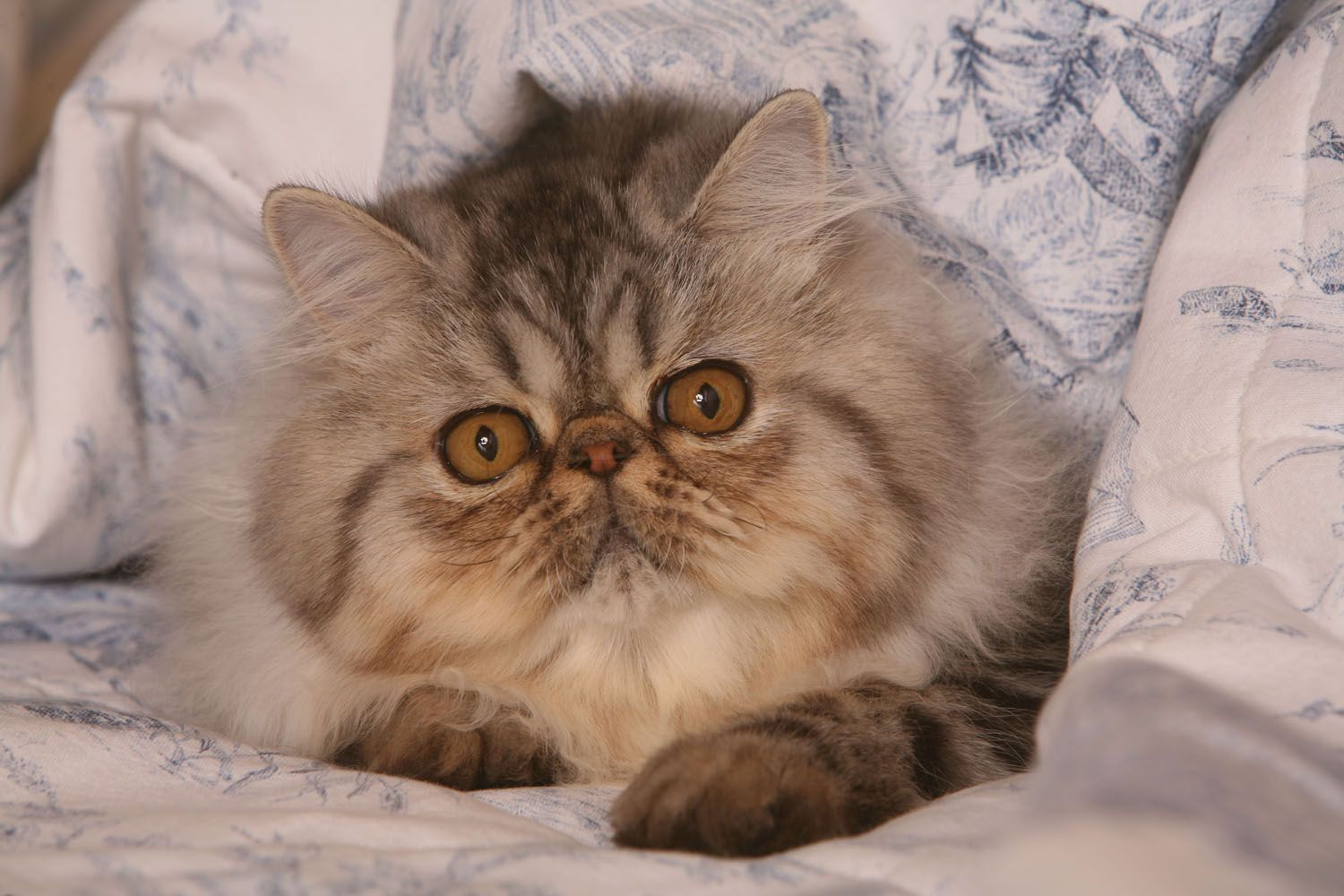
1.Ears
2.Head
3.Body
4.Tail
5.Coat
Things to look out for
From specific breed traits to a general health overview, here are some interesting facts about your Persian
They are prone to kidney disease
A Persian’s health is generally robust, but like all cats, Persians have certain sensitivities that are a concern. In their case, it’s kidney disease, which can come in the form of polycystic, or many cysts that form inside the organ. The condition is said to occur in one out of every three Persian cats². It is very treatable with the right veterinary care and proper diet.
Climbers they are not
A Persian’s favorite pastime is accompanying you on the couch and watching the world go by as opposed to jumping and climbing around the living room. Although they do like to play as much as the next cat, they much prefer the passive comfort that furniture provides rather than dashing to and from. Running for Persian cats is somewhat foreign; walking, preferred. For Persian cats, walking is far more agreeable than running.
Cute facial contours can prove problematic
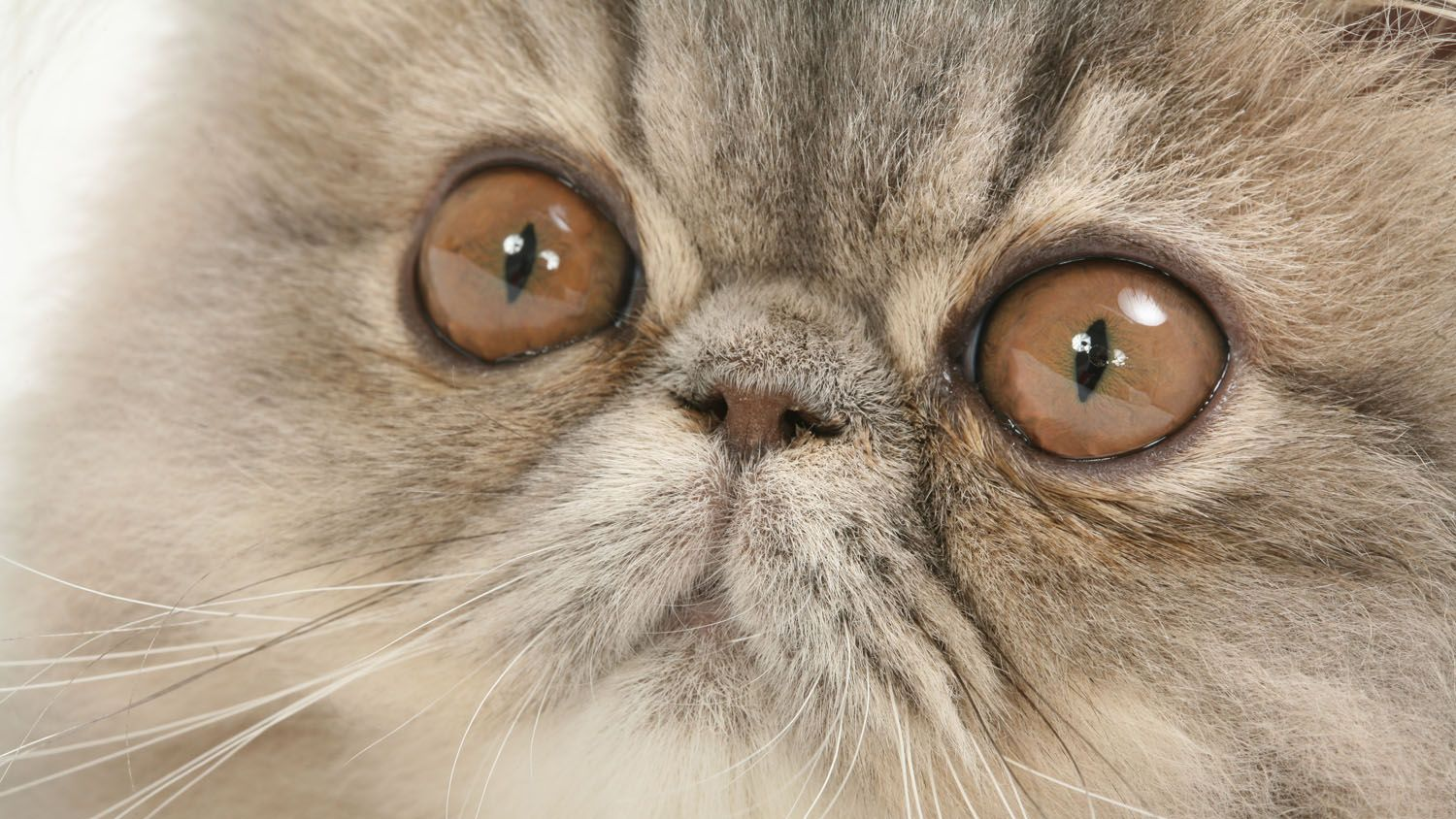
That elegant button nose is great to look at but also causes breathing problems for the Persian. The breed possesses what’s called a brachycephalic face, or one that’s shortened in length, giving the face and nose a pushed-in appearance. While the snub nose is one of the breed’s most beloved traits for breeders and fans, it can prove difficult for Persians as it can be a cause of breathing and respiratory issues.
Tailored Nutrition for Persians

Tailored nutrition has a fundamental role to play in maintaining the health and beauty of Persians. Food provides energy to help with vital functions and a complete nutritional formula for cats should contain an adapted balance of nutrients. Feeding them in this way will offer a diet that’s neither deficient nor excessive, both of which could have adverse effects on your cat’s health. Cats are also naturally adapted to eating small servings - between 7 and 10 times a day.
The following recommendations are for healthy animals. If your cat has health problems, please consult your veterinarian who may recommend an exclusive veterinary diet.
Healthy Growth and Long Hair
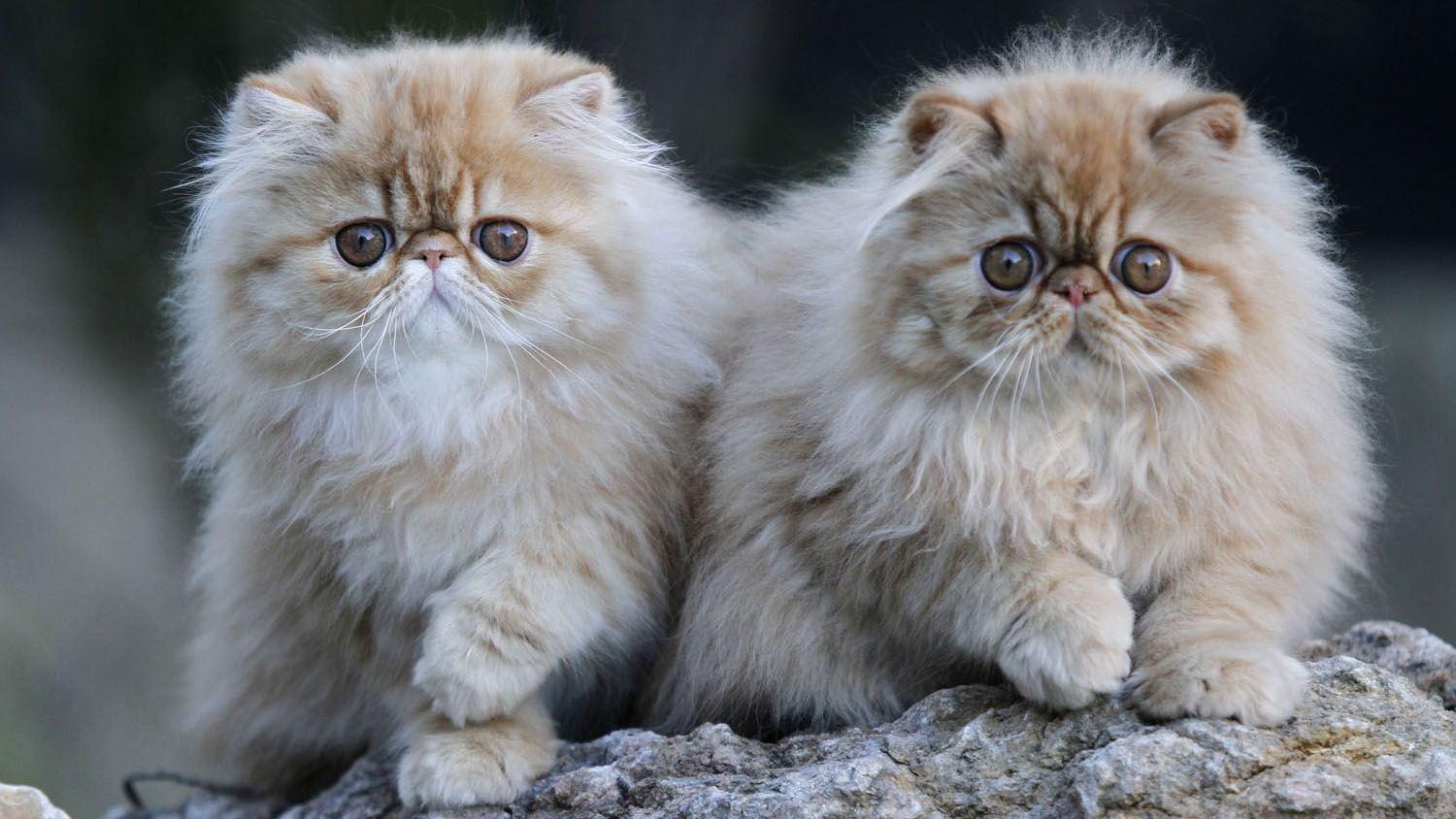
During growth, the Persian kitten develops a long, dense and silky coat, the hallmark of the breed. Optimal protein content and precisely balanced vitamins and minerals (including calcium and phosphorus) help support healthy growth while also maintaining healthy skin and a beautiful coat. Enriched with omega-3 and omega-6 fatty acids.
Digestive Health
During the growth period, the kitten’s digestive system is not yet fully developed and continues developing gradually. Highly digestible protein (L.I.P.*), an optimal fiber content (including psyllium) and prebiotics work to promote a balanced intestinal flora to support healthy digestion. *Protein selected for its very high digestibility.
Immune System Support
During the growth period, the kitten’s immune system develops gradually. An exclusive complex of antioxidants (vitamins C and E, lutein, taurine) helps support the kitten’s natural defenses.
Special Brachycephalic Jaw
This specially designed tiny rectangular kibble with a soft texture is easy for the Persian kitten to pick up and chew.

The main nutritional goals for adult Persians are:
Long Hair Health
A long, luxurious coat is the hallmark of the Persian cat. An exclusive complex of nutrients helps support the role of the skin as a barrier, and helps maintain skin health and coat beauty. Enriched with omega-3 and omega-6 fatty acids.
Hairball Regulation
The Persian cat, with her long coat and dense undercoat, routinely swallows a large quantity of hair during grooming. A blend of fibers (including psyllium rich in mucilage) naturally stimulates intestinal transit, helping to eliminate ingested hair and control hairball formation.
Digestive Health
Highly digestible protein (L.I.P.*), optimal fiber content, and prebiotics work to promote a balanced intestinal flora to support healthy digestion. *Protein selected for its very high digestibility.
Special Brachycephalic Jaw
This specially designed almond-shaped kibble with an optimal contact surface area is easy for the Persian cat to pick up and chew.

A senior cat - one over the age of 12 - may sometimes have difficulties with absorption. To maintain the weight of the aging cat and minimize the risk of deficiency, they should be given an extremely digestible food filled with essential nutrients.
Healthy Aging Complex
An exclusive complex of antioxidants including lycopene and omega-3 fatty acids to support the body systems through the aging process.
Weight Maintenance
In some senior cats, the level of activity reduces with age, which leads to weight gain. Aging Spayed/Neutered 12+ contains a moderate level of fat to help maintain an ideal body condition.
Renal Health
Helps support healthy renal function with a moderate phosphorus level.
Enriched with L-Carnitine
L-carnitine is involved in healthy fat metabolism.
Caring for your Persian
Grooming, training and exercise tips
The Persian cat needs a good amount of activity each day like any feline and playing with your cat will promote this. Cat toys are sold in abundance. Jingly balls and things that scatter about will keep your frisky friend moving and keep the blood flowing for optimum health. Truth be told, Persian cats do enjoy their downtime tremendously but getting their daily gymnastics in is important to keep them fit and trim.
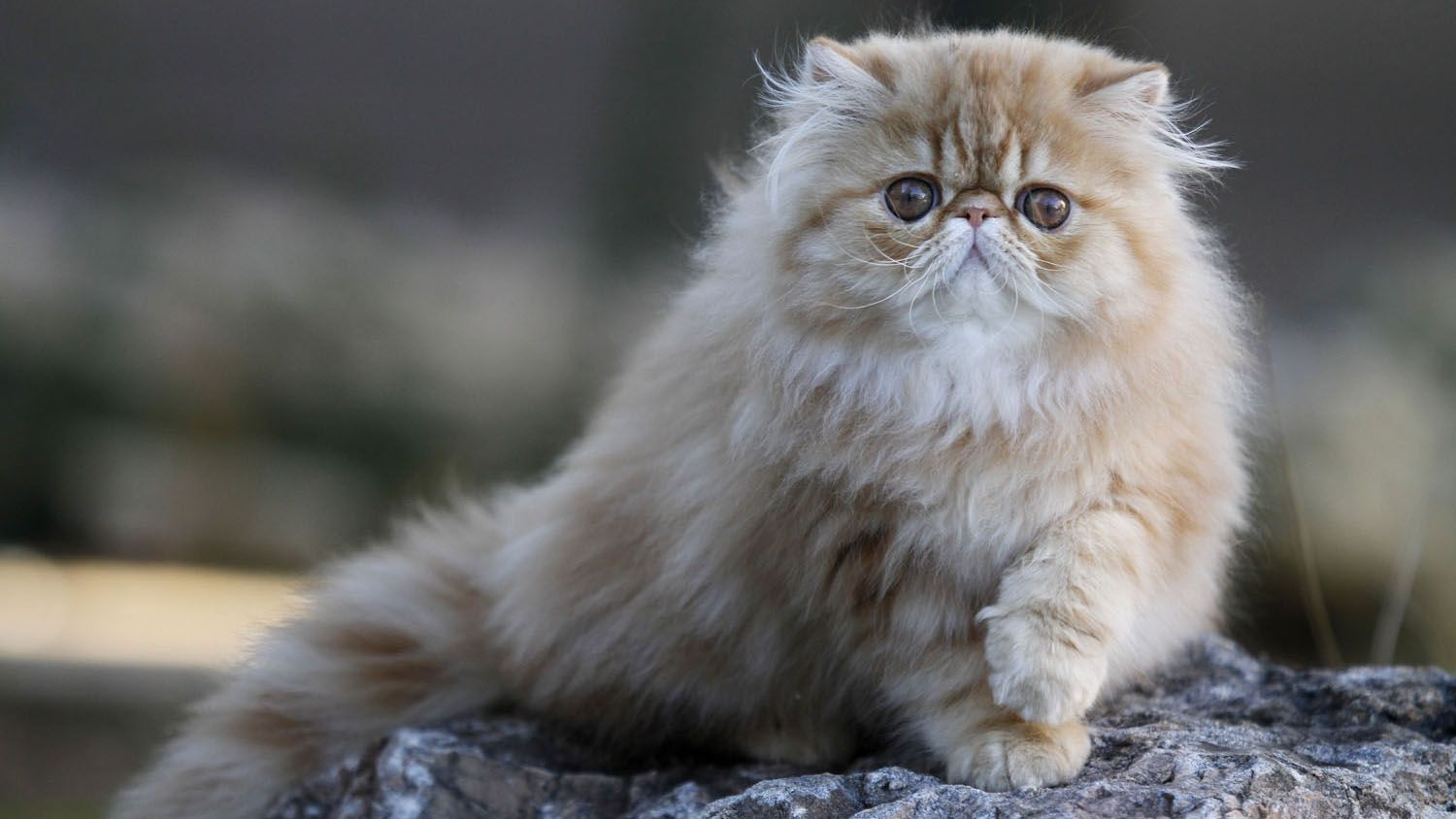
How to groom a Persian cat? Very diligently. The breed is celebrated for their signature long hair but make no mistake, effort must be put in to keep it looking great. To start: a daily run-through with a comb for your Persian. Doing so will keep mats and tangles under control. Monthly bathing should be given as well so both the silky topcoat and downy undercoat stay free from harmful dirt and germs, making sure to dry and comb thoroughly afterward. Of course, trimming your Persian cat’s nails as often as is needed will keep them healthy as well.
Training your Persian cat is a breeze, given their incredibly affable nature. This is a breed that likes to please so understanding and following commands is easy for her. Litter box, meal allowance, leave the sofa alone - they will understand it all with patient and gentle discipline. The breed is very responsive so following what you say won’t be a huge issue.
All about Persians
What is the personality of the Persian cat?
Are Persian cats cuddly?
Suggested Breeds
Read more on this topic

Sources
Like & share this page