How to prepare for a kitten

Getting ready for your kitten
There’s a lot to do to ensure you’re ready for the arrival of your new kitten. As well as buying the right equipment, you’ll need to prepare your home and family too. When thinking about how to prepare for a new kitten, key things to consider are:
- Kitten-proofing your home and yard
- Buying the right kitten kit, such as a carrier, litter box, and toys
- Finding a veterinarian
- Choosing appropriate kitten food - you can discuss this with your breeder, shelter or veterinarian
- Preparing your family, pets, and visitors for your new addition
Prepare your house for a kitten

1.Fencing and gates
2.Toxic garden plants
3.Hazards
4.Ponds and water features
5.Tools and small objects
6.Dangerous substances
7.Small objects
How to kitten-proof your yard

1.Toxic houseplants
2.Toilets and bins
3.Dangerous substances
4.Hiding places
5.Electrical cables and sockets
6.Poisonous foods
7.Small objects
New kitten checklist – the essentials

The best kitten food to begin with
Your kitten’s digestive system will be very sensitive, so changing their diet suddenly could give them an upset stomach and may even make them skeptical of their food. At first, it’s best to give them the same diet their previous caretaker gave them.
Choosing the right food for your kitten is crucial as it’s essential for their health and development. As they grow, they need a precise balance of nutrients at each stage, including protein, vitamins, and minerals.



Preparing your family and pets for your kitten
How to find a veterinarian
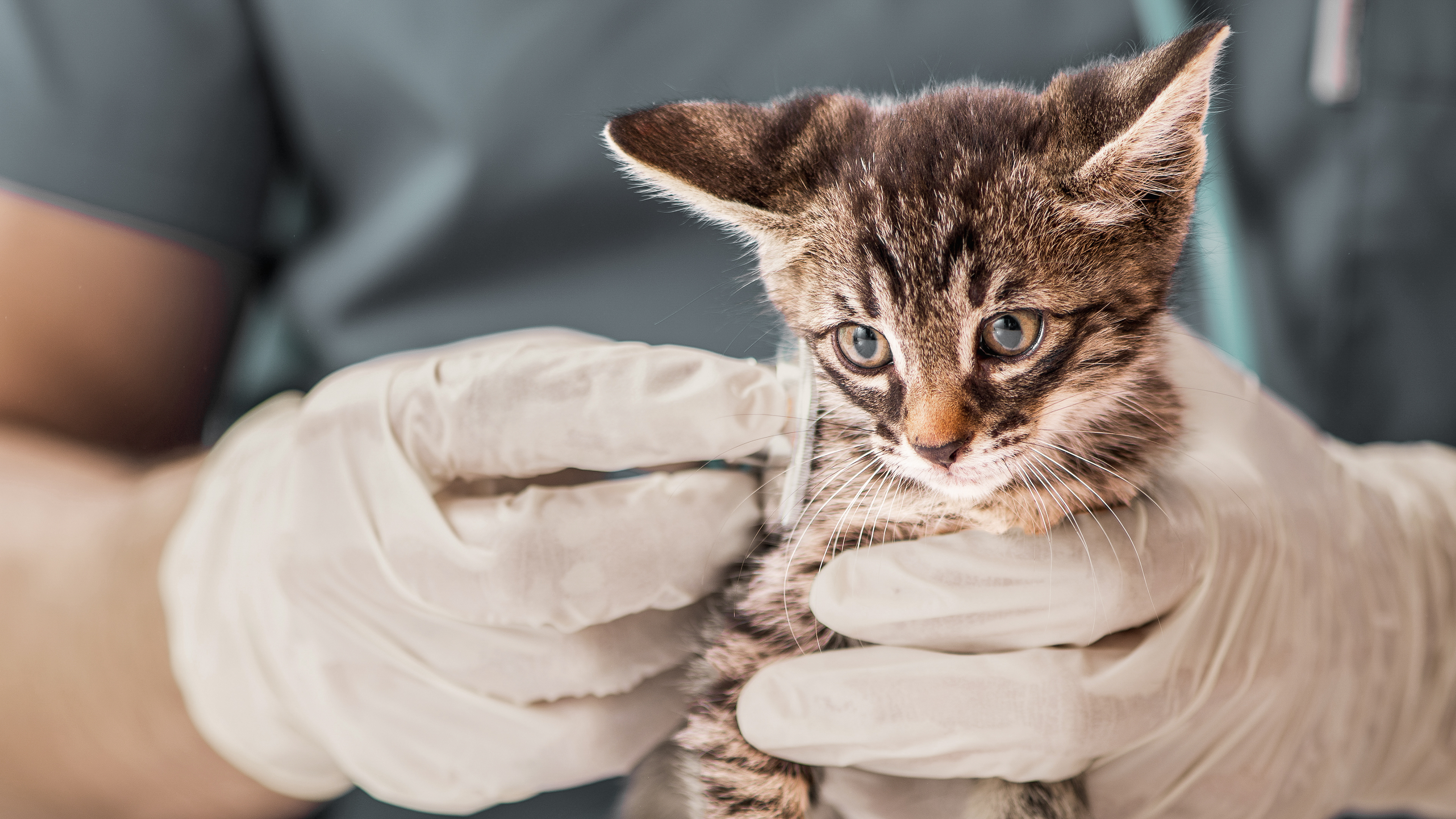
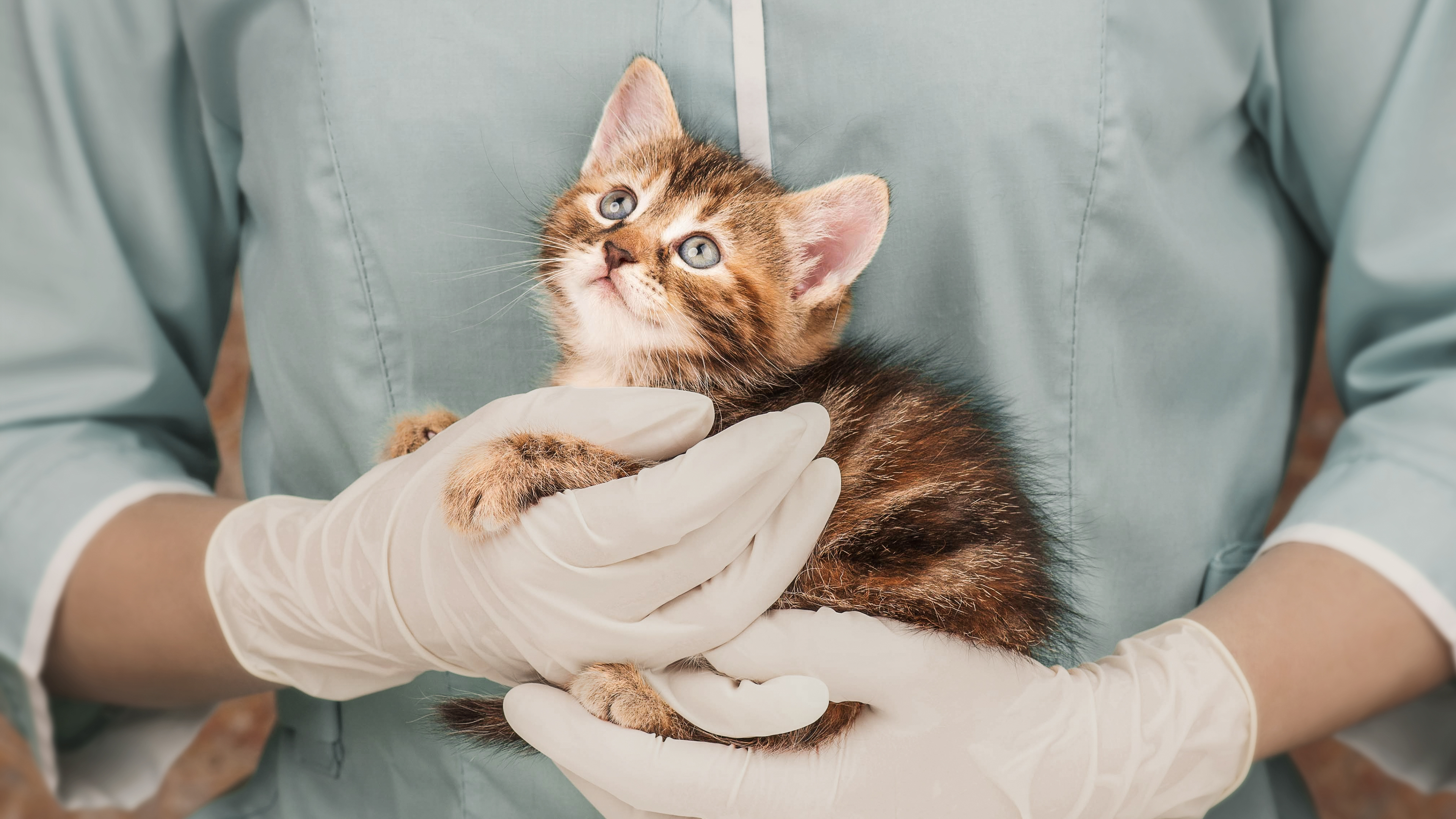
Your veterinarian will be an important part of your kitten's life and will help them grow into a healthy adult. It's important to find one you can trust before your kitten's arrival as they'll need a health exam soon after they arrive in your life. They'll also give you further advice on how to prepare for a new kitten.
What should you consider?
Asking friends and family for recommendations is one of the best ways to find a good veterinarian. There are also other important aspects to consider, such as:
- Location – can you get there quickly? Is there parking nearby?
- Premises – is it clean, do the staff make you feel welcome?
- Services – do they offer emergency, evening, and weekend services?
Meet your veterinarian first
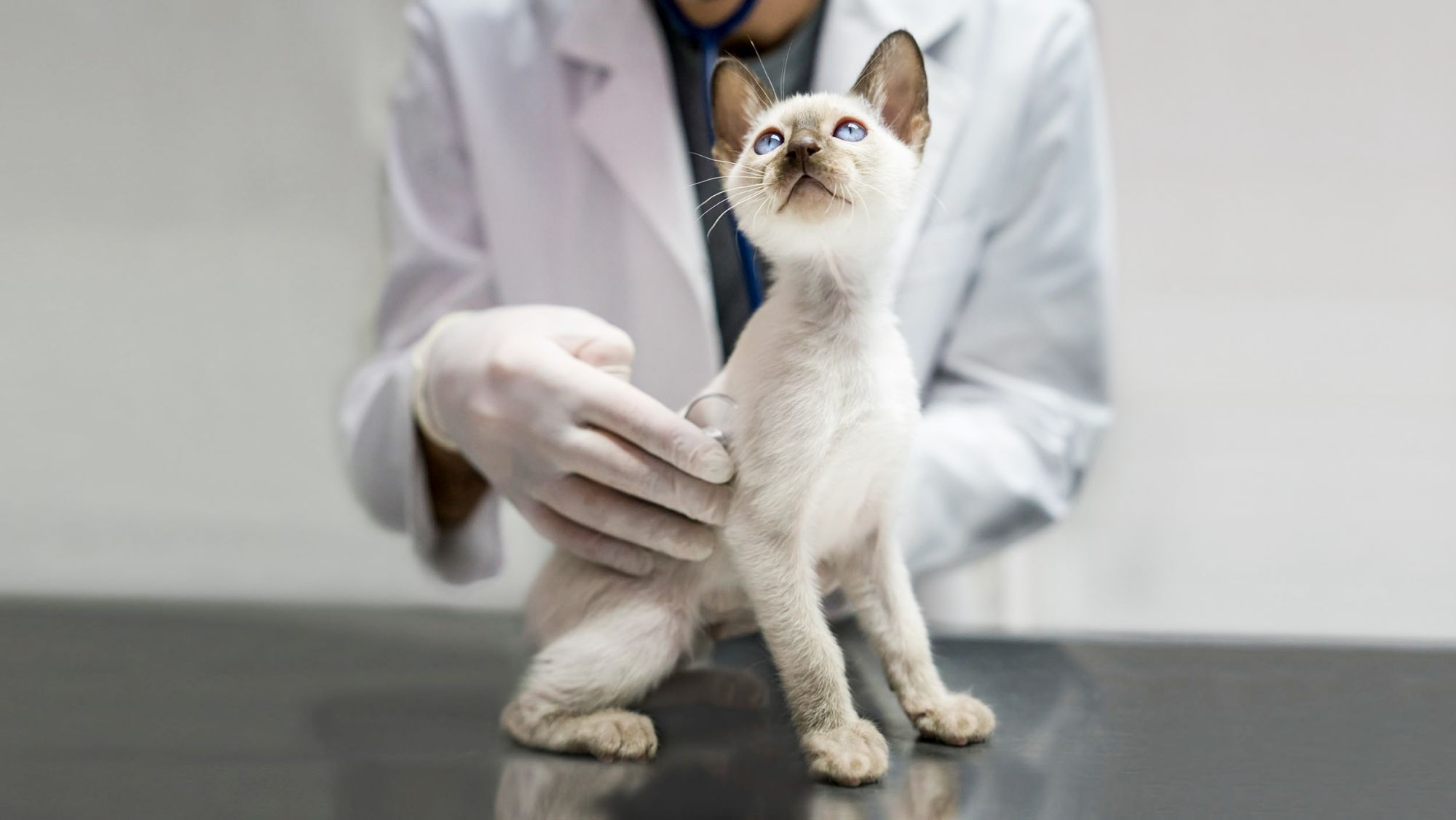
Some veterinary clinics today are designed specifically for cats and offer special appointment times or waiting areas. It’s worth asking if this is available or if the veterinarian has a special interest in cats. It’s also a good idea to meet the veterinarian before you decide to make sure you feel comfortable with them.
Once you’ve chosen your veterinarian, make sure you put their emergency number where you and your family can easily find it.