Dog breed sizes: finding the right fit
When it comes to identifying your ideal dog, choosing the right breed size is an important factor.
Whether you're considering an extra-small Pomeranian, a large Afghan Hound, or an extra-large Great Dane, size matters when it comes to dogs. From their general health and life expectancy to energy levels and temperament, sizing up the right breed is crucial as you choose your future canine companion.
Welcoming a dog into your life brings immeasurable joy, but it also means significant responsibilities. Each dog breed is unique, yet common care practices—including regular exercise, the right nutrition and mental stimulation—will help ensure their well-being.
Remember, choosing your dog is a two-way street, where their needs have to match yours and vice versa.
Article
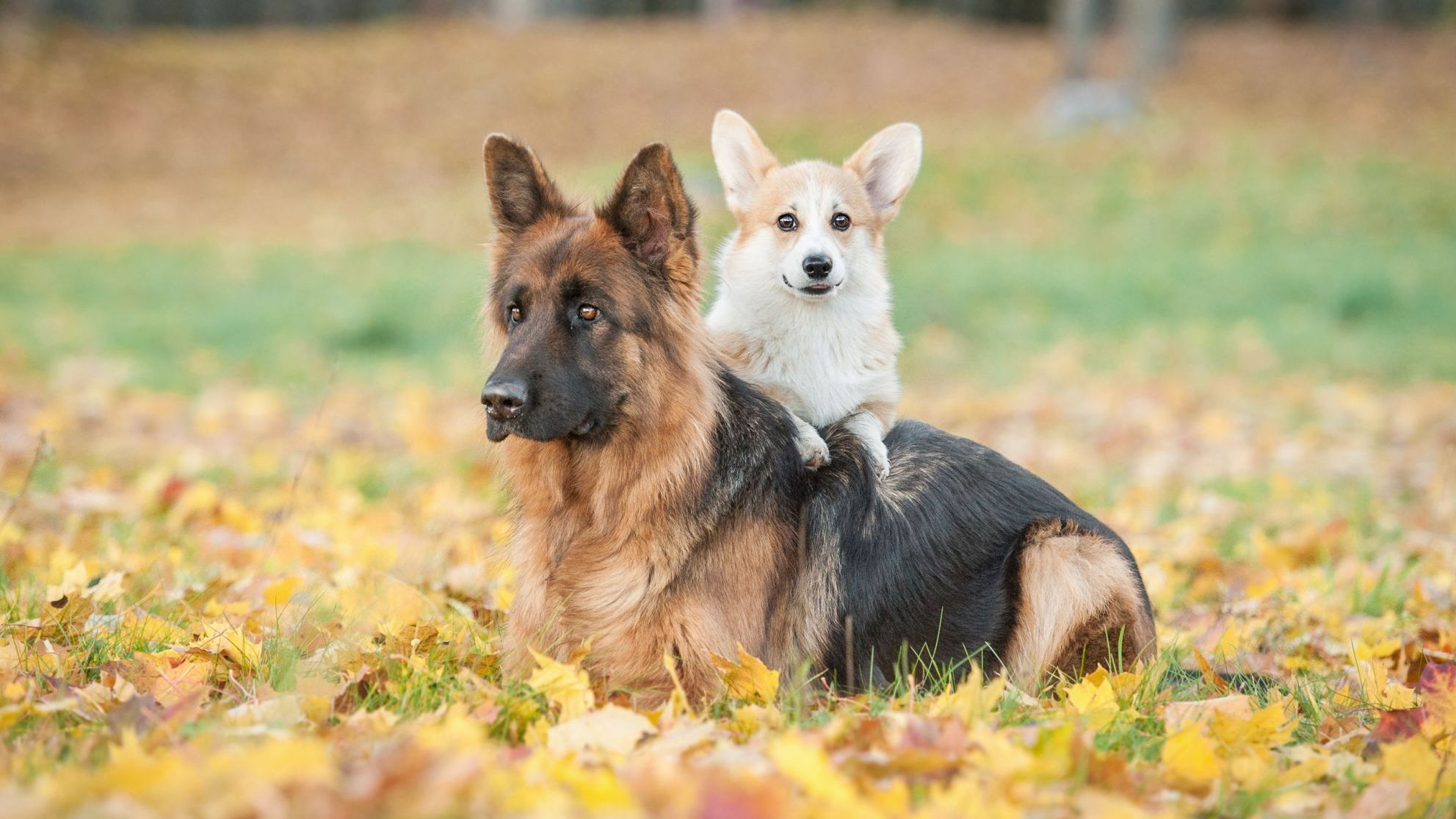
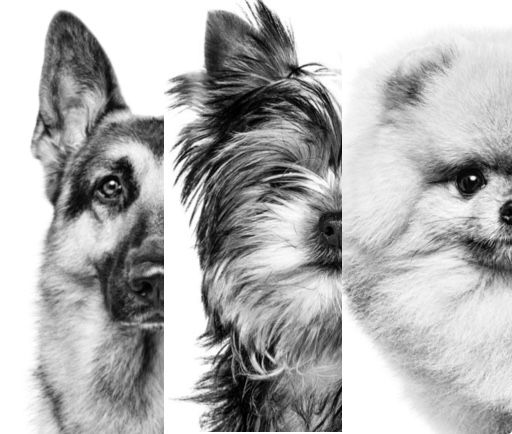
Sizing up your future companion
Dogs are commonly classified into size categories based on their height and weight. Here, we give an overview of the different dog breed sizes, as well as some of the characteristics, including important health considerations, that will help you identify your ideal dog.
What is considered a ‘large dog’?
What makes your dog a ‘large dog’? Well, their size for starters. There are some general rules for the breed category.
Weight
On average, large dogs weigh between 25 kg and 44 kg (55-97 lbs) and giant dog breeds weigh 45 kg or more (99 lbs or more)
Good to know
1. Size
Despite their size, large dogs can be playful and affectionate companions.
2. Characteristics
They are often patient, tolerant, and gentle, making them perfect playmates for kids, although it’s best to supervise any dog when with small children.
3. Energy levels
Many bigger or giant dogs have high energy levels and require regular and sometimes vigorous physical activity. They can make great companions for jogging and hiking. Just make sure you can keep up with them!
4. Orthopaedic issues
Because of their weight and additional stress on their joints, larger breeds can be generally more prone to orthopaedic issues such as dysplasia and osteoarthritis.
5. Nutrition
Proper nutrition, exercise and preventive care are important for maintaining joint health in larger dogs.
6. Loyalty
Many believe that large and very large dog breeds are fiercely loyal and protective of their owners, and excellent family guardians. This can absolutely be true. However, all dogs have their own character, no matter their size or breed—and that includes large dogs who will not guard your home.
Spotlight on a large dog breeds
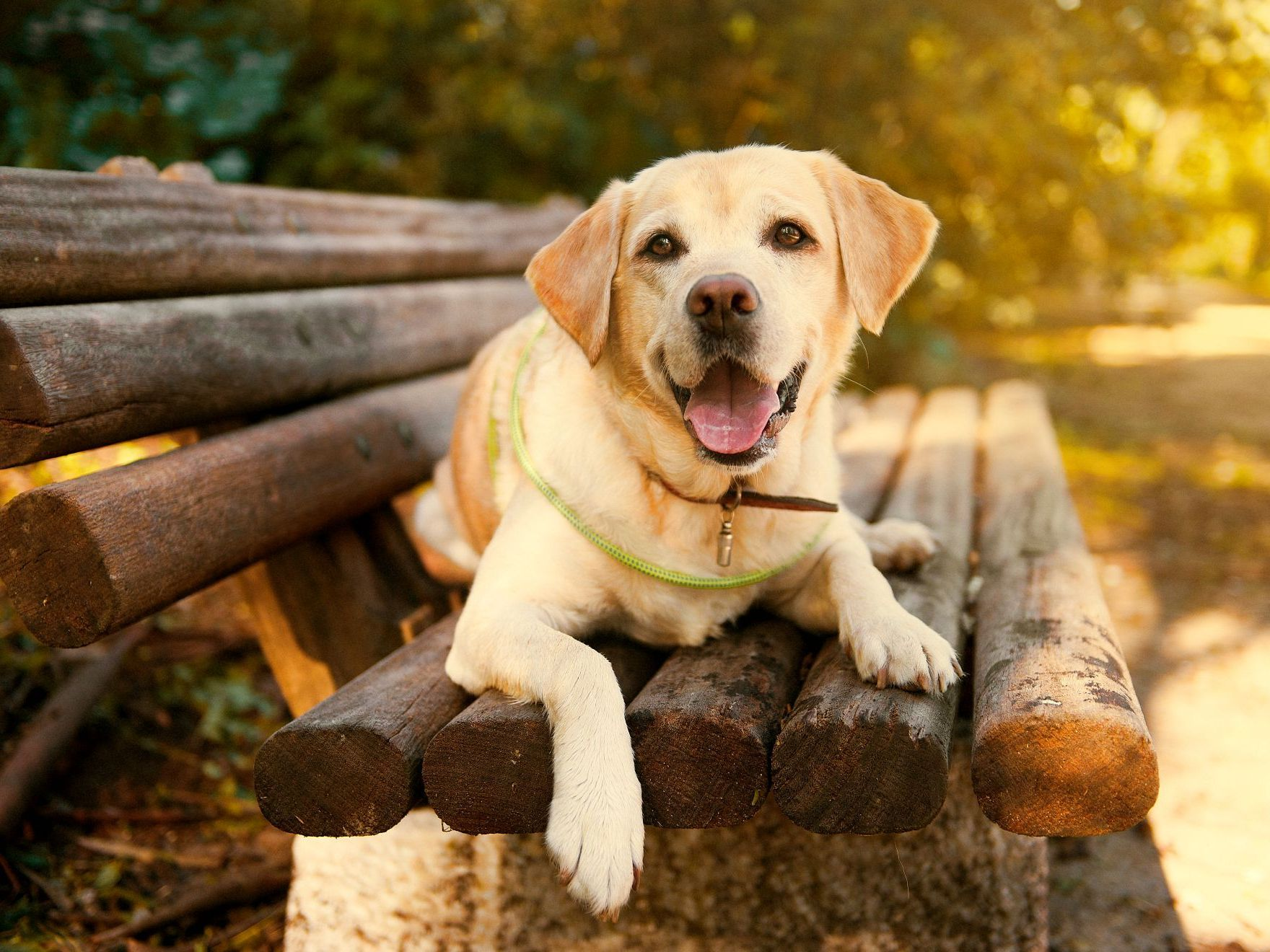
Labrador Retrievers
Known for their friendly demeanour, are outgoing and sociable dogs that are equally at home in active households or as assistance dogs. They can also come in sizes that would be considered a medium-sized dog breed.
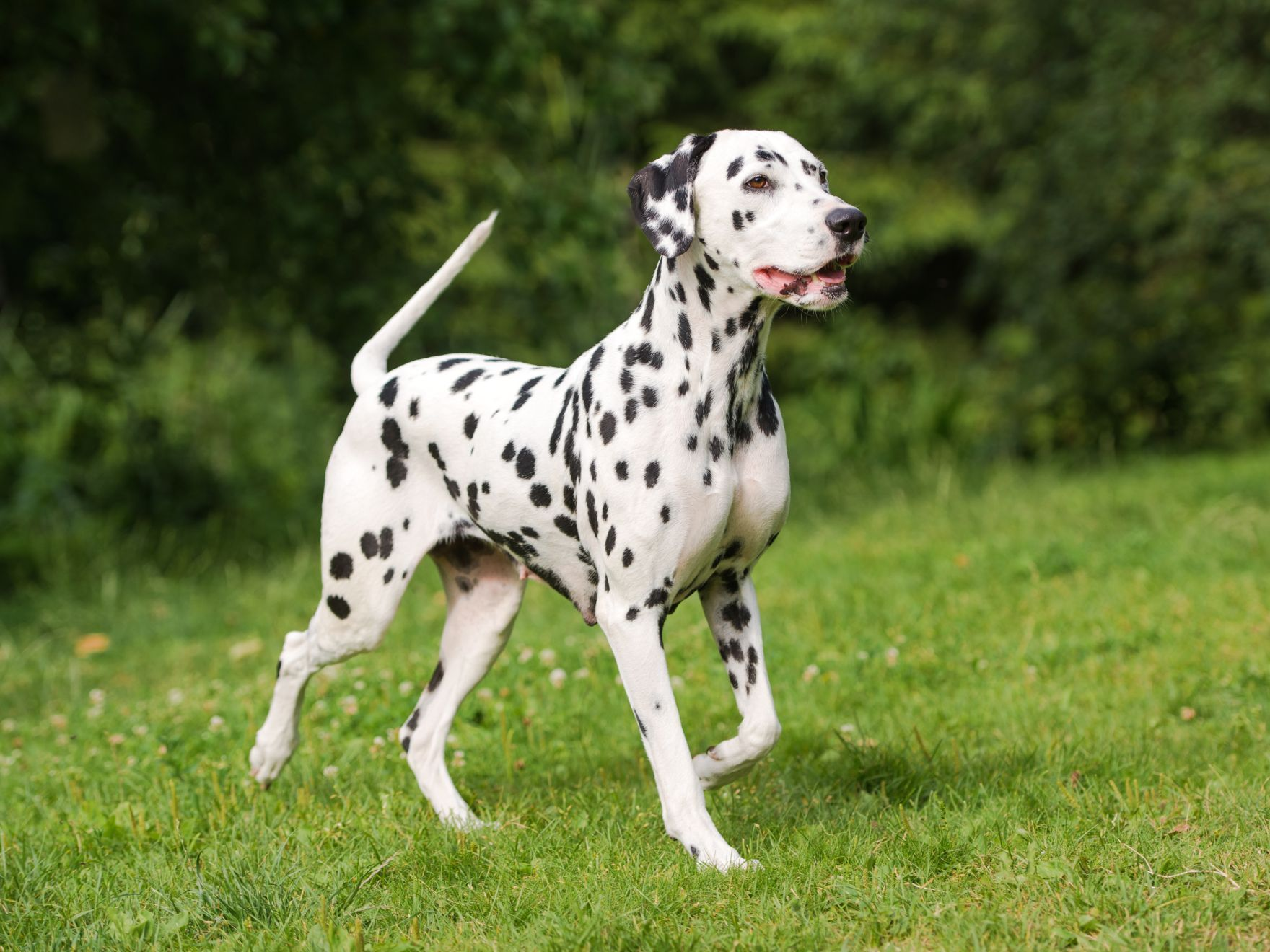
Dalmatian
Energetic, loyal, active dogs with stunning markings, always ready for adventure alongside their owners.
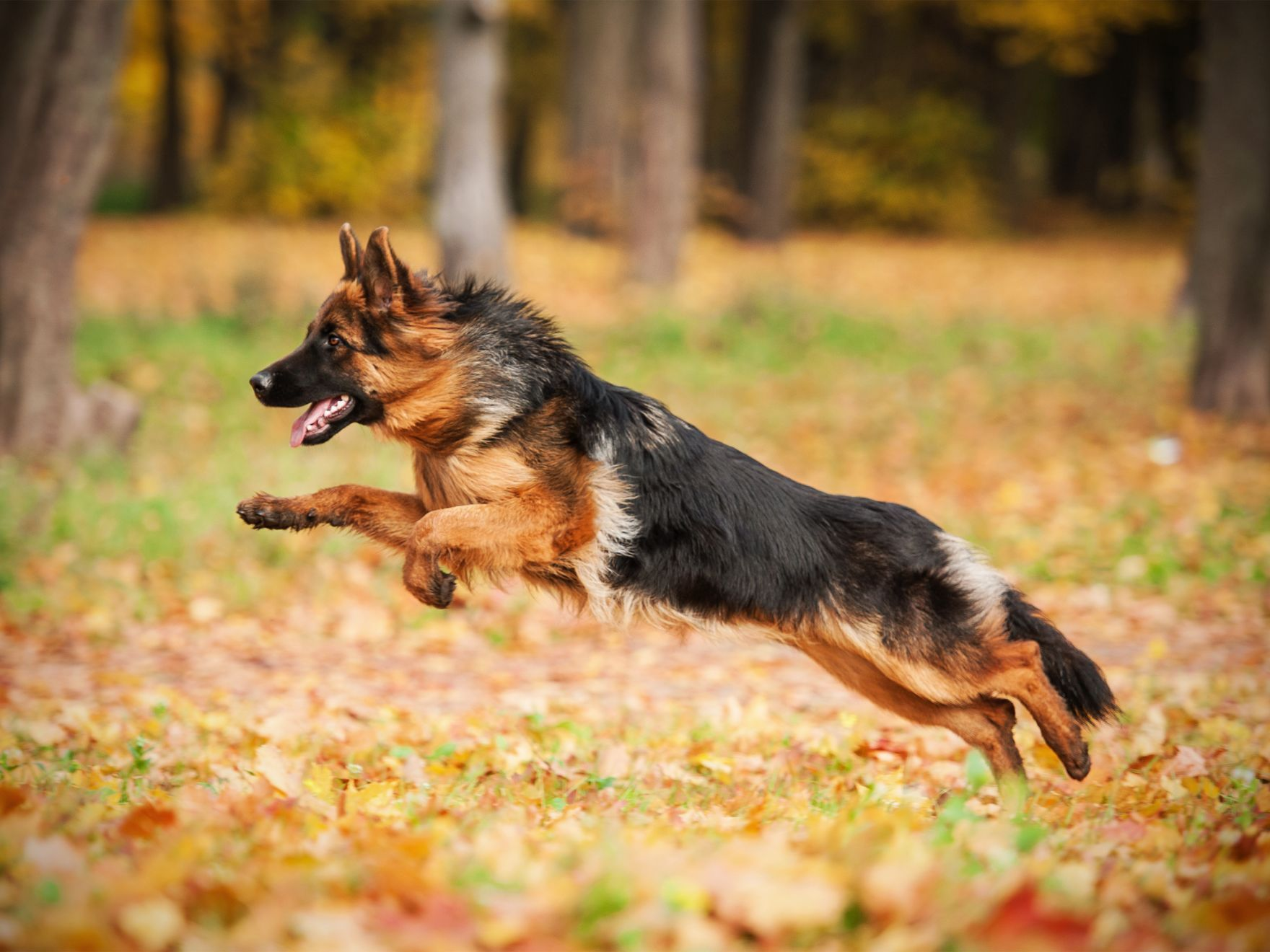
German Shepherd
Courageous, agile working-dogs with an intelligent expression known for their obedience, strength and agility.
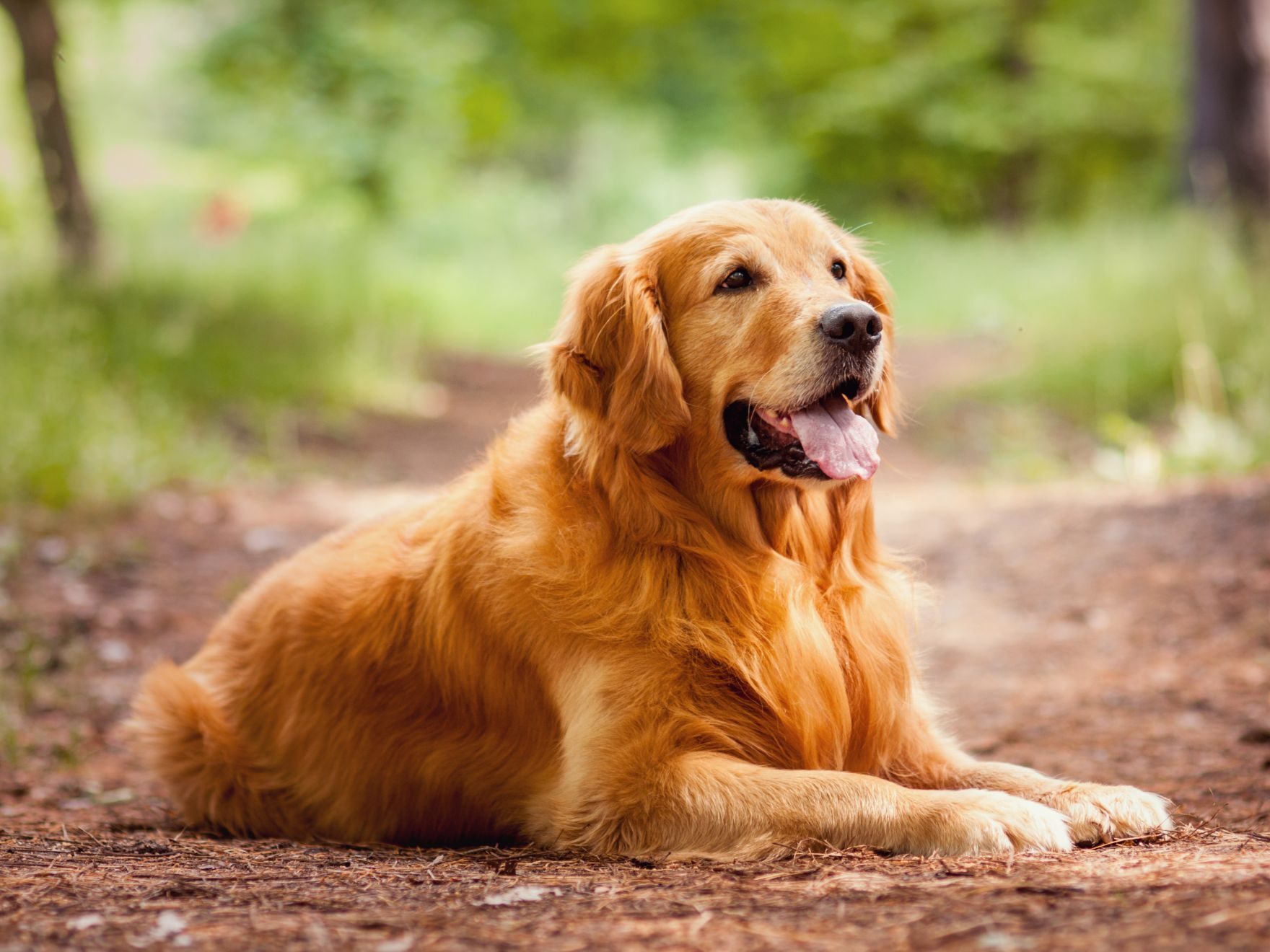
Golden Retriever
Exuberant and vivacious with a gentle temperament, they tend to be a truly open breed, eager to receive and reciprocate your affection. They also exist in smaller, medium-breed sizes.
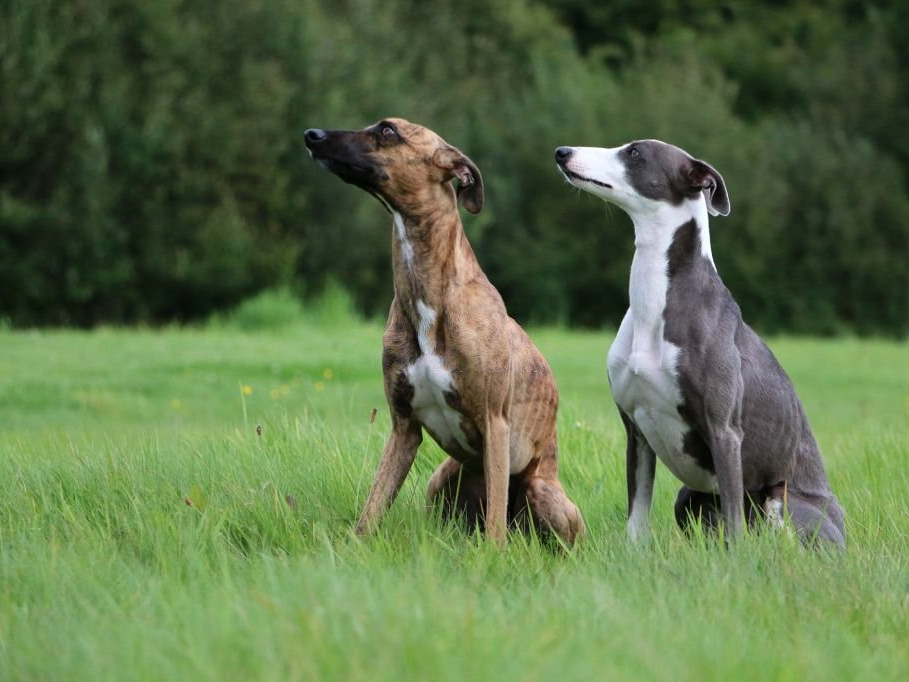
Greyhound
Graceful, tall (though not heavy) with a quiet disposition, they can be low-maintenance dogs once their exercise needs are met, relaxing with their owners when they’re not sprinting at speeds of up to 70 kmh.
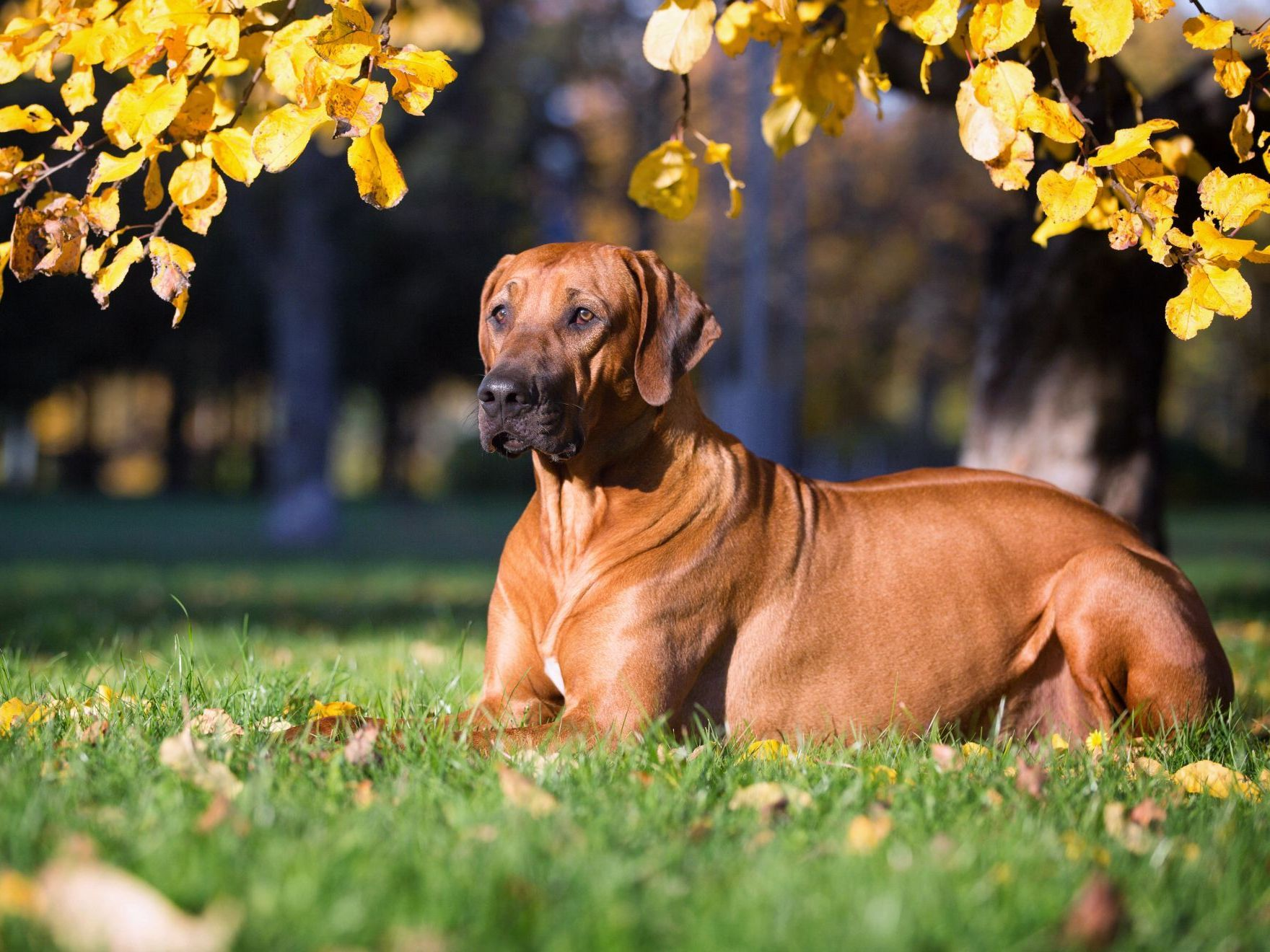
Rhodesian Ridgeback
Agile and lively, yet reserved and even-tempered, Ridgebacks can make great family dogs once trained as well as protective guard dogs. Of course, never leave any dog with a small child unattended.
Not too big, not too small: medium dog breeds
Medium dog breeds strike a perfect balance between being sturdy enough for play and gentle enough for interaction. They enjoy regular walks, playtime, and other activities, and can make excellent family pets following proper training and socialisation. As with any other size dog, your lifestyle and the size of your home should definitely come into play when selecting a potential new canine family member.
Weight
On average, medium-sized dogs weigh between 11 to 25 kg (24 to 55 lbs)
Good to know
1. A mix of small and large sizes
Medium-sized dogs often have a balanced blend of traits from both small and large breeds.
2. Between delicacy and energy
They are not as compact and delicate as smaller breeds, nor as robust and bulky as larger breeds.
3. A great adaptability
They can adapt well to various living environments and different-sized homes.
4. Exercise and mental stimulation
Like all dogs, they require regular exercise and mental stimulation to stay healthy and thrive.
Spotlight on a medium dog breeds
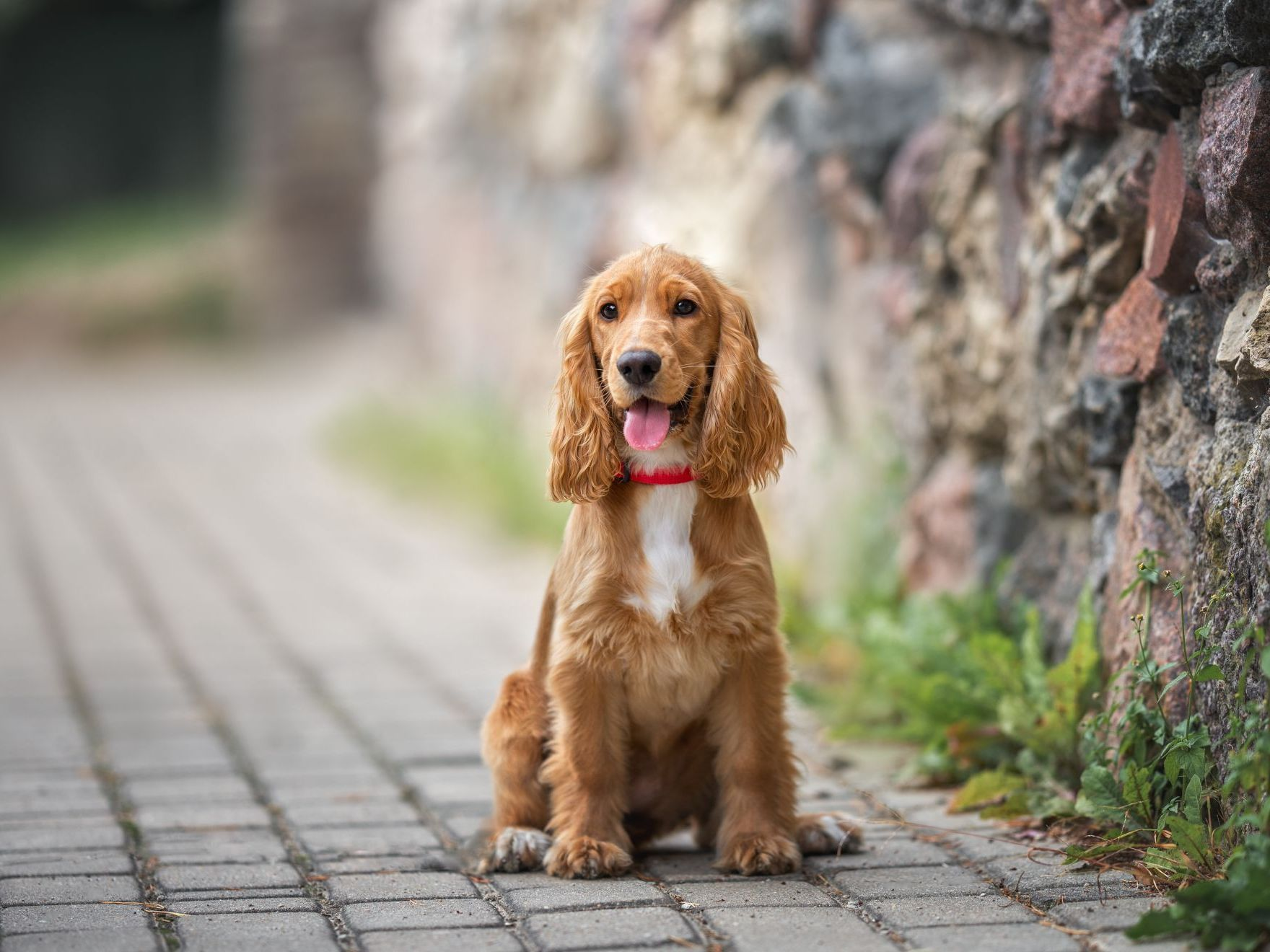
English Cocker Spaniels
With a gentle and affectionate demeanour, they tend to get along with kids if adequately socialised and trained, which they should pick up quickly as they’re also highly intelligent dogs.
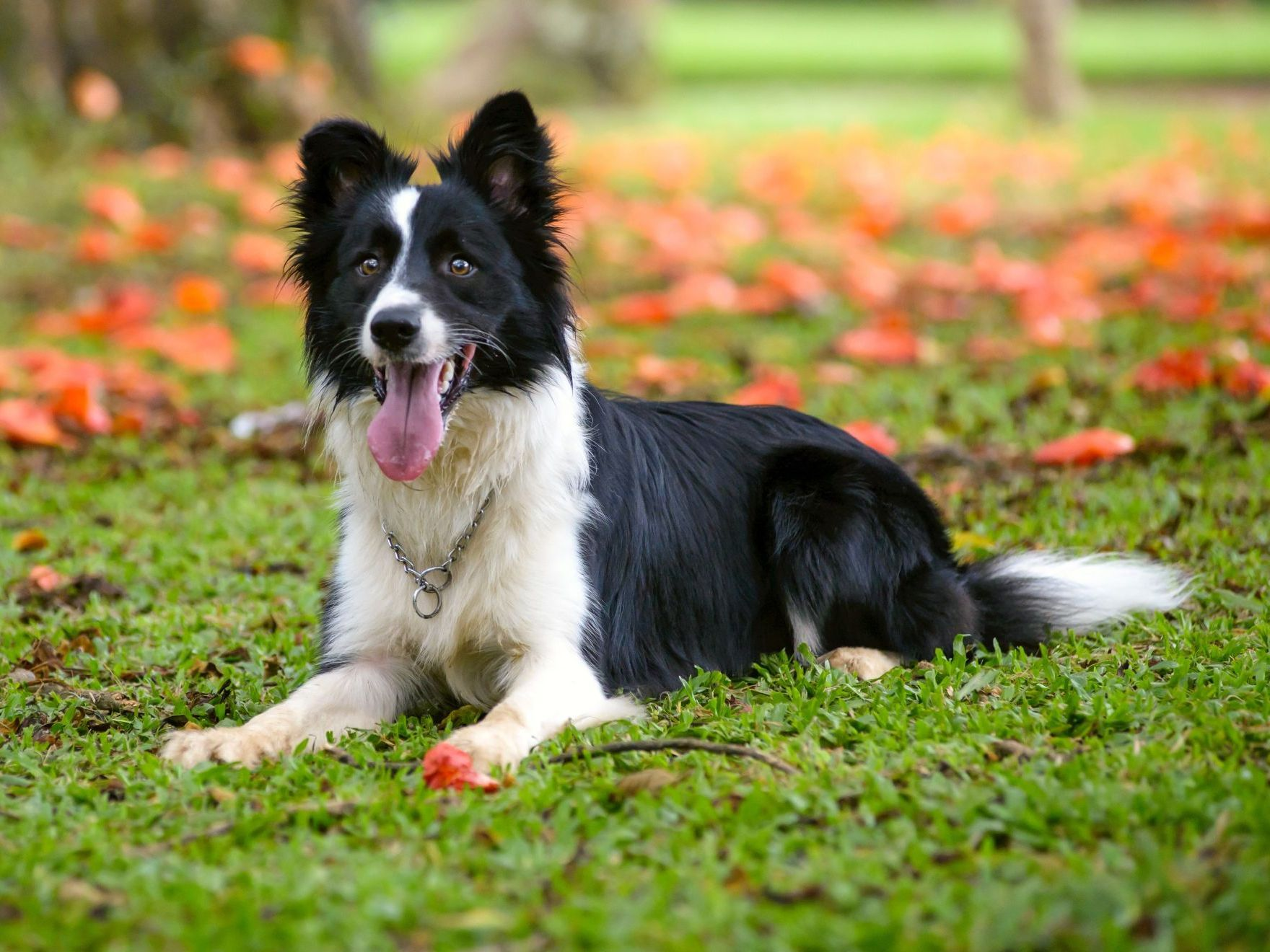
Border Collie
Known for their exceptional herding abilities and eagerness to work, these highly intelligent dogs thrive on mental and physical stimulation, making them great companions for active owners.
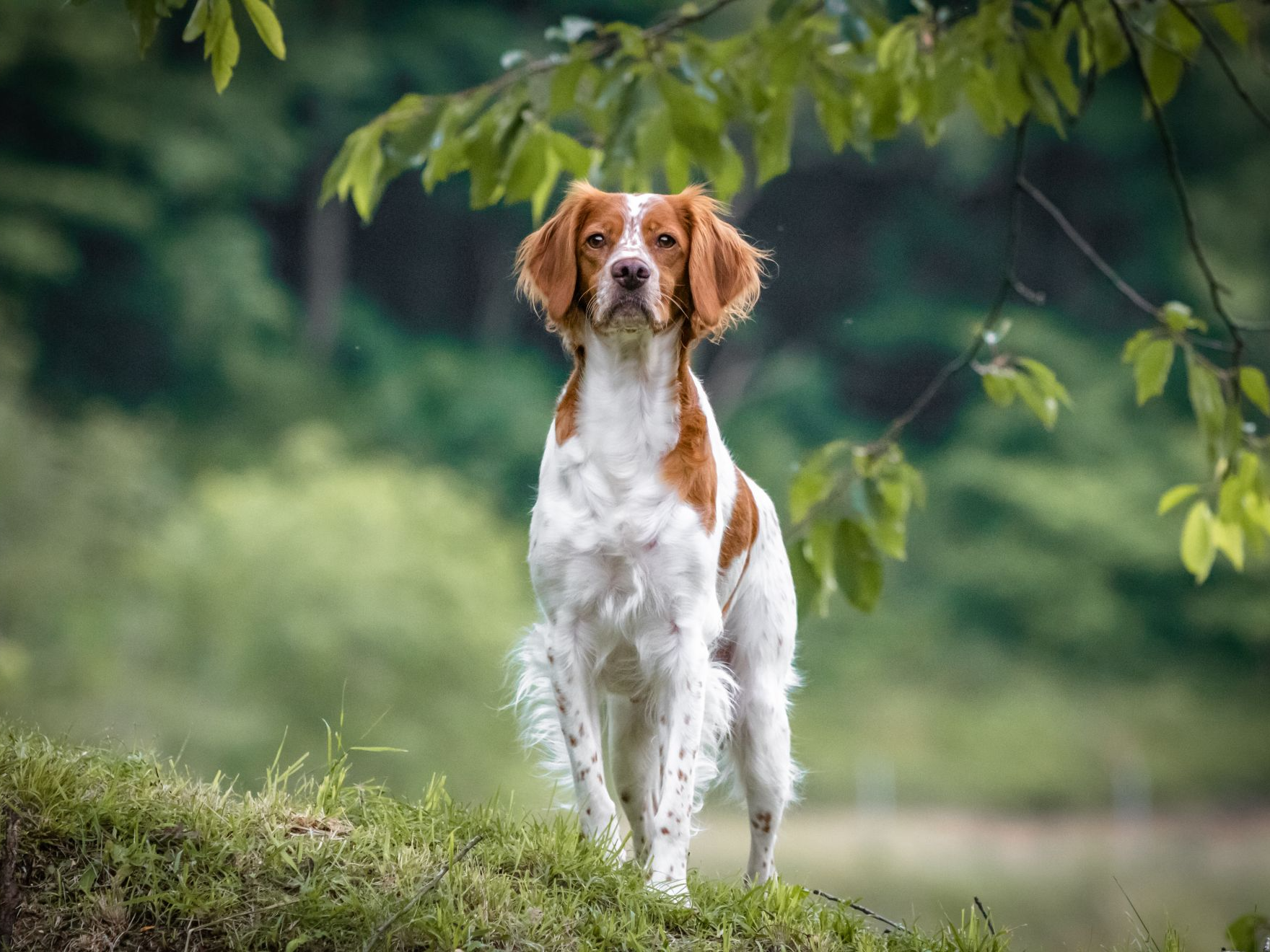
Brittany Spaniel
Lively and agile dogs with a gentle and friendly disposition. Brittany Spaniels enjoy outdoor activities and would happily join you for any adventures.
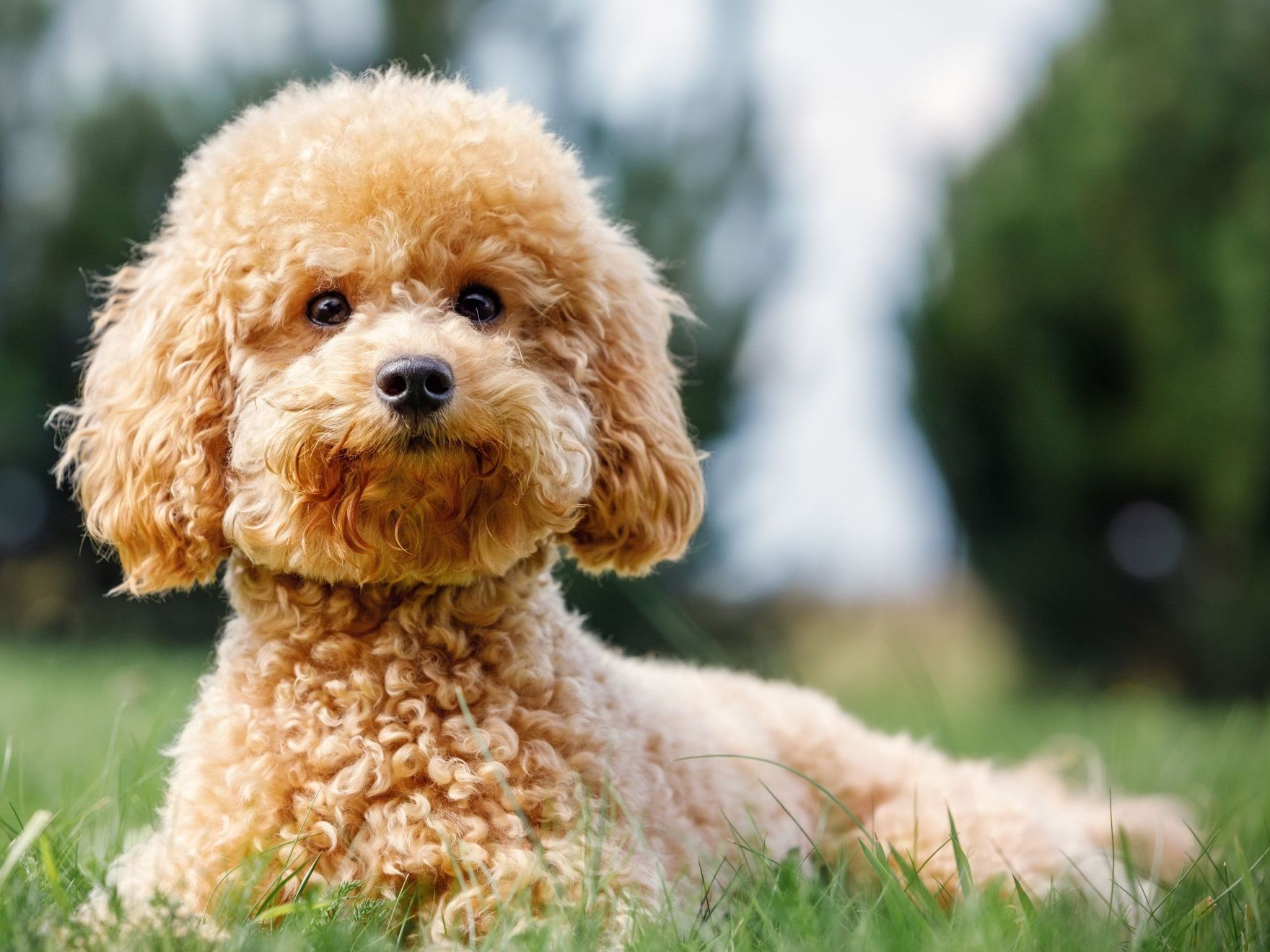
Poodle
They're elegant and intelligent dogs that come in many sizes, from small to large, and are highly trainable, also known for their friendly and sophisticated nature. Poodles can become a loving part of any family.
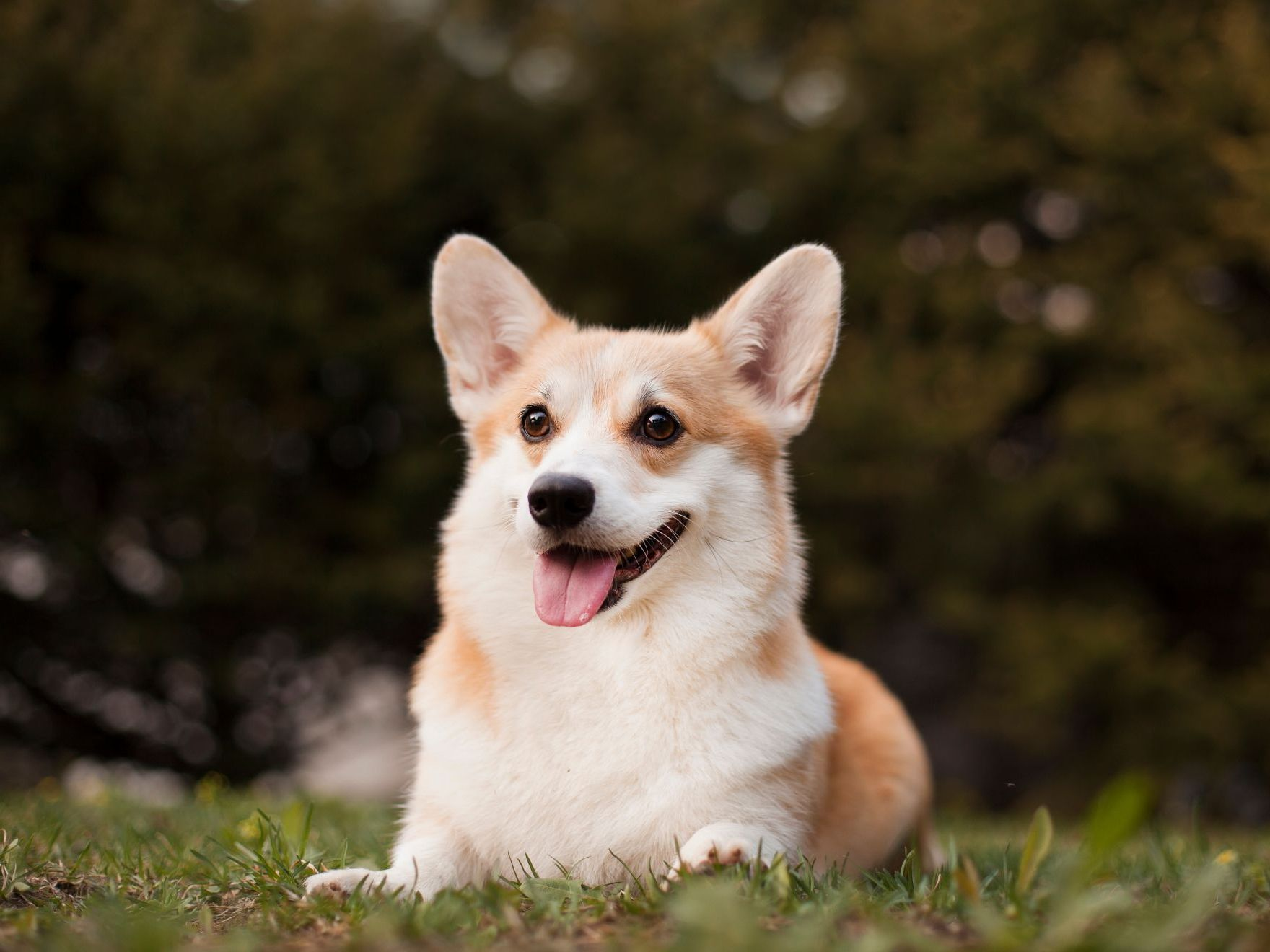
Welsh Corgi
Medium-sized dogs that may come in small sizes too, with an enthusiastic nature. Corgis are often devoted to their owner and always eager to participate in activities with their families.
Small dog breeds, big personalities
Small dog breeds can often bring big benefits when it comes to companionship. Known for their cuddly and often lap-loving nature, small dogs are well-suited for urban living and can thrive in apartments or homes with limited outdoor space. Some smaller dogs, while petite, more than make up for their size with exuberant, bigger-dog temperaments.
Weight
On average, extra small breeds weigh less than 4 kg (8 lbs) and small breeds weigh between 4 kg and 10 kg (11 to 22 lbs)
Good to know
1. Long lifespan
Small-breed dogs can enjoy longer lifespans on average compared to larger breeds.
2. Small food consumption
Smaller dogs generally have lower food consumption compared to larger breeds, resulting in reduced food expenses.
3. Few exercises
Compared to larger breeds, small dogs generally have lower exercise requirements, making them perfect for individuals or families with a less active lifestyle or limited mobility.
4. Easy to transport
Small dogs are generally easier to transport in carriers and more convenient to take with you on outings, trips, or travels.
Spotlight on a small dog breeds
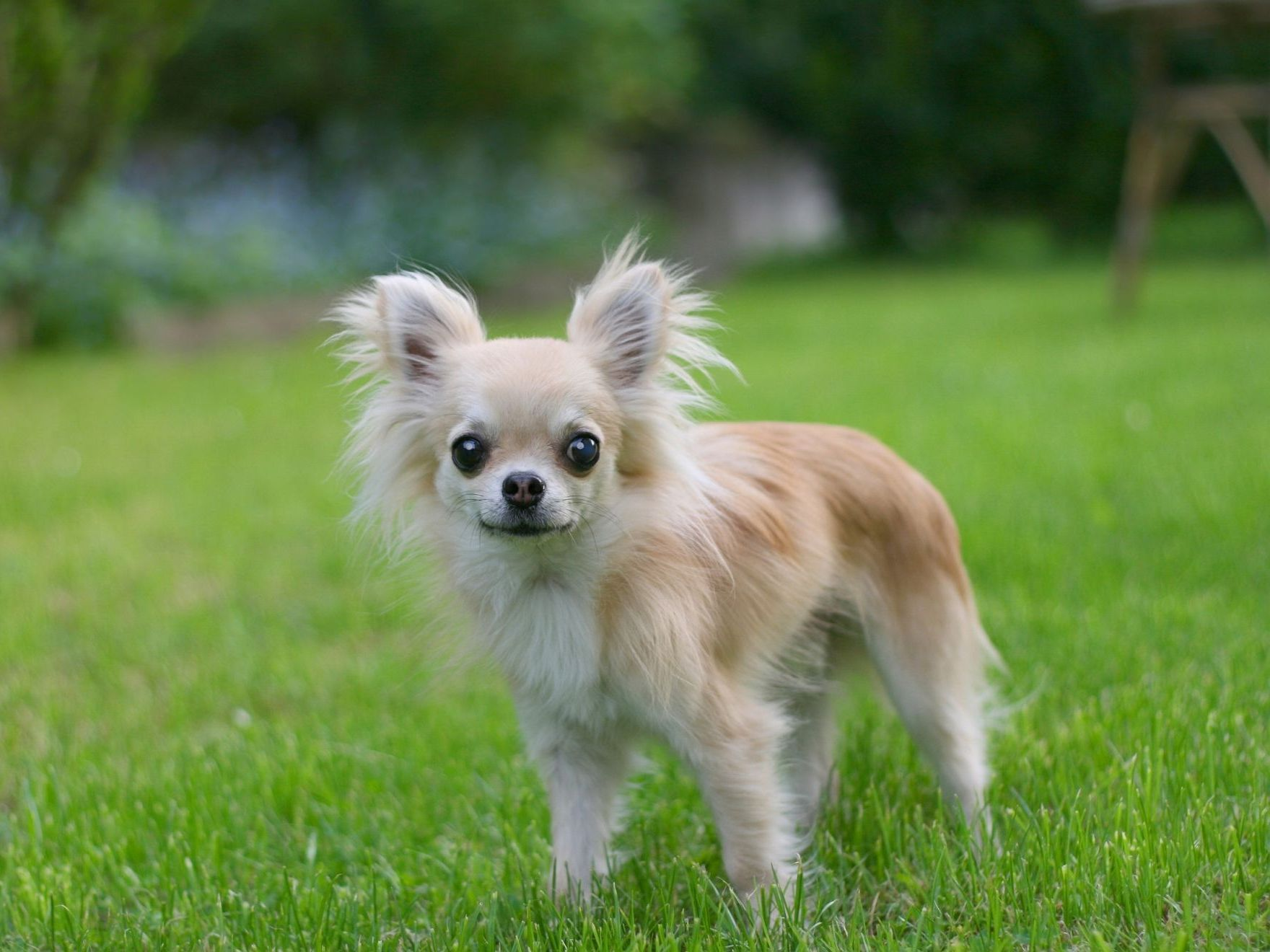
Long-coat Chihuahuas
One of the smallest dog breeds, known for their extra-small size and big personalities. They are often loyal and make great companions for individuals or families once trained. They may not, however, be suitable for homes with toddlers who could inadvertently crush or hurt this mini breed.
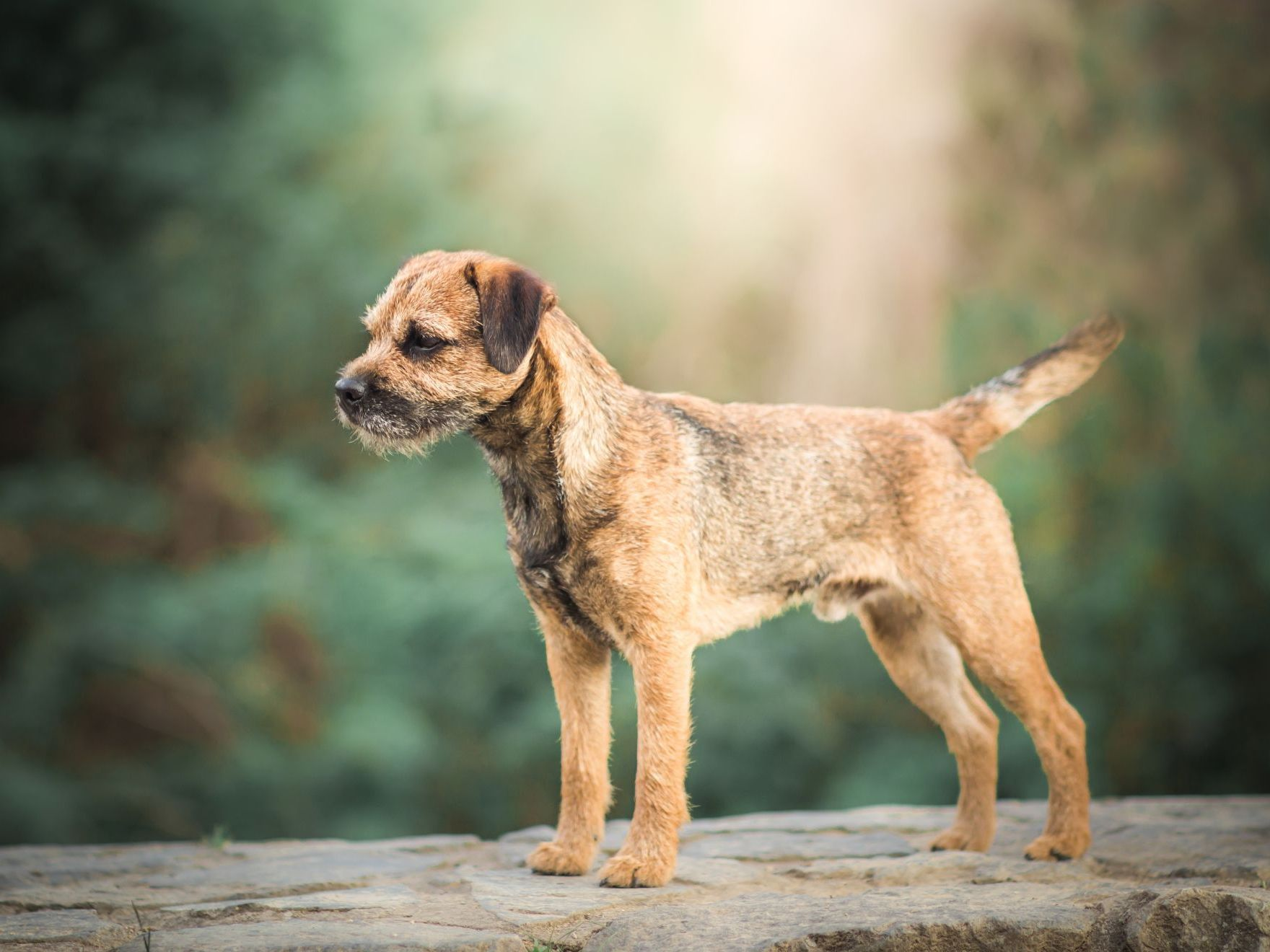
Border Terrier
Small yet full of character, Border Terriers are affectionate and energetic dogs. They're fearless and make excellent watchdogs, always alert to their surroundings.
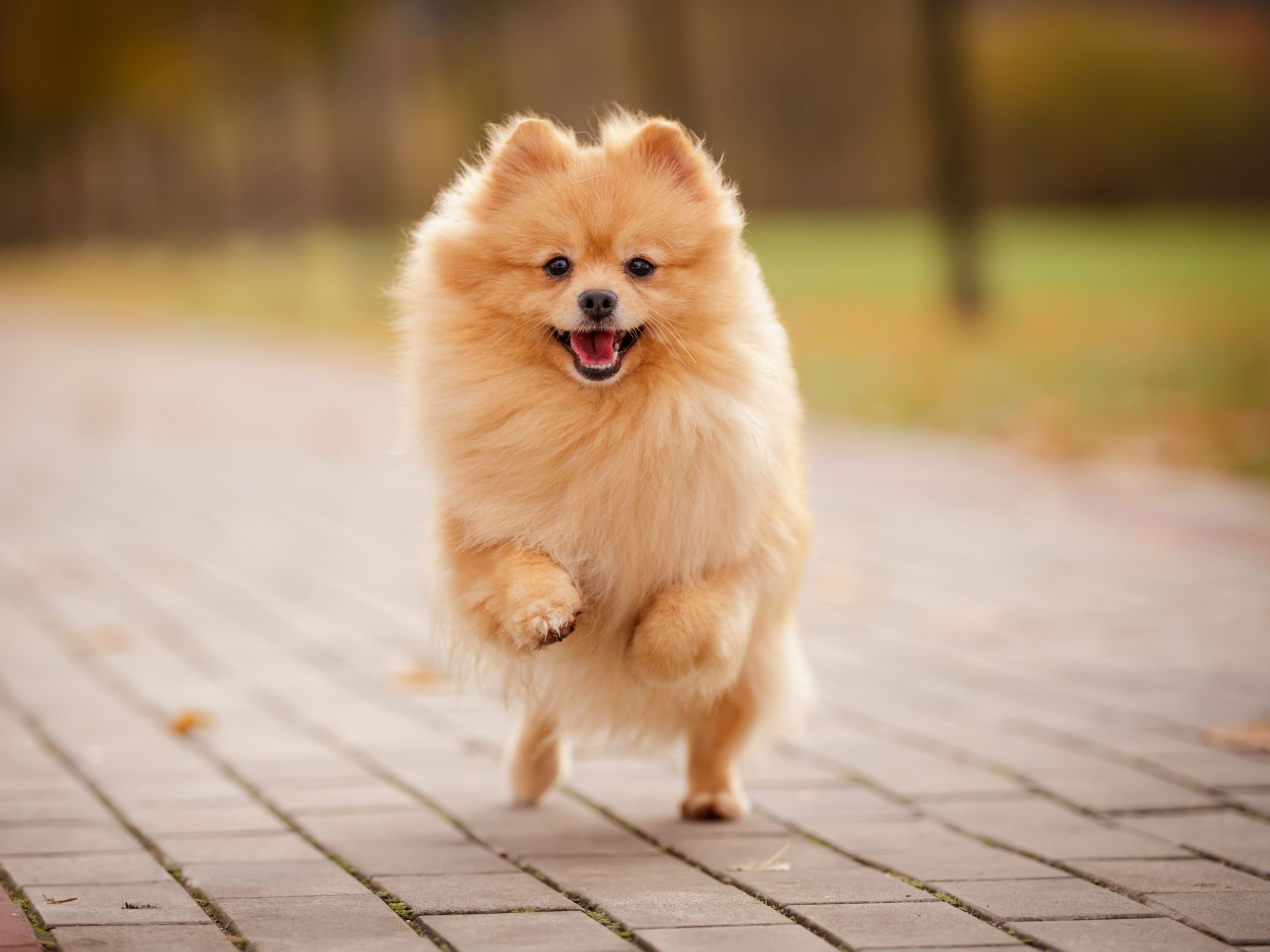
Pomeranian
Lively and alert small dogs with big personalities. Pomeranians are confident and intelligent, making them quick learners and delightful entertainers.
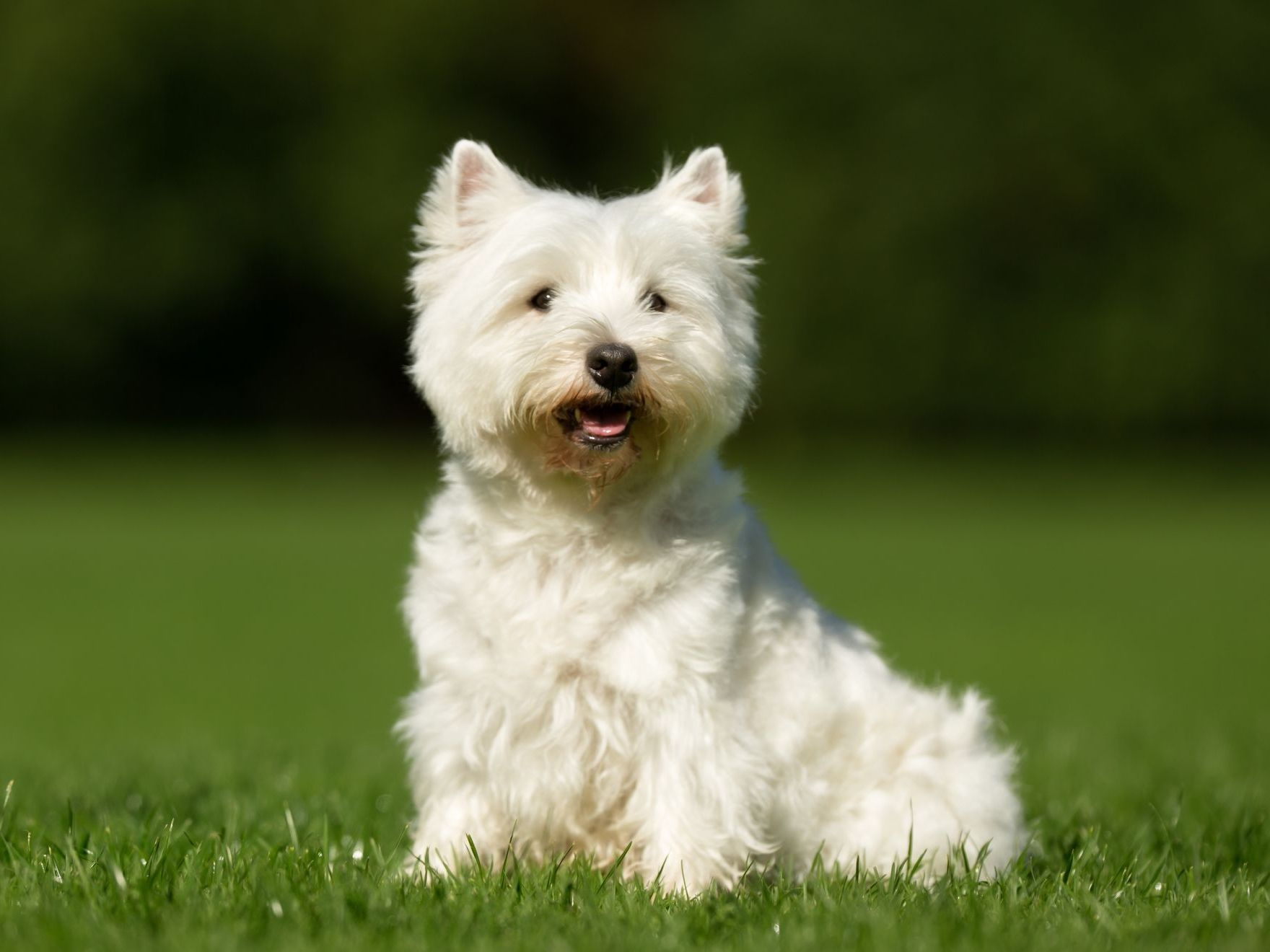
West Highland White Terrier
Confident and spirited, West Highland White Terriers, or Westies, are affectionate and independent dogs. They love exploring their surroundings.
Size is just one factor
From a small French Bulldog to a large Old English Sheepdog, each dog is an individual, so be open to finding the right fit beyond breed. Explore adoption options at local shelters or rescue organisations, keeping your eyes—and mind—open to a dog that needs a good home but might be a size or breed you hadn’t considered, or known about. Many mixed-breed dogs can make wonderful companions as well.
Proper research, thoughtful consideration, and patience will help you find the perfect dog for your family, whatever the breed or size.
For more information on specific dog breed sizes, take a look at our dog breed size chart and dog breed weight chart
Related Articles
Like & share this page