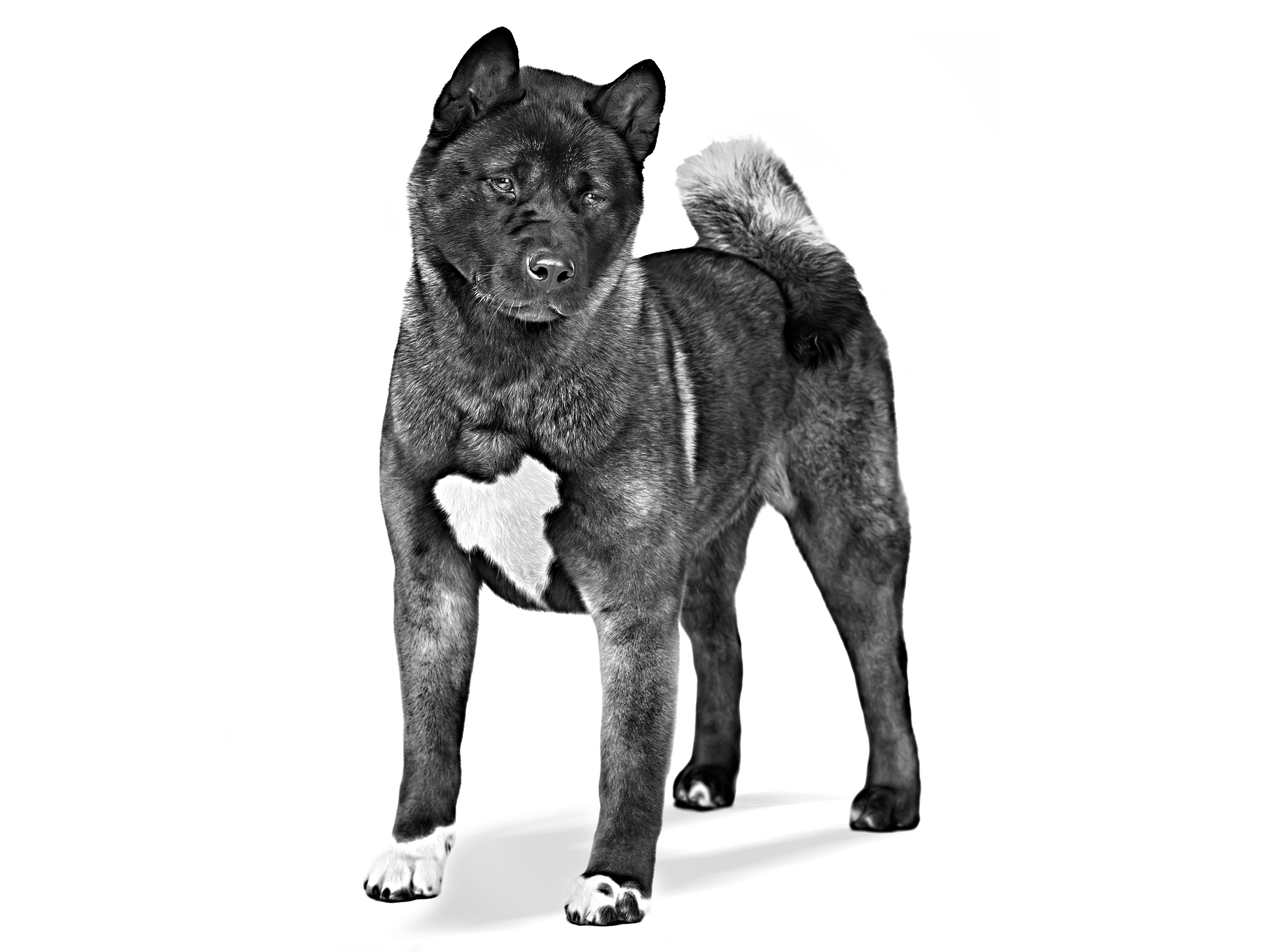
American Akita




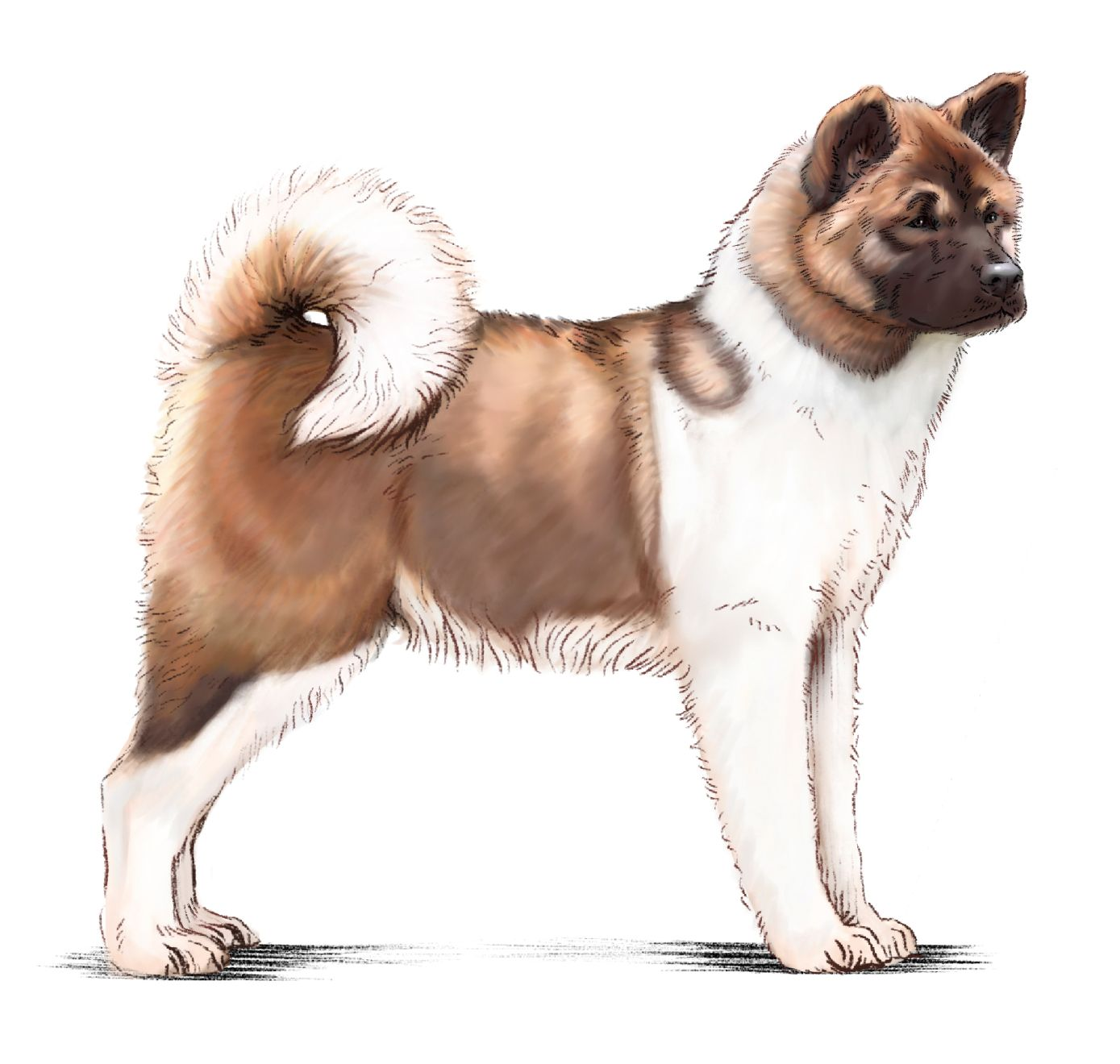
| Male | Female |
|---|---|
| Height | Height |
| 66 - 71 cm | 61 - 66 cm |
| Weight | Weight |
| 45 - 59 kg | 31 - 45 kg |
| Life Stage | |
|---|---|
| Adult | |
| 15 months to 5 years | |
| Mature | Senior |
| 5 to 8 years | from eight years |
| Baby | Junior |
| Birth to 2 months | 2 to 15 months |
Get to know the American Akita
All you need to know about the breed
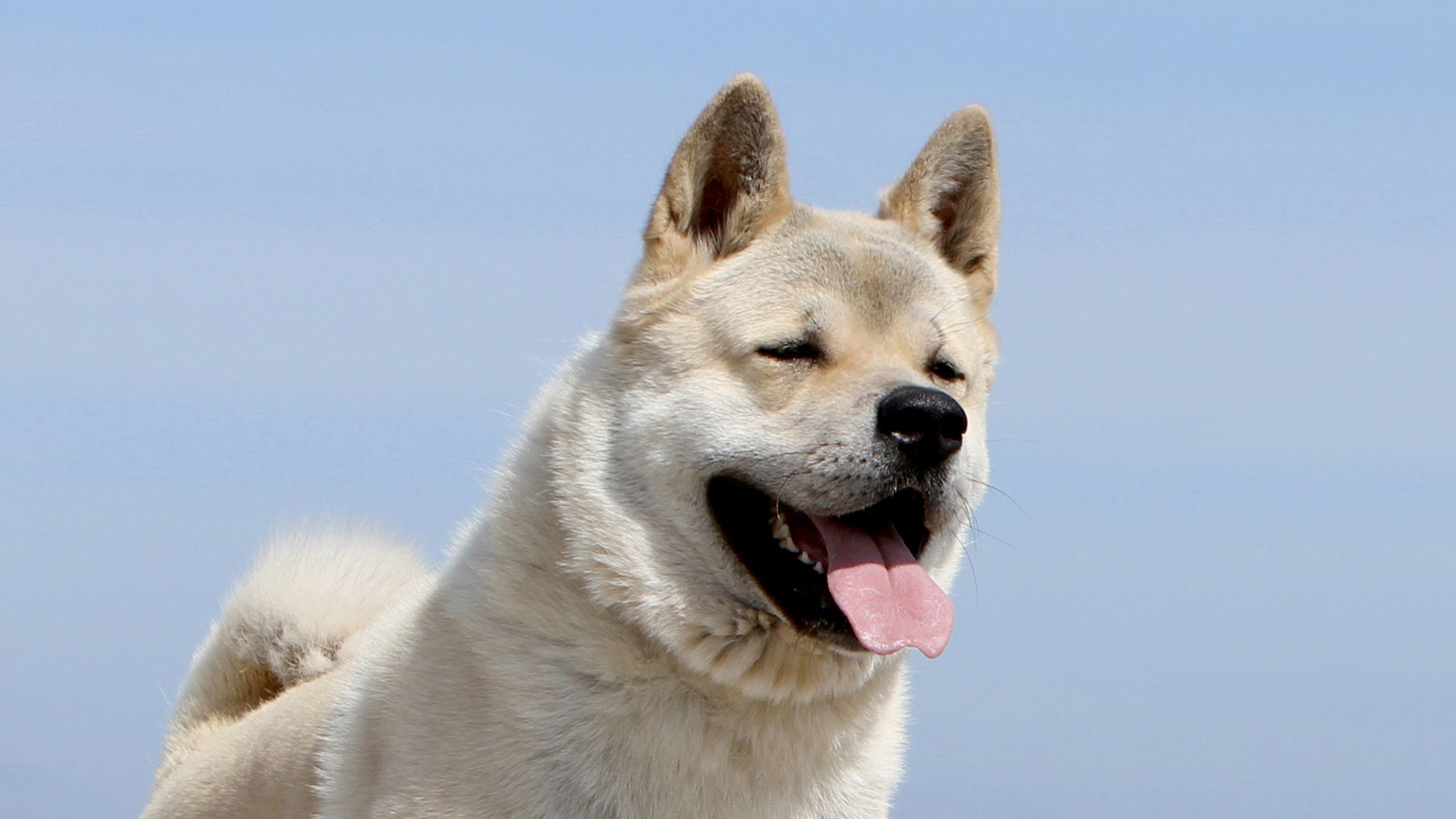
The bold and brave American Akita is a stunning breed whose individuality and confidence are to be admired. Fiercely protective of their family, these powerful dogs are natural guardians who rarely back away from a challenge. But despite their somewhat intimidating public demeanour, the American Akita has an entirely other side reserved uniquely for their loved ones. Playful and affectionate in their “private life”, an American Akita wants nothing more than to be by their family’s side, wherever that may be.
Though a one-family kind of dog, the American Akita is very social within their home environment and most content when included in daily activities. Though not prone to barking, the American Akita is quite vocal, producing an impressive range of grunts, mumbles, moans, etc. And another unique American Akita trait is known as mouthing, wherein they carry various items around, from toys to shoes to your hand. The latter isn’t aggressive behaviour, but rather a means of telling their owners, ‘Let’s go for a walk’ or ‘Come see this’.
Despite the affection and loyalty that the American Akita showers on their family, this breed can be stubborn and determined both in and outside the home. As such, confident, experienced dog owners capable of establishing their alpha position will fare best. However, anyone willing to take the time necessary to properly train and socialise an American Akita will be rewarded with a devoted, loving pet-owner relationship.
2 facts about American Akitas
History of the breed
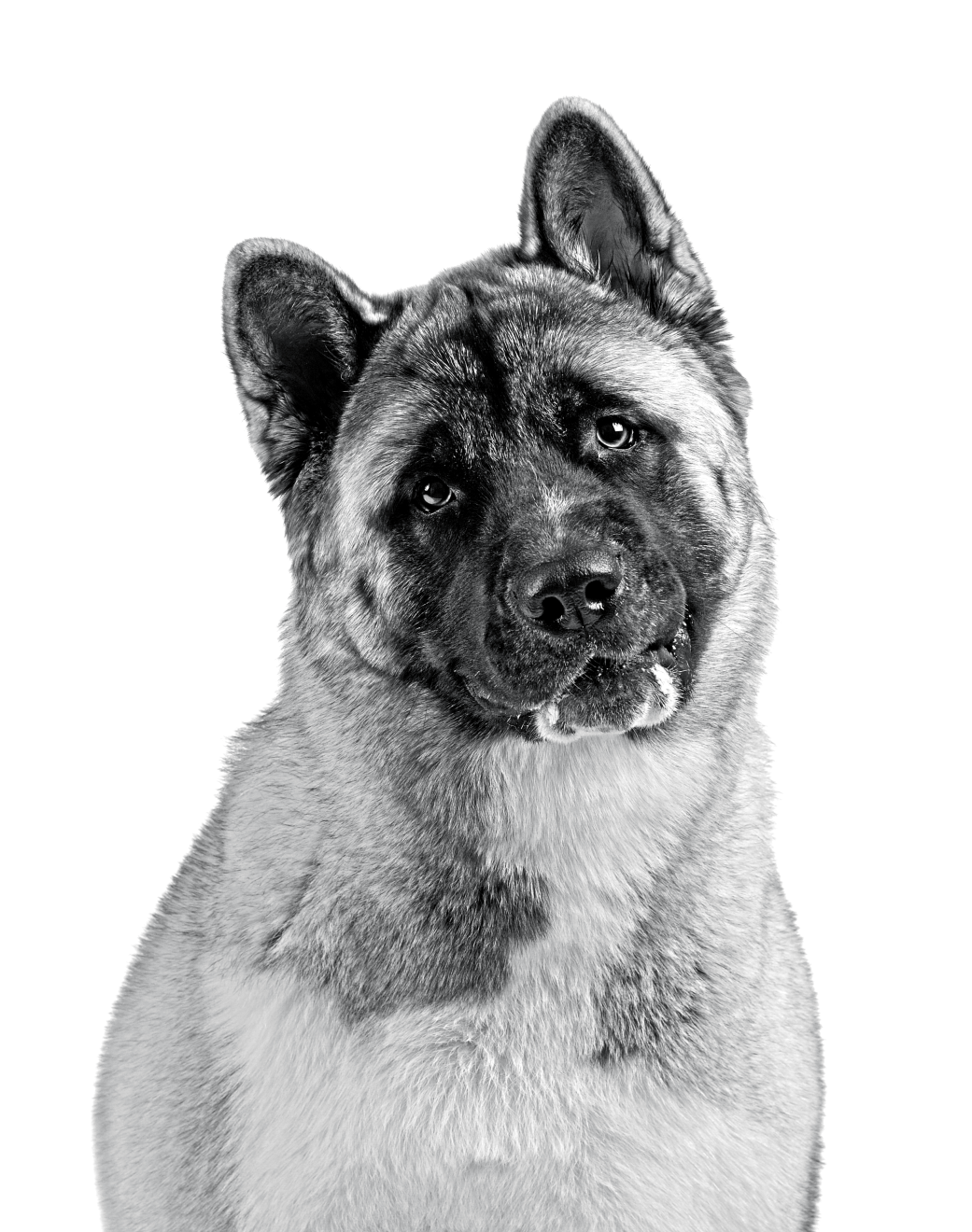
The American Akita’s origins can be traced back to the Akita province of Japan where, in the 17th century, the breed’s ancestors, the Matagi-Inu, were used for hunting large game and guarding royalty. By the 19th century, dogfighting had become popular and many Matagi-Inu were crossbred with foreign breeds like the Tosa and Mastiff to produce bigger, more aggressive dogs dubbed the Dewa line.
Japan prohibited dog fighting in 1908, but World War II soon decimated the Akita population. Fortunately, many American GIs in Japan fell for the breed and took theirs back home, mostly Dewa—German Shepherd and Fighting dog strains.
In 1956, the Akita Club of America was formed and, in 1973, the American Kennel Club officially recognised the Akita, closing their stud book to further imported Akitas (they didn’t recognise the Japanese Kennel Club). Since the majority of imported dogs were of the Dewa lines, these made up the resulting foundation stock of the American Akita. The AKC later recognised the Japanese Kennel Club and reopened the stud book, but the differences between the American and Japanese Akitas were already established. Years of debate ended in 2006 when the American type was officially named the American Akita.
From head to tail
Physical characteristics of American Akitas
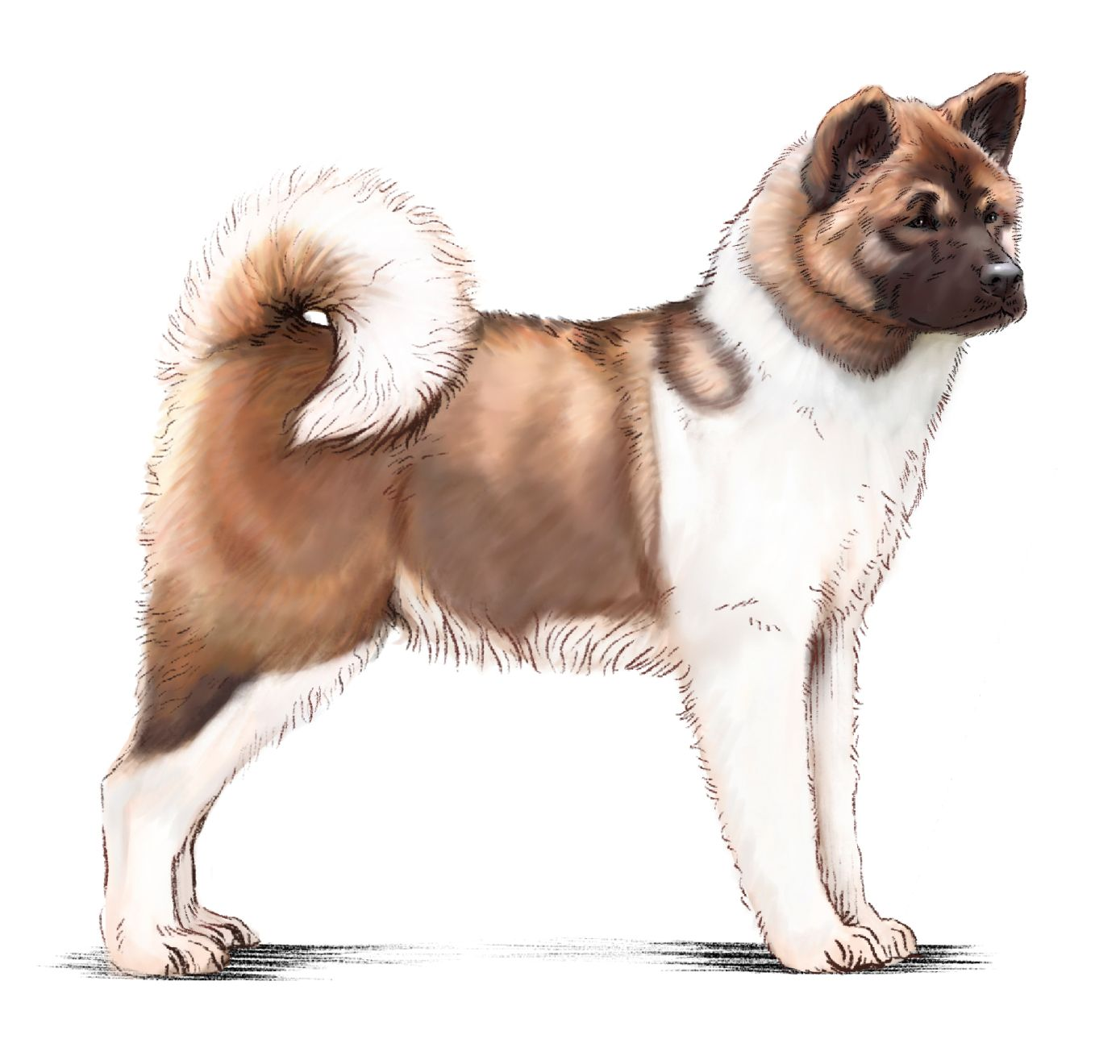
.
.
.
.
.
Things to look out for
From specific breed traits to a general health overview, here are some interesting facts about your American Akita
Healthy diet, healthier dog


Caring for your American Akita
Grooming, training and exercise tips
Weekly brushing, regular nail trimming and ear cleaning, and a bath every three months or so will suffice in terms of grooming your American Akita. That said, you may want to invest in a good vacuum cleaner since these dogs shed – a lot – and blow their coats twice a year.
While not a highly active breed, American Akitas should get at least a half hour to an hour’s worth of exercise each day in addition to their favourite pastime—playing! The American Akita benefits enormously from a varied routine, which will both keep them mentally and physically stimulated and help curb any undesirable behaviours that might result from boredom.
The American Akita is a dominating breed that is all too ready to take charge of things—and you. Extensive, early socialisation and firm but loving training given by an experienced trainer will ensure an American Akita learns the best canine manners.
7/7
All about American Akitas
Suggested Breeds
Read more on this topic
Sources
- Veterinary Centers of America https://vcahospitals.com/;
- Royal Canin Dog Encyclopaedia. Ed 2010 and 2020
- Banfield Pet Hospital https://www.banfield.com/
- Royal Canin BHN Product Book
- American Kennel Club https://www.akc.org/
Like & share this page