Let's talk Welsh Corgi Cardigan
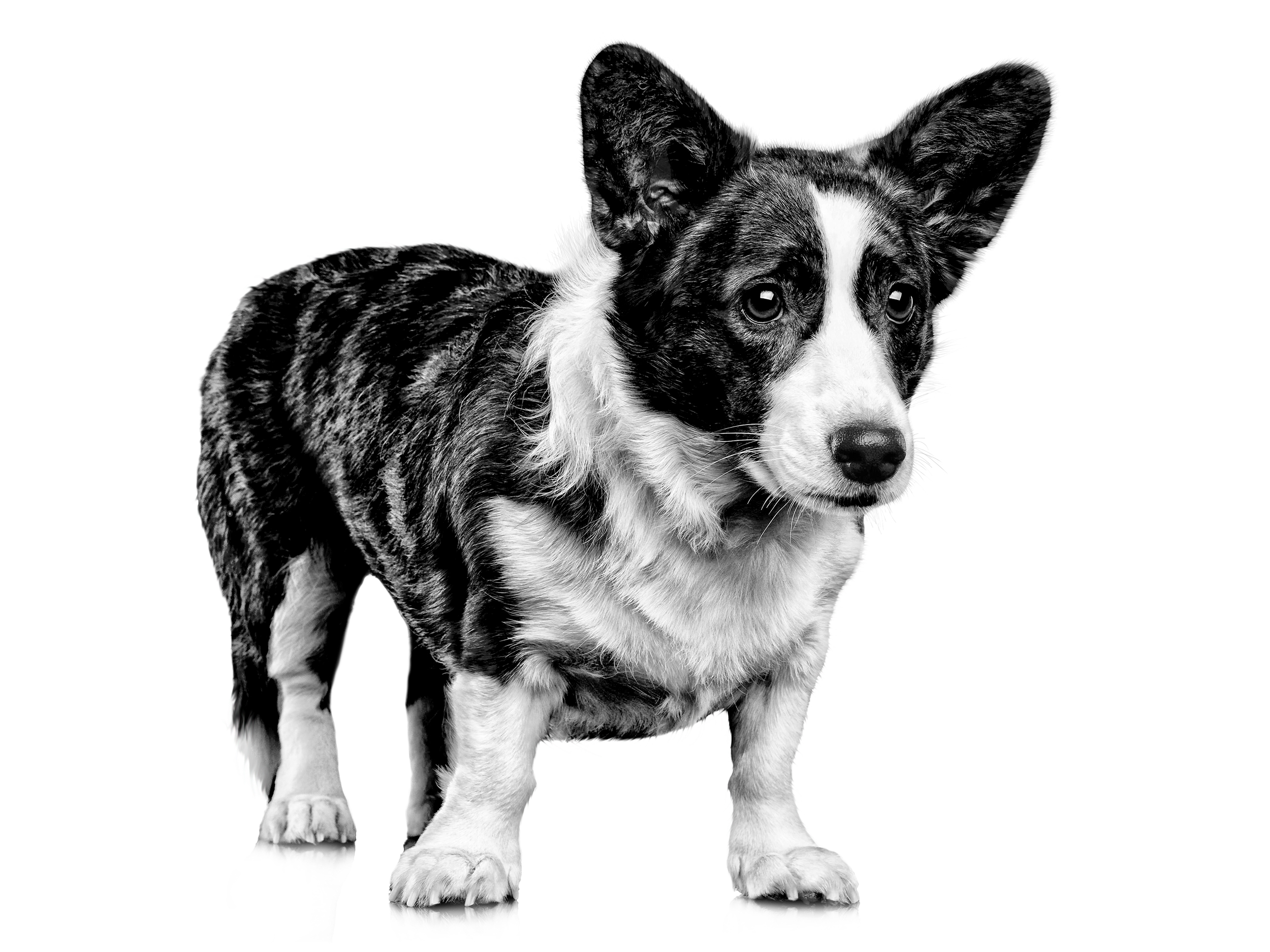
Sometimes described as a big dog in a small package, the Welsh Corgi Cardigan looks almost like a miniature wolf. They resemble their wild-animal ancestors in being intelligent and resourceful, too, and have great stamina and resilience. Originally bred as herding dogs, the Welsh Corgi Cardigan will benefit from plenty of outdoor exercise but are content to be at home in the heart of the family as well. These hardy little dogs also have a longer-than-average lifespan.
Official name: Welsh Corgi Cardigan
Other names: Cardigan Welsh Corgi, Cardigan
Origins: Wales
Drooling tendencies
1 out of 5Grooming needs
2 out of 5Shedding Level
4 out of 5Barking tendencies
5 out of 5Energy level*
2 out of 5Compatibility with other pets
4 out of 5Warm weather?
3 out of 5Cold weather?
3 out of 5Suited to apartment living
4 out of 5Can stay alone
3 out of 5Family pet?*
4 out of 5
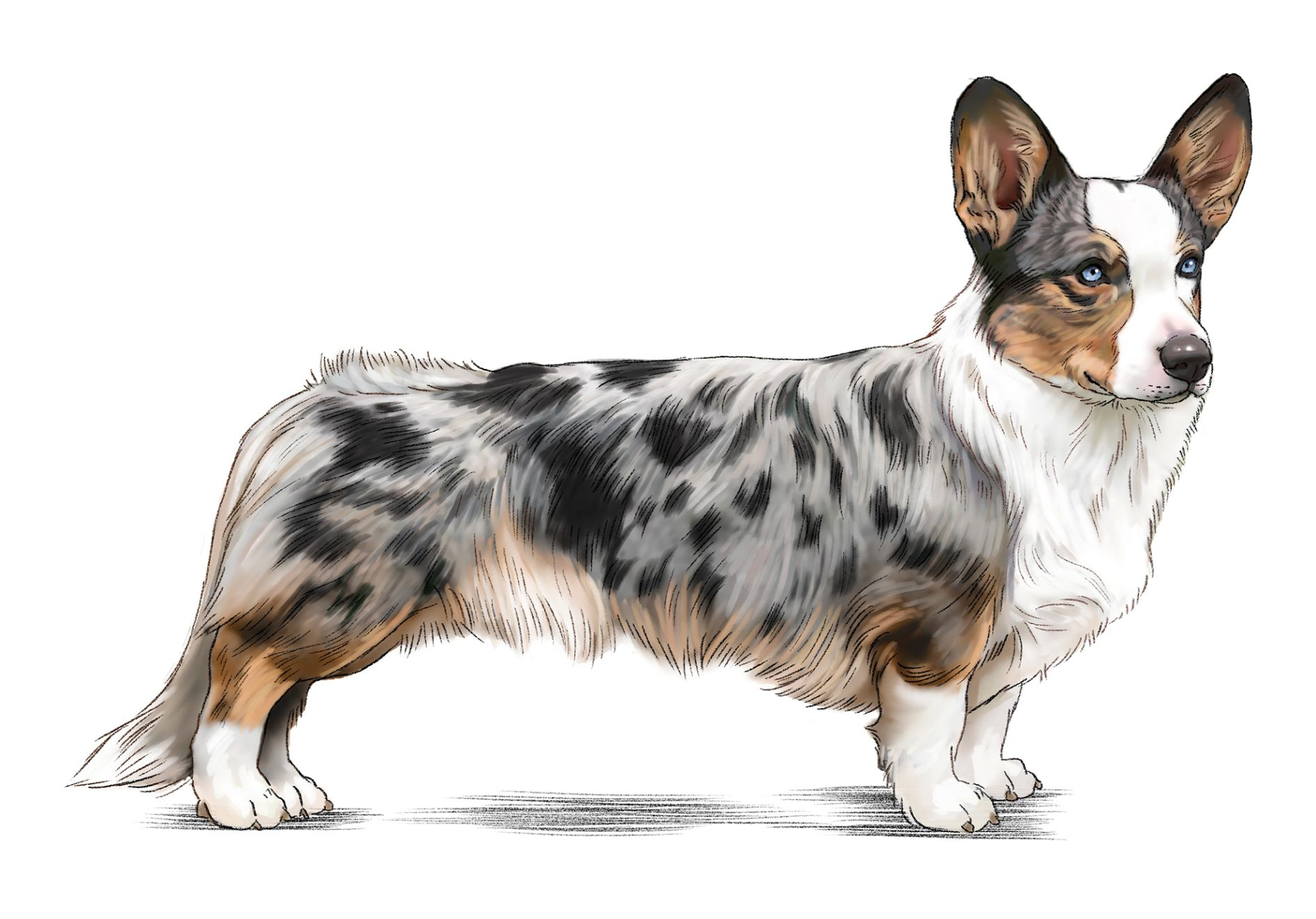
| Male | Female |
|---|---|
| Height | Height |
| 30.5 - 31.5 cm | 30.5 - 31.5 cm |
| Weight | Weight |
| 13.5 - 17 kg | 11 - 15 kg |
| Life stages | |
|---|---|
| Puppy | Adult |
| 2 to 12 months | 1 to 7 years |
| Mature | Senior |
| 7 to 10 years | 10 to 20 years |
| Baby | |
| Birth to 2 months | |

Get to know the Welsh Corgi Cardigan
All you need to know about the breed
Given the history of the Welsh Corgi Cardigan as a herding animal, it’s perhaps no surprise that they still retain many of those inherent qualities today. They are always up for being in the great outdoors, scurrying around in the fields, and also make good watchdogs for their human families.
While they may be relatively small in stature, they actually have many of the qualities of a much larger animal. For instance, in terms of their personality, the Welsh Corgi Cardigan is smart, fearless and bold. In short, not much fazes these little guys.
Even in their features, they look more like a larger dog – or even a wolf or a fox. Characterised by their large expressive eyes and prominent pricked ears, they are a very handsome breed. And even though their bodies hang low and long, they are both agile and powerful, and can move surprisingly quickly.
Despite their rugged, outdoorsy image, the Welsh Corgi Cardigan also has a calm temperament – and they are very affectionate animals too. They train well, so they’re usually great with children and other pets, and their laid-back, sociable nature make them an ideal companion all-round. On top of all that, the Welsh Corgi Cardigan has a good lifespan, too.
Notable for their varied markings, their thick double coat comes in several colours – from red to the popular blue-merle pattern – meaning each dog can look quite different from another. Incidentally, the easiest way to distinguish the Welsh Corgi Cardigan from their similar ‘cousins’, the Welsh Corgi Pembroke, is to look at their hindquarters. While Cardigans have a longish tail, the Pembroke does not – and the Cardigan is also slightly larger.
Over the last few decades, Corgis have found fame as the favoured dogs of the Queen of England who has owned more than 30 Pembrokes during her lifetime (don’t tell the Cardigan…). As a result, Corgis also had a starring role on our screens recently in the hit Netflix series, The Crown.

2 facts about Welsh Corgi Cardigans
1. Historic British breed
The Welsh Corgi Cardigan is the older of the two Corgi dog breeds—and pre-dates the Pembroke by some 2,000 years. Amazingly, they have been a resident of Wales since around 1,200 BC.
2. Safe and sound
Their distinctive large ears not only look rather cute but also perform an important function. The Welsh Corgi Cardigan has first-class hearing that can prove invaluable in their role as a watchdog. Rest assured, not much gets past a Corgi!

History of the breed
One of the oldest breeds in the British Isles, the Welsh Corgi Cardigan has been with us for more than 3,000 years. Hailing from the historic county of Cardiganshire, in Wales, their name comes from the Celtic word for dog – which is “kergie”.
Down the centuries, this small but powerful breed has been used mainly to herd cattle. The size of the Welsh Corgi Cardigan made them the ideal height to snap at the heels of the herd, but they were also fast enough to dodge a kick. At night, they would help guard against any potential predators.
At other times in their long history, Welsh Corgi Cardigans have also worked as hunting partners and watchdogs. These days, though, they are most often a beloved family pet. They first arrived in the U.S. in the 1930’s – being formally recognised by the American Kennel Club in 1935 – and the breed soon took off there as well.
The history of the Welsh Corgi Cardigan is also closely tied to that of their ‘cousins’, the Welsh Corgi Pembroke, and for a long time they were considered to be one and the same. In actual fact, they don’t share a common ancestor and come from different parts of Wales. The Welsh Corgi Cardigan also has slightly different physical characteristics.
From head to tail
Physical characteristics of Welsh Corgi Cardigans
1.Head
2.Ears
3.Body
4.Coat
5.Tail

Things to look out for
From specific breed traits to a general health overview, here are some interesting facts about your Welsh Corgi Cardigan
This is a breed with few health problems, but be aware of back issues
Because of their long, low bodies, and relatively short limbs, Welsh Corgi Cardigans can be more susceptible to spinal injury or a slipped disc. They should therefore be kept away from any high surfaces—and, in fact, from anywhere where they might attempt to jump, such as the bed or the couch. Even the stairs can be a problem for them, so it’s best to avoid those, too, as well as any steps on their walks. If you do run into any issues, your Welsh Corgi Cardigan should be taken to the vet as soon as possible so suitable treatment can be administered.
It's a good idea to keep an eye on their calorie intake
This is quite important because if the Welsh Corgi Cardigan puts on weight, this can put an extra strain on their back. They should therefore have a low-calorie formula, which contains high-quality protein, and treats should be kept to a minimum. Check out our ‘Healthy Diet, Healthier Dog’ section for more facts on the Welsh Corgi Cardigan and the best sort of nutrition for different stages in their life. Because of their working dog origins, the Cardigan will also appreciate regular outdoor exercise, and this will help to keep them in shape too.
Another complaint that can affect them is eye conditions
As Welsh Corgi Cardigans start to age, their eyes can begin to deteriorate in the same way as those of humans. Although many problems can happen at any age – such as a corneal ulcer, conjunctivitis, blocked tear ducts etc. – some tend to develop with age—like glaucoma, cataracts or even neoplasia (cancer). Thankfully, most conditions can be treated successfully, so if you notice any discomfort in one or both eyes, it’s best to go and see your vet right away. The earlier the diagnosis is established, the better the outcome. For this reason, it’s also a good idea to check your dog’s eyes on a regular basis.
Healthy diet, healthier dog
When choosing food for a Welsh Corgi Cardigan, there are many factors to consider: their age, lifestyle, activity level, physiological condition, and health including potential sickness or sensitivities. Food provides energy to cover a dog’s vital functions, and a complete nutritional formula should contain an adjusted balance of nutrients to avoid any deficiency or excess in their diet, both of which could have adverse effects on the dog.
Clean and fresh water should be available at all times to support good urinary regularity. In hot weather and especially when out exercising, bring water along for your dog’s frequent water breaks.
Energy intake may also have to be adapted to the climatic conditions. A dog that lives outdoors in winter will have increased energy requirements.
The following recommendations are for healthy animals. If your dog has health problems, please consult your veterinarian who will prescribe an exclusively veterinary diet.
A Welsh Corgi Cardigan puppy’s requirements, in terms of energy, protein, minerals, and vitamins, are much greater than those of an adult dog. They need energy and nutrients to maintain their body, but also to grow and build it. Until they are 12 months old, a Welsh Corgi Cardigan puppy’s immune system develops gradually. A complex of antioxidants - including vitamin E - can help support their natural defences during this time of big changes, discoveries, and new encounters. Their digestive functions are different from an adult Welsh Corgi Cardigan’s, too: their digestive system is not mature yet so it’s important to provide highly digestible proteins that will be effectively used. Prebiotics, such as fructo-oligosaccharides, support digestive health by helping balance the intestinal flora, resulting in good stool quality.
Similarly, a puppy’s teeth – starting with the milk teeth, or first teeth, then the permanent teeth – are an important factor that needs to be taken into account when choosing the size, shape, and texture of kibble. This short growth phase also means high energy needs, so the food must have a high energy content (expressed in Kcal/100g of food), while concentrations of all other nutrients will also be higher than normal in a specially formulated growth food. It is recommended to split the daily allowance into three meals until they are six months old, then to switch to two meals per day.
Throughout their life, it is important to avoid feeding Welsh Corgi Cardigans human foods or fatty snacks. Instead, reward them with kibble taken from their daily meal allowance, and strictly follow the feeding guidelines written on the package in order to prevent excessive weight gain.
The main nutritional goals for adult Welsh Corgi Cardigans are:
Maintaining an ideal body weight by using highly digestible ingredients and keeping the fat content at a sensible level.
Promoting optimal digestibility with high quality protein and a balanced supply of dietary fibre.
Helping to preserve the health and beauty of the skin and coat with the enriched addition of essential fatty acids (especially EPA-DHA), essential amino acids, and B vitamins.
To help support their natural defences, a formula enriched with an antioxidant complex and containing mannan-oligosaccharides is recommended.
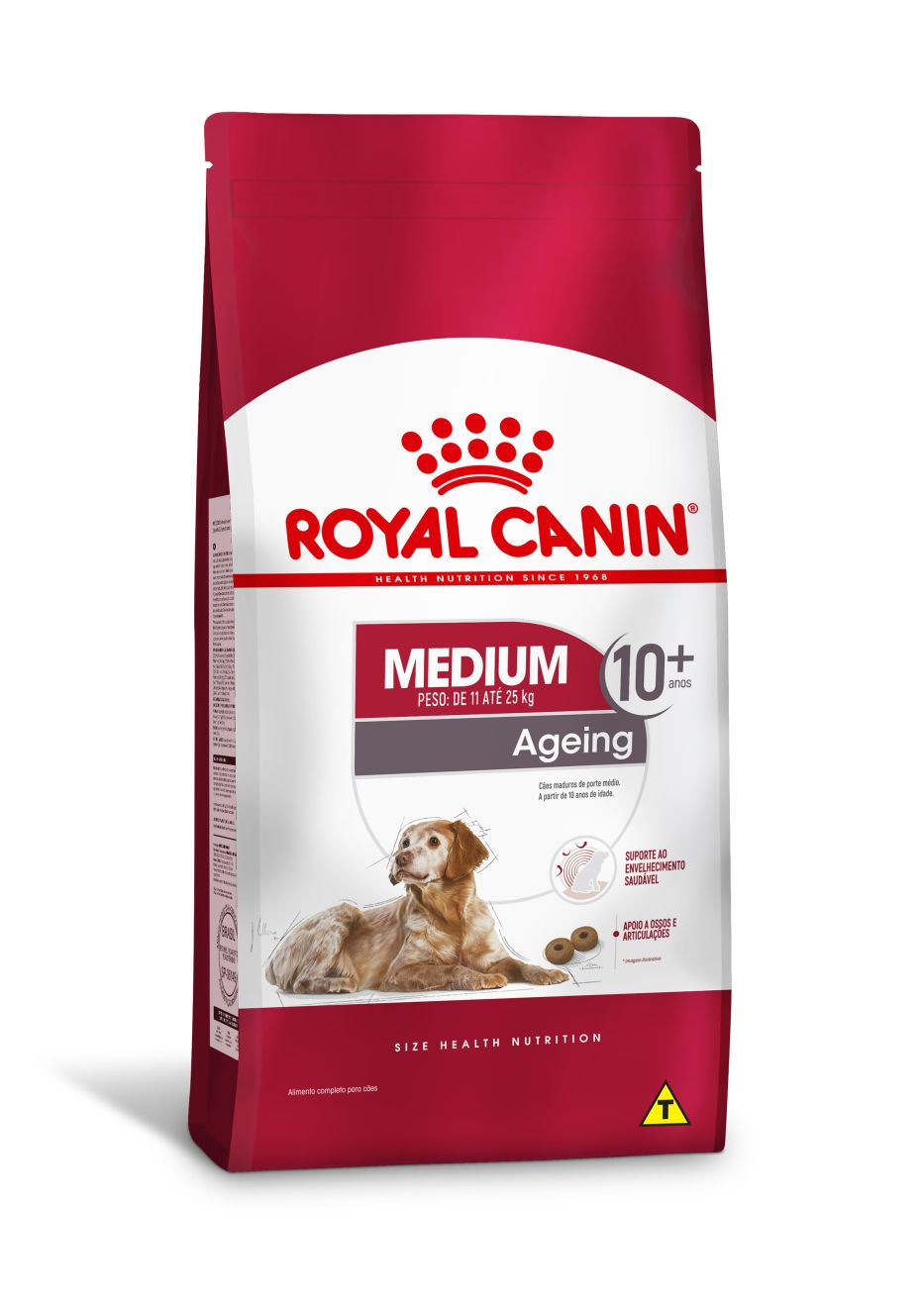
After 7 years old, Welsh Corgi Cardigans start facing the first signs of ageing. A formula enriched with antioxidants will help maintain their vitality, and specific nutrients, such as chondroitin and glucosamine, will help maintain healthy bones and joints. Ageing is also accompanied by the modification of digestive capacities and particular nutritional requirements, so food for older Welsh Corgi Cardigans should have the following characteristics:
Higher vitamin C and E content. These nutrients have antioxidant properties, helping to protect the body’s cells against the harmful effects of the oxidative stress linked to ageing.
High-quality protein. Contrary to a widely held misconception, lowering the protein content in food brings little benefit in limiting kidney failure. On top of it, older dogs are less efficient at using dietary protein than younger dogs. Reducing the phosphorus content is a good way of slowing down the gradual deterioration of kidney function.
A higher proportion of the trace elements iron, copper, zinc, and manganese to help maintain good condition of the skin and coat.
A higher quantity of polyunsaturated fatty acids (omega-3 and omega-6 fatty acids) to maintain the quality of the coat. Dogs can normally produce these fatty acids, but ageing can affect this physiological process.
As they age, dogs increasingly suffer from teeth problems. To ensure they continue to eat in sufficient quantities, the size, shape, and texture of their kibble need to be tailored to their jaw. An adapted kibble shape may help reduce the rate of food intake to help your dog maintain a healthy body weight.

Caring for your Welsh Corgi Cardigan
Grooming, training and exercise tips
In terms of grooming, the Welsh Corgi Cardigan is very easy in that respect too. Although they are a double-coated breed, with a soft, thick undercoat and a longer, tougher outer coat, they should be fine with a good brush around once a week. It’s also a myth that they need their fur cut short for the summer. However, the Welsh Corgi Cardigan is quite a high-shedding breed and will require daily brushing during that time. An undercoat ‘rake’ will help remove any excess hair. They should also have an occasional bath. In addition, their nails should be clipped as required, ears checked regularly and teeth brushed daily or as often as possible.
Smart, spirited and occasionally a little stubborn, the Welsh Corgi Cardigan will benefit from early puppy-training classes. That way, you can hopefully get them into good habits before they become too set in their ways. As the Welsh Corgi Cardigan can also be a bit barky sometimes, the early socialisation will help to counter that. Also quite sensitive animals, a gentle training technique based around positive reinforcement and healthy rewards works best. Highly intelligent dogs, Welsh Corgi Cardigans can also go on to excel in canine sports, such as agility, obedience and tracking. Just remember to keep in mind the potential for injury of the Cardigan’s long back.
As mentioned earlier, the Welsh Corgi Cardigan was originally bred as a working dog and therefore had a busy lifestyle. Even today, they remain an energetic breed and still need their daily fix of physical activity. So, whether it’s a hike through the fields, a trip to the dog park or a simple walk, the Welsh Corgi Cardigan will always enjoy exercise outdoors–along with a healthy dose of socialising with other animals thrown in. However, because of their short legs and bulky bodies, they don’t make good jogging partners and they’re not great swimmers either. But don’t hold it against them, they are so good at other things.
All about Welsh Corgi Cardigan
What is the difference between a Welsh Corgi Cardigan and a Welsh Corgi Pembroke?
How big does a Welsh Corgi Cardigan get?
Suggested Breeds
Read more on this topic

Sources
- Veterinary Centers of America https://vcahospitals.com/;
- Royal Canin Dog Encyclopaedia. Ed 2010 and 2020
- Banfield Pet Hospital https://www.banfield.com/
- Royal Canin BHN Product Book
- American Kennel Club https://www.akc.org/
Like & share this page