How can I tell if my dog's weight is healthy?
Article

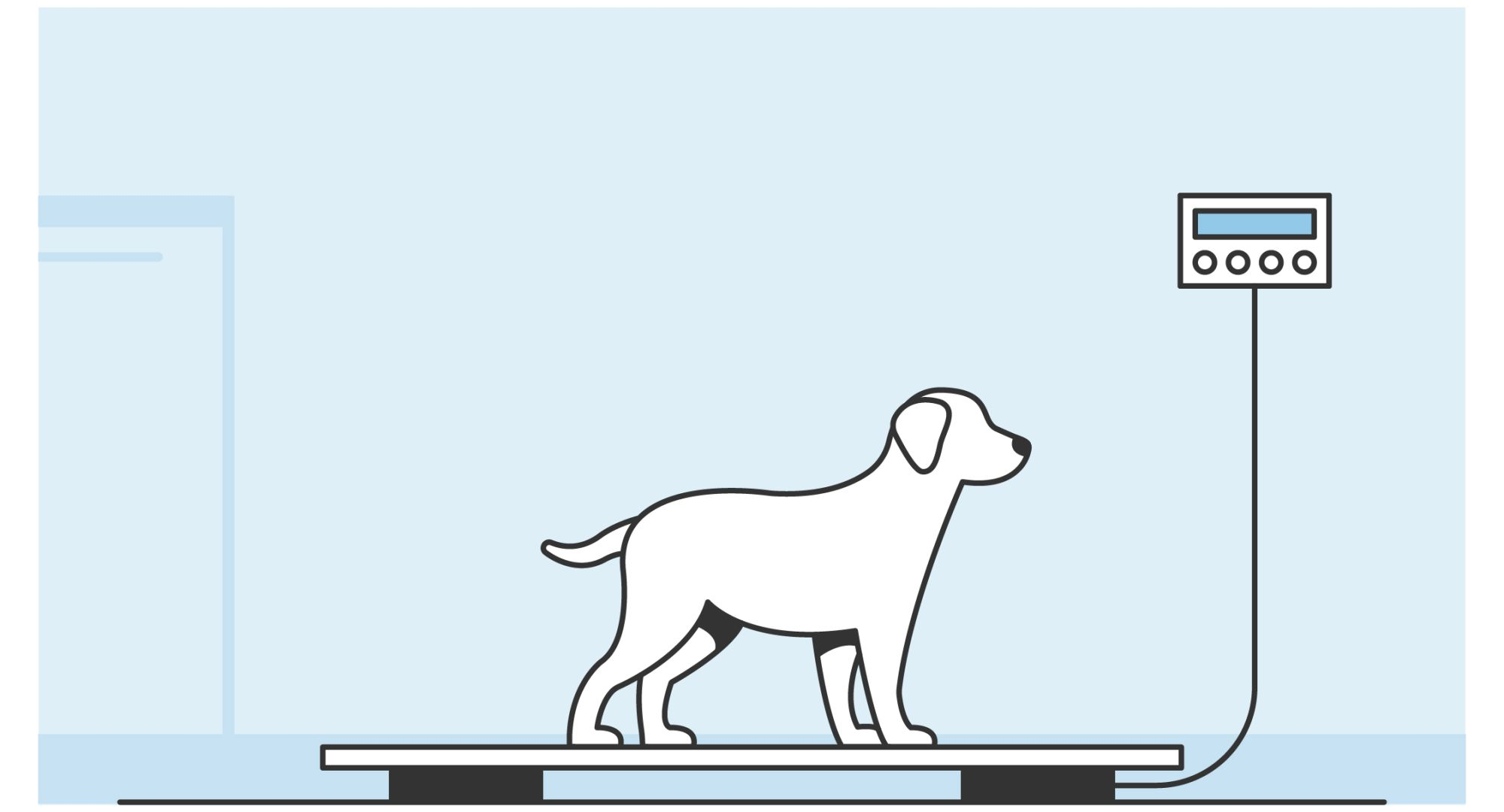
Regularly weighing your dog on a scale is an important monitoring tool that will help you to detect small weight changes before they become visible, but this method alone doesn't tell you if your dog has a healthy body composition.
A body condition score helps to estimate how much body fat a dog has, through simple touch and visual assessment of their shape.
Typically, a dog body condition score is used by veterinarians to evaluate whether your dog is under (too little fat), over (excessive fat) or at (a healthy amount of body fat) their ideal body condition.
Body condition score is typically assessed using a 9-point system. Scores range from 1, indicating your dog is severely underweight, to 9 at the other end of the scale, which indicates severe obesity.
The ideal body condition score for a dog, is 4 or 5 on the 9-point system. For a dog to score a 4 or 5 this means you can easily feel their ribs, identify a visible waist from above and can see their abdomen tuck up behind their rib cage when looking at your dog from the side.
Assessing your dog's body condition score
Follow our easy-to-use dog body condition score strategy below to understand whether your dog is underweight, overweight or at an ideal weight.
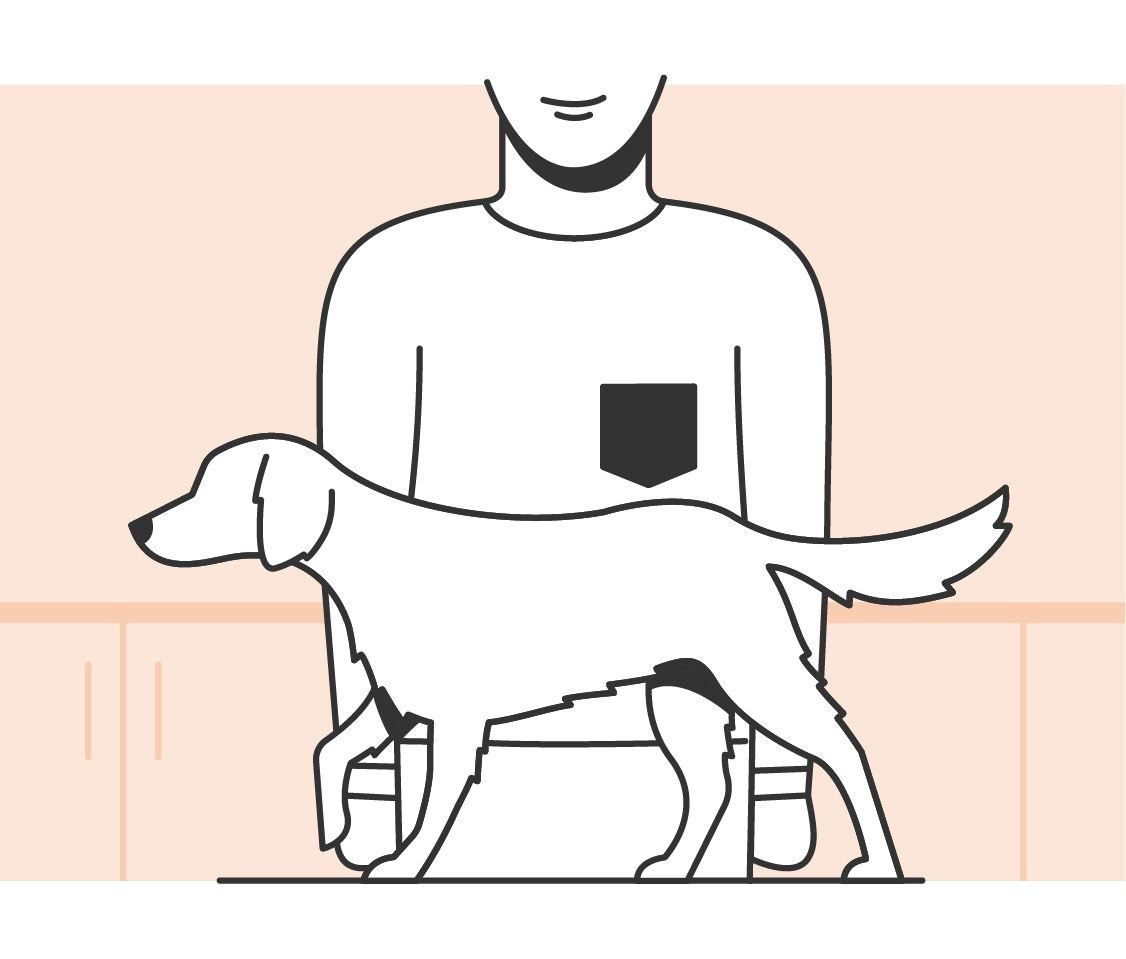
Step 1 - Look
When assessing a body condition score, look at your dog from above and from the side. Compare their body shape against those highlighted under each score, from 1 to 9, to see which best matches your dog's physical appearance.
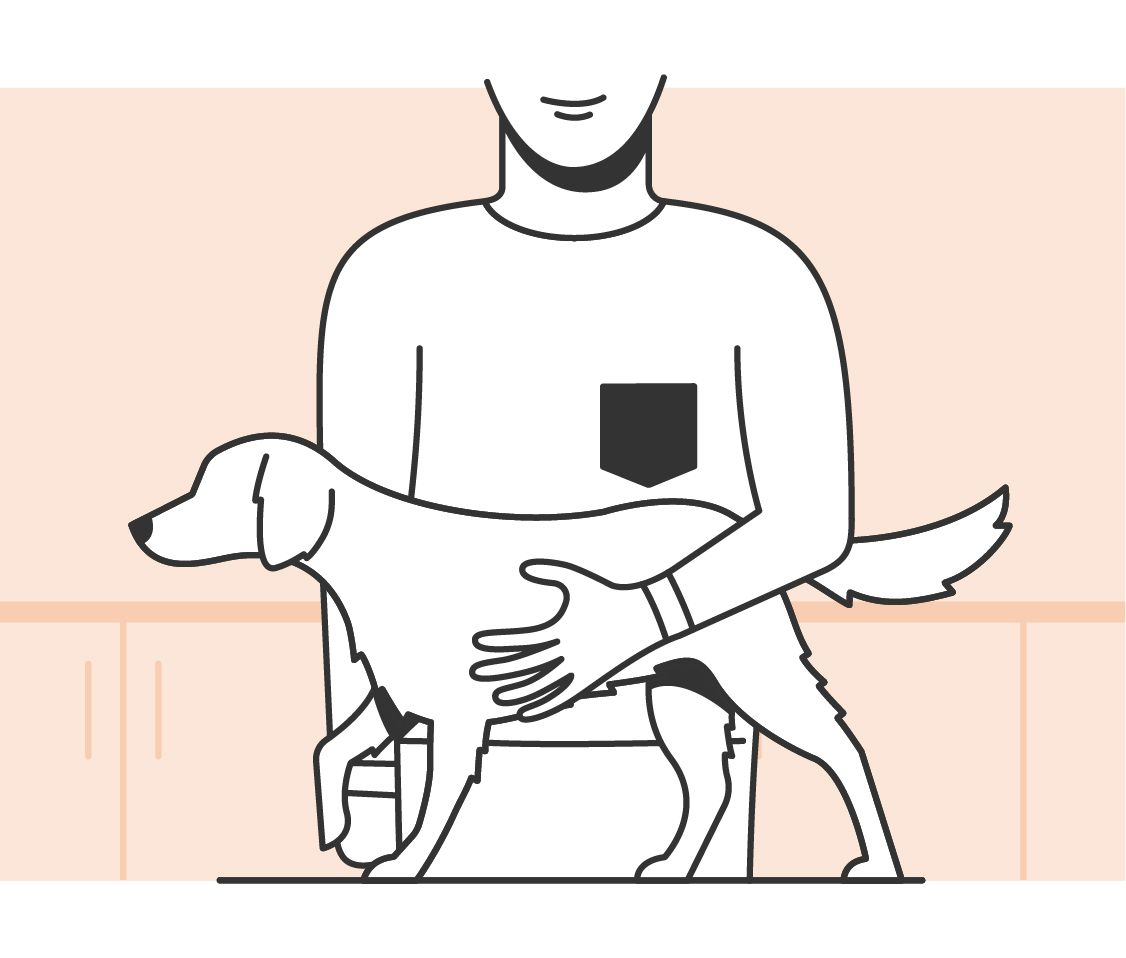
Step 2 - Feel
Using your fingers, feel over your dog’s ribs while gently applying a small amount of pressure. You should be able to easily feel the ribs of a dog with an ideal body condition. If you are struggling to feel their ribs without applying a significant amount of pressure this could be a sign that the dog is overweight.
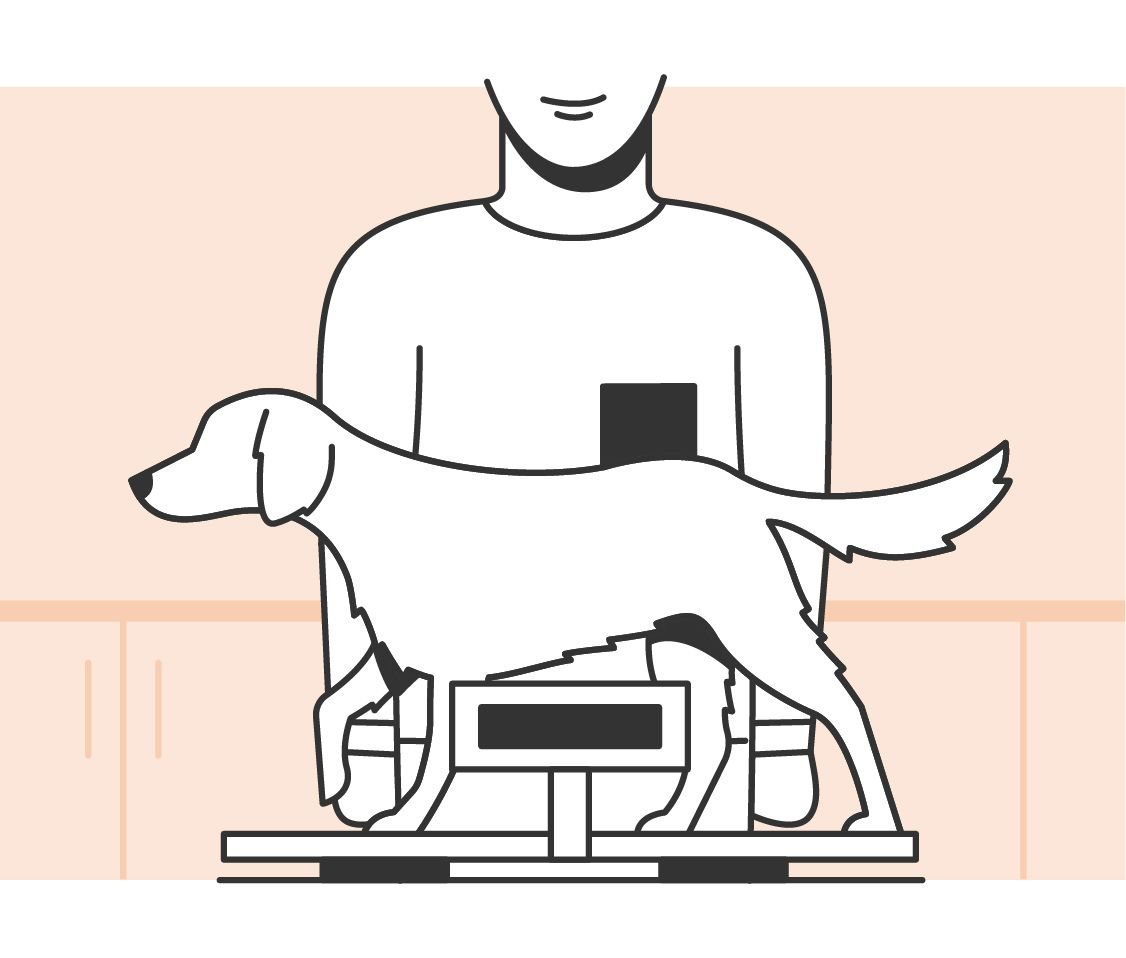
Step 3 - Weigh
Check your dog's weight on an appropriate scale. Along with their body condition score, body weight is a valuable piece of information about the health of your dog. Your veterinarian will be able to address your dog's nutritional needs based on their current and ideal body condition.
Underweight dog - body condition score 1 - 3
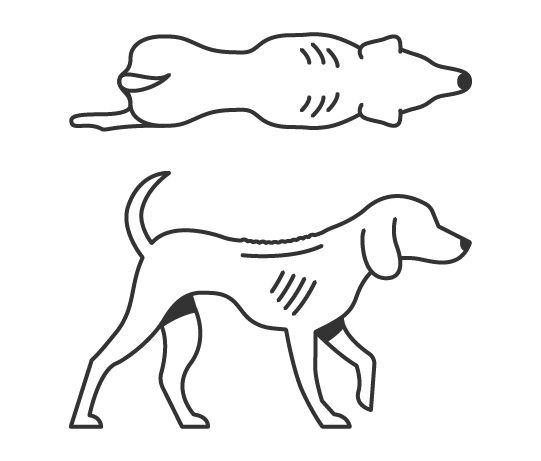
Score 1: Severely underweight
What to look for
-
Ribs, pelvis and other bones are severely evident from a distance
-
No recognizable body fat
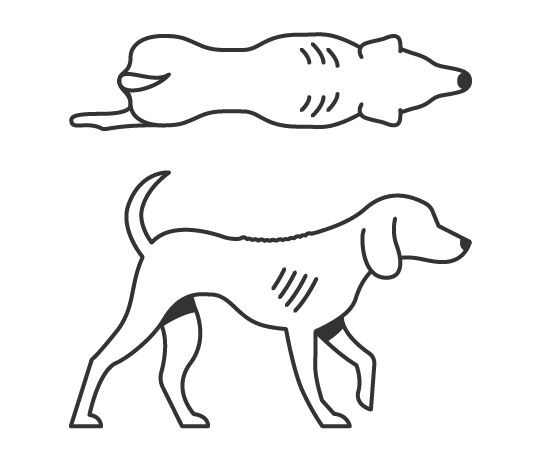
Score 2: Underweight
What to look for
-
Ribs, pelvis and other bones are evident from a distance
-
No visible body fat
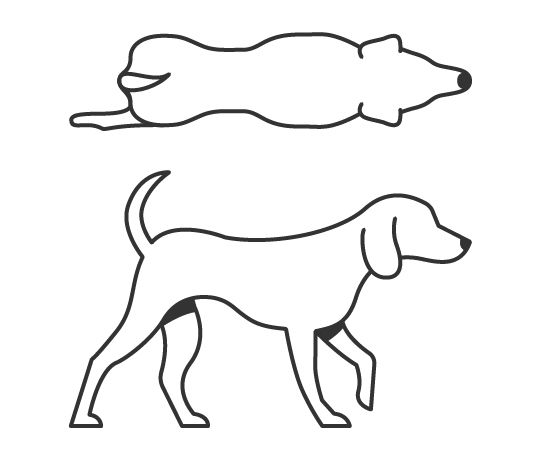
Score 3: Too thin
What to look for
-
Ribs can easily be felt and may be visible with no noticeable fat
-
The lower spine is visible and pelvic bones are prominent
-
Obvious waist and abdominal tuck when viewed from the side
Why is my dog underweight?
Having an underweight body condition, while less common than overweight, can be a result of illness or related to a change in health status. Your veterinarian will be able to carry out a physical examination of your dog and recommend appropriate management options.
Ideal dog weight - body condition score 4 - 5
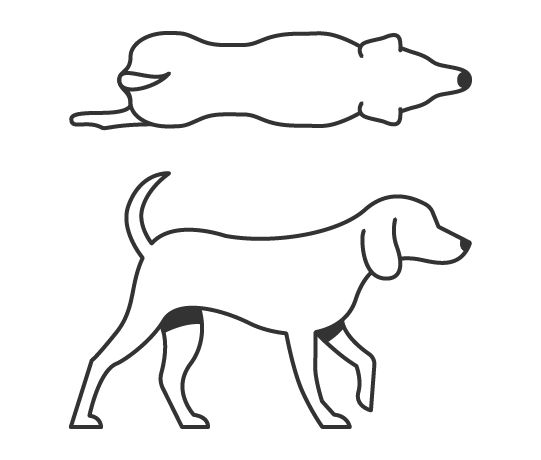
Score 4: Ideal
What to look for
-
Ribs can easily be felt with minimal fat
-
The waist is visible when viewed from above
-
Abdominal tuck is clearly visible when viewed from the side
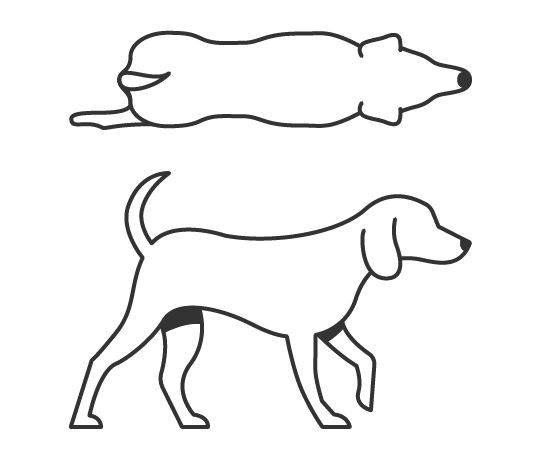
Score 5: Ideal
What to look for
-
Ribs can easily be felt without excess fat
-
The waist can clearly be seen when viewed from above
-
Abdominal tuck is visible when viewed from the side
My dog is a healthy weight
It's great news if your dog is already an ideal and healthy weight, and you should aim to maintain your healthy feeding habits. Continue to feed your dog the correct portion sizes, avoid giving them too many treats and ensure they receive daily exercise as recommended by your veterinarian. Keeping on top of these factors will help your dog's weight remain stable.
As your dog ages, remember that feeding and exercise habits may need to be adapted. Regular check-ups with your veterinarian will provide opportunities to discuss changes to your dog's diet and how their activity levels should be altered.
Overweight dog - body condition score 6 - 9
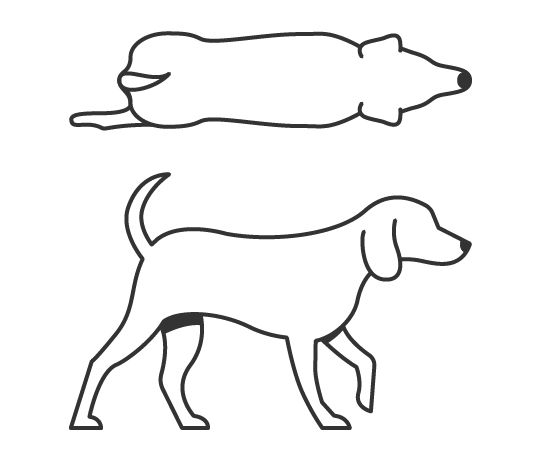
Score 6: Above ideal
What to look for
-
Ribs can be felt with only a slight excess of fat
-
The waist is apparent when viewed from above but is not prominent
-
Abdominal tuck is visible when viewed from the side
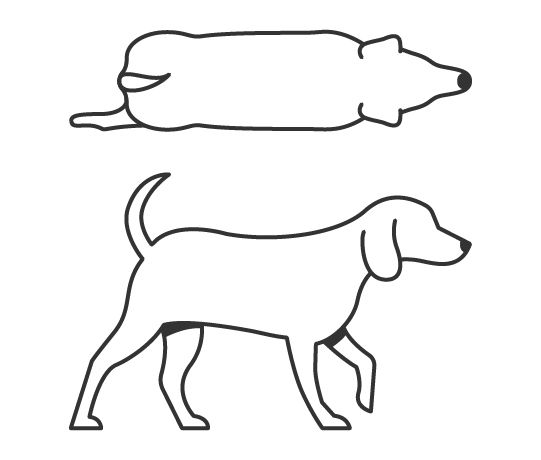
Score 7: Overweight
What to look for
-
Ribs palpable with difficulty, heavy fat cover
-
Noticeable fat around the lower back area and base of the tail
-
The waist is absent or barely visible
-
Abdominal tuck may be absent when viewed from the side
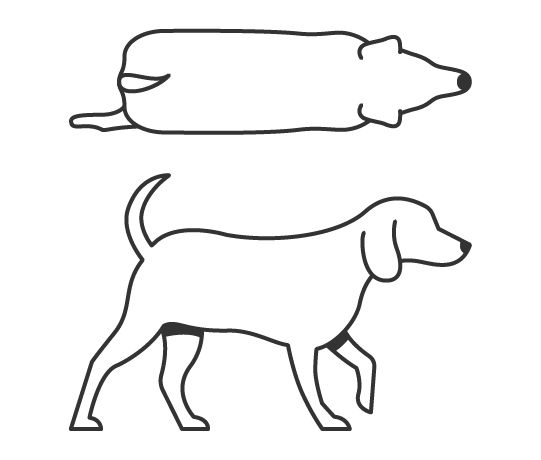
Score 8: Obese
What to look for
-
Ribs cannot be felt under very heavy fat cover or may only be identified with significant pressure
-
Heavy fat around the lower back area and base of the tail
-
No visible waist
-
No abdominal tuck when viewed from the side
-
Obvious abdominal swelling may be present
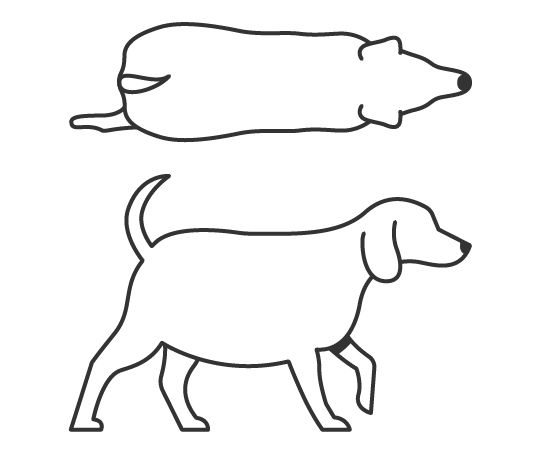
Score 9: Severely obese
What to look for
-
Excessive fat between the neck and the abdomen, spine, and base of the tail
-
Waist and abdominal tuck is absent when viewed from the side
-
Fat around the neck and limbs
-
Obvious abdominal swelling
-
Ribs cannot be felt under very heavy fat cover
Is my dog overweight?
If you think your dog might be overweight, speak to your veterinarian. With your commitment to the process, successful weight reduction is possible through adapted nutritional management. Work with your veterinarian to create a weight loss plan for your dog and ask them if ROYAL CANIN® Satiety Support diets would be suitable for your dog.
Still unsure about your dog's ideal weight?
If you're unsure how to use a dog body condition score or need help interpreting your dog's score, speak to your veterinarian for advice. They will be able to assess if your dog is underweight, overweight or at an ideal weight and will advise the most suitable next steps. They may suggest to adapt your dog’s exercise routine, diet and treats, or a combination of measures.



Like & share this page