What Are the Benefits of Dog ID Tags and Microchips?
Taking good care of a new pet includes more than just meeting their physical needs. When you prepare for your new puppy or dog, be sure to include a way to identify your pet in case they get lost or escape. If, for example, your dog digs themselves out of the yard, escapes from the leash during a walk or goes missing due to a natural disaster, you will want to find them as quickly as possible. Statistics show that 16% of dogs go missing at least once in their lifetime. Lost dogs with dog collar tags or microchips are more likely to be reunited with their owners.
Many countries have a legal requirement for dog safety mandating ID tags on dogs in public areas. Others don’t require it outright but strongly recommend this safety precaution to decrease the number of stray dogs and help return lost dogs to their owners more quickly.
Wherever you live, an ID tag can be the fastest way to be reunited with your dog if they get lost or go missing. Let’s look at all the reasons your dog needs an ID tag.
Article

Why Does Your Dog Need an ID Tag?
What Are the Statistics for Lost Pets?
Sadly, only 15-20% of dogs are reunited with their owners after getting lost. The rest are unclaimed in shelters or remain on the streets as stray dogs. Incorrect or missing contact information on the ID tag or microchip accounts for 30% of unclaimed shelter dogs.
But your dog doesn’t have to be one of the statistics. Keep the information on your pet’s ID tag and microchip current at all times. This isn’t always top of mind when you’re moving or relocating, but it’s an essential part of your dog’s long-term safety.
Positive outcomes for dogs being reunited with their owners are primarily due to actions like searching the neighborhood, having ID tags, and checking local shelters very soon after losing your dog (and checking back in with them frequently). Most often, people or authorities who find unaccompanied dogs will report or try to catch a dog that seems lost if it’s wearing a collar with a visible tag—it’s a clear sign that this is someone’s pet.
And the statistics for dogs with microchips are even higher. One study showed three out of four dogs wearing microchips were reunited with their owners.
As responsible pet owners, realizing our dogs are missing is terrifying, and we do everything we can to find them. But as you can see, there are ways to increase the odds of your pet returning home to you safely and swiftly.
Types of ID Tags and their Benefits
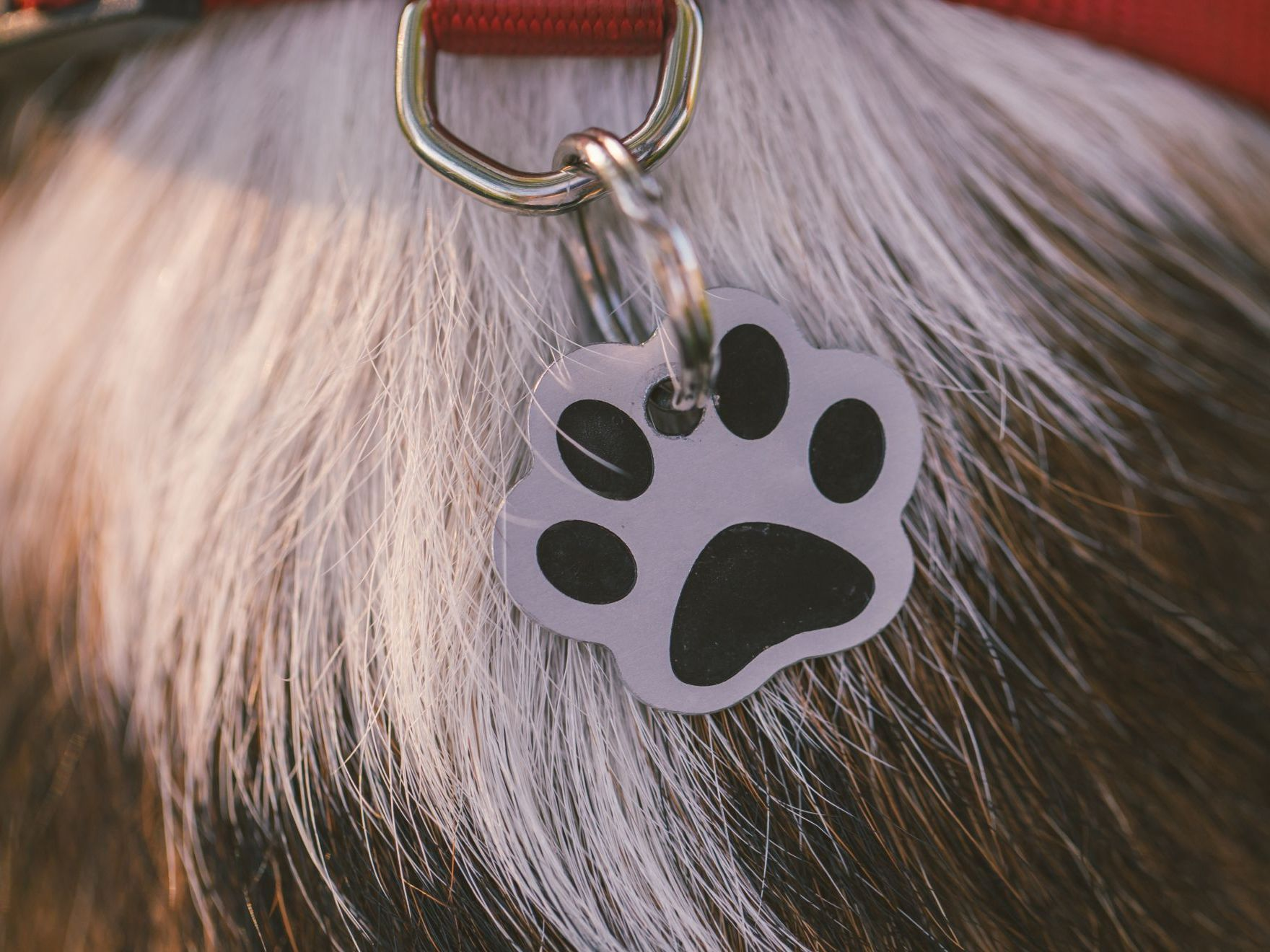
Dog name tags attached to your dog’s collar are available in metal, stainless steel or rubber options and etched with important contact information like their name or your name, address, and phone number. Some dog name tags also display medical or disability conditions, making it easier for the finder to provide proper care until you reunite with your dog. Tags are easy to read, and some newer dog collar tags have digital profiles with contact information.

Microchips are electronic devices the size of a grain of rice injected just under your dog’s skin. Microchipping is done by a veterinarian and is a very quick procedure for your dog with massive benefits if the unthinkable happens. The chips don’t contain batteries; radio waves in the scanners activate to display the chip’s ID number, connected to a central database. The database contains your contact information. The ID numbers are permanent, and there is a small fee for holding the data.
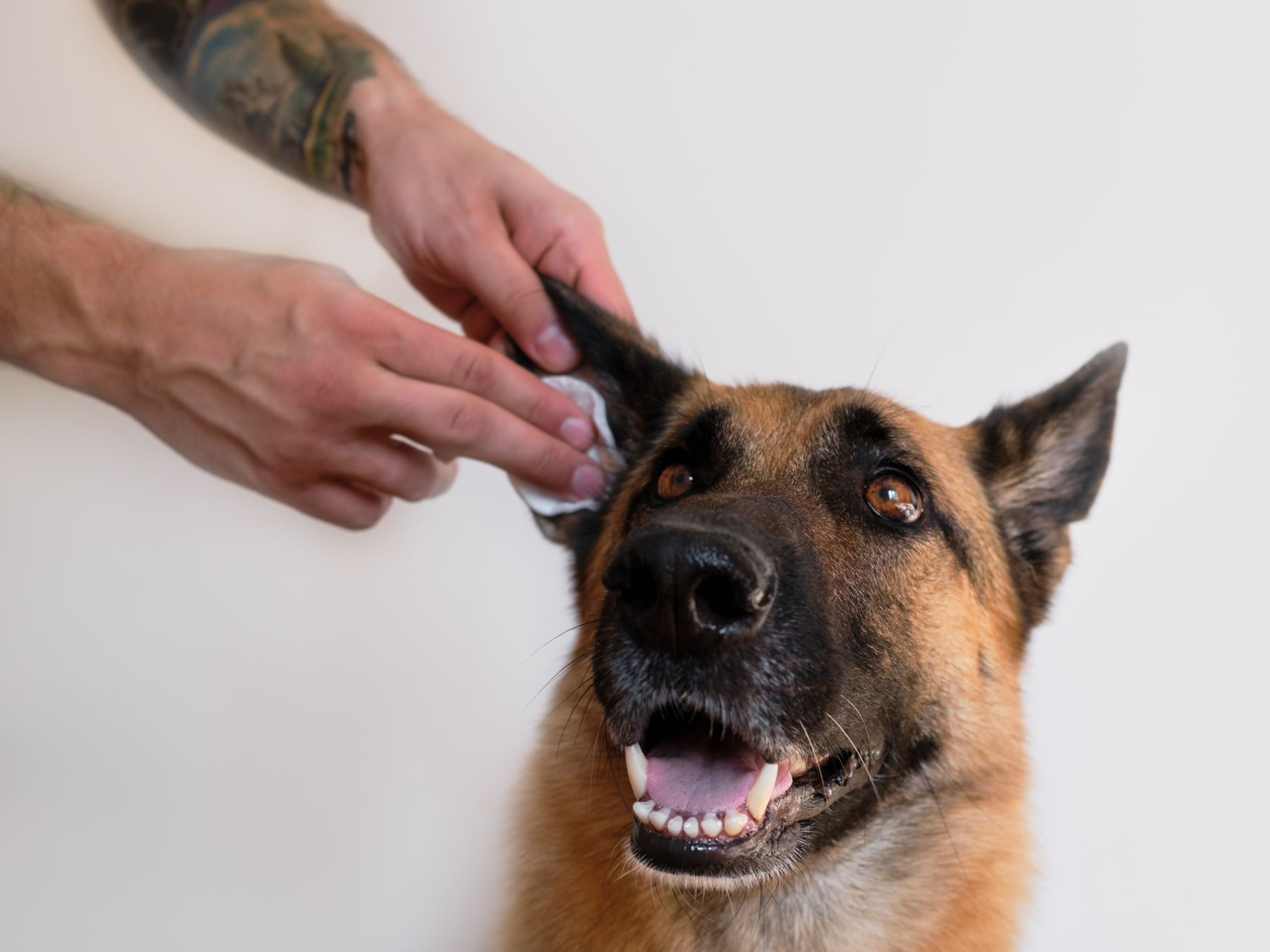
Tattoos used for identification combine letters and numbers permanently tattooed somewhere on your dog and require them to be under anesthesia, so most dogs are tattooed during their spay or neuter surgery.
Vets can access the identification number and contact information in a central database. This form of identification is less popular compared to the simplicity of microchips.
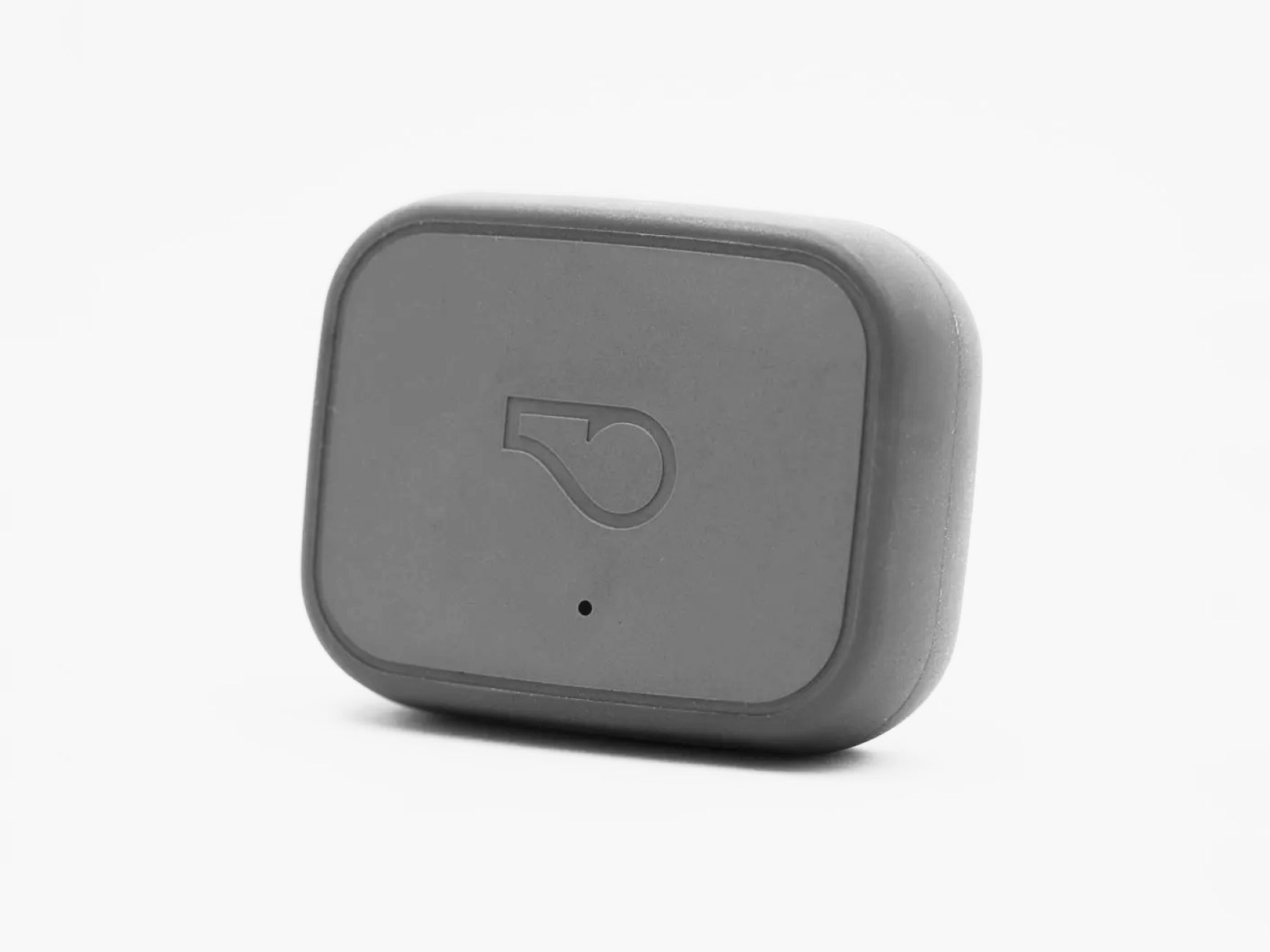
Smart dog collars are GPS-linked to an app on your phone. You’re able to track your dog almost exactly, and identify their location. This GPS service has a nominal subscription fee, and you must have cell service for it to work.
Are Dog ID Tags Legally Required Where You Live?
Some countries legally require that all dogs in public areas have some form of identification. Non-compliance could result in receiving a fine or penalty.
For example, in the UK, the Control of Dogs Act–1992, states that if a dog is in public, an ID with the owner's name and address is mandatory whether or not the dog is on a leash. Service dogs and police dogs are exempt from this law. The law doesn’t require a phone number, but it’s highly recommended as a quicker way to contact you. Germany’s law requires your phone number.
Other countries like the United States do not require ID for pets, but pet safety organizations encourage all pets to be microchipped or to wear a dog collar with a name tag.
It’s good to remember that when seemingly stray dogs have visible collars, good samaritans are more likely to assume they are not a stray but part of a family. They are more likely to stop and help them. (An excellent reason to have your dog properly socialized as well.)
The most effective dog identification method is to have a microchip and a collar name tag with all your dog’s information. If the collar falls off or the tag gets lost, there is a backup with contact information. Update the microchip when you change phone numbers or addresses. It should always contain correct information.

How to Improve Your Dog's Chances of Returning Home Safely
You never anticipate your dog will get out of the yard accidentally or escape their leash to run after that squirrel. But if it happens, there are things you can do to improve their chances of returning to you quickly.
- County or city registration. As soon as you bring your puppy or new dog home, register them in your county or city. Some animal control authorities require a dog license for each dog. If lost, the authorities can help get your dog home safely.
- Get multiple tags. Have multiple tags made. Having a backup means no lag time for a replacement if your dog’s tag breaks off of their collar or gets misplaced.
- Keep contact information current. Microchip your dog and keep the information current in the database. Talk to your vet about it.
- Get the word out quickly. If your dog escapes from their leash or the yard, get the word out quickly. Social media neighborhood pages are a great way to find your dog quickly as are good, old-fashioned “Missing” signs printed out and put up in your neighborhood. Include a photo.
- Search locally. Search your neighborhood, calling your dog by name and saying their favorite expressions like “treat” or “go for a ride”.
- Include your second dog. If you have a second dog, take them along to search. They can track the scent of their canine sibling and possibly find your dog faster than you can alone.
- Make your search clear. If you’re driving in the area looking for your dog, turn on your emergency flashers and have a sign in the window saying “Lost dog” to notify people you are looking for a missing dog.
- Use multiple forms of contact. Put up signs and record a voicemail asking for contact information or the location of a sighting. Rewards can also be an incentive for others to look for your dog.
Dog identification aims to get your dog home quickly in the event they go missing. Even well-trained dogs can find themselves slipping out of a collar or leash and running after something interesting in the park. The quickest way to help get your dog back home is to ensure they have a dog collar name tag, microchip, or better yet, both!
Related Articles


Like & share this page