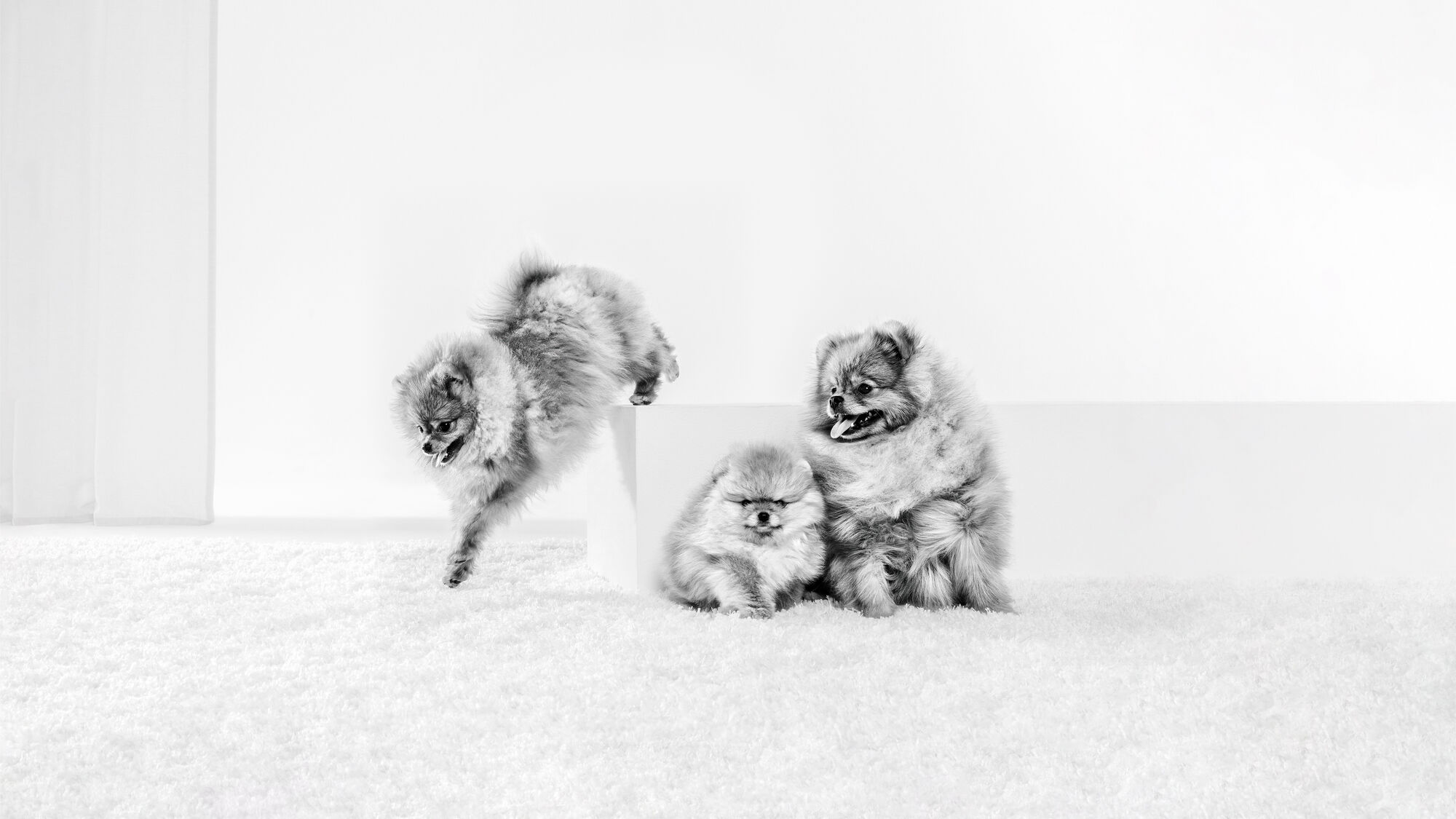
Puppy training and play
Why should you train your puppy?
A well-mannered dog doesn't just happen by accident; it requires consistent and creative teaching. Puppies' brains are receptive to learning manners, house training, and safety skills. Therefore, incorporating consistent play and training methods will help.
Puppy training offers numerous benefits. For example:
- Physical activity- helps burn off their excess energy.
- Cognitive skills- play that involves reasoning enhances their problem-solving and memory skills.
Playtime also provides an opportunity to teach your puppy how to act and interact. Behaviors like biting, nipping, herding, and jumping can be dangerous around young children and adults. Puppies learn acceptable behavior through socialization and playtime. These sessions help set the tone for how you want them to behave as they get older.
Commands such as "sit," "lie down," and "wait" contribute to a friendly personality. Also, reliable recall skills to get your puppy’s attention can even save your puppy's life in the future.
Puppy training tips
When planning on training your puppy, it is important to give them your full attention, so they cooperate from a young age.
Starting them at a young age
Starting to train your puppy at around 3 to 14 weeks old is beneficial, as they are in a socialization window and will be more receptive to learning new skills. At this stage, focus on teaching the basics like ‘sit’ or coming to you when you call their name.
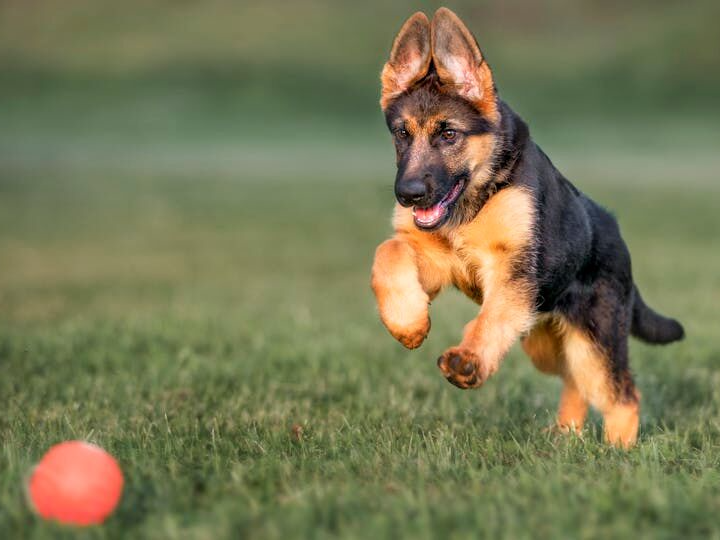
Frequency and repetition
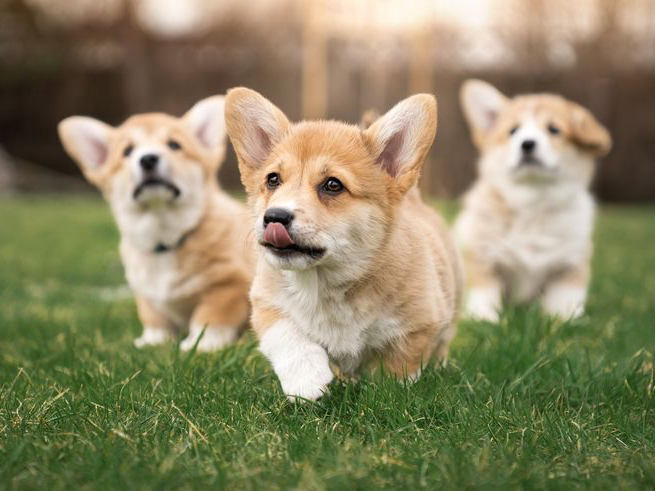
What makes a good training session
There are different ways to approach teaching your puppy to accommodate their needs while trying to get the best results possible:
- Reward good behavior — praise, affection, and treats
- Keep training sessions short and frequent. Puppies have short attention spans
- Be consistent and start early
If you're struggling with training your puppy then try training classes. Classes allow your puppy to socialize and learn new skills under the supervision and guidance of a professional.
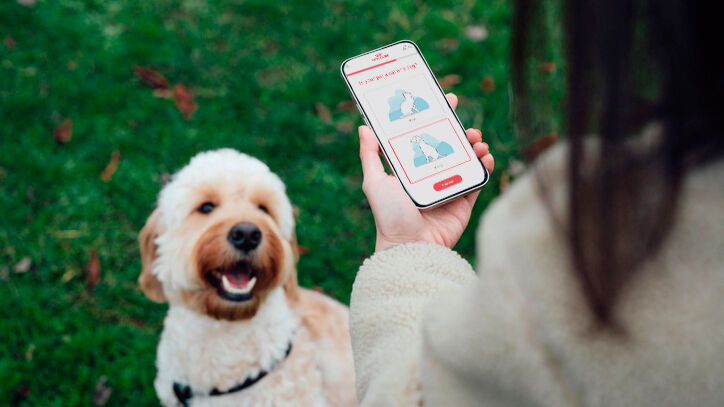
Discover the right food for your puppy
Answer our quick survey about your dog to discover a personalized food recommendation.
Teaching your puppy the basics
How you present them sets the tone for the session. For example, using a friendly voice tone will gain and encourage their attention.
You can start right away with this skill and practice it daily:
●Sit facing your puppy with a treat in hand
●Hold the treat in front of their nose, giving the puppy a good whiff
●Raise the treat over the puppy's head. Your puppy will sit naturally as it looks up at the treat.
●When your puppy sits, give praise and a reward
●Repeat several times a day.
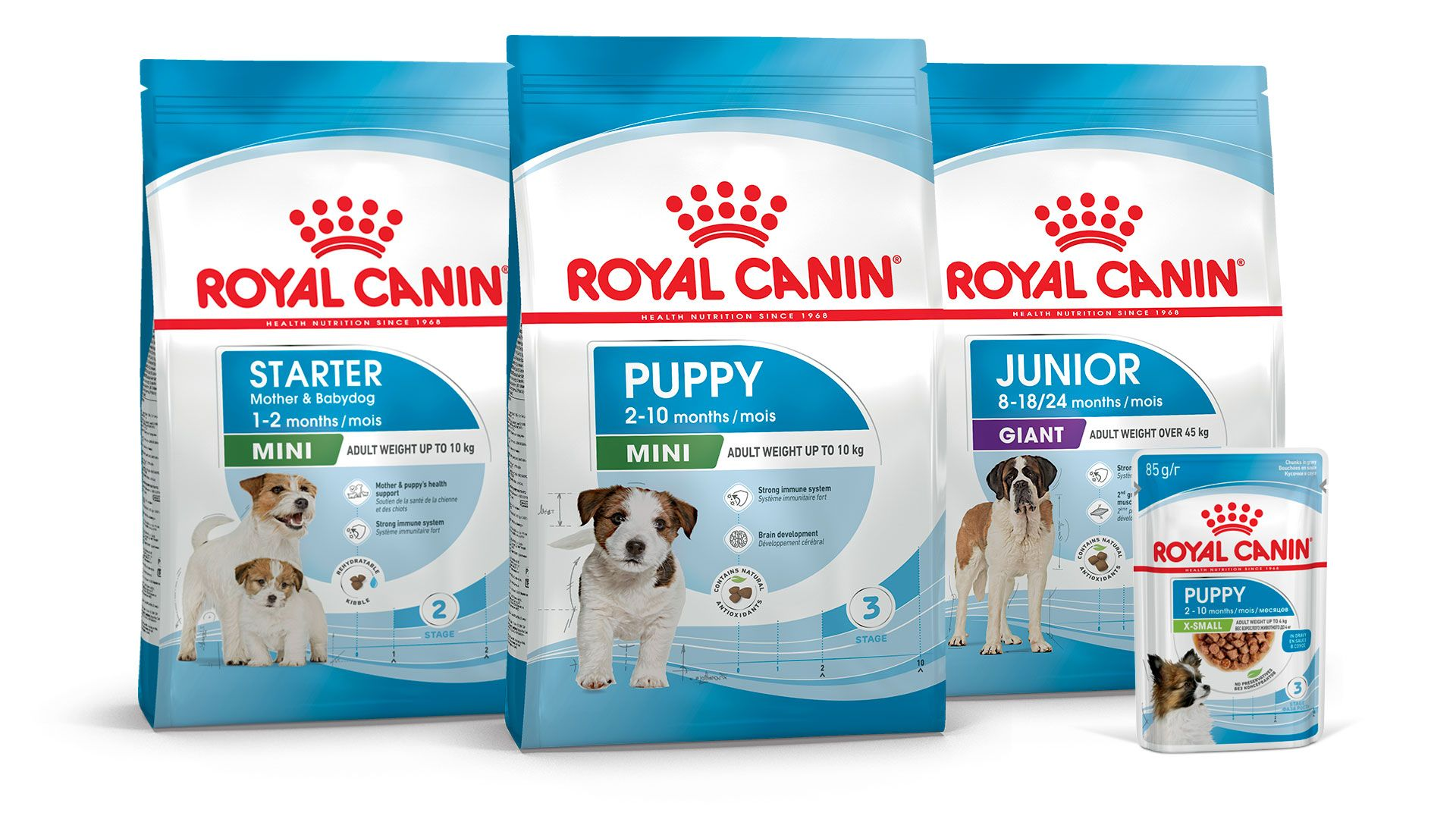
Nutritional recommendations from our Puppy Growth Program
Our products are designed to accompany your puppy’s growth, helping to provide meaningful benefits thanks to specifically chosen nutrients for each stage.
Tips when playing with your puppy
Playtime is an opportunity for your puppy to learn new skills and commands. Puppies need regular daily play sessions. Combining playing with training can help maximize their learning.
Toys can encourage curiosity, movement, new textures, and potentially taste. When purchasing toys, make sure that the size is appropriate for your dog so that you can avoid any choking hazards. Good toys for puppy play sessions are:
Rubber toys or chews
Interactive treat dispensing toys
Puzzle feeders
Ropes and stuffed animals
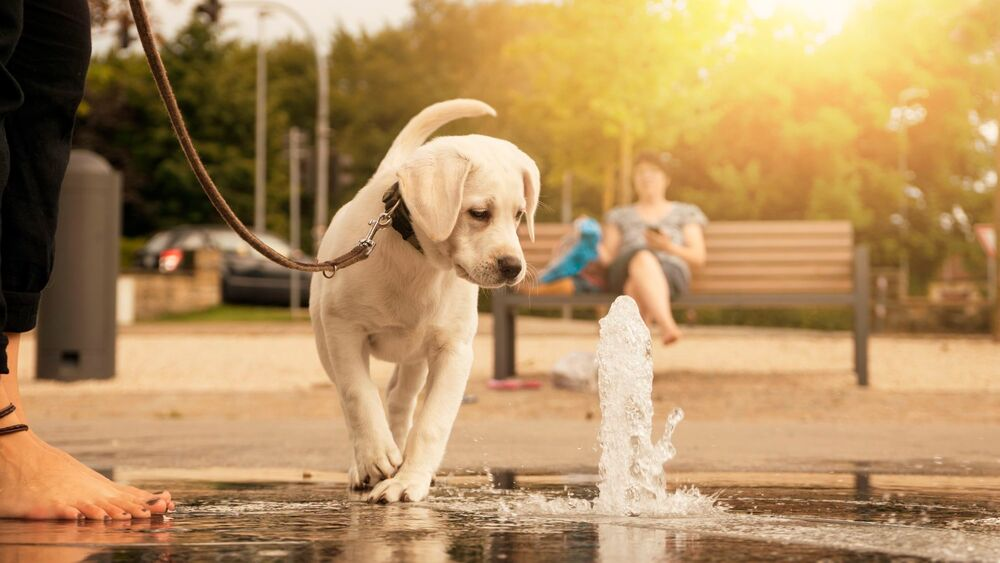
Games that teach your puppy skills
Puppies have short attention spans therefore it is important to play games with them regularly so you can keep them occupied and happy. Here are a few popular games you can teach them.
Play Hide and Seek
- Tell your puppy to sit and wait
- Let your puppy watch you hide the treats or toys
- Return to your puppy and let them start looking via the 'find it’ command
- Reward and praise them when the treats have been found
- Hide the treats in harder locations once they get good at the game
The cup game
- Put a treat under a cup on a flat surface
- Let your pup sniff it out
- Praise success
- To increase difficulty, add a few more cups and move them around to see if they can find the right one
Tug of war
The common misunderstanding with tug of war is that people think it teaches aggression when it actually teaches your dog self-control as well as the 'drop it' command.
- Hold one end and let your dog pull the other end
- Don't let your puppy get too excited where they end up nipping you. If this happens stop until they calm down, then restart.
- Repeat and praise them when they succeed
Games that encourage independent play
Not all games need to involve you. Sometimes, allowing your puppy to play independently can be beneficial, as they will learn to keep themselves occupied while alone at home. When your puppy plays independently all they will need is the likes of treat-dispenser toys and puzzle toys. However, it is important to remember to keep your puppy's toys appropriate to the size of the breed.
Related articles
Puppy house-training
How to crate train your puppy
Sources
- https://betc.box.com/s/i45d1kabpbigz0ip8cth9jkmxj9mfjhp
- https://betc.box.com/s/2zo7qsm6peirv3wb9kom9r0b4i63hvw3
- https://www.royalcanin.com/us/dogs/puppy/how-to-train-your-puppy
- https://www.royalcanin.com/uk/dogs/puppy/puppy-training-and-play