Understanding your puppy’s behavior
You are an important social partner to your puppy, and whether they're trying to catch your attention or not, it's important you're able to understand their behavior, how they express themselves, and the meaning behind their actions.
Your puppy's body language
Your puppy can't communicate through speech, so look at their body language and try to recognize how you can meet their needs.
Relaxed
Alert
Playful
Fearful
Defensive aggression
Offensive aggression
Encouraging good behavior
What behaviors do you want to encourage?
It’s important to reinforce good behavior from the day you bring your puppy home. There are certain actions which you will want to encourage more than others, such as being friendly toward strangers and not chewing furniture when left home alone.
How to enforce good behavior?
Once you’ve brought your puppy home, it’s up to you to enforce positive behavior and deter unwanted actions, such as scratching or biting. Positive reinforcement is a useful method when training your puppy to follow house rules. You can reward their good behavior and ignore what you don’t want them to repeat.
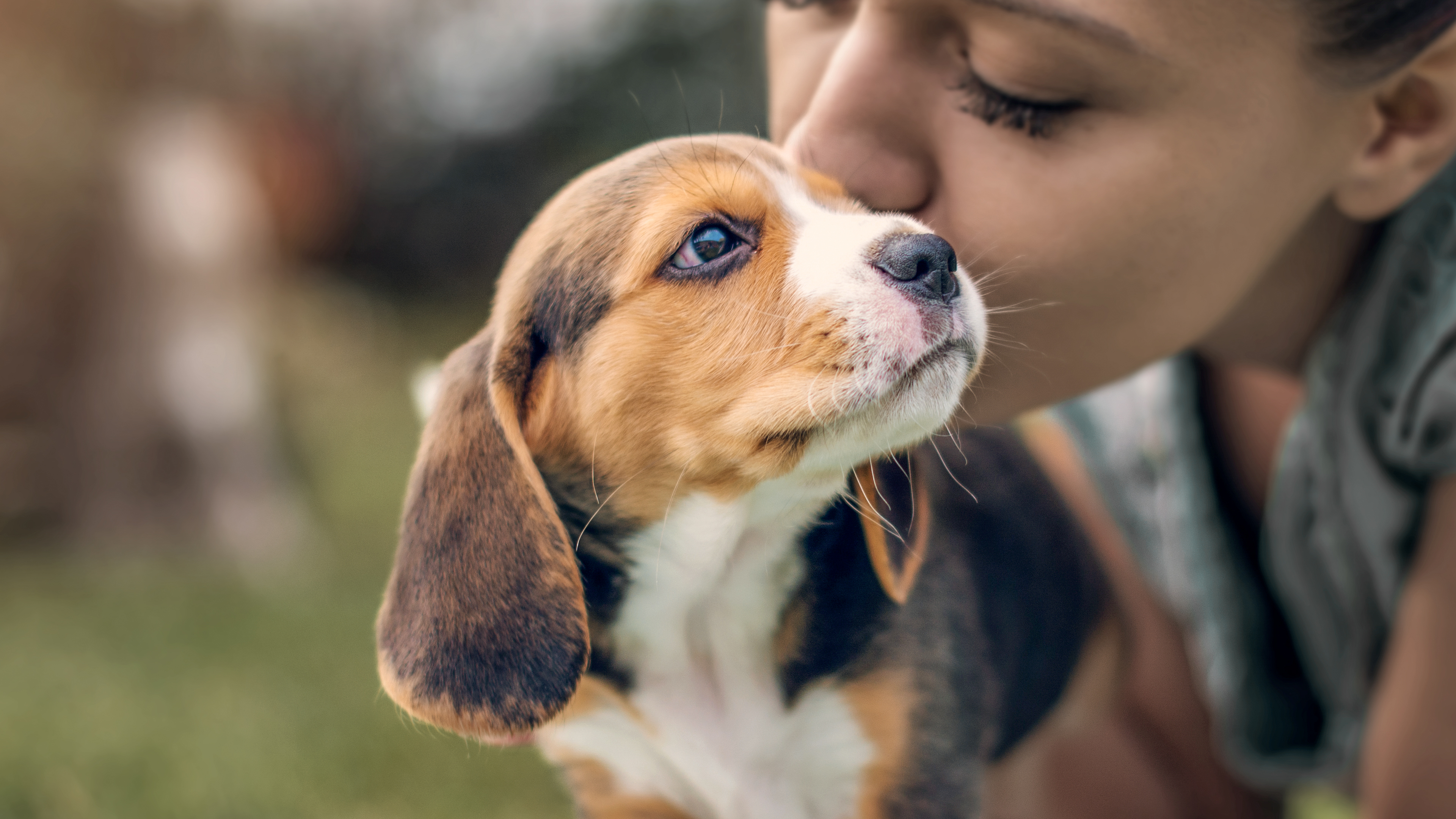
Rewarding behavior
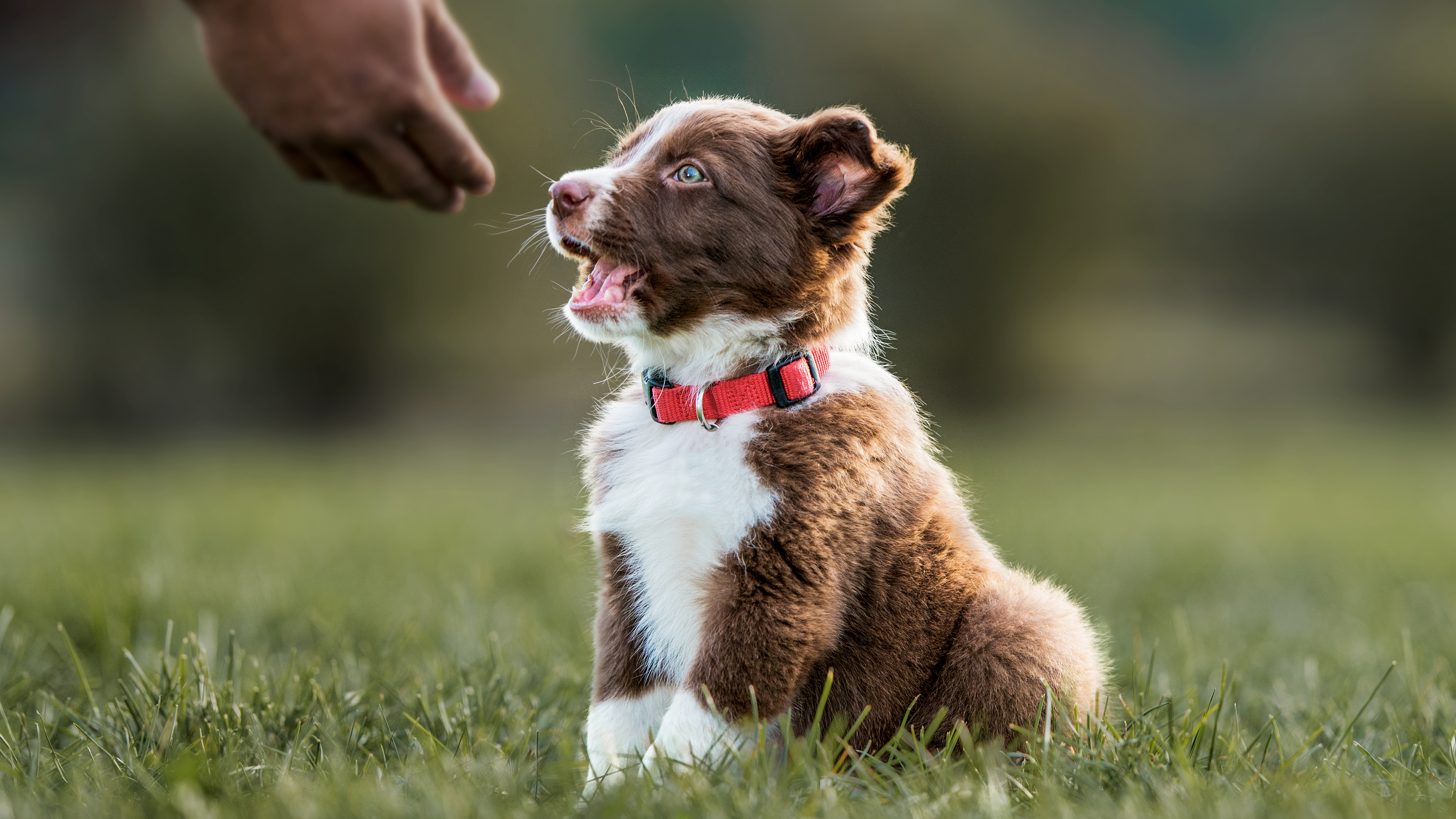
If you reward your puppy with treats for good behavior, they are more likely to replicate them as there is an association with a positive result. When your puppy is misbehaving, try not to give the action too much attention and always avoid punishing or scolding them, as this may lead to fear and encourage such behavior. Instead, teach your puppy alternative behaviors.
The evolution of a dog's behavior
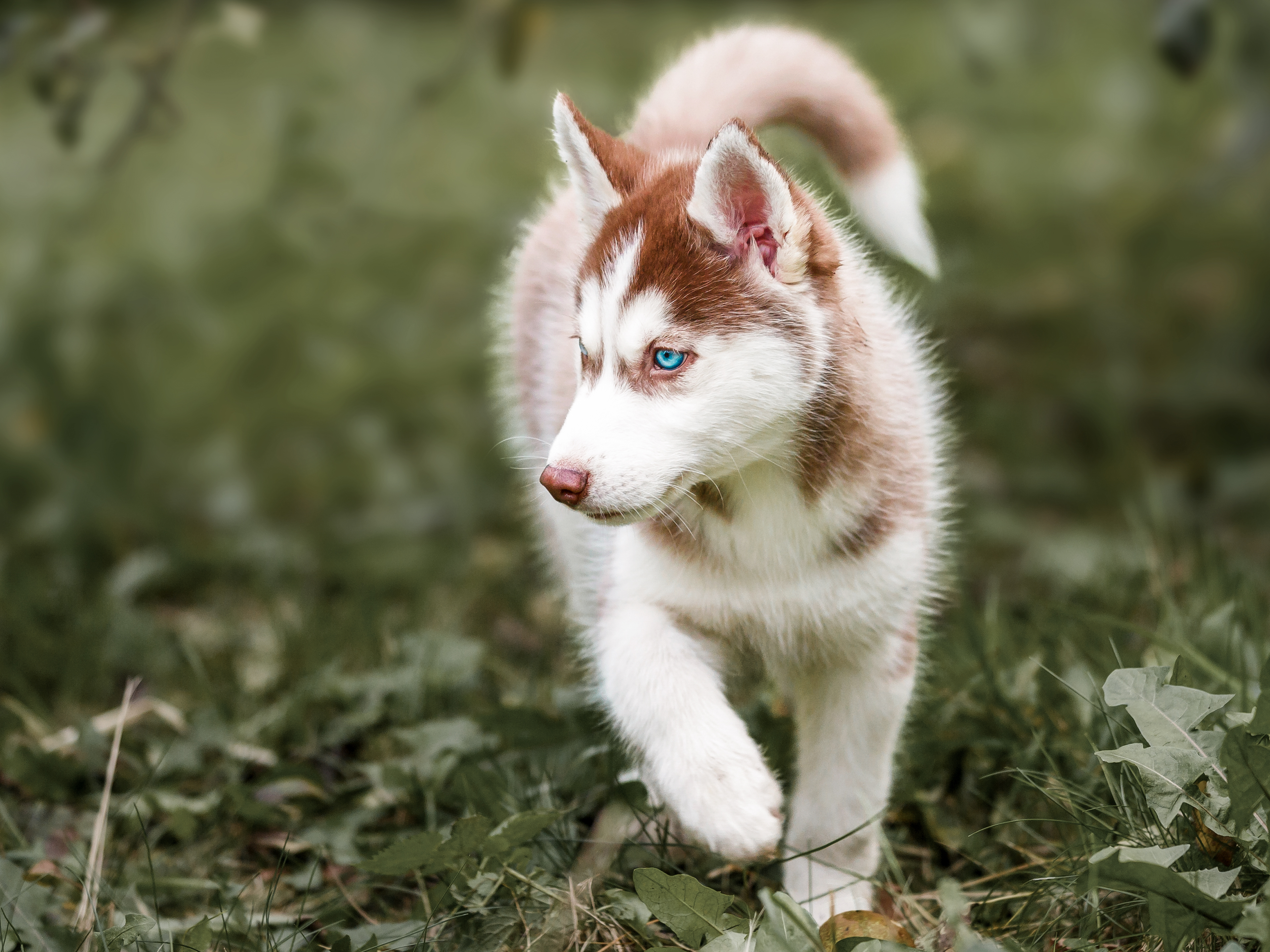
Domestication has seen dogs change from wild animals to household pets, which has resulted in drastic behavioral changes. As dogs no longer need to source food or seek shelter, they need to be able to communicate their needs to their owners, which they learn to do from an early age.
Puppy behavior explained
Why does my puppy bark when left home alone?
Your puppy may be experiencing separation anxiety. To prevent this, introduce your dog to the idea of being alone. If your dog can stay home alone for at least 30 minutes, it’s usually easier for them to be left for longer periods.
Why does my puppy cry?
Your puppy could be upset for a number of reasons, including hunger, loneliness, injury, boredom, or because they need to relieve themselves. Reading the context and their body language using our tips above could give you an insight into what they want.
Why is my puppy eating grass?
It was previously thought dog’s eat grass to induce vomiting; however, a more likely explanation is that they simply like to eat it.
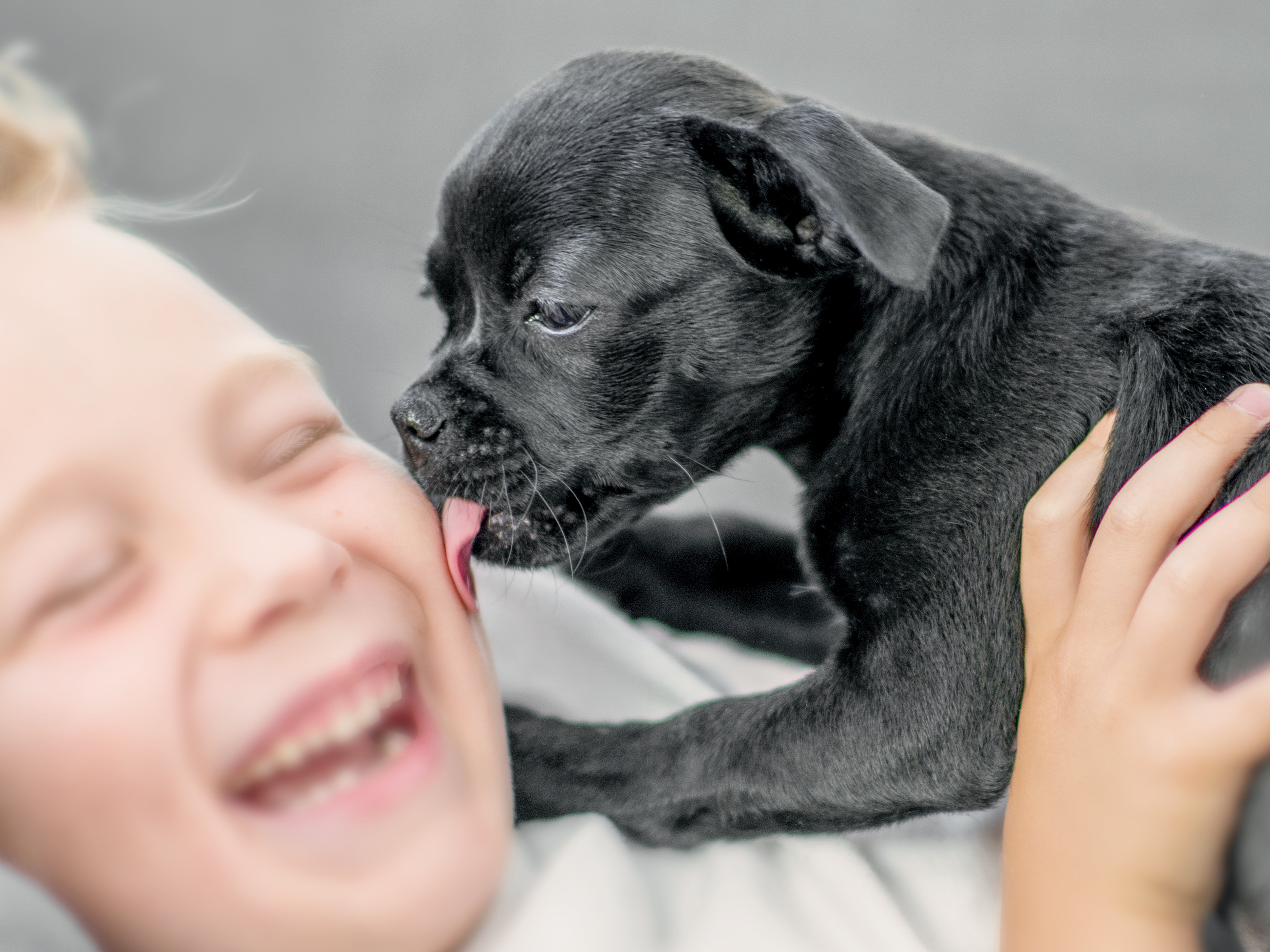
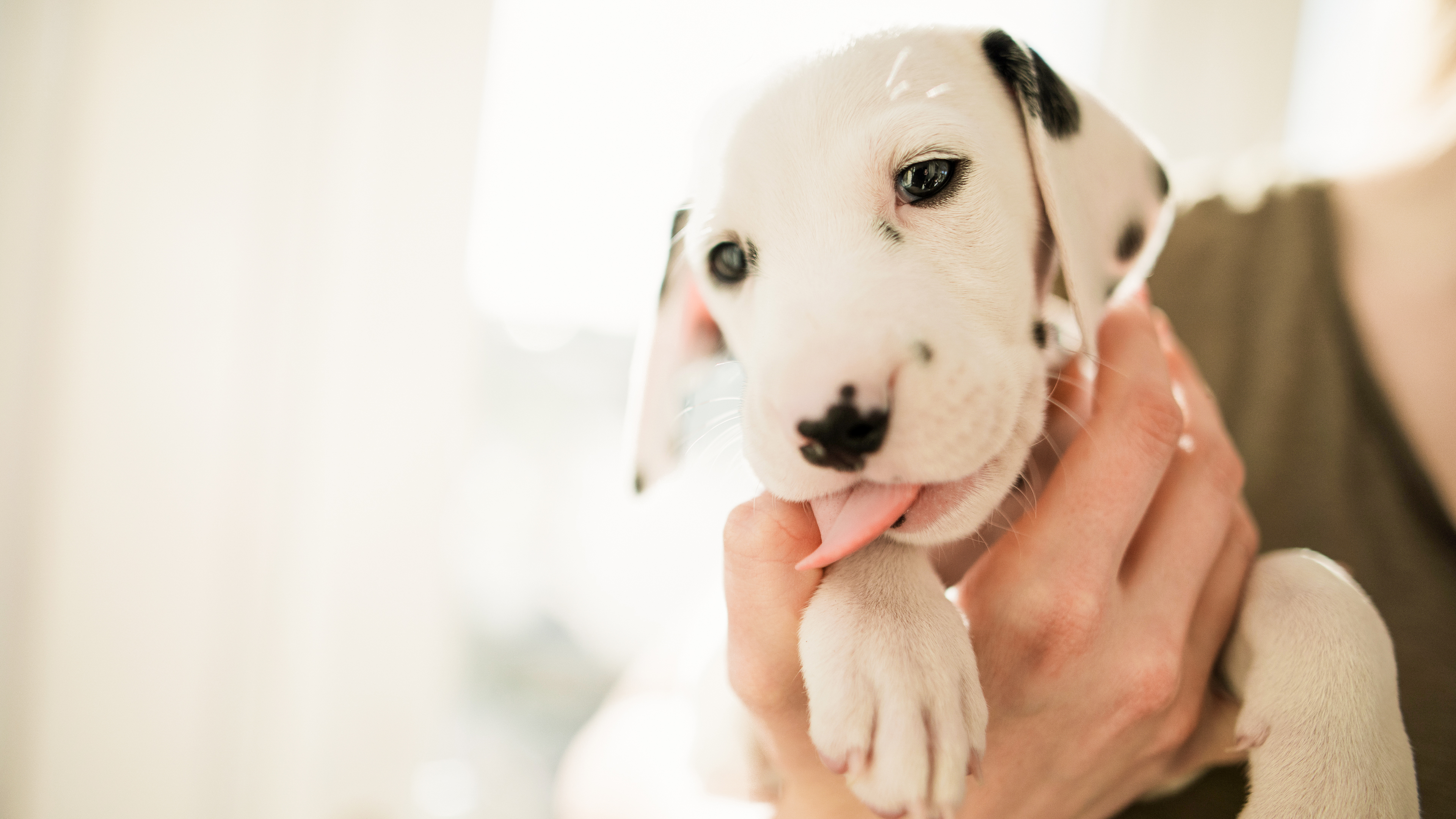
Why does my puppy lick me?
This could be a sign your puppy is trying to communicate something, such as affection. In new situations, they might lick the face of a stranger to try and figure out their intentions.
Why is my puppy shaking?
First, it's important to rule out medical issues, so contact your veterinarian if you’re concerned. Other reasons for shaking can include stress, fear, excitement, and cold temperatures. Try to remember what was happening before your puppy started shaking to figure out the cause.
Why does my puppy eat dirt?
This can be due to boredom or curiosity; however, it can sometimes be associated with specific diseases, and if you are concerned about your puppy’s behavior you should consult your veterinarian.
Why does my puppy chew furniture?
Boredom is one reason, so it’s essential to provide chew toys and plenty of exercise. Prevent chewing behavior by redirecting their attention to a toy, and never punish your puppy as this can sometimes increase the bad behavior.
Why does my puppy dig up the yard?
If your puppy hasn’t had enough exercise, they could be trying to burn off excess energy through digging. Your puppy may also be inclined to bury their toys or chews, so keep an eye if they're taking these outside with them. They might also be trying to cool off by lying in freshly dug soil if they are too hot.
Why does my puppy keep panting?
Excessive panting is possibly a sign they are too hot; however, it can also indicate stress if they are in an uncomfortable situation. Excessive panting can be a sign of disease, so always consult with a veterinarian if you are unsure.
Why does my puppy roll in poo?
Some suggest puppies roll in poo because it helps to disguise their scent, and this spans back to a time when dogs were not domesticated. Others say dogs do this simply because they like the smell!
Why doesn't my puppy have a cold or wet nose?
Dog’s noses are cold because of the moisture which evaporates off it, so if there is no evaporation their nose will feel warm. Your puppy’s nose should never be dry or chapped though, and you should consult a veterinarian if you are concerned.
Why doesn't my puppy pay attention during training?
Puppies only have a short attention span when learning new skills, so it’s possible your current training sessions are too long if there is too much distraction. Try and keep sessions to a maximum of five minutes, choose a quiet and familiar training location, and make sure your puppy is not distracted.
Why does my puppy eat poo?
This is more likely to be a more common problem for puppies under six months of age. Some people suggest they do this if they have a vitamin deficiency, internal parasites, or simply when they’re bored.
If you are concerned your puppy’s behavior is not normal, it is always advisable to speak to your veterinarian.
Find a veterinarian