Health Care Guide for Puppy & Kitten
Maternal antibodies are passed on to puppies and kittens through colostrum. Nevertheless, these maternal antibodies have a limited duration, as it takes several weeks or even months for the immune systems of puppies and kittens to reach full maturity. As puppies and kittens mature, the immunity conferred by maternal antibodies gradually diminishes. At this stage, they are incapable of generating adequate antibodies independently to bridge this immunity gap.
Article

What is the "Immunity Gap"?
Between 4 and 12 weeks of age, puppies and kittens undergo the weaning process, leading to a gradual decline in the protective antibodies obtained from their mother's milk. Due to their immature and developing immune systems, they enter a vulnerable phase termed the "immunity gap," rendering them more susceptible to infections during this critical period.
How to Strengthen a Puppy’s or Kitten’s Immune System?
Environmental pathogens pose significant health risks, necessitating extra care when tending to puppies and kittens. Nutrition plays a vital role during this phase! Opt for dry or wet food enriched with immune-boosting nutrients. For instance, nutrient complexes containing vitamin C and vitamin E can promote immune system development and provide defense against viral infections.
Furthermore, adequate sleep is pivotal in fortifying immunity. Ensure to furnish a warm, cozy, and tranquil resting space for your puppy or kitten, allowing them to rest sufficiently for optimal health.

Preventive Health Care for Puppies & Kittens: Key Checkpoints
Weight Monitoring
Utilize a baby scale or kitchen scale to weigh your puppy or kitten consistently at the same time each day. Maintaining a record of their weight enables you to track their growth and progress.
Microchipping (Permanent Identification)
Proper identification is crucial. In cases where a pet goes missing or is stolen, a microchip stands as the sole reliable method to recover the owner's contact details. In Hong Kong, microchipping for puppies is legally mandated by five months of age. Although not yet compulsory for cats, most veterinarians recommend microchipping for felines as well. Presently, numerous veterinary clinics in Hong Kong provide this service.
Vaccinations
Puppies and kittens typically receive their initial vaccinations between 6 to 8 weeks of age, coinciding with the onset of the immunity gap. Prior to vaccination, a veterinarian will perform a comprehensive health assessment to ascertain the pet's suitability for immunization. Following the first dose, booster shots are administered every 2 to 4 weeks until the pet reaches 4 months of age, when their immune system becomes more robust. The specific type and frequency of vaccinations depend on the particular vaccine being administered.
- Rabies Vaccine – Typically administered once a year.
- Core Vaccines – Recommended annually to prevent common and serious infectious diseases.
- Non-Core Vaccines – Optional, depending on the pet’s lifestyle and environment.
Internal Parasite Control
Parasites like tapeworms, roundworms, hookworms, and protozoa can lead to bloating, digestive disturbances, and lackluster fur in pets. Certain internal parasites may even be transmissible to humans, especially children, presenting significant health hazards. Deworming usually commences between 2 and 8 weeks of age, is administered regularly until the pet reaches 8 months, and is subsequently upheld through annual treatments thereafter.
External Parasite Prevention
Fleas, ticks, and ear mites have the potential to induce skin irritation and severe infections in puppies and kittens. Given that these parasites can be inadvertently introduced into homes by humans, even indoor pets necessitate preventive measures. It is crucial for owners to understand that deworming products are categorized as medications; therefore, they should always procure them from a licensed veterinary clinic.
Growth Stages of Puppies & Kittens: Dietary Recommendations
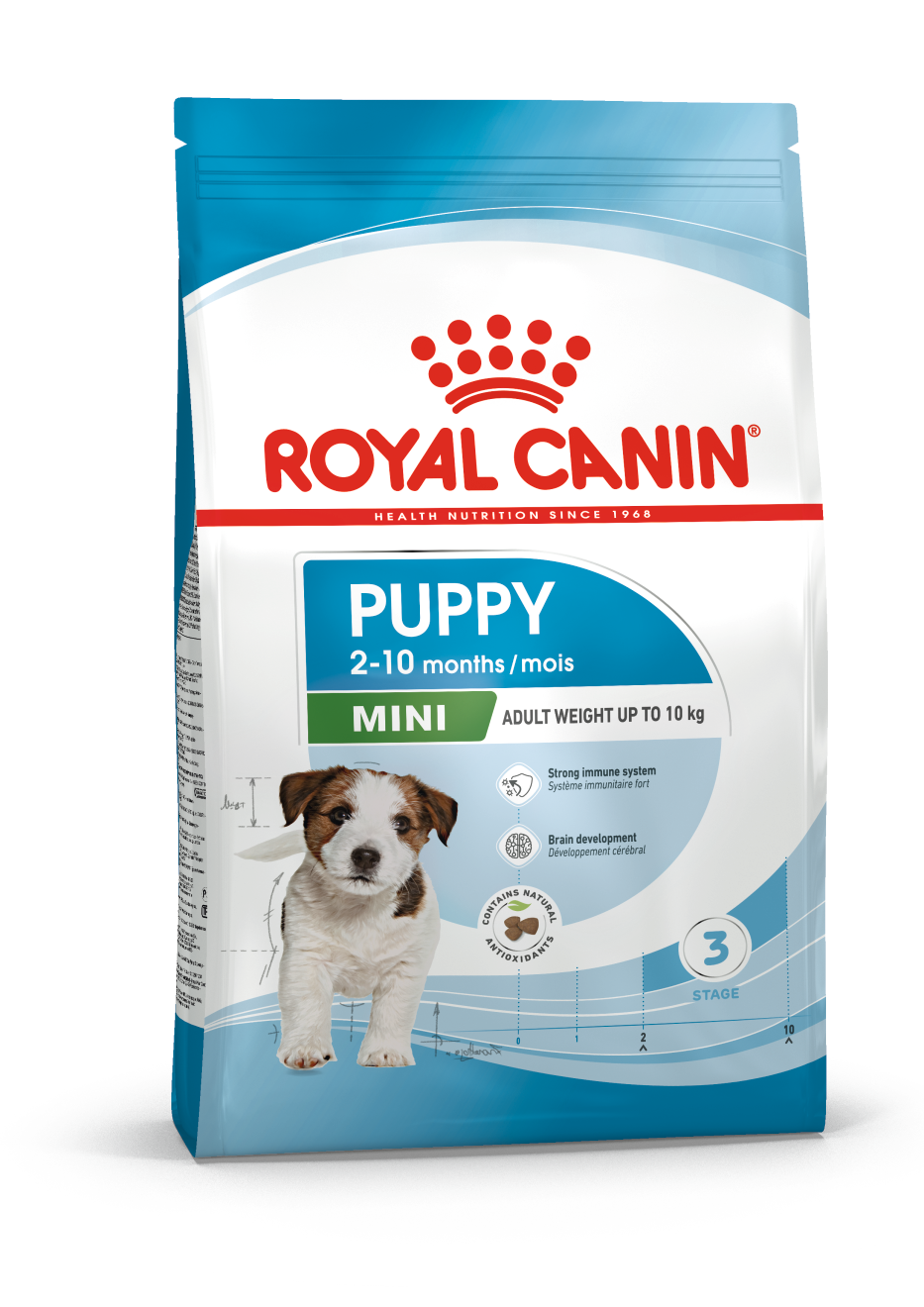
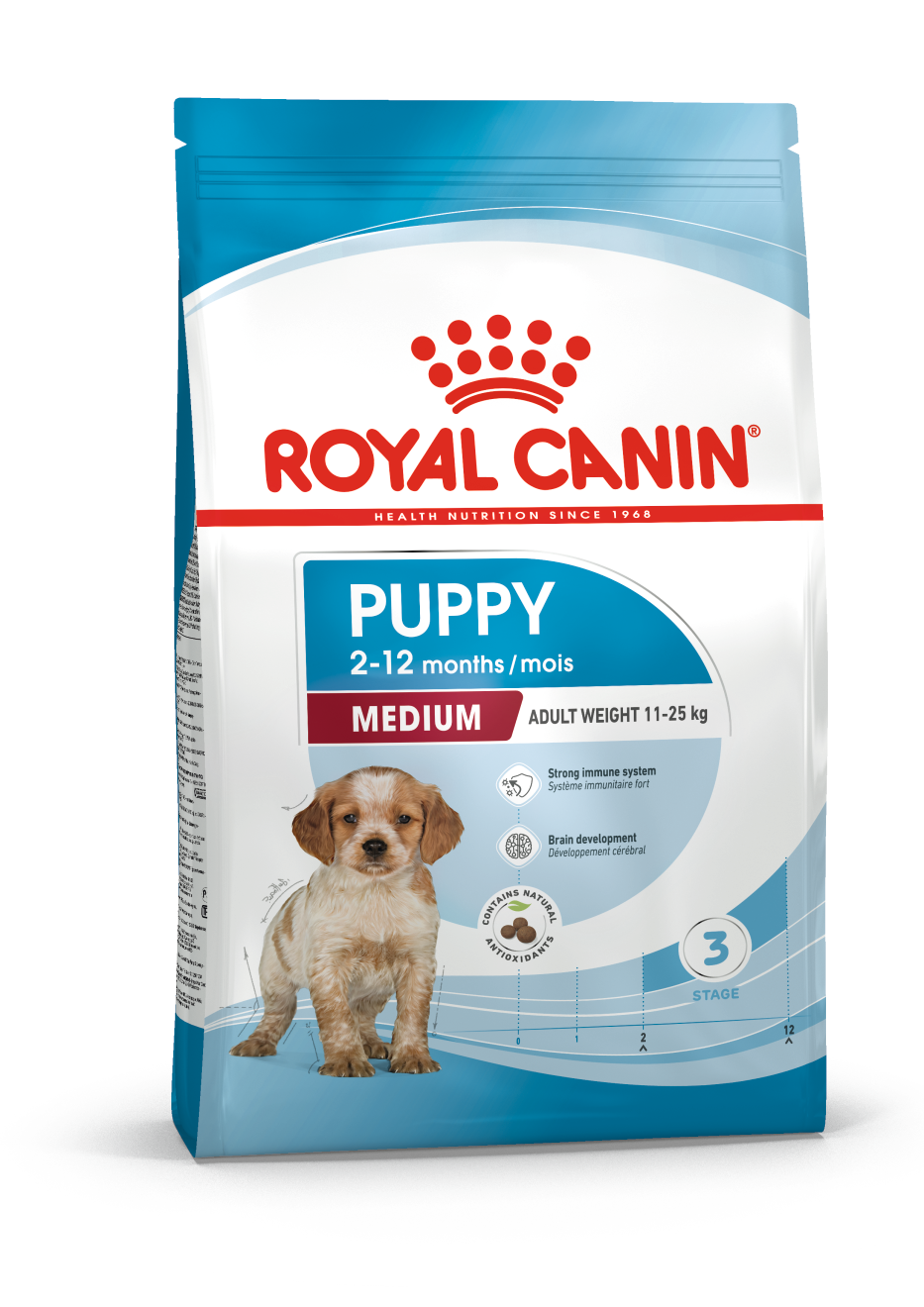
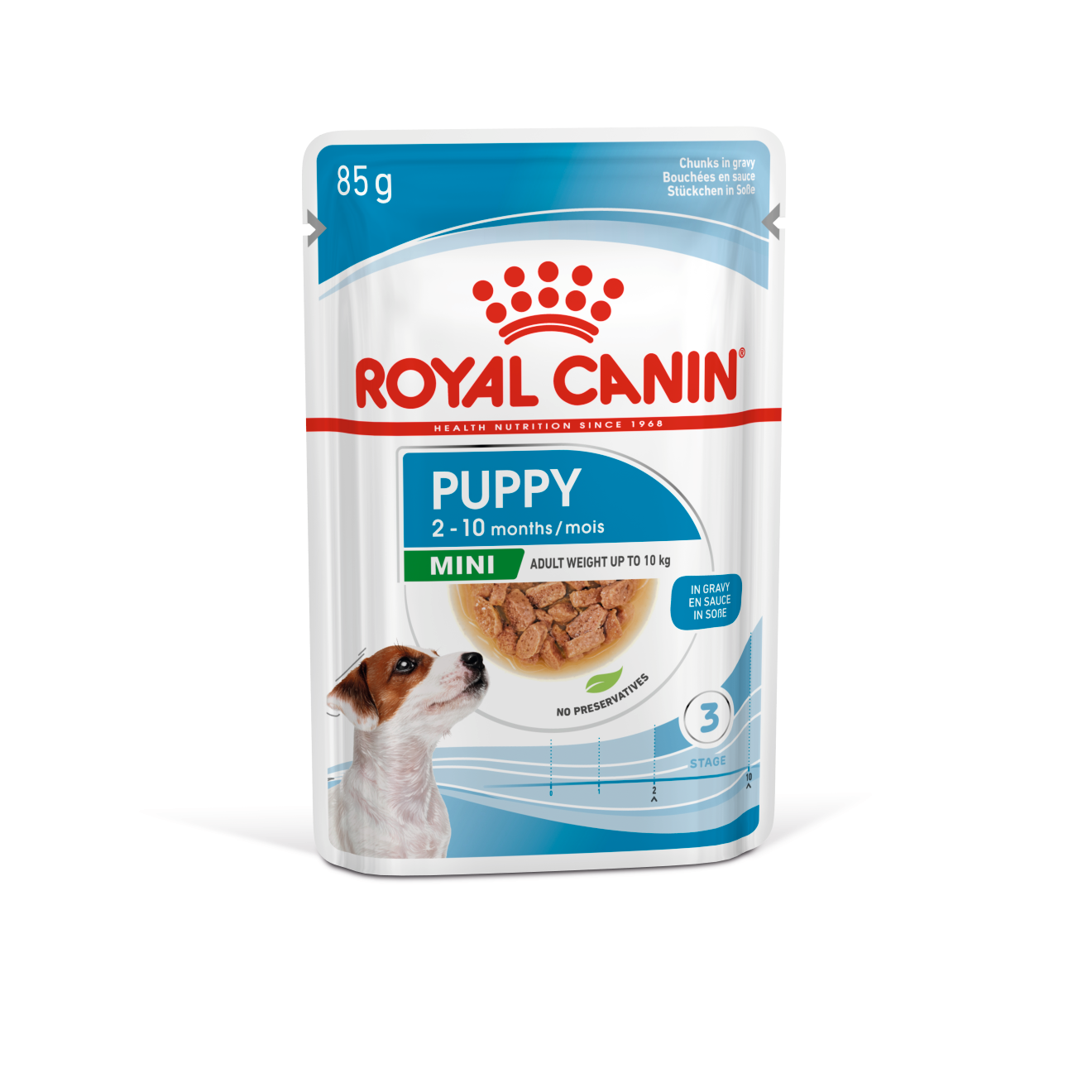
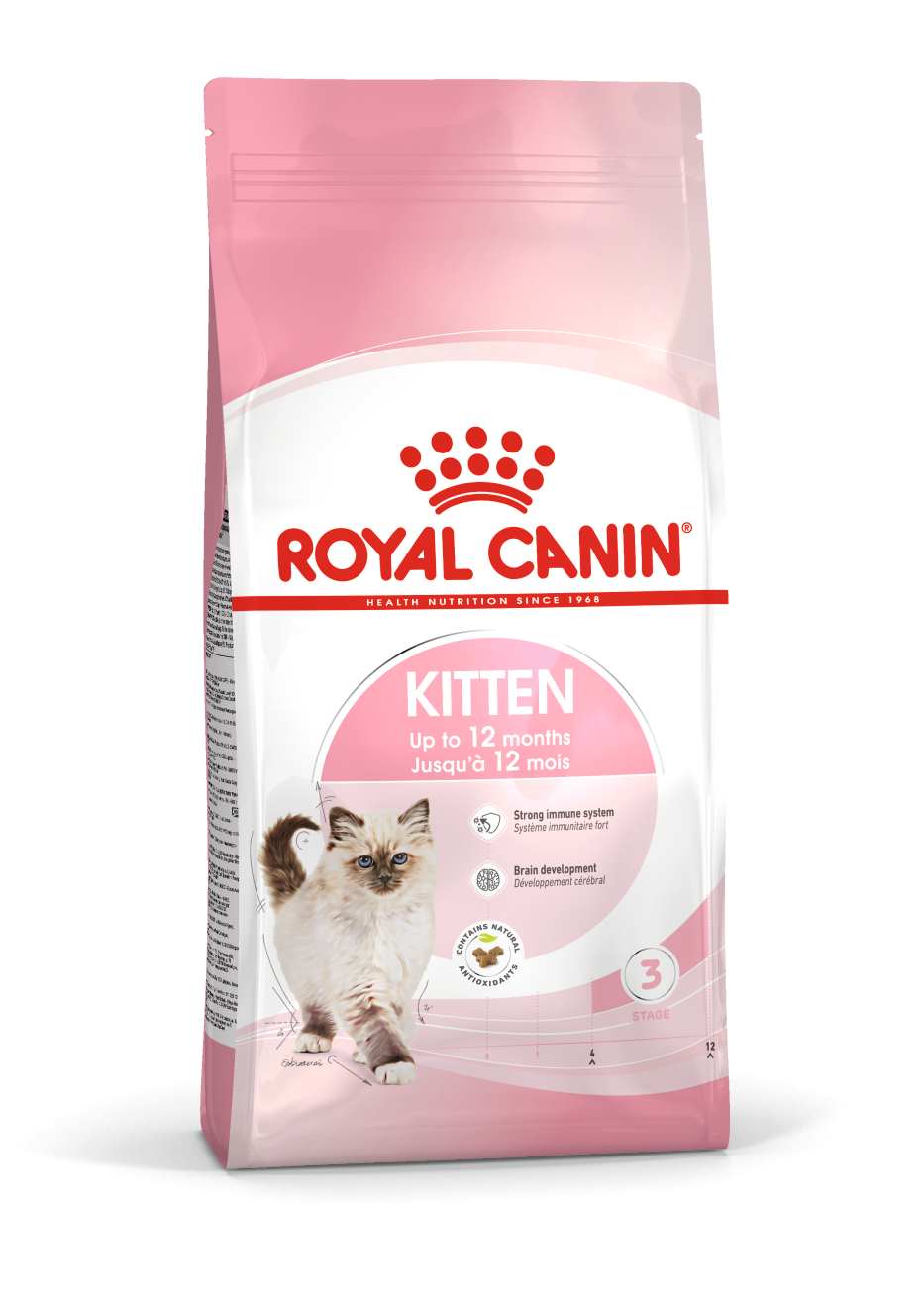
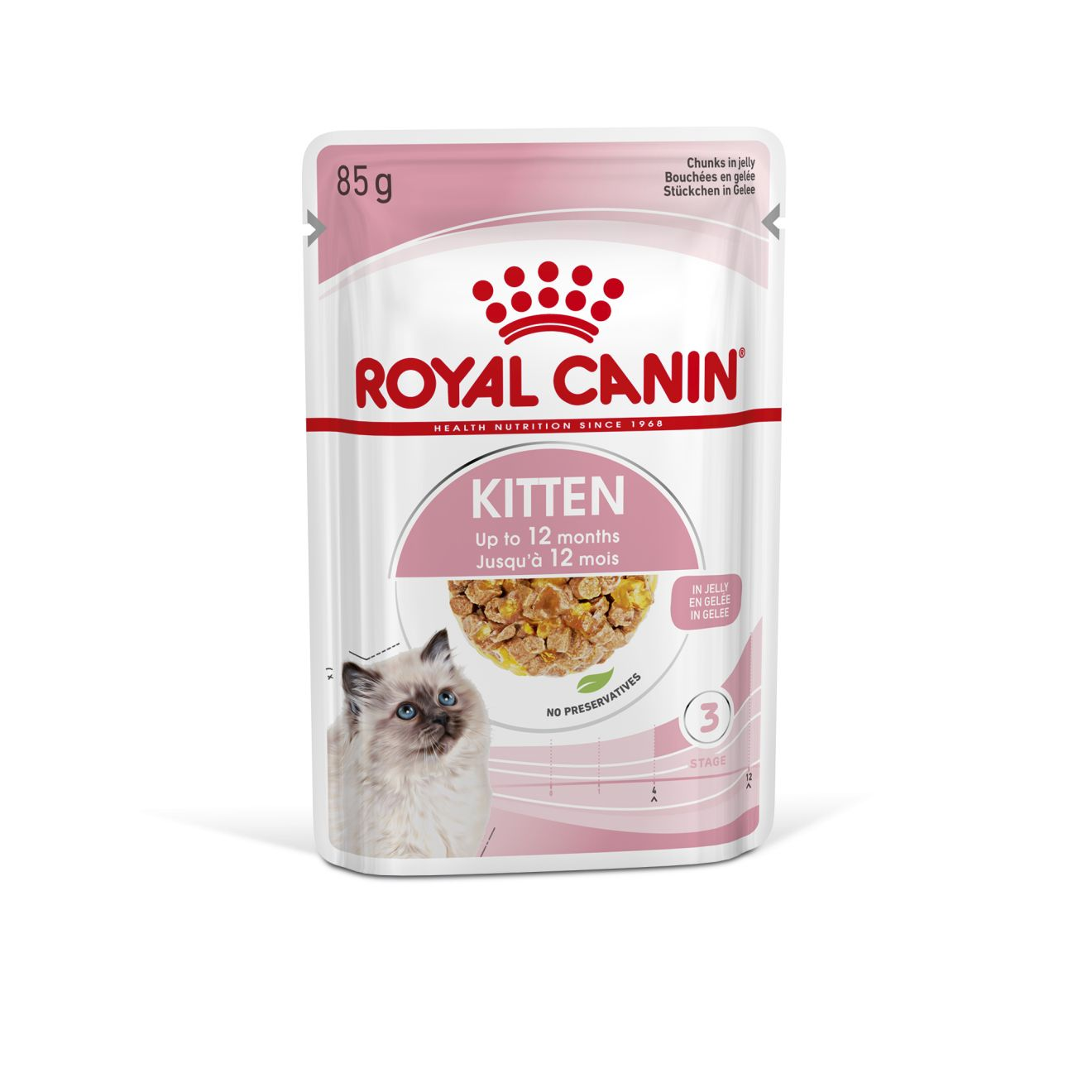
When cats exhibit inappropriate urination outside the litter box, pet owners frequently attribute this behavior to emotional reasons. However, apart from environmental factors and preferences, such behavior, like urinating in the bathtub, can signal underlying issues. Puppies and kittens at varying developmental stages have distinct dietary requirements, necessitating specific nutrients, appropriate calorie content, and balanced mineral levels to foster their growth and bone health. Opting for Royal Canin's puppy/kitten health nutrition products is advised, as they feature the antioxidant complex CELT, which aids in fortifying the immune system.

Weaning|4-8 weeks
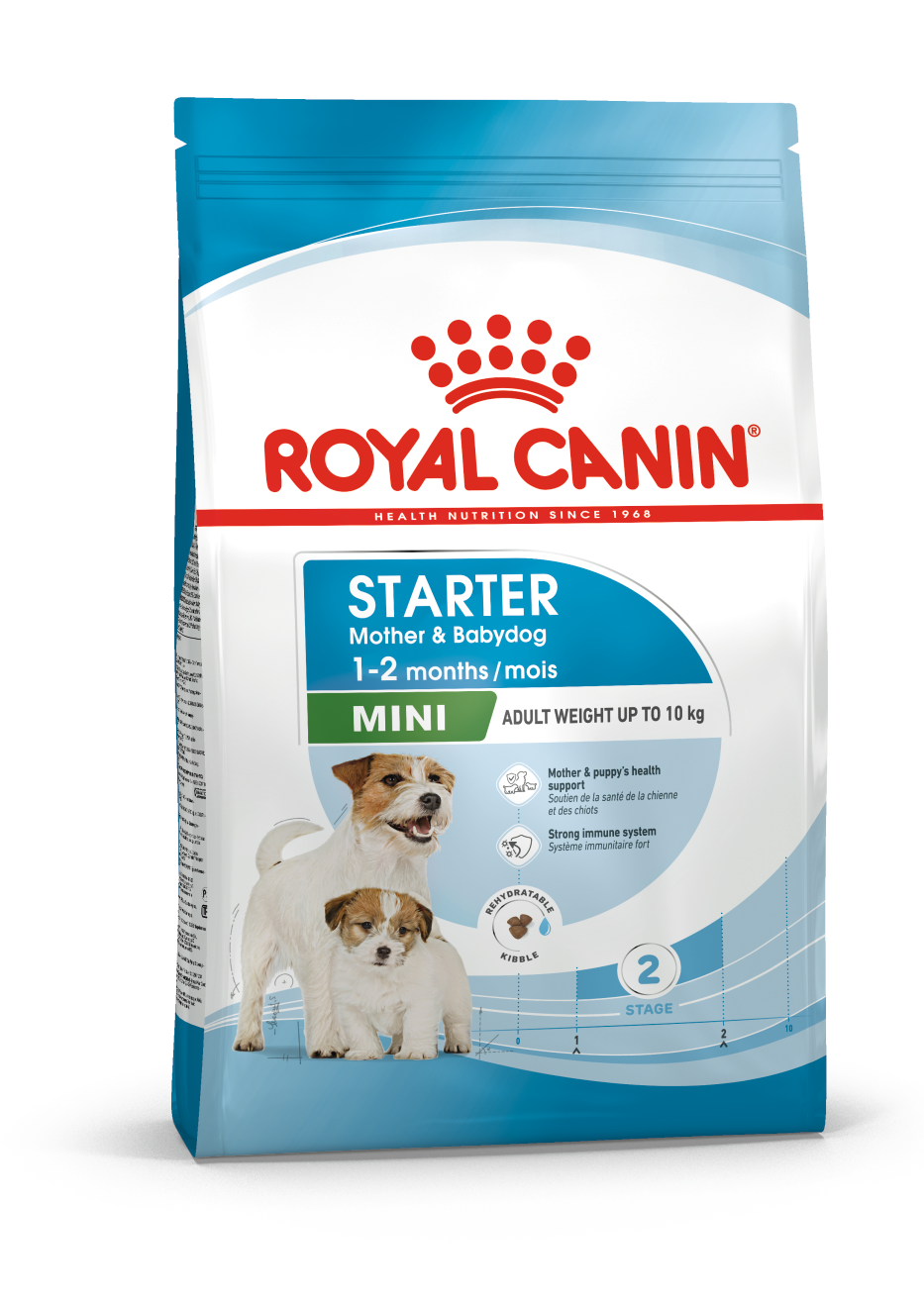
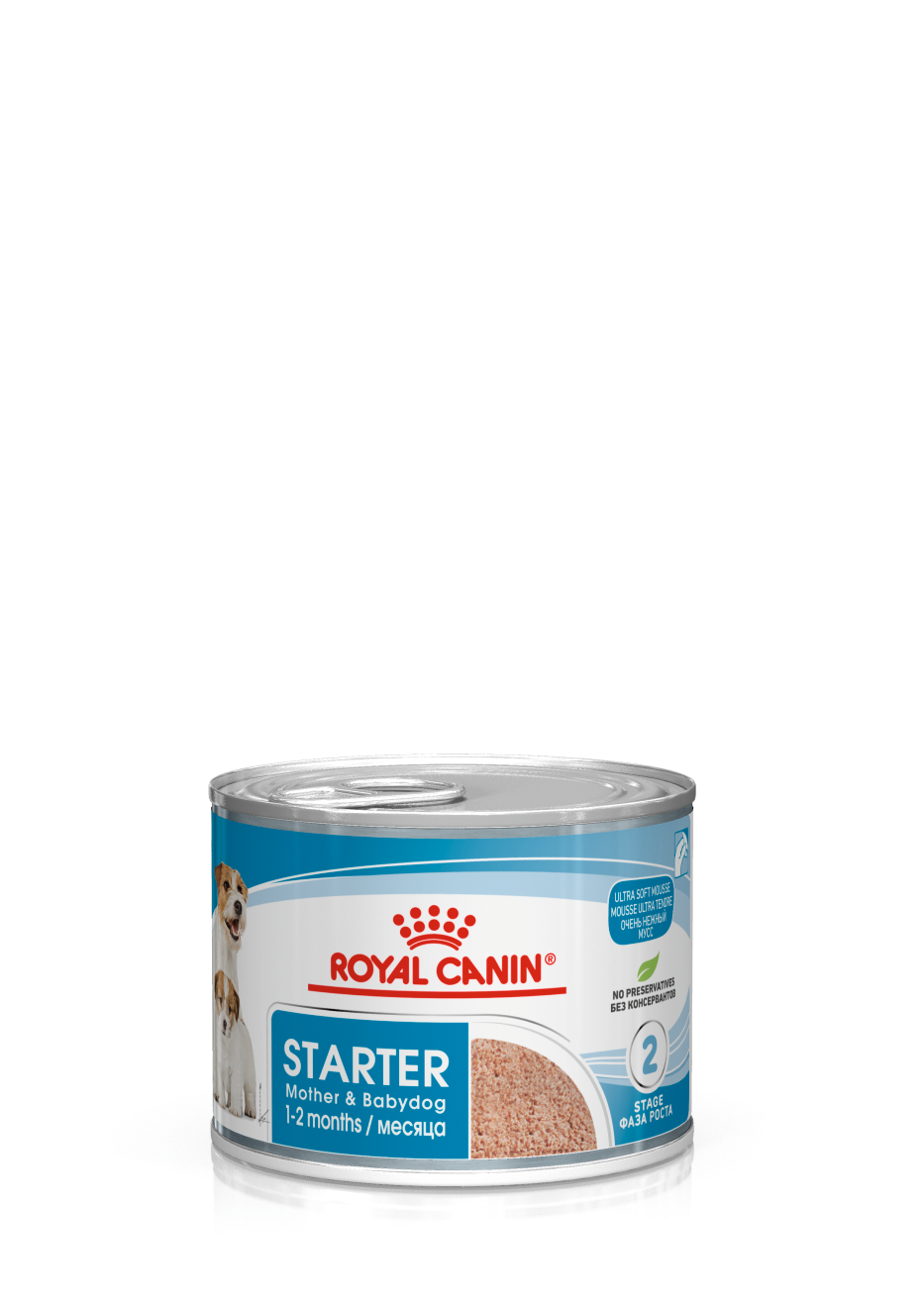
Puppy/ Kitten|8 weeks above
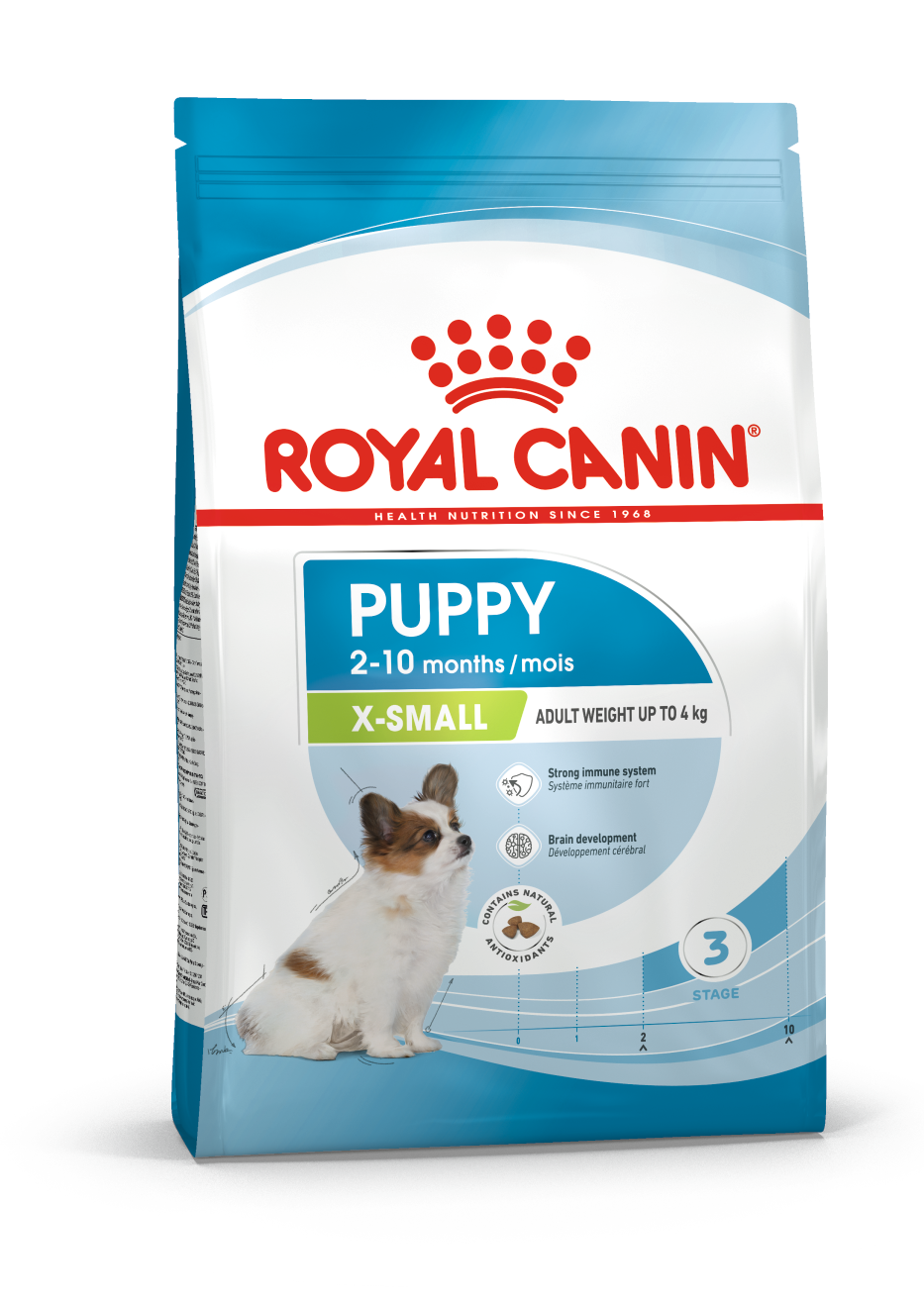
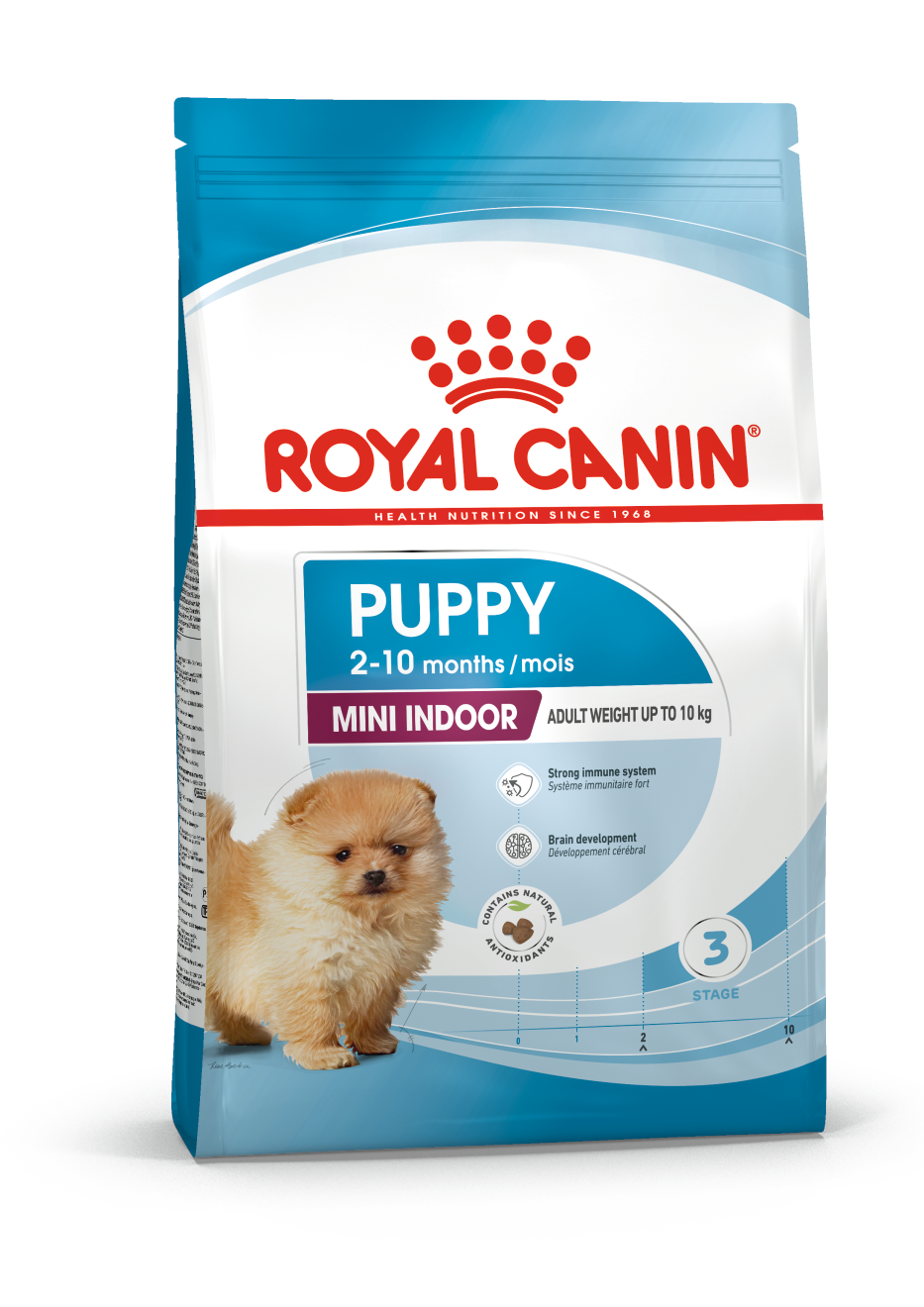

Newborn|Birth to 3 weeks

Weaning|Weaning

Puppy/ Kitten|16 weeks above
Like & share this page