Should you neuter your dog?
Castrating a male dog or spaying a female—to prevent them having litters of puppies—is a common procedure bringing many benefits to your pet (and you as their owner). But there are also some factors you need to be aware of before making the decision to go ahead.
Article

What does neutering a dog mean?
If your dog is male, the correct term for the procedure is ‘castrating’. For your female dog, the word ‘spaying’ is used, although ‘neutering’ is sometimes used for both male and female dogs.
In male dogs, the procedure usually means the testicles are removed, while for female dogs spaying involves the removal of the ovaries, and sometimes also the fallopian tubes and uterus, putting a stop to their heat cycles.

Why should you neuter your dog?
As a dog owner, your puppy’s health is your priority and there are many health and behavioural benefits to having your dog spayed or neutered—the process may increase your dog’s life expectancy by cutting the risk of certain tumours and other diseases. It can help reduce unwanted behaviours in male dogs, such as straying to seek females in heat obviously prevents unwanted litters of puppies. . But it also comes with some consequences; it certainly affects their nutritional requirements and behavioural impact may vary depending on the individual dog. You’ll need to find out as much as possible about the procedure and make sure you’re fully prepared before you decide to schedule the operation and when to have it performed.
Ask your vet for advice if you have any doubts or questions.
When should dogs be neutered?
In Europe, puppies are usually neutered between six and nine months of age, when they start to display the first signs of sexuality. You may have heard that female dogs should be allowed a first litter of puppies, or a first heat cycle, before being spayed, but neither is necessary. The best age to castrate a male dog is considered to be when they first start to show interest in female dogs. This will vary from dog to dog and breed to breed.
However, the exact timing may depend on the breed and size of your puppy—bigger dogs mature more slowly than smaller breeds. The optimal age for neutering may not be the same for a Jack Russell as it would be for a Great Dane. Your vet will give you tailored advice on any benefits of waiting to neuter your dog or if it is best to go ahead without delay.
In their first months, puppies should be taken to the vet several times vaccinations and for check-ups to ensure their healthy development, so you will have plenty of opportunities to discuss the practicalities of neutering with your vet.
What are the benefits of neutering your dog?
There are benefits to spaying your female or castrating your male dog. While you make the final decision, your vet will be able to help you decide what is best for your dog (and for you).
Spaying a female dog
Stops their heat cycles (which otherwise last for around three weeks every six months) and the restless behaviour that can be associated with them
Prevents unwanted litters of puppies which may end up in rescue centres
Reduces the risk of some tumours, including in the mammary tissue, ovaries and uterus, as well as uterine infections
Discourages male dogs bothering your female dog and marking (or urinating) around your garden when she is in heat
Castrating a male dog
Should cut down on fighting and aggressive behaviour towards other dogs. However, this can be very individual and depends on other potential causes of aggression so always seek behavioural advice first if your dog is displaying aggression.
Can reduce other male dogs marking their territory in your garden
Reduces mounting behaviour
Cuts the risk of your dog running away in search of a mate
Prevents unwanted litters and reduces the spread of sexually transmitted diseases
Reduces or even eliminates the risk of certain tumours, although there is some evidence of a greater risk of other conditions such as sone joint disorders and lymphoma
Considering the neutering benefits for your dog
Whether for male or female dogs, neutering is carried out under general anaesthetic, which always carries a risk, albeit a small one.
For male dogs in particular, but also for female dogs, the biggest consequence associated with neutering is potential weight gain.
Obesity can lead to health problems for dogs, not to mention interfering with their quality of life and possibly their longevity. Sterilised dogs’ metabolisms change and they tend to eat more, while their energy needs reduce by more than 30%.
Changes can happen quickly so it’s important to be prepared with a specially adapted food for your newly sterilised dog. Male or female, your dog will need your help to maintain a healthy weight for their long-term well-being after being neutered.
Three steps to help maintain your newly sterilised dog’s health
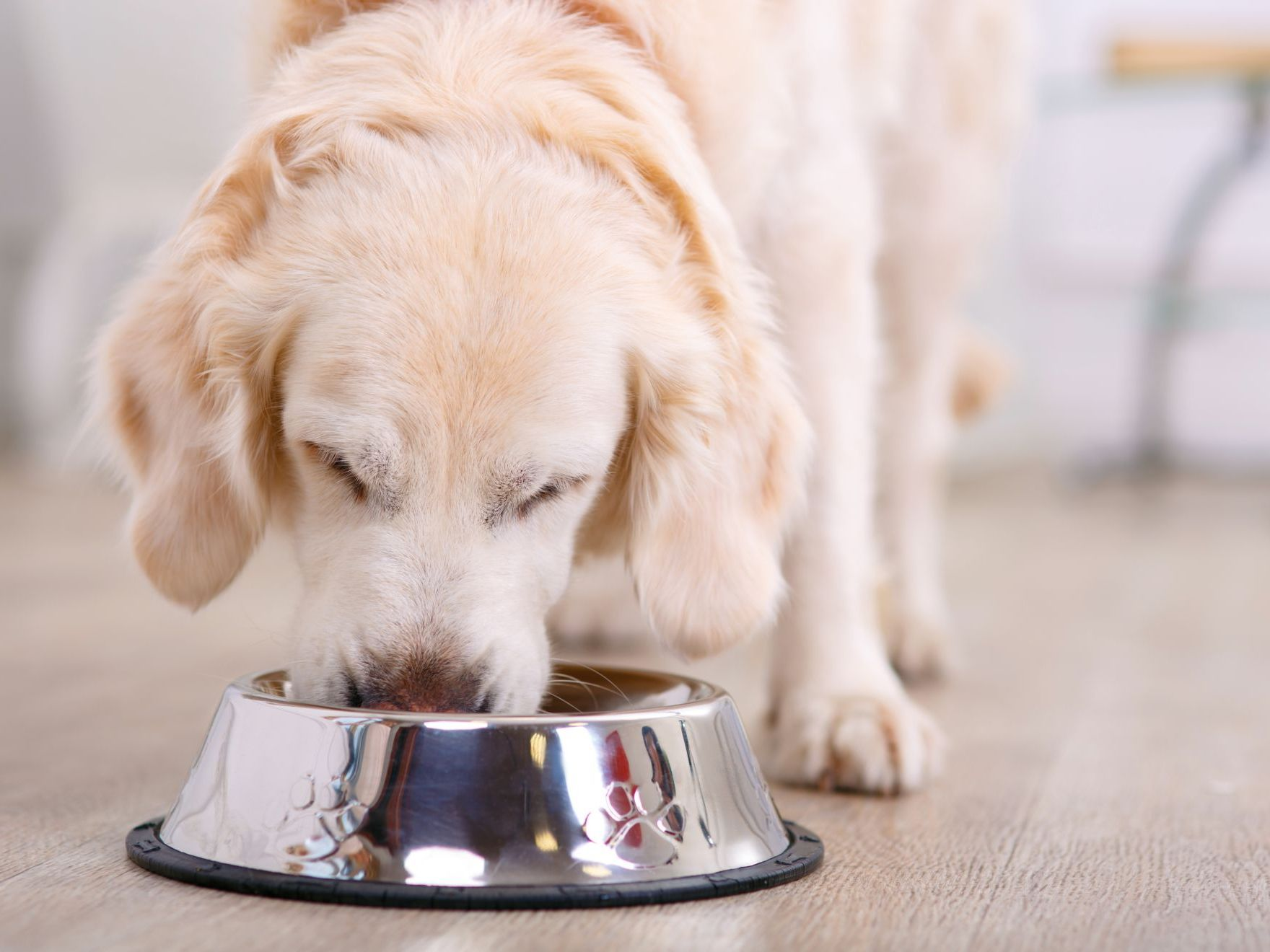
1. Diet
A specially developed food for sterilised dogs—with less fat, more fibre for satiety, more protein to sustain muscle and L-carnitine, an amino acid, that helps avoid the storing of fat—will help you maintain your dog’s health post-neutering. You should start to feed your pet an appropriate food for sterilised dogs as soon as possible after the operation following a gradual introduction, as excess weight can creep on quickly.
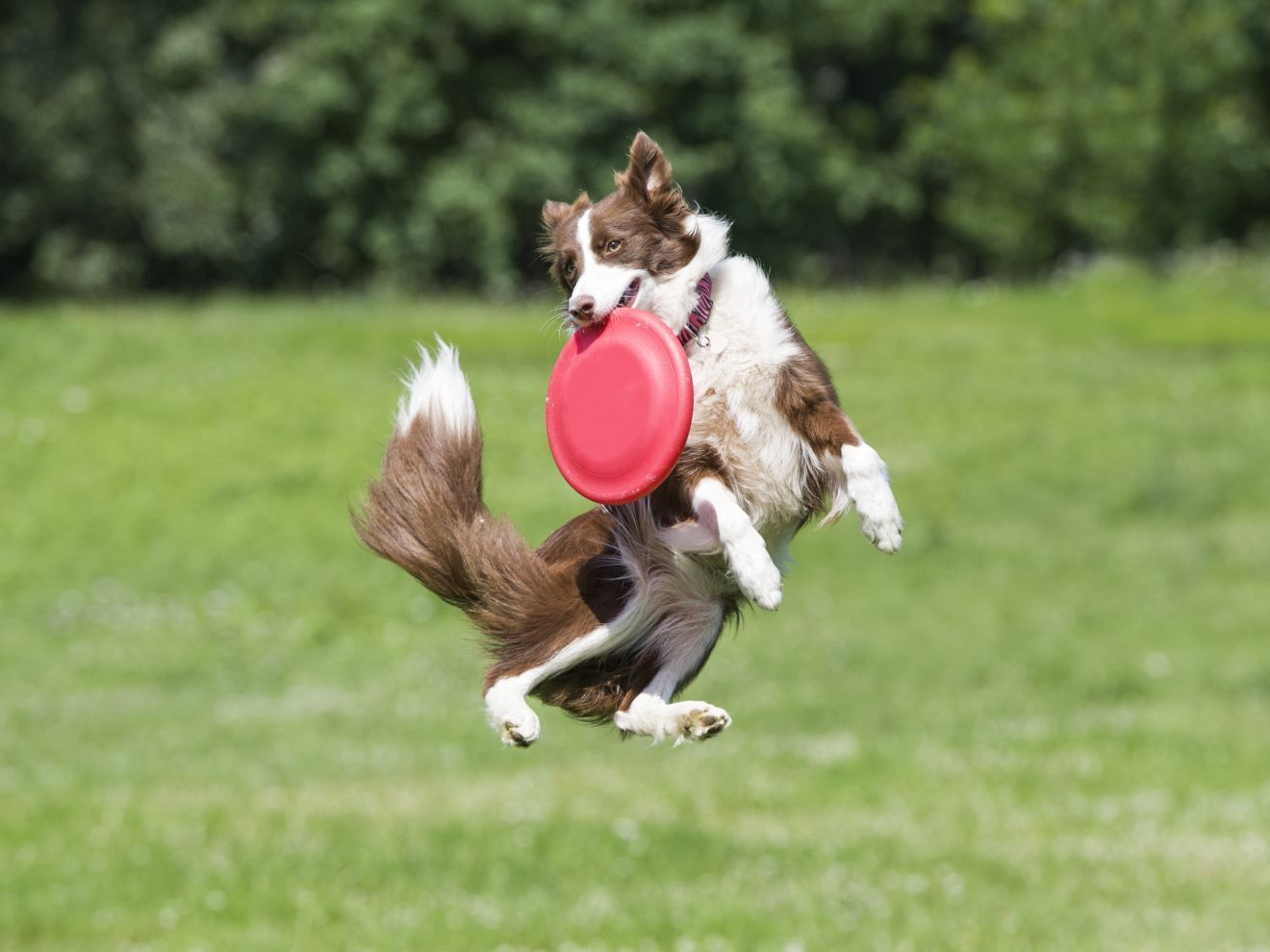
2. Exercise
Your dog is likely to feel drowsy in the days following the operation, but once they have recovered, maintaining or even increasing their physical activity will be vital to safeguard their health—and healthy weight.

3. Monitoring
Keep a close eye on your dog’s weight to ensure they are not gaining too much. If you have any concerns, speak to your vet for advice. Your vet is your dog’s best ally for information and practical advice, and yours too.
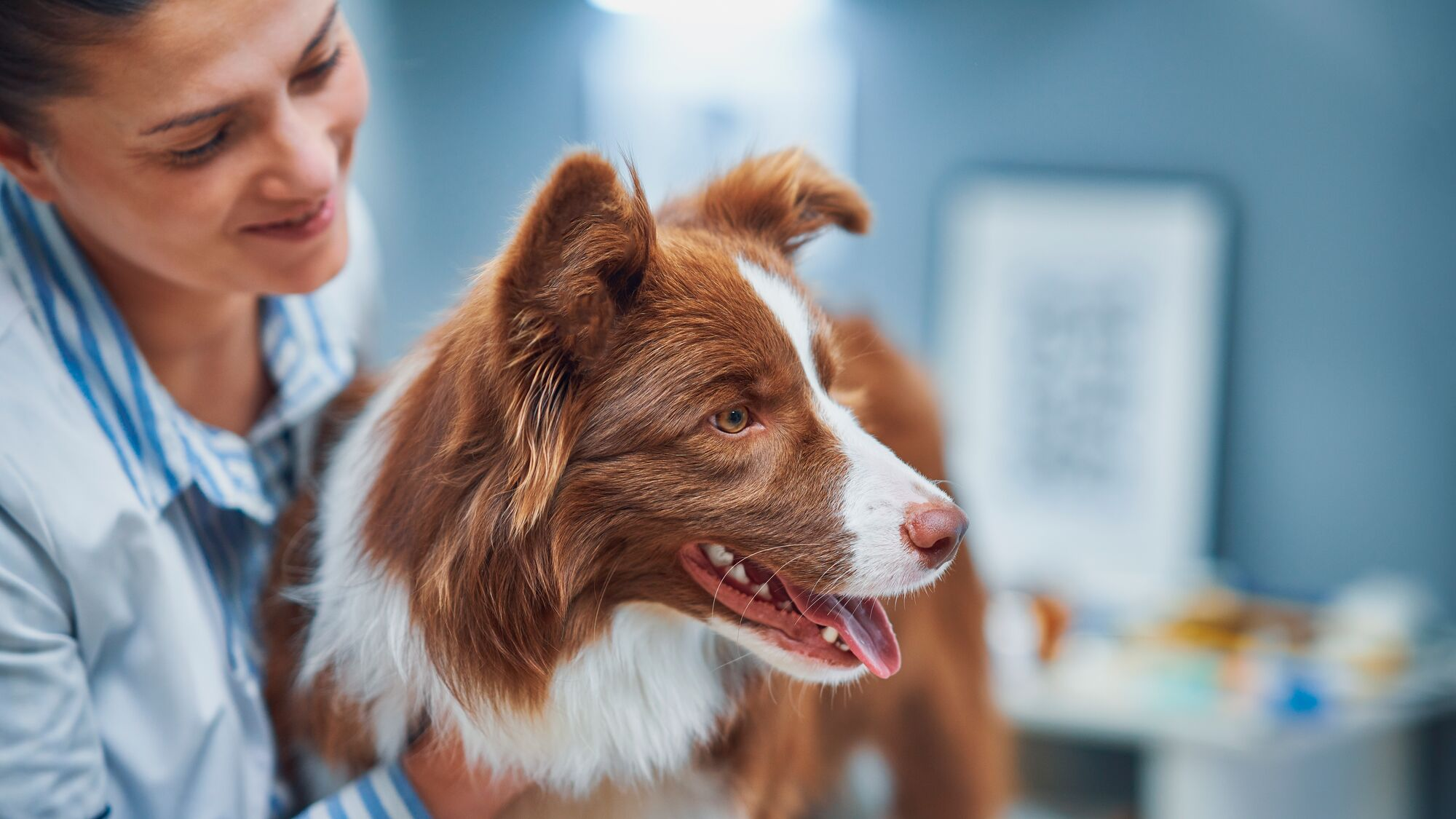
What you need to know about the procedure
Neutering a dog is a common and straightforward procedure, but it’s a good idea to be prepared to make the day of the operation as stress-free as possible for your dog and you.
The operation will take place under general anaesthetic. Make sure you schedule the procedure for a day when you will be free to take them to the vet in the morning and pick them up later in the day.
Your dog will need to avoid eating for some time before the procedure—ask your vet exactly when you should remove your dog’s food.
Once they wake up after the operation, your dog will probably be a little drowsy. Make sure they can rest in a calm, quiet environment at home for a few days to recover in peace. Your vet may provide you with a cone or inflatable collar for your dog to wear to prevent them licking or irritating the wound.
Your dog can eat or drink after the operation, your vet will send you home with clear instructions on what your dog can eat and when.

What to expect after neutering
Speak to your vet if you have questions about how neutering might change your dog’s behaviour in the long-term. How long after neutering your dog’s behaviour changes will depend on the individual. There is evidence to suggest that the effect of neutering on behaviour may also vary amongst individual dogs which is why it is recommended to discuss this prior to making the decision. Neutering your dog can bring many health benefits to your individual pet, as well as avoiding yet more unwanted puppies ending up in rescue centres. But it’s still a big decision–ensure you consider all the factors before you make this important choice for your pet and for you.
Related Articles

Like & share this page