Let's talk English Toy Spaniels
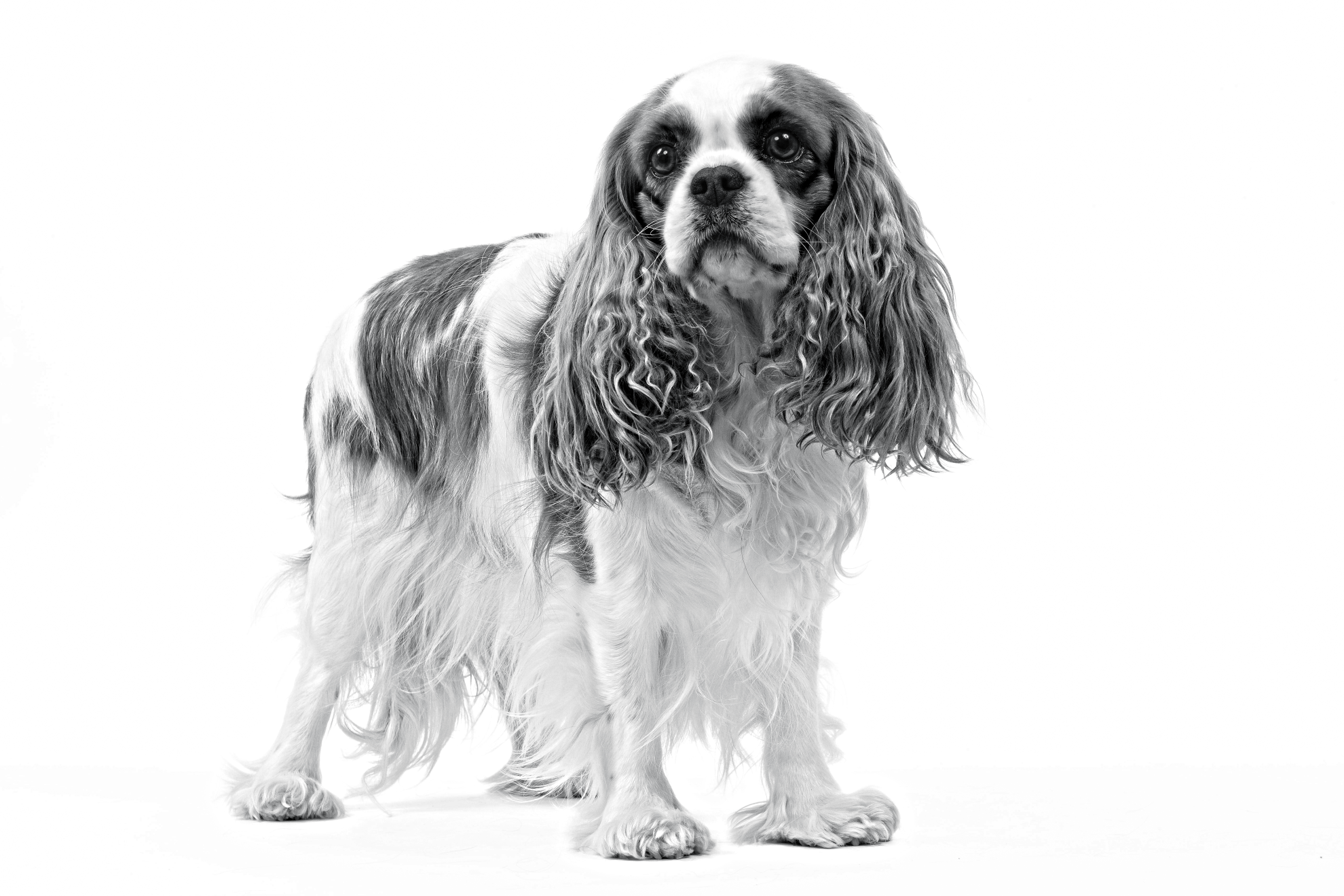
Devotion is the English Toy Spaniel’s middle name. A velcro dog from way back, the petite breed – categorised as a Toy, hence the name – was kept by English royalty as early as the 15th century, valued for their amenable and low-maintenance manner. Their pleading round eyes, silky long fur, and enjoyment of lap time makes them the ideal pet for many city dwellers. The English Toy Spaniel does not like spending time alone either, and really likes hanging by their humans. Make sure to keep them as part of the pack and they will positively thrive.
Official name: English Toy Spaniel
Other names: King Charles Spaniel
Origins: England
Drooling tendencies
2 out of 5Shedding Level
3 out of 5Energy level*
1 out of 5Compatibility with other pets
3 out of 5Warm weather?
3 out of 5Suited to apartment living
5 out of 5Family pet?*
4 out of 5Can stay alone
1 out of 5
| Male | Female |
|---|---|
| Height | Height |
| 23 - 25 cm | 23 - 25 cm |
| Weight | Weight |
| 4 - 6 kg | 4 - 6 kg |
| Life stages | |
|---|---|
| Adult | |
| 10 months to 8 years | |
| Mature | Senior |
| 8 to 12 years | From 12 years |
| Baby | |
| Birth to 2 months | |

Get to know the English Toy Spaniel
All you need to know about the breed
Toy breeds are a delight, and the English Toy Spaniel is certainly one when it comes to pleasant company. They’re known to follow their owners from room to room, making themselves at home with and even on them, lying on laps and feet alike. Because they delight in being around their humans, the English Toy Spaniel does not do very well when left alone. At such a diminutive size, they’re easy to carry though, and will be more than content to go anywhere.
The breed is nicknamed “Charlie” after the King Charles Spaniel. The name is the one they go by in England, as it was the beloved breed of Charles I and II in the 1600s. The English Toy Spaniel is often mistaken for their cousin, the Cavalier King Charles Spaniel, who also traces their heritage to the King Charles (being called “Charlie” doesn’t help keep things clear ...). The English is smaller and not quite as known, although just as tender and well-mannered.
As the quintessential lap dog, the English Toy Spaniel will snuggle up at a moment’s notice. Aside from human companionship, they are great with children and fellow furry friends; beware of size differences as the English Toy Spaniel is a Toy thus not the best match if giant breeds are afoot. Children also should be educated so they don’t roughhouse too much with a petite breed who might not be able to handle it.
Superb pets for city people, this breed does very well in an apartment however not for long stretches as their desire for affection gets depleted with each passing minute! The exercise needs of the English Toy Spaniel are minimal so carousing in the living room with a few daily walks thrown in suits this merry breed just fine.

2 facts about English Toy Spaniels
1. A dog of a different colour
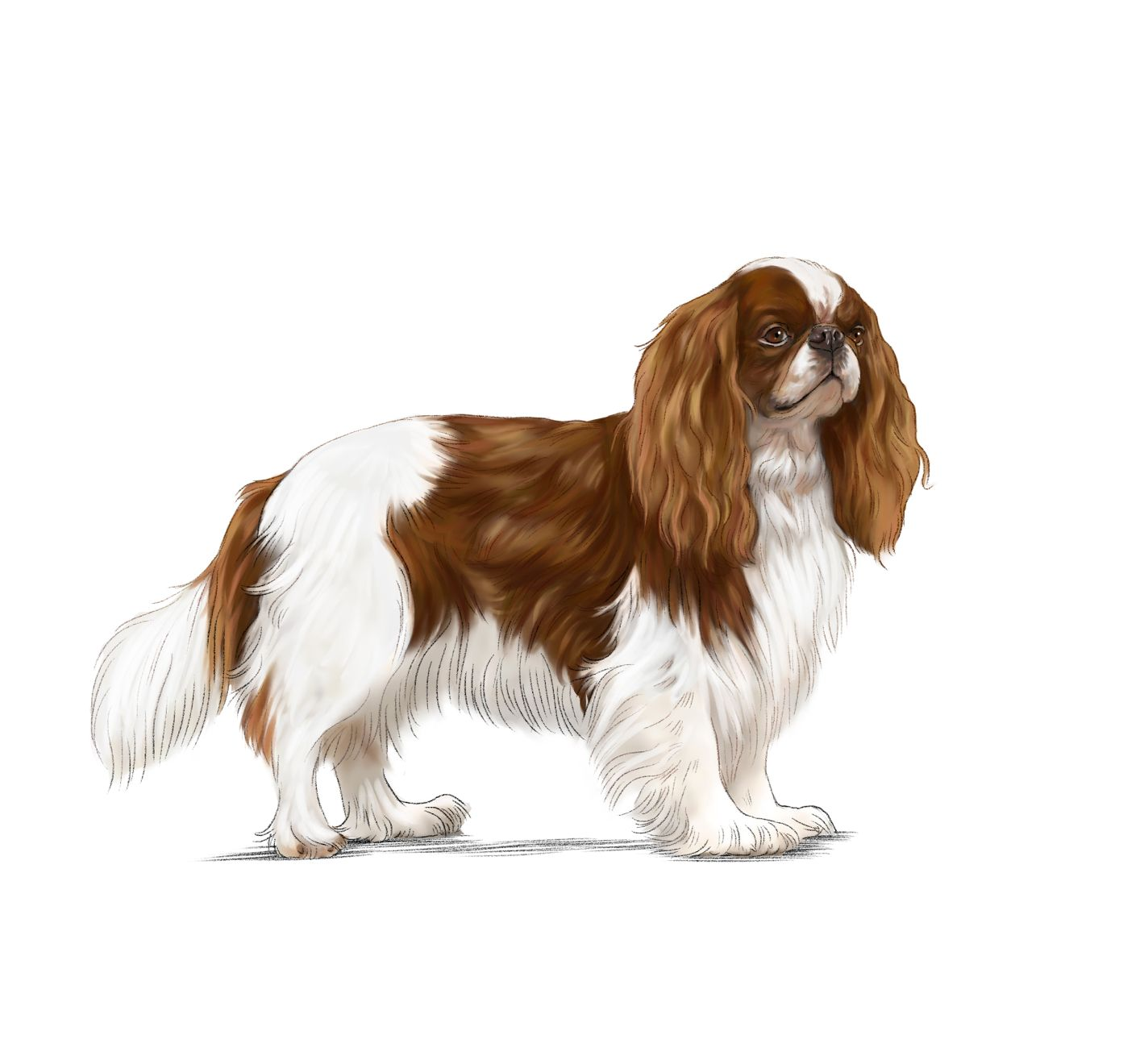
Hold onto your hat: In the U.S. the English Toy Spaniel goes by a different name for each of their four colour varieties: The King Charles is black and tan; the Prince Charles is black, white, and tan; the Blenheim is red and white; and the Ruby is red. To note: The Cavalier King Charles Spaniel is a separate breed altogether. Phew!
2. Just try to find him
The English Toy Spaniel is exceedingly rare. Small, well-behaved breeds can be in short supply, since they possess qualities people want in a dog: A calm demeanour, they require little exercise, they enjoy cuddling, and are very affable. Make sure to get on breeders’ waiting lists as this is one popular dog—and litters are usually small, two to four pups on average. The English Toy Spaniel Club of America is a great resource.
History of the breed
Tracing the English Toy Spaniel’s roots is tricky: One line of reasoning says the breed started life in Spain – the supposed ancestral home of all Spaniel breeds – and was then imported and refined in Asia; another guess is that they emanated centuries ago from Japan or China.
The English Toy Spaniel’s ancestor, the King Charles Spaniel, soon became the cherished pet of English royalty, named as such after King Charles I and II both became devotées. Known as “Merry Monarchs” from the House of Stuart during the 1600s, they took to a like-minded dog who could stroke their royal egos and receive the same in return. Charles II declared the breed the only dog allowed within the House of Parliament. Mary Queen of Scots even took an English Toy Spaniel to her beheading in 1587!
The King Charles Spaniel was cross-bred in Victorian times with Asian Toy breeds to produce the English Toy Spaniel. They were recognised by the AKC in 1886 and the Fédération Cynologique Internationale in 1955.
From head to tail
Physical characteristics of English Toy Spaniels
1.Ears
2.Head
3.Body
4.Tail
5.Coat
Things to look out for
From specific breed traits to a general health overview, here are some interesting facts about your English Toy Spaniel
Get to the heart of it
The English Toy Spaniel can suffer from congenital heart conditions that can be serious, even suddenly fatal, and should be watched. Heart valve disease, where the valves weaken, can be frequent, as can patent ductus arteriosis which involves a disturbance in how blood is carried within the heart. Proper weight control and regular dental care are essential in keeping your dog on an even keel and preventing heart failure of any kind.
All eyes on ….
The English Toy Spaniel is a brachycephalic breed, one with a more dense and wider skull that can cause issues in their skin, eye, and breathing. Cataracts – a clouding over of the lens – can occur, even causing blindness in older English Toy Spaniels. Glaucoma, damage to the optic nerve, is a condition to watch for, as is progressive retinal atrophy, a genetic predisposition to blindness. Early detection by a qualified veterinarian can help to monitor problems.
Healthy diet, healthier dog
When choosing food for an English Toy Spaniel, there are many factors to consider: Their age, lifestyle, activity level, physiological condition, and health, including potential sickness or sensitivities. Food provides energy to cover a dog’s vital functions, and a complete nutritional formula should contain an adjusted balance of nutrients to avoid any deficiency or excess in their diet, both of which could have adverse effects on the dog.
The following recommendations are for healthy animals. If your dog has health problems, please consult your veterinarian who will prescribe an exclusively veterinary diet.
Clean and fresh water should be available at all times to support hydration and urinary health. In hot weather and especially when out exercising, bring water along for your dog’s frequent water breaks.
An English Toy Spaniel puppy’s requirements, in terms of energy, protein, minerals, and vitamins, are much greater than those of an adult dog. They need energy and nutrients to maintain their body, but also to grow and build it. Until they are 8 months old, an English Toy Spaniel puppy’s immune system develops gradually. A complex of antioxidants – including vitamin E – can help support their natural defences during this time of big changes, discoveries, and new encounters. Their digestive functions are different from an adult English Toy Spaniel’s, too: Their digestive system is not mature yet so it’s important to provide highly-digestible proteins that will be effectively used. A balanced intake of fibres, such as psyllium, can help facilitate intestinal transit and contribute to good stool.
Similarly, a puppy’s teeth – starting with the milk teeth, or first teeth, then the permanent teeth – are an important factor that needs to be taken into account when choosing the size, form, and hardness of kibble. This growth phase also means high energy needs, so the food must have a high energy content (expressed in Kcal/100g of food), while concentrations of all other nutrients will also be higher than normal in a specially-formulated growth food. It is recommended to split the daily allowance into three meals a day until they are six months old, then to switch to two meals per day.
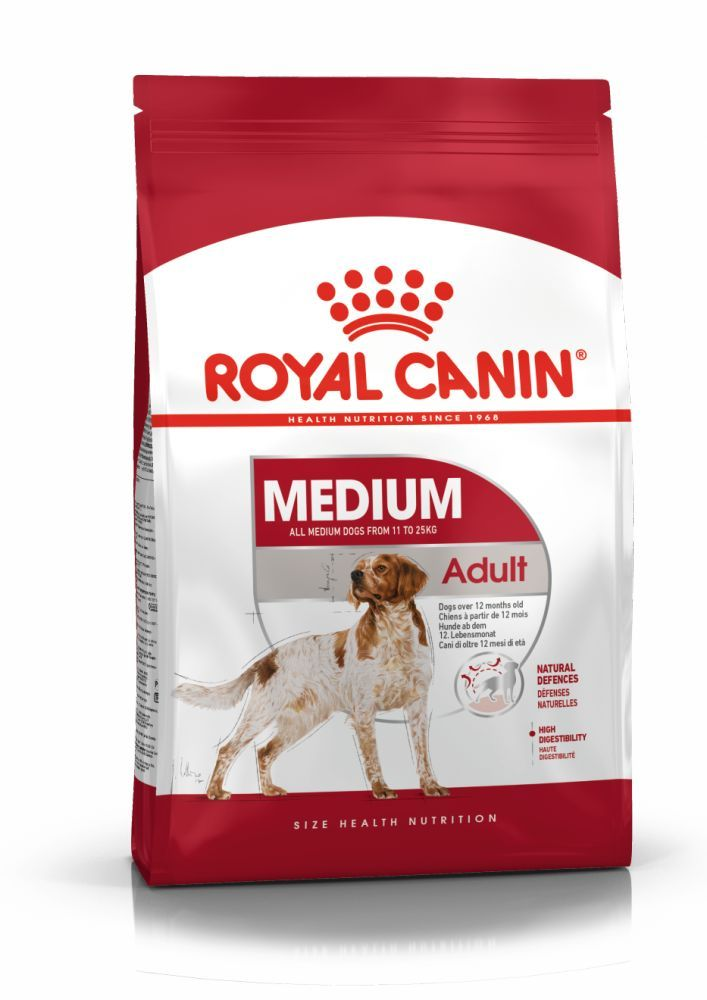
The main nutritional goals for adult English Toy Spaniel are:
Maintaining an ideal body weight by using highly-digestible ingredients and keeping the fat content at a sensible level.
Preserving the health and beauty of the skin and coat with the enriched addition of essential fatty acids (especially EPA and DHA), essential amino acids, and B vitamins.
At adult age, very small dogs such as English Toy Spaniels can be prone to constipation so look for a diet formulated with a balanced intake of fibres, including psyllium, to help facilitate intestinal transit, and with highly digestible proteins to contribute to good stool.
The size of the kibble should be small and adapted to the miniature jaw of English Toy Spaniels in order to avoid problems with picking up food. This may also stimulate their fussy appetite. Very small breed-dogs are prone to urinary stones; a diet that supports a healthy urinary system is recommended.
It is important to avoid feeding English Toy Spaniels human food or fatty snacks. Instead, you can reward them with kibble taken from their daily meal allowance in order to prevent excessive weight gain. It’s also relevant to strictly follow the feeding guidelines written on the package and to do so for sterilised English Toy Spaniels since neutering is a factor in overweight dogs.
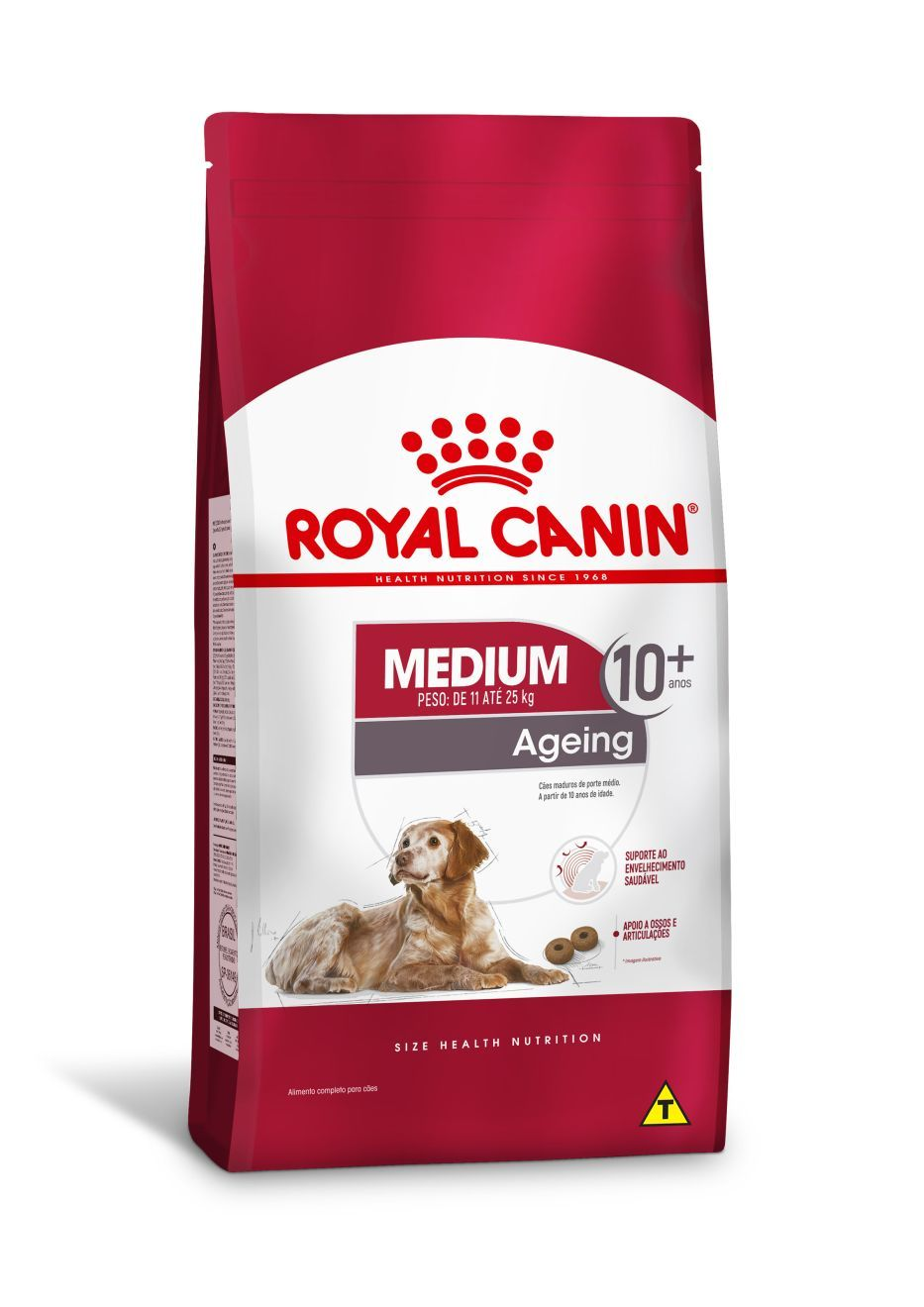
After 8 years old, English Toy Spaniels start facing the first signs of ageing. A diet enriched with antioxidants helps maintain vitality, and key nutrients, such as taurine, help support good cardiac function. Ageing is also accompanied by the modification of digestive capacities and particular nutritional requirements, so food for ageing English Toy Spaniels should have the following characteristics:
Higher vitamin C and E content. These nutrients have antioxidant properties, helping to protect the body’s cells against the harmful effects of the oxidative stress linked to ageing.
High-quality protein. Contrary to a widely held misconception, lowering the protein content in food brings little benefit in limiting kidney failure. In addition, older dogs are less efficient at using dietary protein than younger dogs. Reducing the phosphorus content is a good way of slowing down the gradual deterioration of kidney function.
A higher proportion of selected trace elements to maintain the skin and coat in good condition.
A higher quantity of polyunsaturated fatty acids to help maintain the quality of the coat. Dogs can normally produce these fatty acids, but ageing can affect this physiological process.
As they age, dogs increasingly suffer from teeth problems. To ensure they continue to eat in sufficient quantities, the shape, size, and hardness of their kibble needs to be tailored to their jaw.
Caring for your English Toy Spaniel
Grooming, training and exercise tips
One of the best traits about the English Toy Spaniel is their long silky coat. No doubt, grooming it requires work but so does everything worthwhile. Brushing twice a week with a pin brush or soft bristle brush is necessary to keep mats at bay and tangles that can arise with their long hair. A long-toothed metal comb is great to use as well with a coat like theirs. Make sure to trim nails regularly, keep their eyes clean, and check their long ears almost daily as it’s easy for debris to hide inside.
The exercise routine of an English Toy Spaniel is fairly basic. As Toy breeds, they are small in size and don’t require much more than daily walks and jolly playtime. The breed is pretty low-key and well-suited for those who live in small spaces. Take care when outside however as the English Toy Spaniel is a brachycephalic breed – one marked by a shorter snout and nose – so breathing can be much more labored when they are exposed to higher temperatures.
Known for their docility, training the English Toy Spaniel is a delight. They are eager to please so taking commands is uncomplicated. This is a sensitive breed though so move forward with thoroughness, patience, and an approach as gentle as they are.
7/7
All about English Toy Spaniels
What is the difference between an English Toy Spaniel and a Cavalier King Charles Spaniel?
Although the two dogs are often mistaken for each other, the English Toy Spaniel is slightly smaller and more square whereas the Cavalier King Charles Spaniel has a longer body. The English Toy Spaniel has a shorter snout with a slight underbite whereas the Cavalier King Charles Spaniel does not. They do however emanate from the same breed, the King Charles Spaniel, thus the name and the doppelgänger appearance.
Do English Toy Spaniels have health problems to note?
We addressed two possible health issues for the breed earlier, cataracts and progressive retinal atrophy, both eye diseases. But as is the case with many smaller dogs, the English Toy Spaniel can be subject to a condition called patellar luxation, more commonly known as loose kneecaps. Watch their movement closely and for signs of distress in their back legs. A qualified veterinarian can assist with any issues that arise. All in all, though, this is a pretty hardy breed.
Suggested Breeds


Read more on this topic
- Veterinary Centers of America https://vcahospitals.com/;
- Royal Canin Dog Encyclopaedia. Ed 2010 and 2020
- Banfield Pet Hospital https://www.banfield.com/
- Royal Canin BHN Product Book
- American Kennel Club https://www.akc.org/
Like & share this page