Common ageing cat issues to look out for
From weight loss to diabetes, there are some common – but manageable – older cat health problems to be aware of. Find out what they are, and how best to care for your cat, here.
Article

As your cat passes the age of 10 and moves into their golden years, they’re likely to start experiencing some ageing cat symptoms that will be new to both of you. Understanding this transformation helps you provide proactive care that adapts to your feline companion’s changing needs.
Firstly, how do I know my cat is ageing?
Cats age extremely gracefully, so obvious signs of them getting older can be hard to spot. But you know your cat best, so keep a close eye on any changes to their daily habits, which could include:
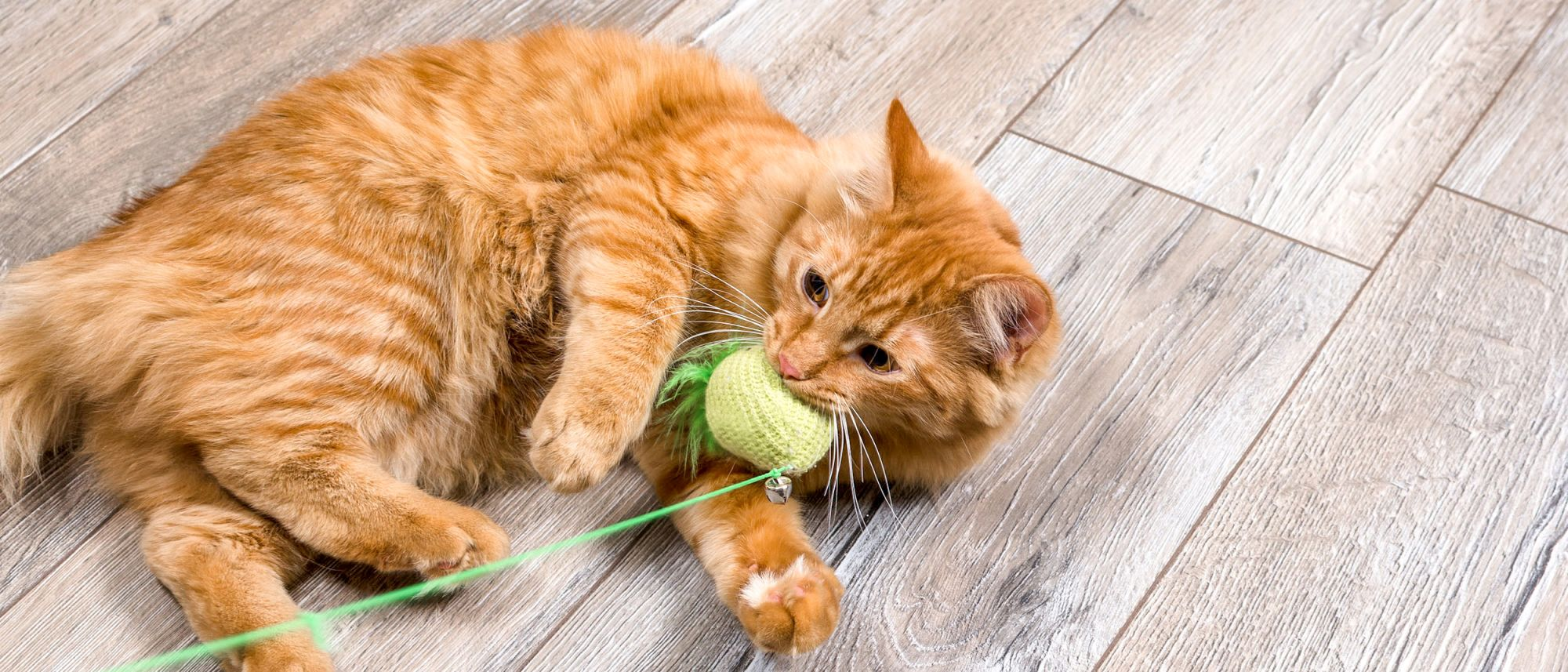
- Less enthusiasm for hunting, playing, and exploring
- Less interest in food
- Longer naptimes
- More time spent indoors with you
- Less grooming
- More wary of noise and stressful situations
- More vocal
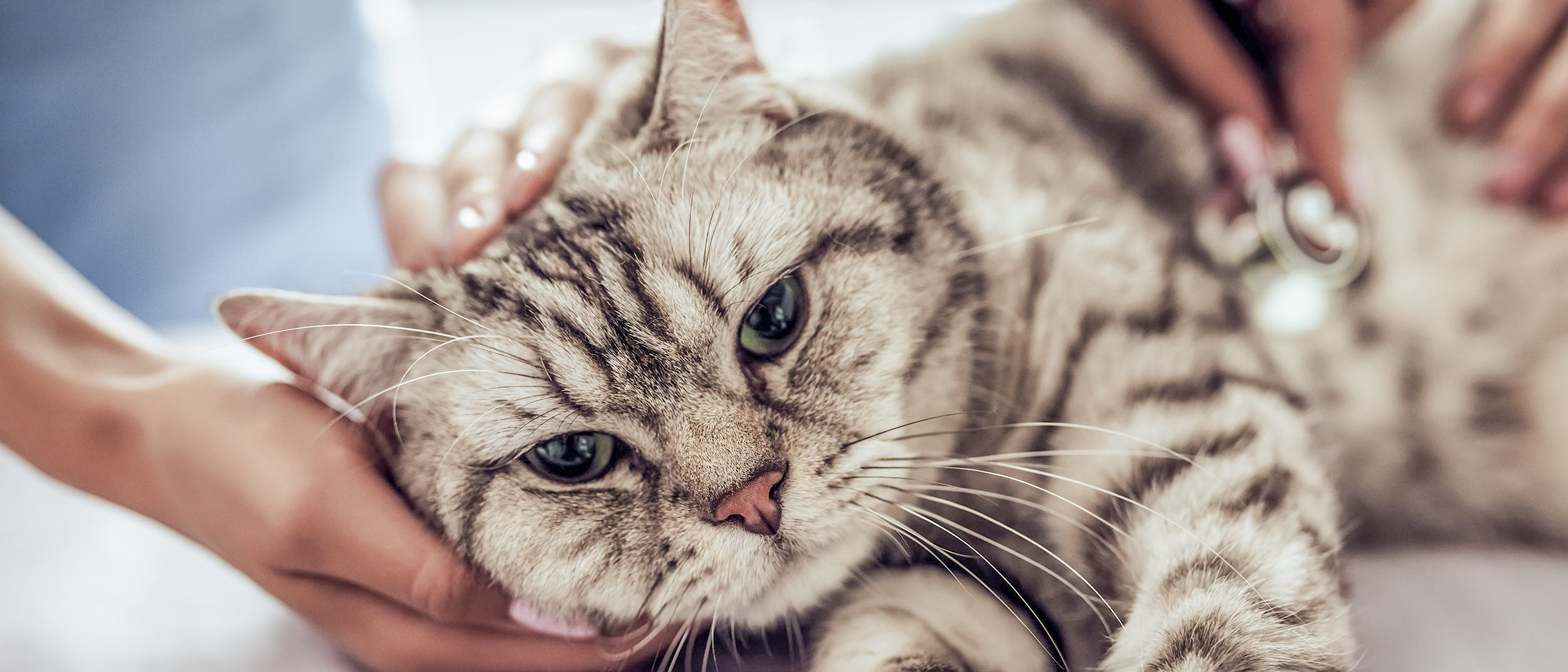
When you start to see these changes, make sure you are taking your cat for regular health checkups so that you can give your cat the care they need to continue to thrive.
Common illnesses
The good news is that many common conditions respond to a mix of diet, medical support, and environmental changes, which can all improve your cat’s quality of life for years to come. Here are some older cat health problems to watch out for, and the actions you can take.
Chronic kidney disease
Kidney disease in older cats is common. Look out for symptoms such as drinking and urinating more, weight loss, eating less, and vomiting. If your cat shows any of these signs, take them to your veterinarian for a health check. How your veterinarian manages this senior cat health issue will depend on the stage the illness has reached when it is diagnosed. The earlier the better, so you should always be vigilant for signs.
Dental disease in older cats
Dental disease can affect cats of all ages, but in older cats it can cause a loss of appetite. Get advice from your veterinarian on the best way to manage your senior cat’s dental health, as unmanaged tooth problems can cause a lot of pain and shouldn’t be left untreated.
Feline hypertension
Cats, just like people, can be affected by high blood pressure (feline hypertension) as they get older, particularly if they have kidney disease. It’s simple for your veterinarian to keep track of your cat’s blood pressure, and if it’s high, the condition can be treated with medication.
Loss of mobility
As their joints and cartilage have worn down over the years, older cat health problems can include arthritis and joint pain. This leads to changes in their mobility, including unsteadiness, difficulty with jumping up and down, and problems with climbing stairs.
Dietary changes can help to support your cat’s joint health – look for precise nutrition with long-chain omega-3 fatty acids, chondroitin, and glucosamine to help keep cartilage in shape.
You can also help by making small changes to your cat’s home environment. Provide ramps to help them get up to favourite spots, and position their food, water, and litter tray in places that are very easily accessible.
Your veterinarian may also recommend pain-relieving medications.
Hyperthyroidism
Older cats with hyperthyroidism (an overactive thyroid) can lose weight despite eating normally or having an increased appetite. Other signs include vomiting or a rapid heart rate. Your veterinarian can help manage the condition with a range of options, from surgery to medical management. If caught early, treatment can restore affected cats back to good health within a few weeks.
Healthy ageing is possible for our senior cats, as long as you are vigilant about noticing changes in their behaviour, appetite, and weight, and seek prompt veterinary attention to ensure they can stay healthy and comfortable as long as possible.

Ageing cats and diabetes
Diabetes mellitus affects around 1 in every 5001 cats, particularly older and overweight or obese cats so one of the best ways to help prevent your cat developing this illness is by ensuring that they maintain a healthy body weight.
Signs to look out for are increased thirst, more trips to the litter tray, and losing weight despite an increase in appetite.
Not only do cats with diabetes not produce enough of the hormone insulin, but the insulin that they do produce doesn’t work as well as it should, causing blood sugar levels to rise too high. The condition can be treated with injections of insulin or an oral medication, and the right diet can also make a difference.
Cognitive dysfunction syndrome
As cats age, they can suffer a deterioration in their brain function, resulting in confusion, changes in sleep patterns (crying and wandering the house at night), and loss of interest in the family. These signs can also indicate other health problems, though, so be sure to consult with your veterinarian for the right diagnosis.
Treatment can include medication alongside changes in the home, such as providing night lights and making sure that your cat has all they need in a smaller area of the house.
Older cats and weight loss
Another ageing cat issue is weight loss. It’s a very common but non-specific sign of illness in older cats, so it’s important to make an appointment with your vet if you see your cat losing weight. That way, they can identify the likely cause and prescribe the right treatment.
There are many reasons why your cat might be losing weight, from a specific disease to a loss in appetite caused by dental disease in older cats. Check out our Why Is My Cat Losing Weight? article to find out more.
While these senior cat health issues are common, they don’t have to cause your older cat unnecessary pain or stress. Visit your veterinarian if you believe your cat is suffering, and they’ll be able to advise you.
- Sallander M et al, Acta Vet Scan 2012; 54: 61
Like & share this page