How should I care for my ageing dog?
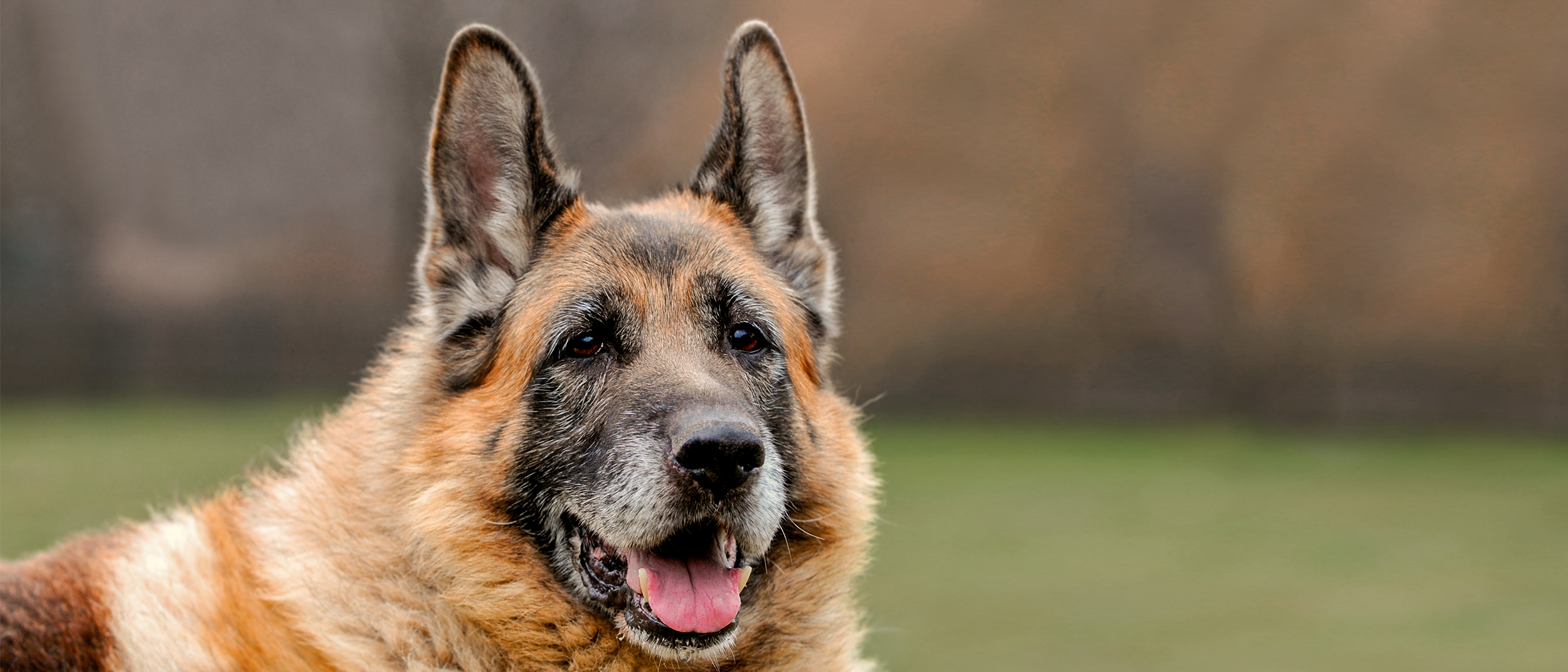
As your beloved canine companion matures, you’ll start to notice some ageing dog symptoms in their appearance and behaviour. It’s a perfectly natural life transition and an exciting new chapter for you both. Although the later life stages can bring extra requirements, caring for an older dog doesn’t need to be complicated.
From exercise to their diet and daily routines, there are simple ways you can provide meaningful ageing dog care. Here’s a guide to what senior dog health entails for your pet and what you can do to help them continue to thrive.
How breed and size affect senior dog health
The first thing to remember when considering senior dog health is that not all dogs have the same life expectancy. That depends on genetics, lifestyle, breed, and size. Smaller dogs (those under 10 kilos) typically live for around 12 years, while larger dogs (over 45 kilos) tend to live for around seven to eight years. The bigger the dog, the earlier the ageing process begins – which means that different dogs can be considered senior at different ages.
Health sensitivities in older dogs will also differ between different breeds and sizes. For example, it’s more likely that small-to-medium-sized dog breeds will suffer from chronic valve disease (CVD). In some cases, breed can play a bigger role in life expectancy than size, partly due to breed-related health conditions.
Ageing dog care will vary depending on these considerations, and your dog’s nutrition should be tailored to provide them with the specific combination of nutrients that their breed, size, and lifestyle require.
How to give ageing dog care
Every dog is unique, so the support they require as they age will be too. As your pet gets older, you may need to provide specific help such as joint care for older dogs or management of skin sensitivities. Whatever your ageing dog care includes, there are universal ways to support comfort and health in the later years. Here’s what you should consider.
1. Avoid stress for better senior dog health
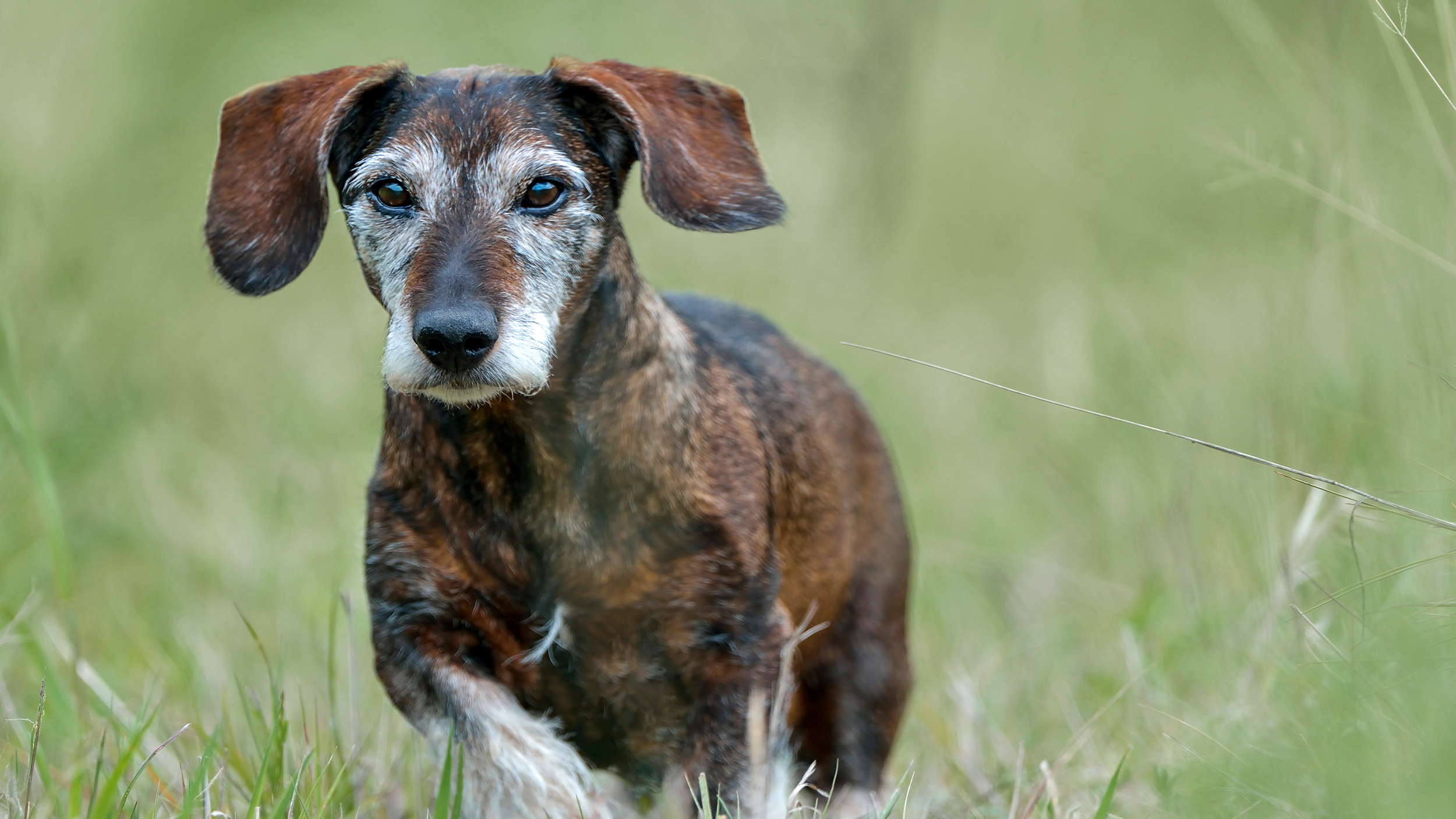
As your dog ages, you may begin to notice some changes in their behaviour. They might become a little more anxious than they used to be, their sleeping patterns may change, and they could spend less time interacting with you. All these changes are normal, and you can help your dog handle them by not making a fuss and keeping their environment calm and their routines reliable.
In some dogs, behavioural changes can be a sign of cognitive dysfunction. This is an age-related condition caused by changes in the brain similar to those seen in Alzheimer’s disease in humans, and it is usually managed with a combination of tweaks around the home, medication, and dietary changes.
If your ageing dog is behaving differently or showing signs of stress, you should always see your veterinarian to rule out underlying health issues.
In addition, simple changes at home can help to minimize any stress related to ageing dog symptoms. These include:
- Keeping a consistent routine – rapid changes can exacerbate behavioural problems, so any adjustments should be phased in gradually
- Offering frequent opportunities to toilet
- Leaving a light on overnight, which may help dogs with vision problems
- Keeping a radio on low, which can soothe dogs that become restless when left alone
- Teaching visual signals if your dog’s hearing is deteriorating, which can help to keep them engaged
- Providing enrichment in the form of play and training – stimulating your dog’s brain can keep them healthier and more content
2. Exercise your ageing dog
Contrary to popular belief, it’s not necessarily ageing that slows dogs down as the years pass. Instead, they often slow down because of arthritis or other health issues in older dogs. Excess weight can also have a big impact on your dog’s energy levels (especially if they have arthritis).
Keeping active is important for your dog’s mental and physical health, so you should keep exercising your dog at a level that’s comfortable for them. Swimming can be an excellent form of joint care for older dogs, as it allows them to exercise without placing too much strain on their joints. Your veterinarian can advise on this and help you to develop a plan to keep your dog as active as possible. For many older dogs, this will include pain-relief medication and dietary changes to support their joints.
To help your dog with joint pain, you may also wish to install ramps to help them get up steps, or non-slip flooring if they’re unsteady on tiled or wooden floors.
If your dog has underlying health issues such as heart disease, you should speak to your vet about the best way to adapt their exercise to keep them active without any problems.
3. Dietary care for older dogs
An essential part of how to keep an old dog healthy is the diet you feed them. Older dogs have significantly different nutritional requirements from younger ones and feeding a diet that caters for this can support their health in their golden years.
Older dogs need around 10%-20% less energy than younger dogs, so it’s important to adapt their meal sizes to avoid weight gain. Food that’s lower in fat yet still tasty and satisfying is a good choice for older dogs, as it enables them to eat well while avoiding overfeeding.
As part of your ageing dog care, their food should also include specific nutrients to support senior dog health. Beneficial nutrients for this stage of life include:
- Long-chain omega-3 fatty acids, which can support healthy heart function and promote healthy joints
- A selection of active nutrients with demonstrated benefits for joint health, such as antioxidants and GLM (green-lipped mussel) extract, found in Royal Canin’s chewable supplements for joints
- Reduced phosphorus levels to support effective kidney function
4. Keep your ageing dog a healthy weight
It’s easy to overlook the impact weight can have on your dog’s health. Keeping them a healthy size is one of the most important ways you can give them a long, healthy life.
Weight gain is common in older dogs as their energy requirements and activity levels decline. Ask for your veterinarian’s advice on your dog’s weight at their regular check-ups, so you can adjust their food intake to keep them at an ideal weight and avoid weight-related health issues in older dogs.
Working towards a healthy weight when caring for your older dog is a huge opportunity for you to improve your pet’s quality of life.
Veterinary professionals are always happy to discuss your dog’s weight, provide advice, and even develop a detailed weight-loss plan. Seeing the extra energy and joy dogs experience when they’ve successfully lost weight is incredibly rewarding.
5. Senior dog veterinary care
Regular health checks are key to spotting health issues in older dogs early and providing the best care possible.
Some ageing dog symptoms that may at first appear innocent can be indicators of underlying illness. Because of this, it’s important to consult your veterinarian if you notice appearance or behaviour changes in older dogs. Your veterinary team will be happy to advise you on the best course of action.
You can also ask your veterinarian for advice on how to keep your dog healthy at home. This could be through brushing their teeth regularly, keeping them at their ideal weight, and regular bathing and grooming.
Like & share this page