Signs your dog is getting old
Not sure if your canine companion is ageing? Learn how to spot the signs so you can give them the very best care and enjoy the golden years to come.
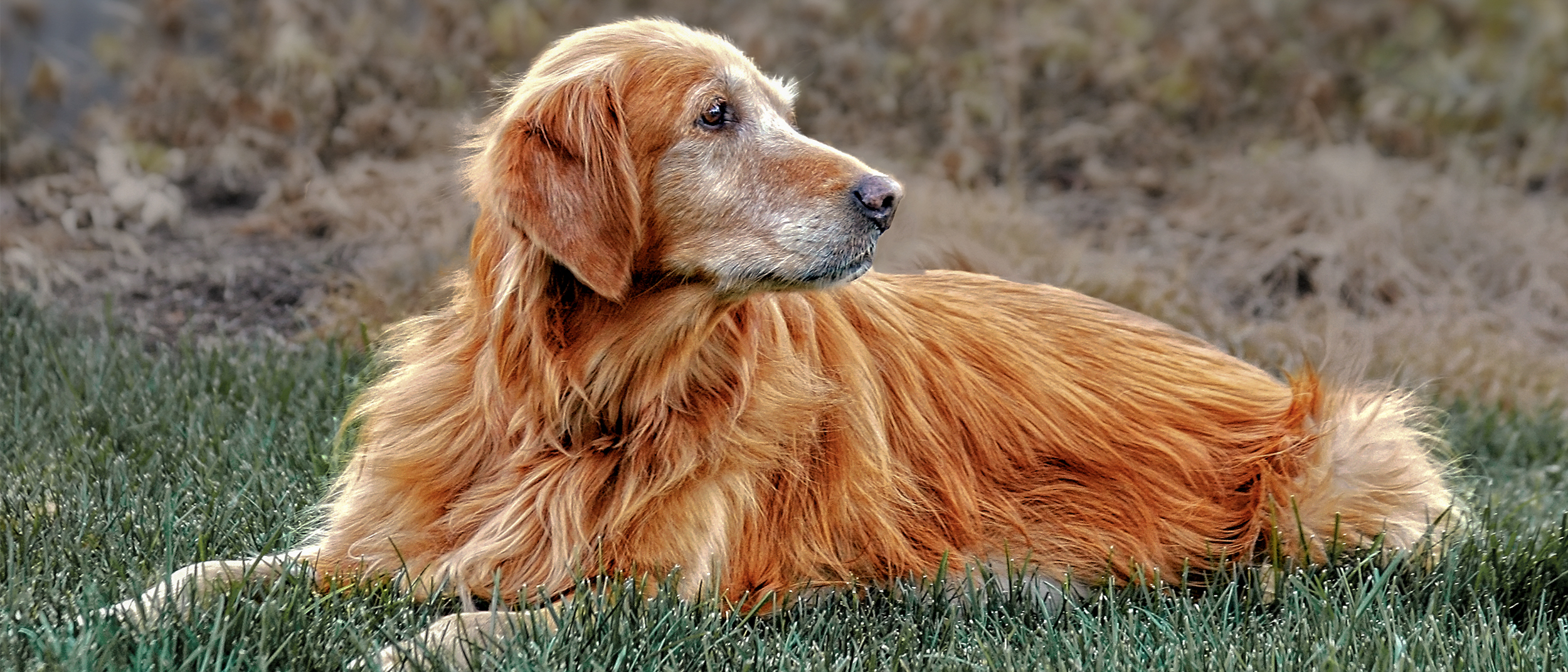
Your canine companion’s ageing is a natural process that causes their body to change both inside and out. Because dog breeds, sizes, and lifestyles vary so widely, ageing dog signs can look different from pet to pet.
While many of the signs your dog is getting old will depend on their own individual traits, there are pointers to the onset of senior years that apply to all dogs. Once you know what senior dog behaviour changes and physical signs to look out for, you’ll be armed with an understanding of how and when to give extra care and support.
Want to know how to tell how old your dog is? Let’s explore.
When is a dog considered a senior?
In simple terms, a dog is regarded as mature when they reach the mid-way point of their expected lifespan, and they are senior when they have three-quarters of their expected lifespan behind them.
It’s important to note that dogs of different sizes do not age in the same way or at the same rate. Small breeds typically have a longer life expectancy than large breeds, so a small dog will usually age more slowly. Conversely, large dogs take longer to grow to adulthood and age faster.
This means that ageing dog signs and mature health needs will change depending on breed, size, and lifestyle.

Ageing dog symptom checklist
Ageing is a process that causes both visible and less obvious changes. Ageing dog symptoms that you might notice at home could include:
- A greying coat, especially around the muzzle
- A thinning of the coat
- Joint stiffness, especially in the mornings or after a long walk
- Bad breath and – if your dog will let you check – visible signs of dental disease
- Lumps and bumps – skin growths are more common in older dogs. While many are benign, it’s always wise to have a veterinarian check them
- A cloudy appearance to the eyes
- Vision loss
- Hearing loss
- Muscle loss – especially over their hips and thighs
- Needing to go to the toilet more frequently
- Increased sleep
- Behaviour changes
If you’re noticing the first signs of ageing, it’s a good time to seek veterinary advice so you can deal with any potential senior dog health problems and put your pet on the right track towards healthy ageing.
And remember, age itself isn’t a disease! You don’t need to be afraid of it. Just remember that your dog’s needs will change as they grow older, and you can support them so they continue to get the most out of life.
More than in any other stage, senior pets need us to be attentive to their needs and prioritize early diagnosis and prevention of age-related health issues. By proactively looking after ageing pets, we can delay a lot of age-related decline and keep them enjoying their later years.
Senior dog health problems
By knowing how to spot the signs of conditions that your dog may be susceptible to, you can help to slow down the occurrence of health sensitivities in older dogs. Be sure to make the most of your veterinarian’s support, as their expertise is essential for monitoring and diagnosis.
1. Keep weight in check
Senior dogs build up fat deposits at the expense of muscle mass, meaning they often put on weight as they grow older. This can lead to a range of health issues such as arthritis, heart disease, and diabetes. Additionally, excess weight can cause joint pain and contributes to a more sedentary lifestyle, which in turn leads to more muscle loss and a decline in mobility.
The good news is that you can reduce the occurrence of these problems by making sure you give your dog effective ageing healthcare. By adapting your dog’s diet to prevent weight gain, prioritising weight loss if they’re overweight, and continuing with regular exercise, you can help your dog to stay fit and healthy.
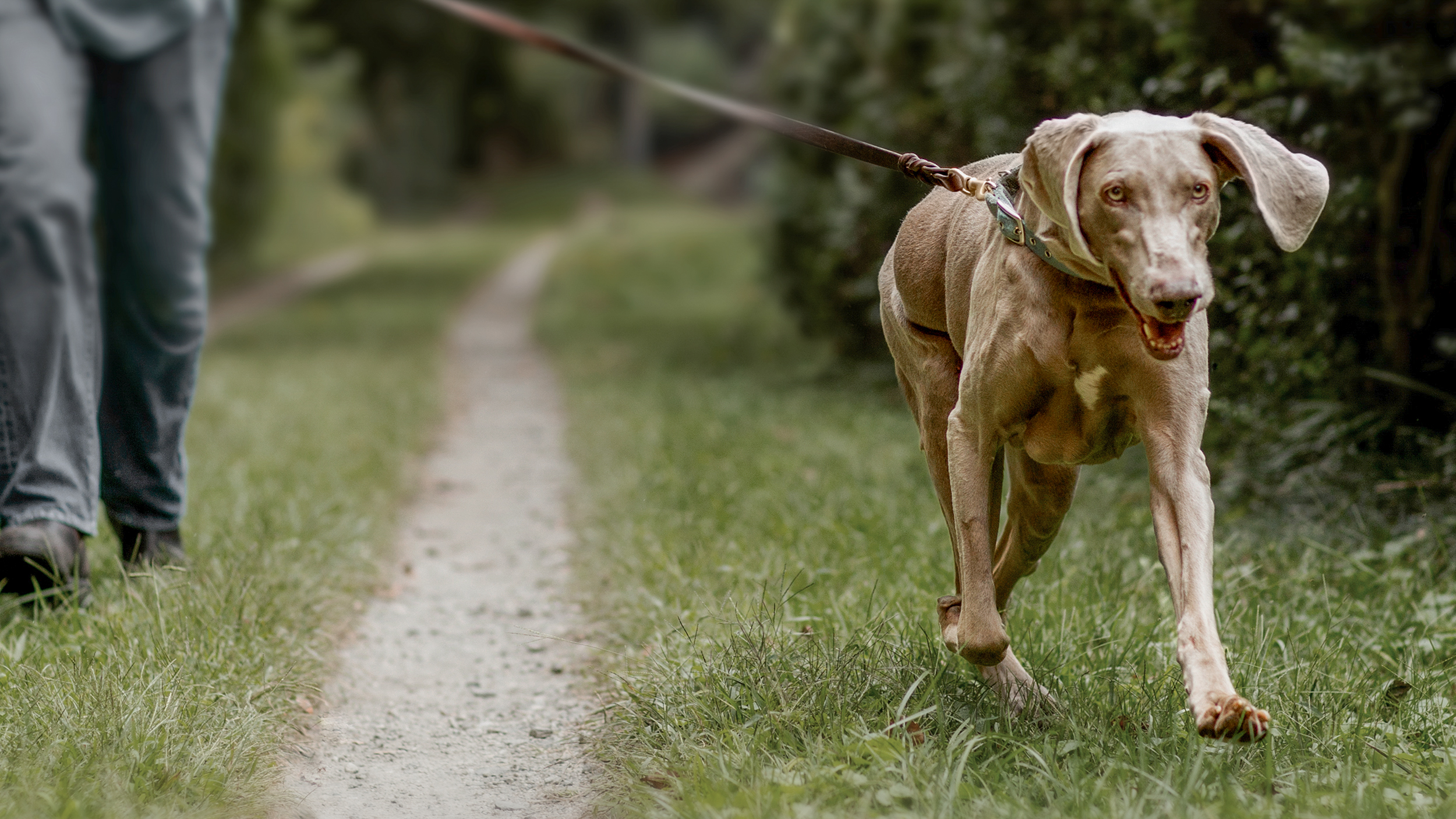
If your dog is overweight or struggles with exercise, it’s worth speaking to your veterinarian. Joint pain in older dogs can be hard to spot until it becomes severe, and even senior dogs without obvious joint problems can benefit from pain relief to help keep them active. Speak to your veterinary team for tailored advice on your dog’s weight, diet, and exercise.
2. Be diligent about dental hygiene
It pays to nip dental problems in the bud. A build-up of plaque causes gum inflammation and infections, which can lead to old dogs losing teeth. Dental disease is also associated with bacteria growth, which can spread from the mouth and cause damage to other organs.
Dental problems are more common than you may think, too. Between 80% and 90% of dogs have signs of dental disease by the age of 3, so knowing how to spot the signs of potential problems is important for every owner.
Here’s a list of signs that might indicate that your dog has dental problems – but remember that many dogs may only show one or two of these signs, or sometimes none at all:
- Bad breath
- Visibly red and inflamed gums
- Bleeding from the gums, including traces of blood in the water bowl or on chew toys
- Loose teeth
- Receding gums
- Excessive drooling
- Teeth chattering
- Reluctance to allow you to handle their mouth or look at their teeth
- Discolored teeth
- Favoring one side of the mouth when chewing
- Pawing or rubbing at the mouth or face
- Head shaking
- Dropping food
Dental check-ups are essential throughout your dog’s life, but especially as they get older. Your vet is your dog’s dentist, so you should make sure they check their dental health regularly. Find out more about dogs and dental disease here.
You can keep on top of your dog’s dental care by learning how to brush their teeth. It’s an excellent preventive measure that will help to preserve their oral health into older age.
Introducing dental care at home is key to looking after your dog’s mouth long term, but if their teeth are sore, this can be quite painful. I recommend speaking to your vet about whether home care is right for your dog or whether they need any treatment for existing dental disease before you start.
3. Give digestive help
The passage of your dog’s food from their mouth to their bowels slows down in older dogs. Just like the rest of the body, the intestine starts to work less efficiently as dogs age. This is linked to reduced muscle tone in the intestine and a drop in the secretion of digestive acids that help to break down food. It absorbs nutrients in lower quantities, and it takes more time to adapt to a change of diet.
To support your dog through this ageing dog sign, a high-quality, easily digestible food can minimise these effects.
4. Support immune systems
Ageing also impacts the immune system, reducing its efficacy over time and rendering ageing dogs more sensitive to external agents.
One easy way to protect your dog from disease is to keep them up to date with their vaccines through scheduled veterinary visits.
Contrary to popular belief, older dogs still need regular vaccinations – if anything, they can be more susceptible to diseases such as kennel cough, so a proper vaccination regime is a vital helping hand to your ageing dog.
5. Stay on top of senses
Your pet may also experience senior dog eye problems and even loss of sight, as well as loss of smell, which can result in a reduced appetite. A change in diet may be enough to help their hunger, but it’s important to monitor their food intake and weight and discuss any changes with your veterinarian to rule out underlying diseases.
As a general rule, if you notice that your senior dog’s behaviour changes and they don’t want to exercise, are less attentive, or are too quiet, book in an appointment for them to be examined by a veterinarian. It’s essential that signs of an underlying disease aren’t mistaken for normal age-related changes.
With proper care and a diet tailored to their unique needs, ageing dogs can continue to live a happy, healthy life. Our range of diets for senior dogs is tailored to support the specific health needs of older dogs, with essential nutrients such as vitamin C. If you’re ever unsure about how to manage your ageing dog’s changing needs, it’s best to consult a veterinarian.
Like & share this page