Your dog's end of life care
It can be emotional to watch your dog getting older, but with a lot of love and the right care, you can make sure they have the best possible quality of life in their golden years.

Your dog most likely plays a starring role in your family, with deep affection and loyalty on both sides.
That’s why caring for an ageing dog is a rewarding and important role. As they age, you’ll want to care for your canine companion in the best way possible.
So, let’s look at what’s involved in your dog’s end-of-life care – from monitoring senior dog health issues to veterinary support, as well as how to care for an ageing dog who is suffering.
Senior dog health issues
As your dog gets older, their bodily functions and organs gradually become less effective. Cell growth and regeneration slows, so they’re less able to repair any damage and recover from illness.
This means older dogs are more likely to develop various health problems. Common senior dog health issues include:
- Arthritis
- Hormonal conditions such as hypothyroidism, Cushing’s disease and diabetes
- Dental disease
- Eye changes, including cataracts
- Cancers
- Heart disease
- Incontinence
- Cognitive dysfunction
The signs of these diseases can be subtle and include gradual changes, such as generally slowing down or drinking a little more. As your dog moves into their later years, it’s important to monitor them closely for any physical or behavioural changes and discuss these with your veterinary team.
How to care for an ageing dog
Regular check-ups with your veterinarian are one of the best ways to spot age-related diseases early on and establish the right care program for your senior dog. In addition, how you go about caring for an ageing dog at home can slow the onset of illnesses and related conditions. Make sure that you:
- Feed them complete, balanced and tailored diets in the right quantities
- Maintain their ideal body weight to avoid obesity-related diseases
- Regularly groom your dog – including washing, hair-brushing and dental hygiene
- Keep up with anti-parasite treatments
- Exercise your dog regularly, making allowances for their age and health – for example, you may need to modify their usual exercise if they have arthritis or painful joints
The end of a pet’s life is always a deeply emotional time, but it’s also an opportunity. Caring for your wonderfully unique pet is a chance to offer them dignity and show them how much they’re loved, by working with your vet to make the best choices for them.
How to care for an elderly dog who is suffering
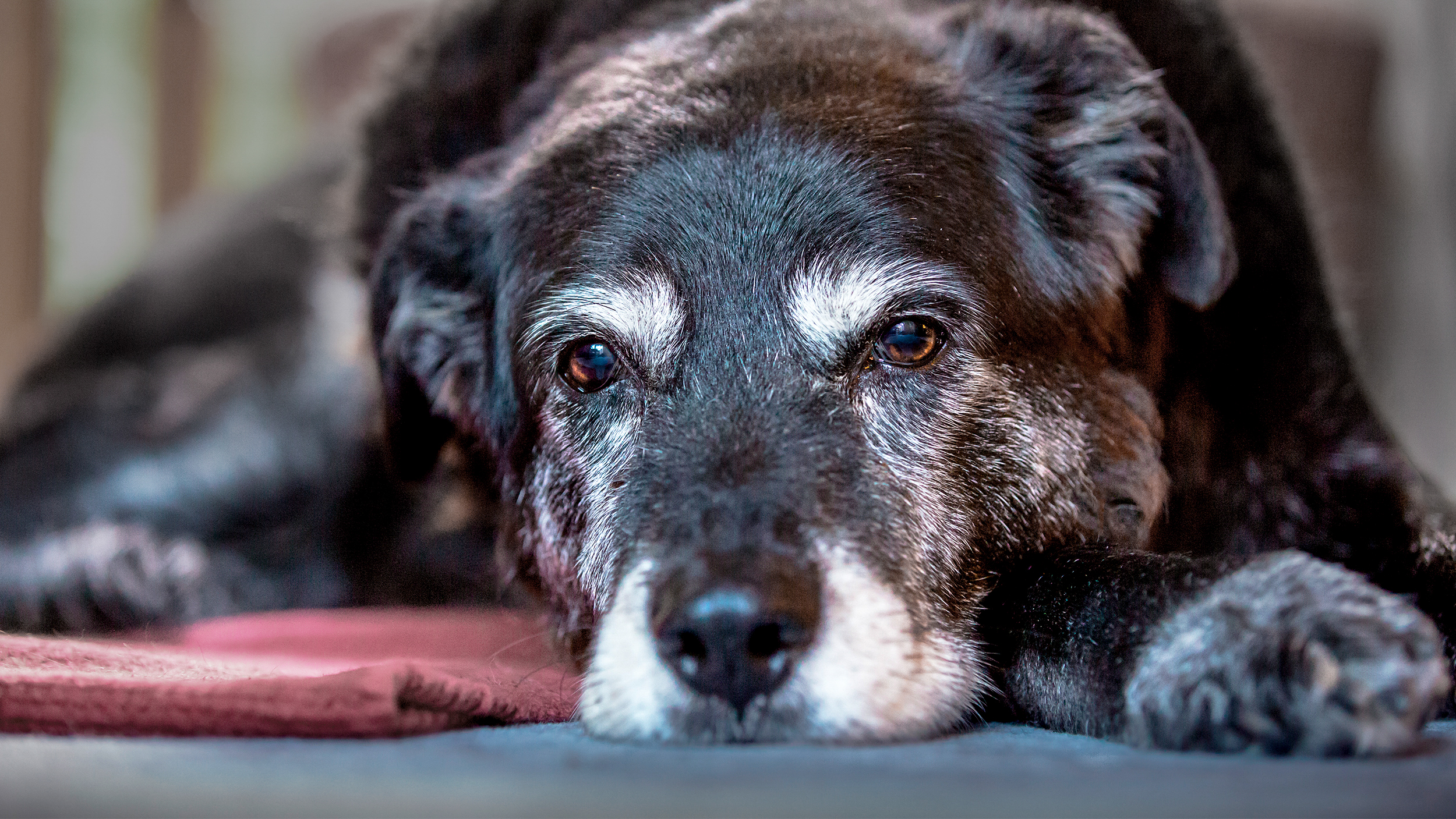
Some conditions can cause your dog to suffer significant pain or discomfort. If this is the case, your veterinarian will advise you on options to provide pain relief for older dogs.
Your veterinarian may also recommend adopting a quality-of-life scale for dogs to help you make decisions on your pet’s care.
These scales consider factors such as appetite, hygiene, mobility, social interaction, and play – or in some cases simply whether your dog is having more good days than bad, to help you make decisions around your dog’s end-of-life care.
When discussing caring for your senior dog with your vet, it’s important to talk about your goals and aims for treatment – for example, major surgery might not be what you want for your dog if you know it will cause them stress.
Ageing dog palliative care
Prioritising the quality of life of your pet means considering all your options, which may include palliative and hospice care toward the end of life for dogs. This is where your dog is given medical treatment that’s focused on making them comfortable instead of treating disease.
If you decide that your dog’s quality of life is rapidly declining and their discomfort is too great, with advice from your vet, you may wish to consider other options.
You and your dog are beloved and hugely important parts of each other’s lives. When it comes to their last years, it’s essential that quality of life is put first when taking care of an older dog.
Speak to your veterinarian about how to care for your ageing dog and discuss what your options are for prioritising their well-being.
Like & share this page