Our guide to medium-sized dogs
Medium-sized dogs hold a special place in the hearts of many prospective pet owners. Their versatile natures and ‘just right’ size make them popular with families and individuals. Medium breed dogs typically weigh between 11 and 24 kg (24 to 52 lbs). Of course, specific weight and height ranges may differ depending on the individual dog.
Whether you are a first-time dog owner or looking to grow your four-legged family, you might choose a medium-sized dog for many reasons.
Article
What are the different types of medium-sized dogs?
Calm
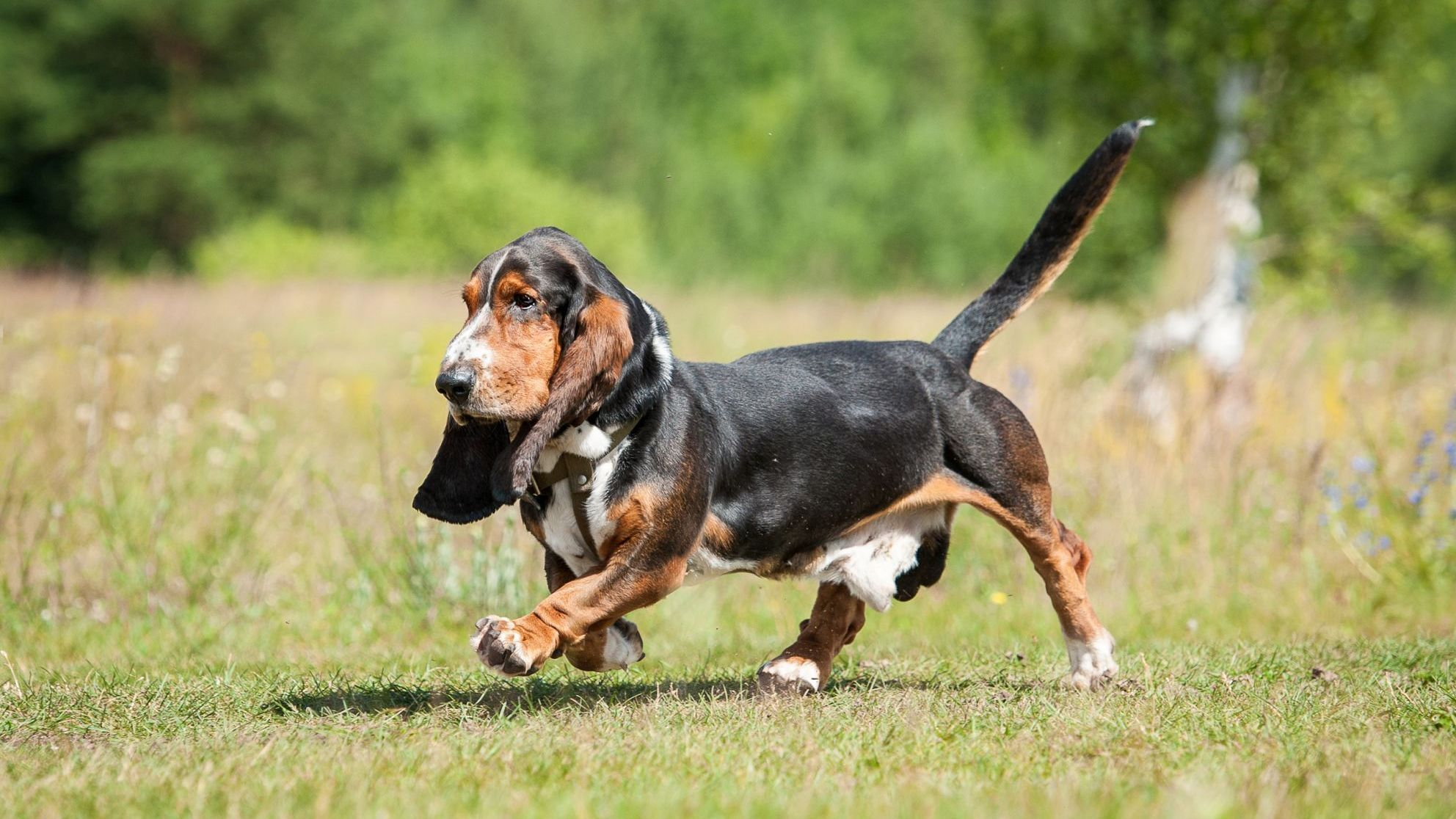
Calm medium-sized dog breeds love to just chill with their family and can include the Artesien Normand, or Basset, which can also be a large breed.

Sociable
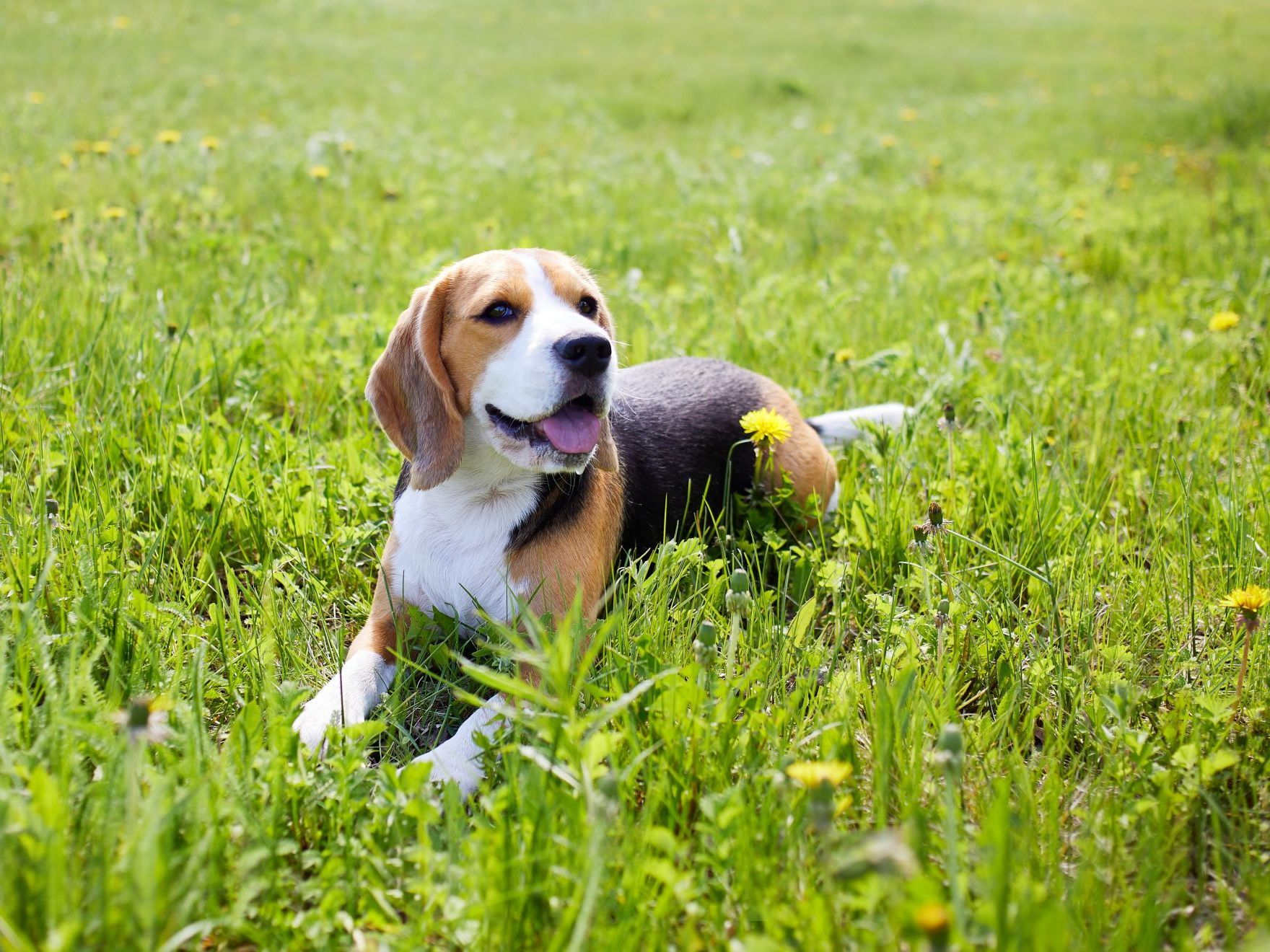
Sociable medium-sized dogs are renowned for their ability to socialise with humans and hounds and include breeds such as Beagles, which can also be a small dog.
Family-friendly
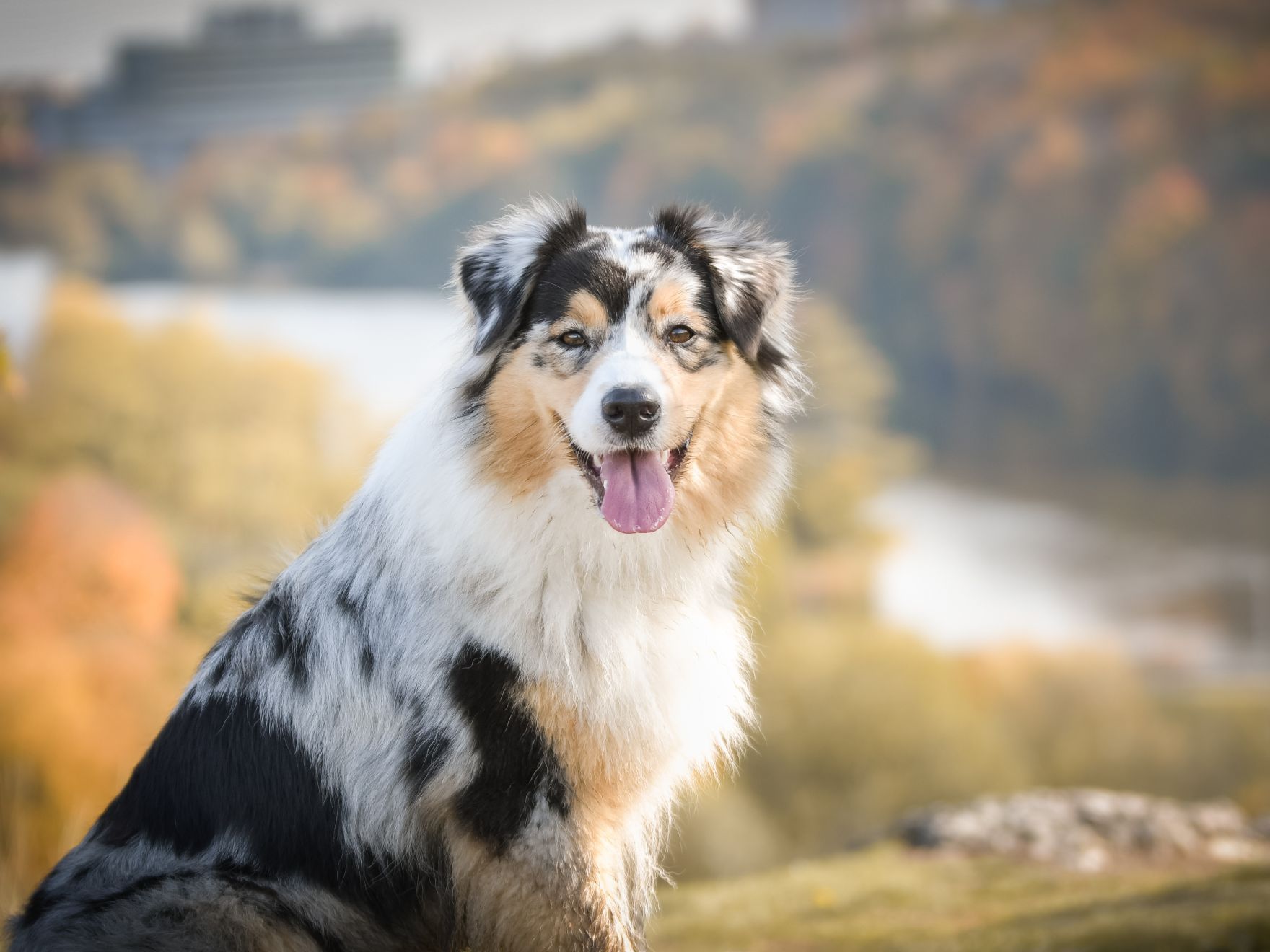
Family-friendly medium-sized dogs are affectionate and loyal dogs that love being part of the family, such as the English Setter or Australian Shepherd.

Sporting
Medium-sized sporting dogs are breeds that enjoy the outdoors, such as the Brittany Spaniel or the Vizsla, which can also be a large dog.

Non-shedding
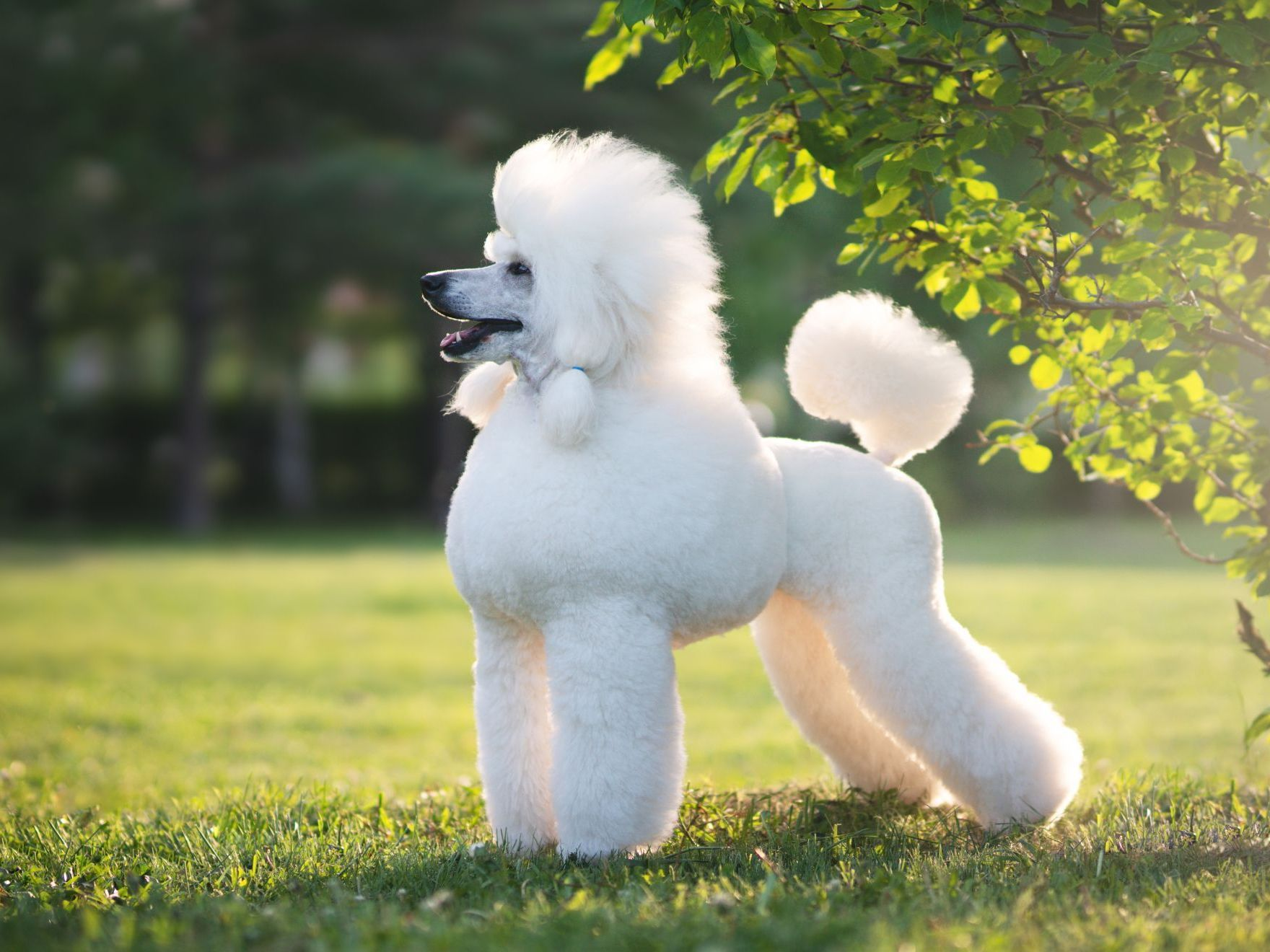
Medium non-shedding dogs are the best option for people with allergies and include breeds such as Poodles or the Portuguese Water Dog.
Why you might choose a medium-sized dog?
Versatility
Adaptable, medium dogs can thrive in smaller living spaces and homes with ample outdoor areas. They’re equally comfortable in urban and suburban environments.
Exercise needs
With more moderate exercise requirements, medium-sized dogs will likely enjoy daily walks, playtime, and interactive games. They’re potentially a great fit for active families looking for someone to get outside with.
Family-friendly
Medium-sized dogs are that middle ground size-wise, which means they’re able to fit into a range of different household or family structures. Remember, though, that children should never be left alone with a dog, and training is imperative.
Trainability
Intelligent and eager to please make medium-sized dogs relatively easy to train with positive reinforcement methods.

Health issues to look out for with medium-sized dogs?
Like all dogs, there are some specific health issues that medium-sized breeds can be prone to. Your veterinarian will be your puppy’s best ally (besides you, of course), helping you monitor your medium-sized dog's health with regular check-ups and preventive care. Your breeder should have also genetically tested your potential puppy's parents to screen for possible health concerns. You can help support your dog's health and help reduce the risk of developing certain health issues by providing a complete and balanced diet, regular exercise, and a safe and nurturing environment. All of this should help promote a long and healthy life for your dog.
Be aware of the following potential concerns:
Hip dysplasia
Some medium breeds, like the Corgi, may be susceptible to hip dysplasia. This condition affects the hip joints where the ball and socket don’t fit correctly and rub together. Regular exercise, maintaining a healthy weight, and joint supplements can help prevent or manage this condition.
Ear infections
Breeds with floppy ears—especially outdoorsy dogs—such as Cocker Spaniels can be prone to ear infections, so keep their ears clean and dry and monitor for any signs of a problem. Ensure you check your puppy's ears regularly for potential dirt or debris build-up and clean them regularly, thoroughly drying them to ensure no excess water remains. Let your veterinarian know at your regular check-up if you notice redness or if your pooch is constantly shaking their head or scratching a lot.
Obesity
Overfeeding and lack of exercise can lead to obesity in medium-sized dogs, which can cause other health issues and a shorter life span. Some breeds can be more prone to this excessive weight such as Labradors and Golden Retrievers which are considered medium and large dogs due to their size variations. Regular vet visits to help monitor their body score condition and ensuring regular exercise are essential to maintaining a healthy weight.
Allergies
Medium-sized dogs, like all dogs, can develop skin allergies or food intolerances, leading to itching, hair loss, and skin infections. Adapted food can help. Keeping your dog clean and free from possible allergens can also help prevent irritation. Chat with your veterinarian if you suspect your dog has an allergy.
Heart conditions
Some medium-sized dog breeds, like Cocker Spaniels, may be predisposed to dilated cardiomyopathy (DCM). DCM is a condition that can decrease the heart's ability to pump blood through the vascular system. Regular heart check-ups can aid in early detection and management.
Dental issues
Periodontal disease is common in dogs, and medium-sized breeds may be prone to dental problems without regular dental care, including regular brushing and veterinarian visits to check on your dog's teeth.
No matter which medium-sized dog you choose, you can help support their health by working closely with your veterinarian to help provide the best possible outcomes for your pup.

What physical features might you find in medium-sized dogs?
Appearance often comes into play when choosing a new companion. Medium-sized breeds come with a variety of aesthetic options. Some of the factors you may consider when it comes to the look of your medium-sized dog include:
Medium-sized breed dogs come in various colours and coat patterns. The colours can range from solid to multi-coloured, and some breeds have specific coat patterns that make them visually striking. Here are some common colours found in medium-sized breed dogs:
- White: Medium-size dogs like the Samoyed and American Eskimo Dog
- Brown: Medium-size breeds like the Cocker Spaniel, Chesapeake Bay Retriever, and Standard Poodle
- Black: Medium-sized breeds, such as the American Cocker Spaniel, Australian Kelpie, and Border Collie
- Red: Breeds like the Australian Shepherd and Irish Setter
- Grey: Medium-sized dogs like the Wirehaired Slovakian Pointer, which can also be large dogs, and Schnauzer
Popular medium-sized dog breeds
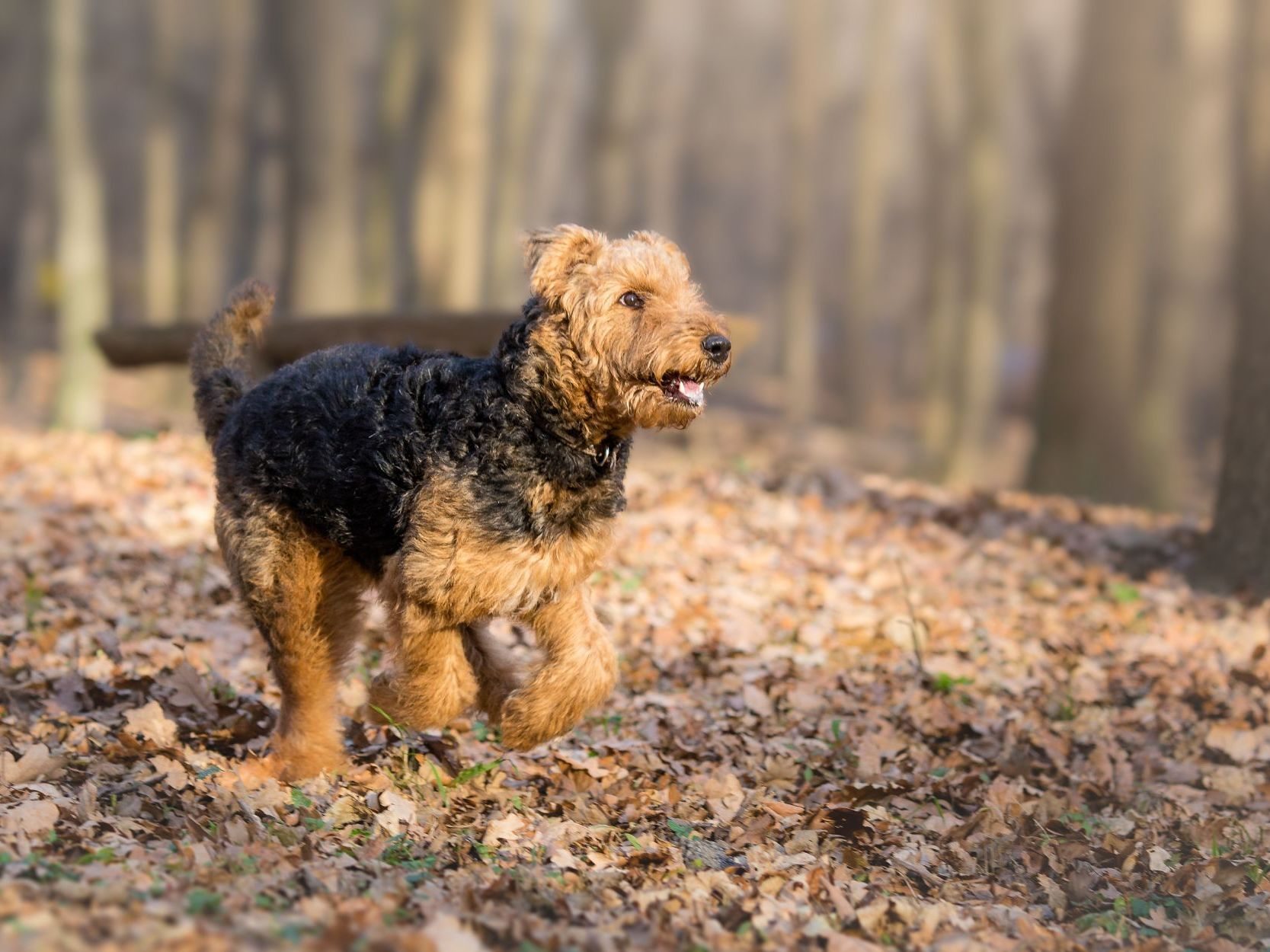
Airedale Terrier
Their intelligence, energy, and affectionate nature can make them perfect companions for active families who understand their lively spirit, and they can also be large dogs.
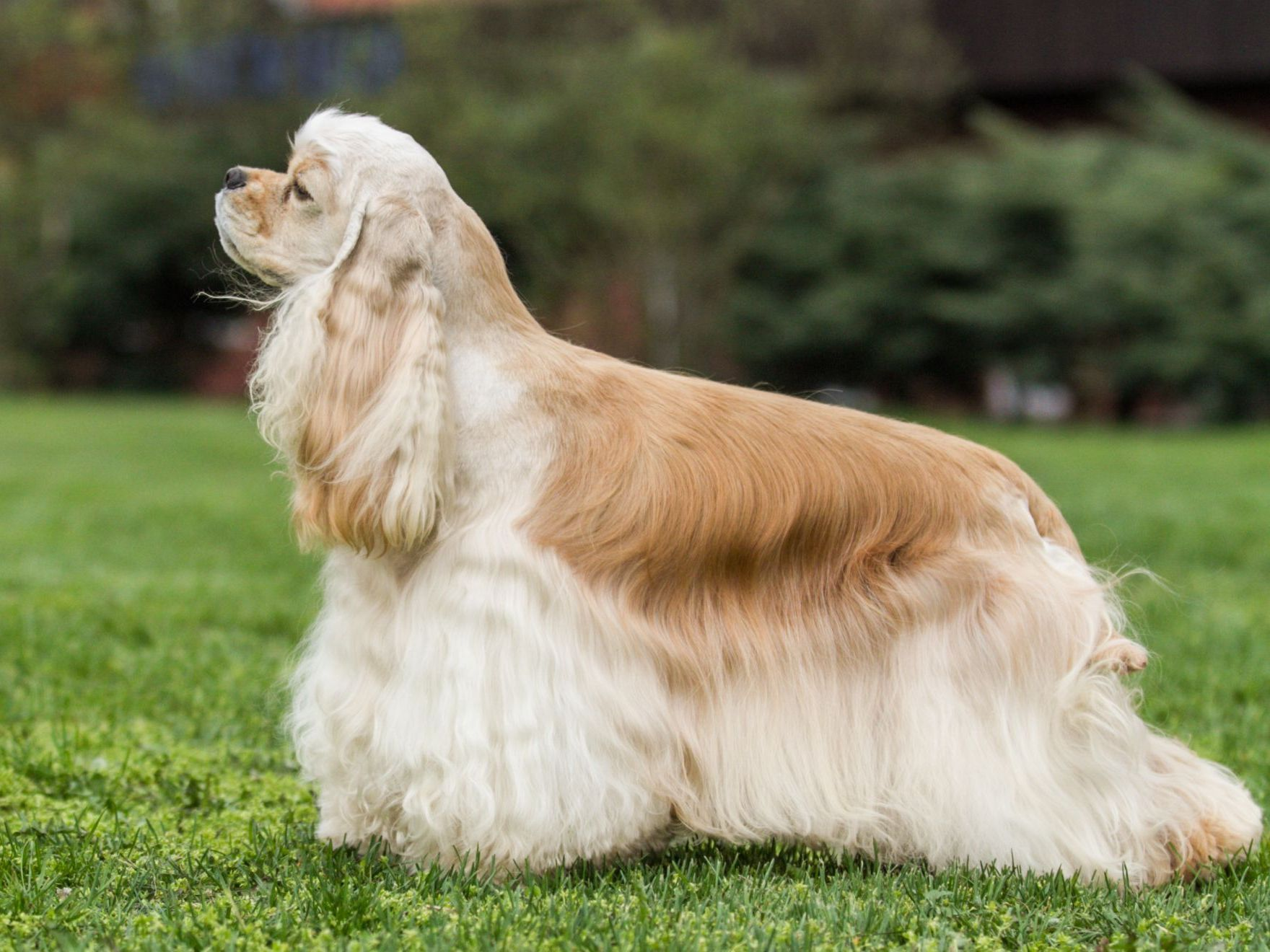
American Cocker Spaniel
With their affectionate nature and plush long ears, Cocker Spaniels make wonderful family companions.
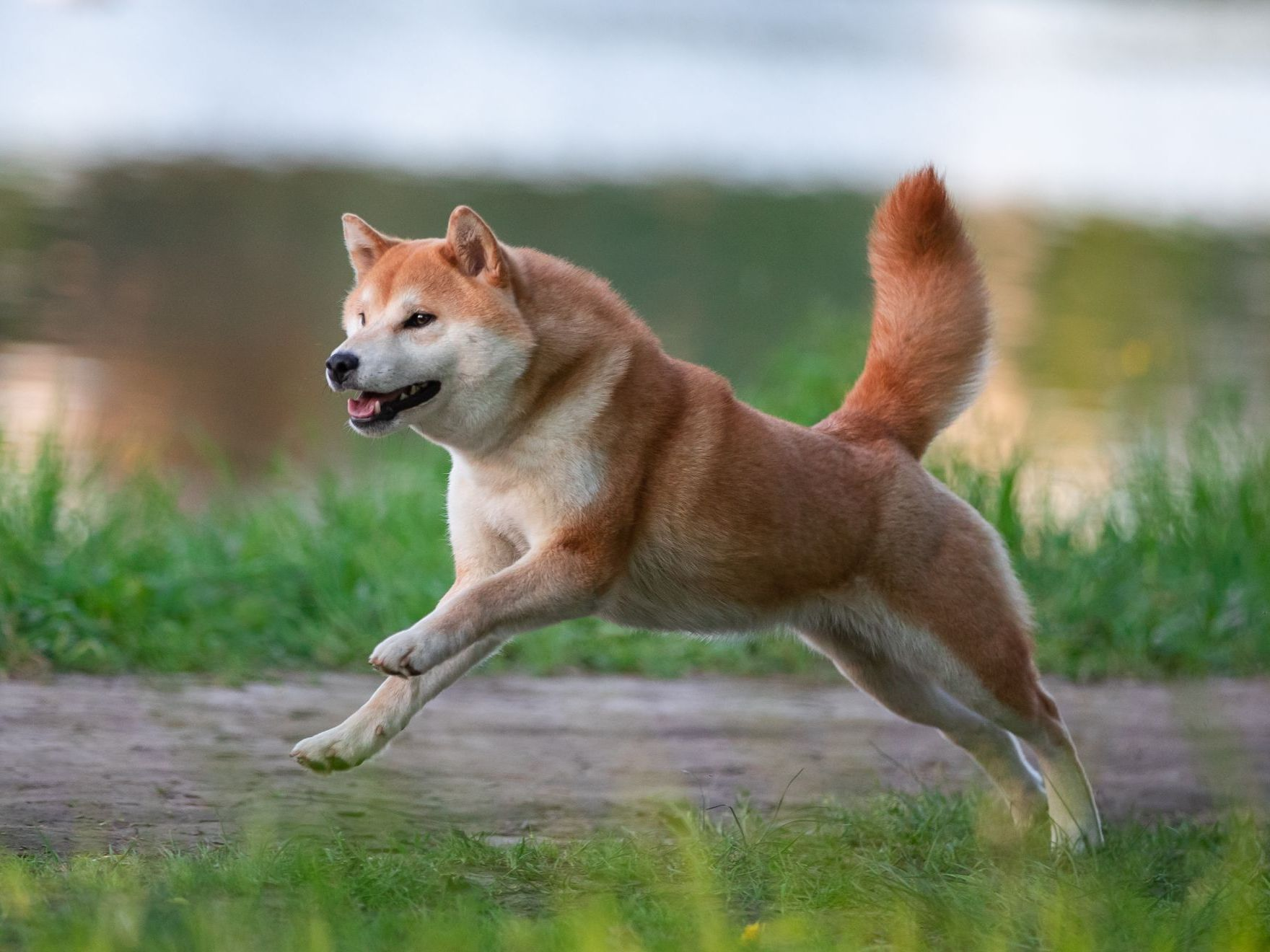
Shiba Inu
Native to Japan, they’re known as clever, independent and quick on their feet. But their fox-like and fluffy appearance can make them a favourite amongst dog lovers.
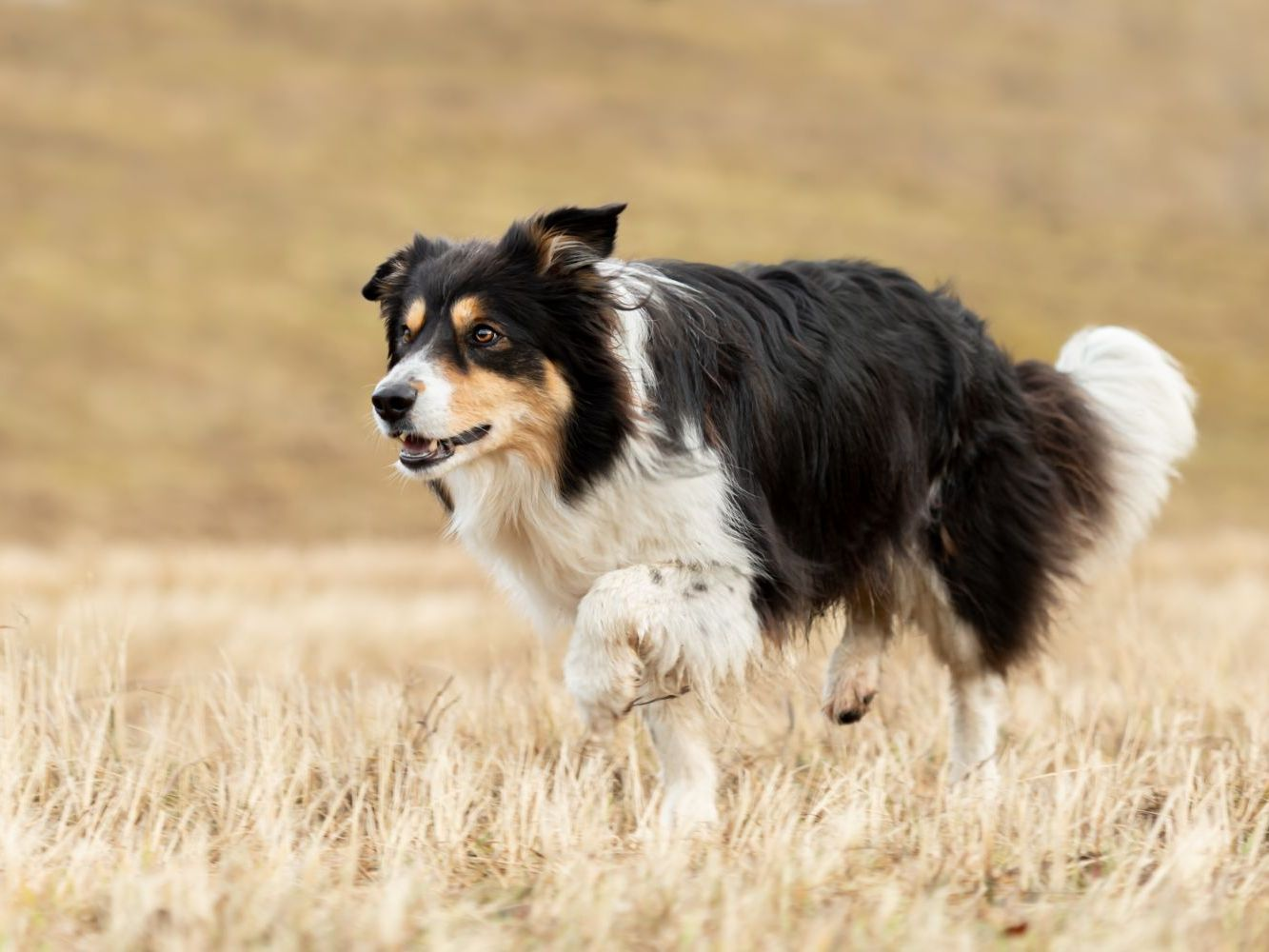
Border Collie
Highly intelligent and energetic, Border Collies are excellent herders and adapt well to active households.
Australian Shepherd
Known for their stunning coat colours and intelligence, Australian Shepherds excel in various dog sports and activities.
Related Articles

Like & share this page