Our guide to large-sized (and extra-large) dogs
When it comes to large dog breeds or extra-large dogs, their size can often give people preconceived ideas. Having said that, most large dog breeds have sweet, gentle temperaments, which makes them a popular choice for dog lovers. Typically you’ll find maxi or large dogs weighing between 26 and 44 kg (57 to 97 lbs), and extra-large or giant dogs weighing 45 kg (99 lbs) or more. Large and giant dogs are known for their strength, stamina and protective instincts. However, contrary to their reputations and often overbearing size, not all large dogs make good guard dogs. Each breed has unique qualities; some make the perfect guard dog while others work better as snuggle buddies.
If you’re considering getting a large or giant dog breed, you’ll want to understand the unique characteristics of larger dogs and the health considerations you need to keep in mind. You’ll also want to look at how you can look beyond the stereotypes of owning a large dog to find the right breed for you. And as always, remember that each dog is different and should be judged based on their own uniqueness.
Article
What are the different types of large dogs?
Calm large dog breeds
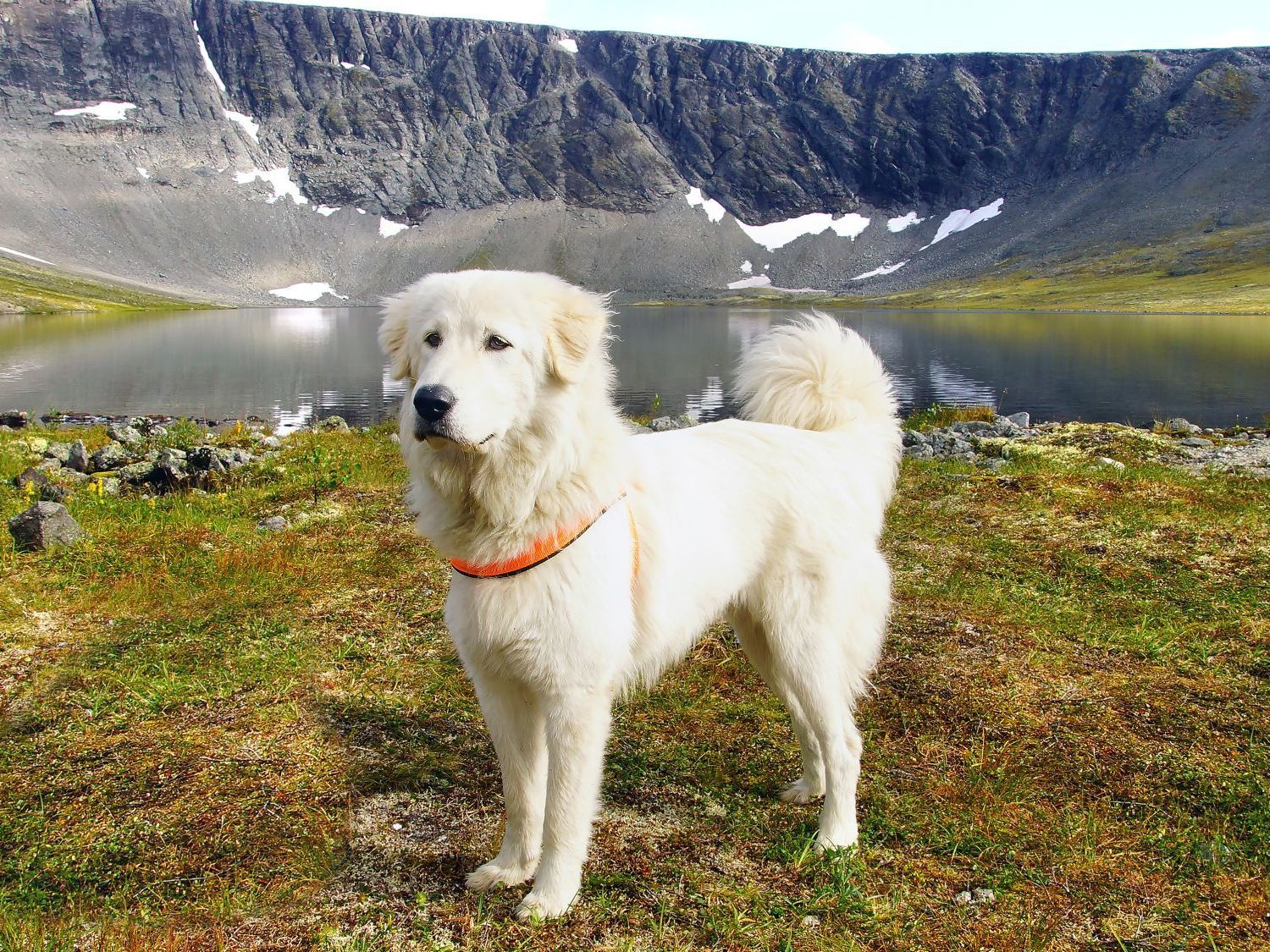
The calmest large dog breeds include breeds such as the Pyrenean Mountain Dog, known to be patient companions for families once trained, or the Newfoundland, with their reputation as one of the ‘gentle giants’ of the dog world. Both Pyrenean Mountain Dogs and Newfoundlands can be extra large or giant dog breeds depending on the size of the individual dog.
Family dogs
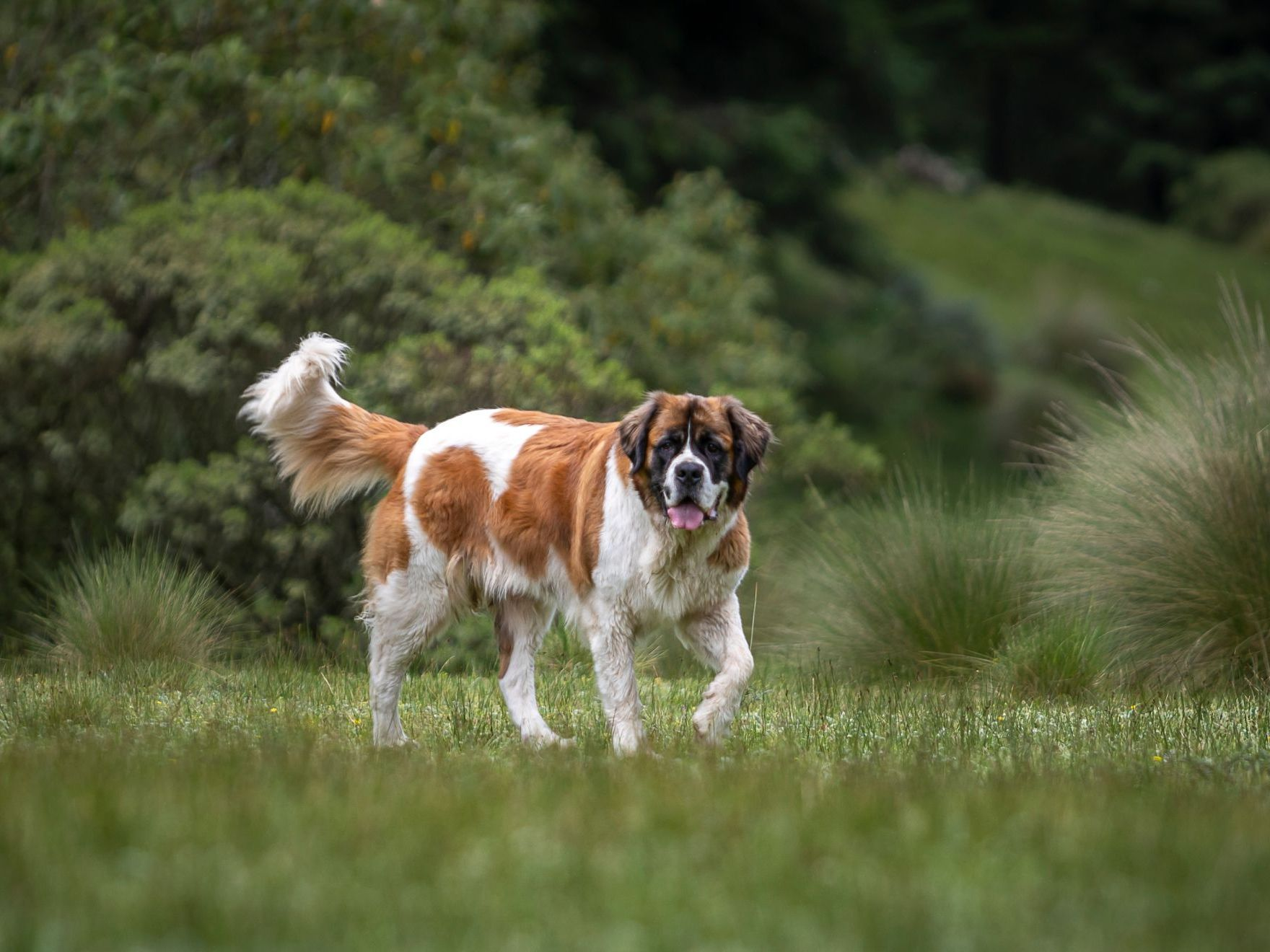
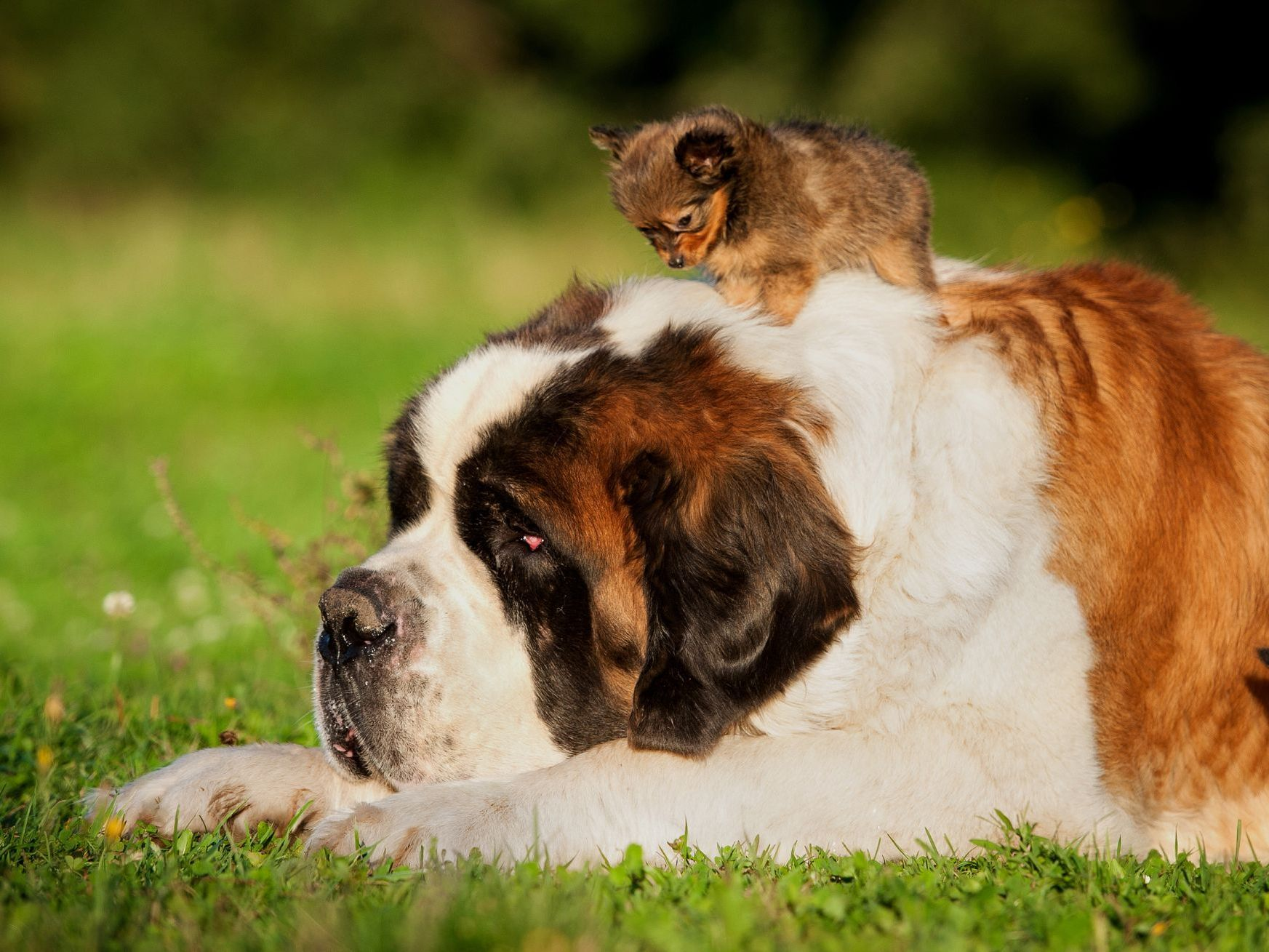
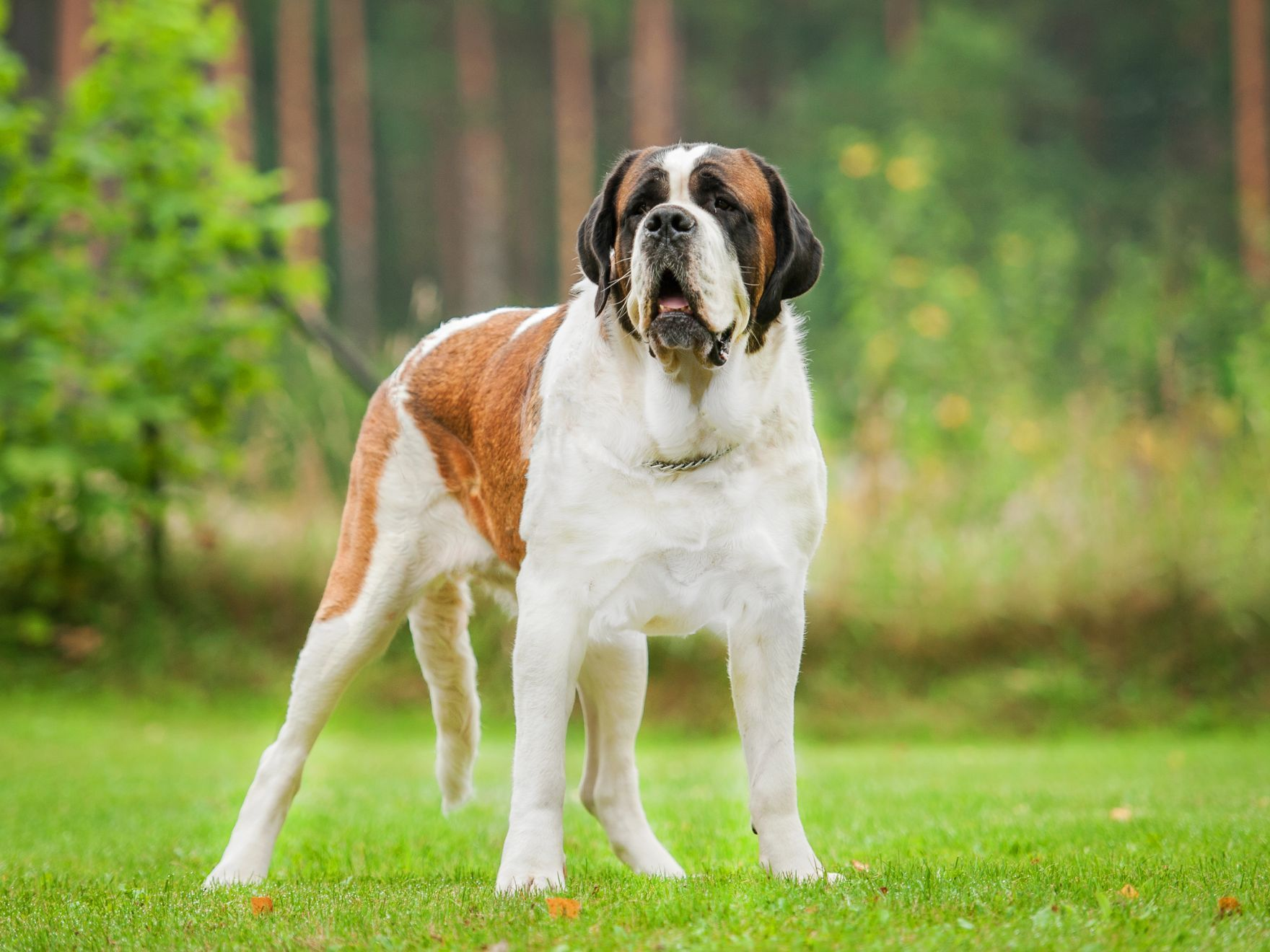
If you’re looking for a big dog breed that’s great for families with children, you could look into getting a Saint Bernard, known for being affectionate, open and alert, helping keep the family safe with deep, resonant barks. Of course, you should never leave any dog alone with small children.
Working dogs
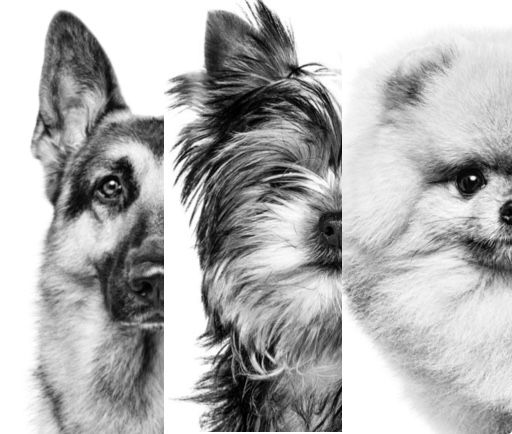
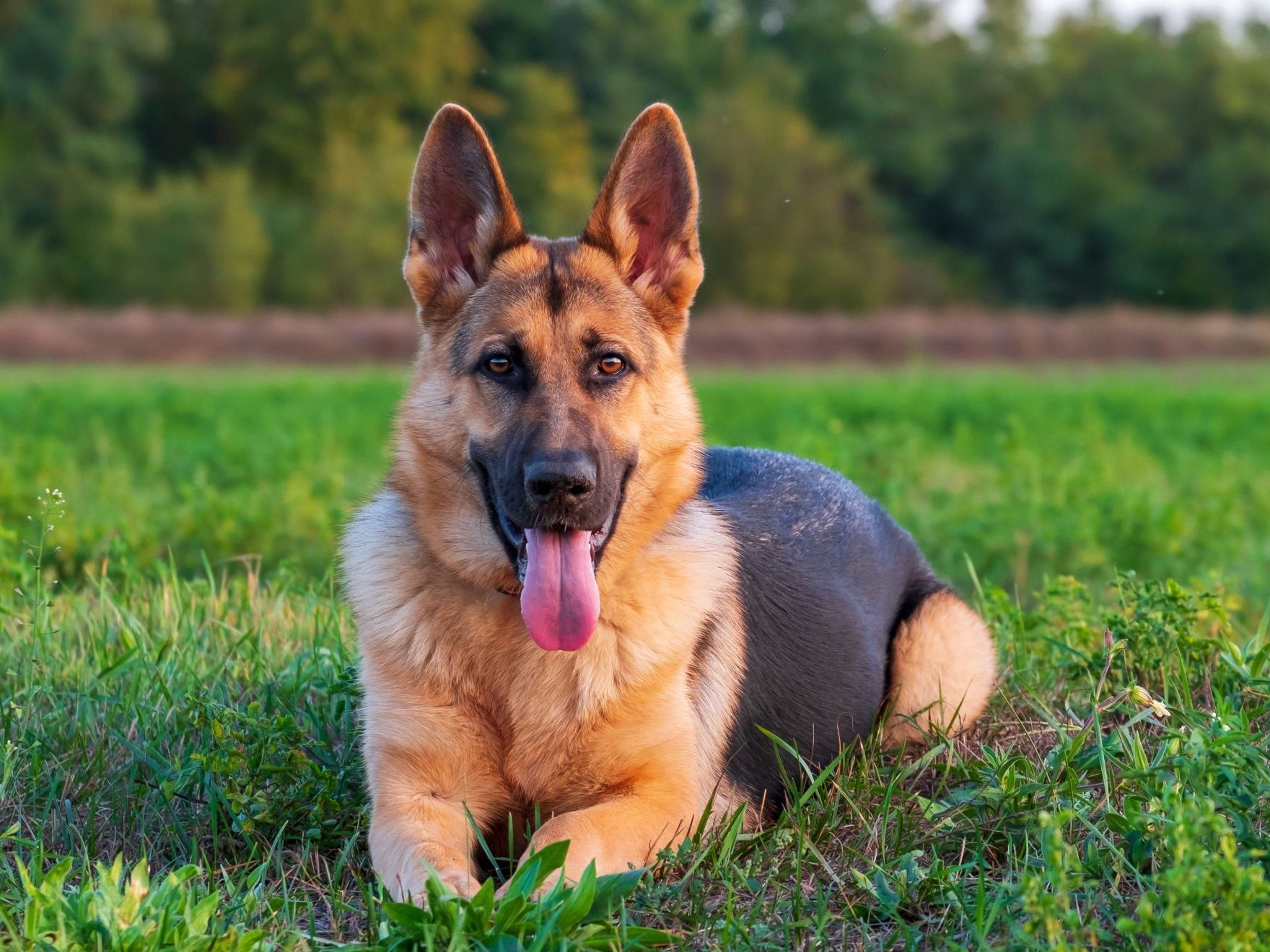
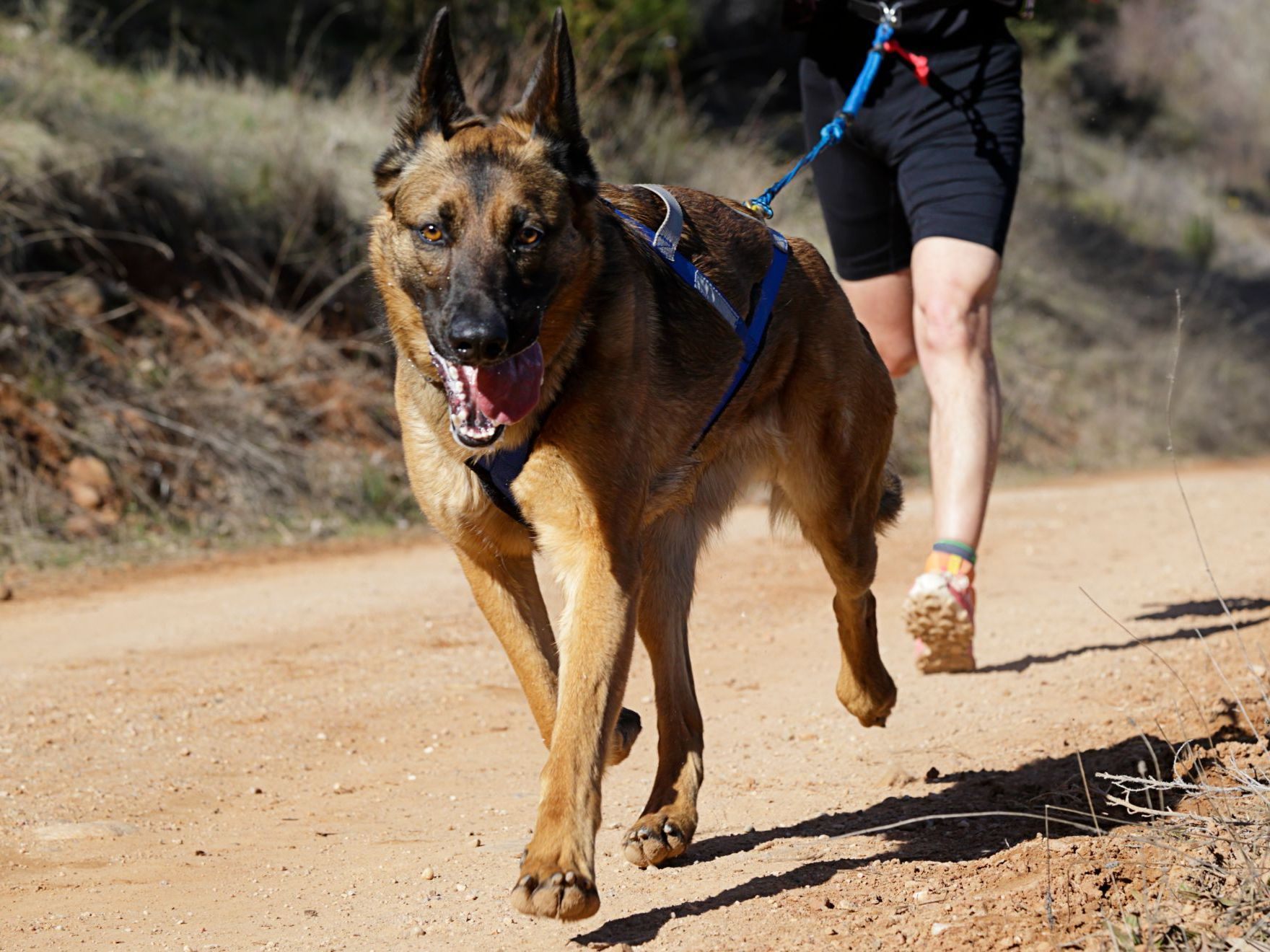
Working dogs are a common type of large dog breed, including breeds such as a German Shepherd that are intelligent and even-keeled.
Hounds
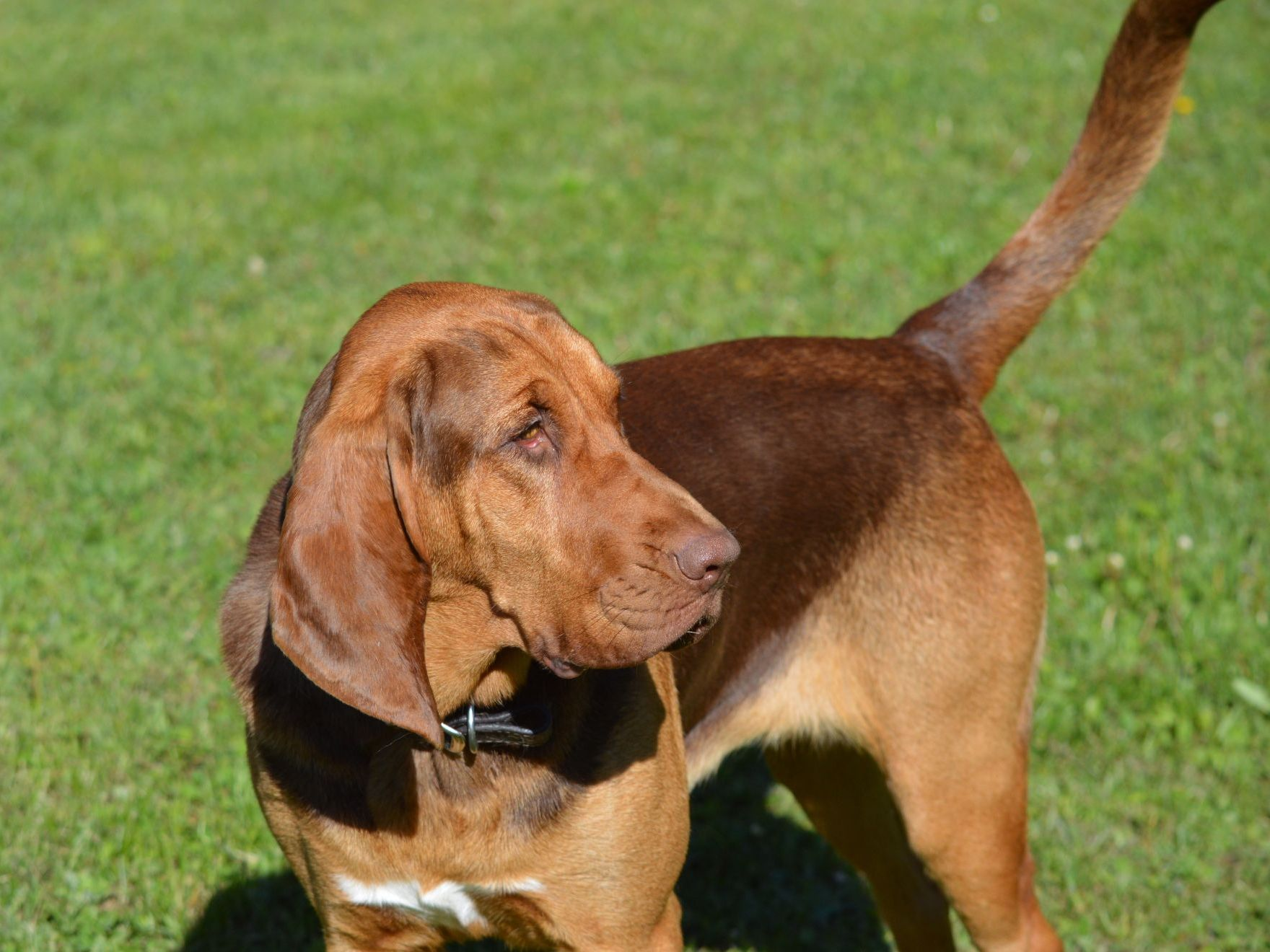
Hounds and scent hounds are common amongst large dog breeds, including the Bloodhound or Bassett Hound which can be both a medium and large breed, and are known for their strong tracking abilities due to a keen sense of smell.
Guardians
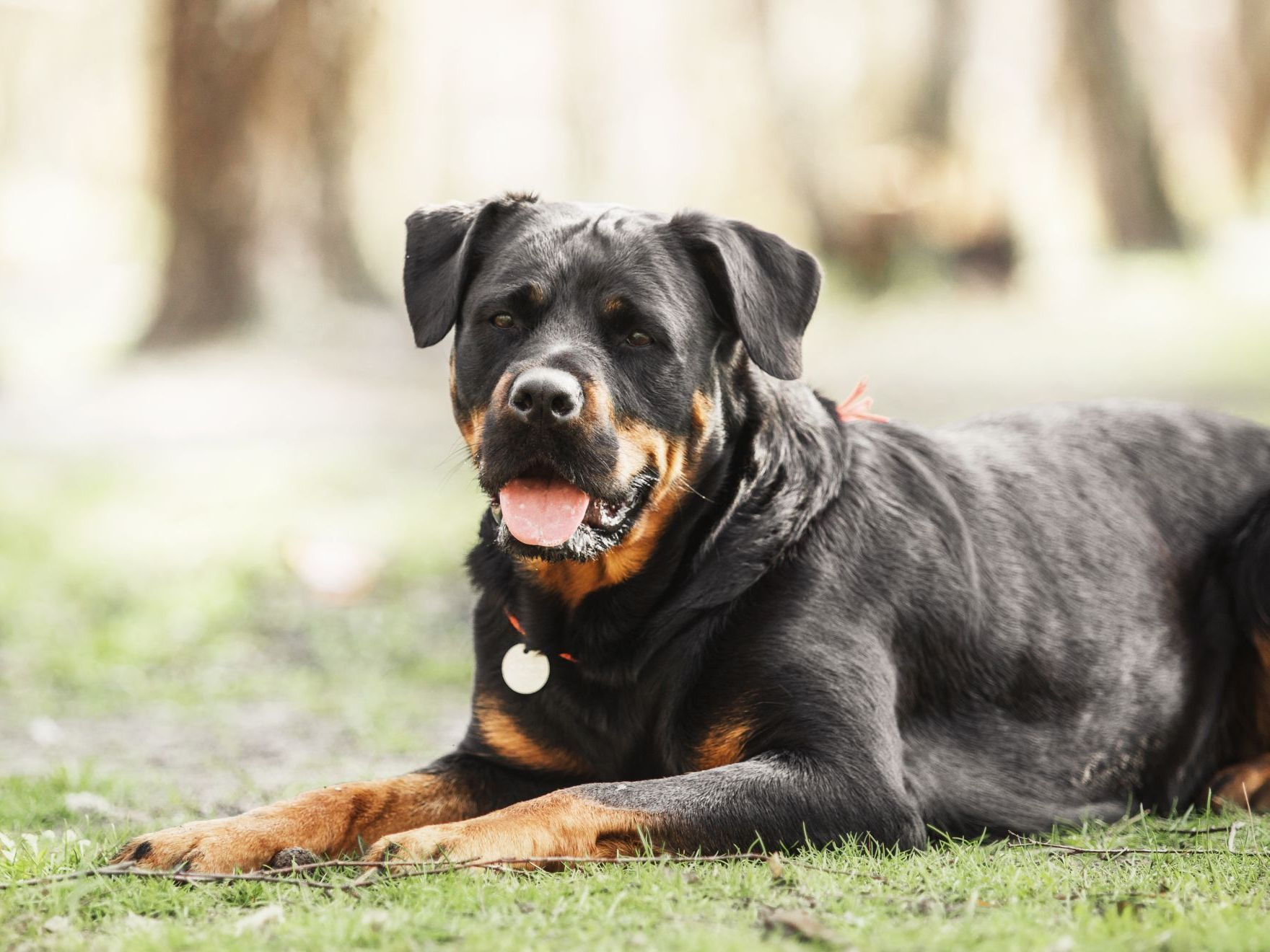
Guardian dog breeds such as the Rottweiler are strong and protective, meaning they’ll watch you closely.
Non-shedding
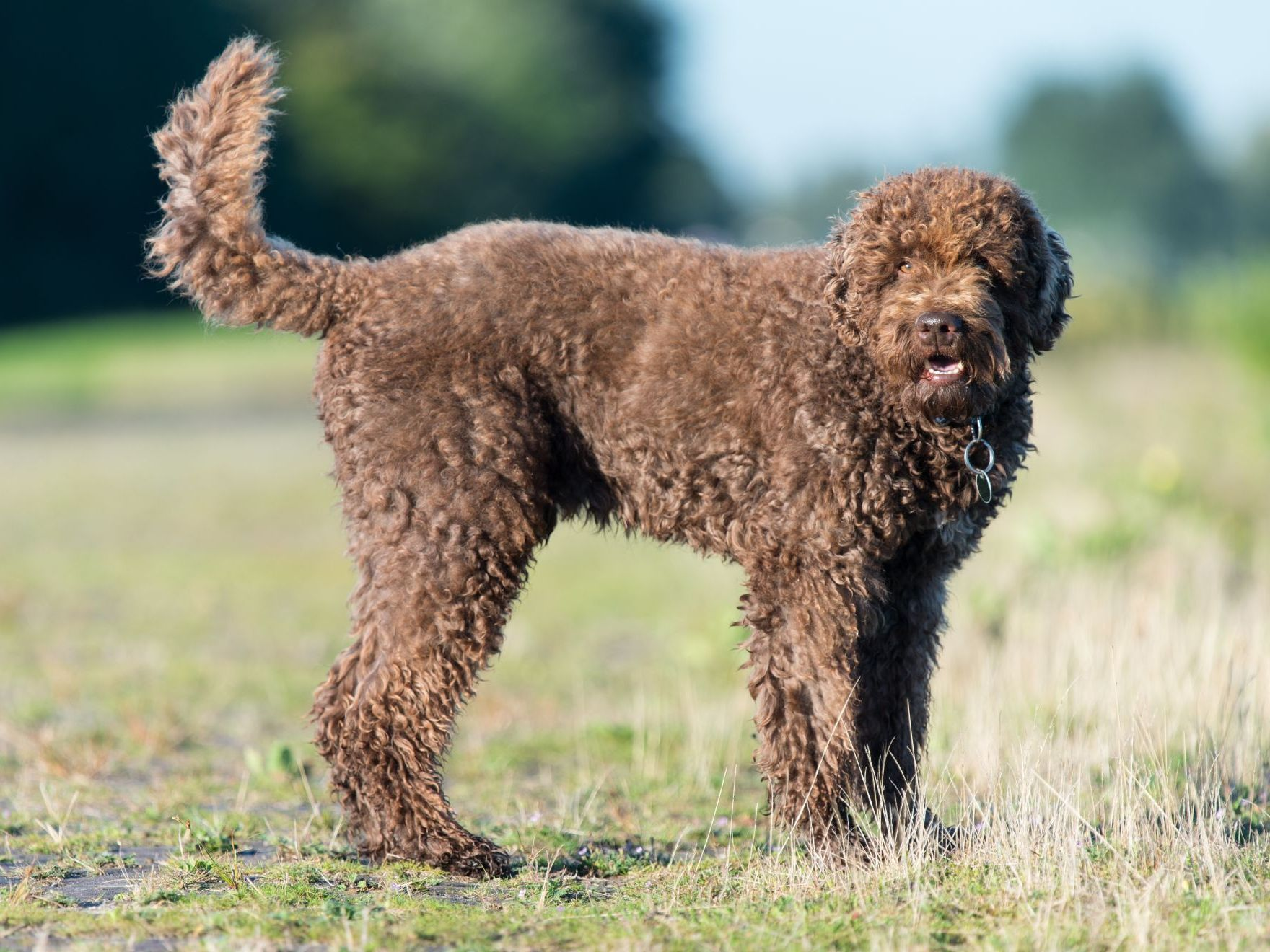
Big dogs that don’t shed include breeds such as the Airedale Terrier and Barbet, both are breeds that can come in multiple sizes from medium to large to maxi, and require a lot of grooming but won’t shed as much as others.
Giants
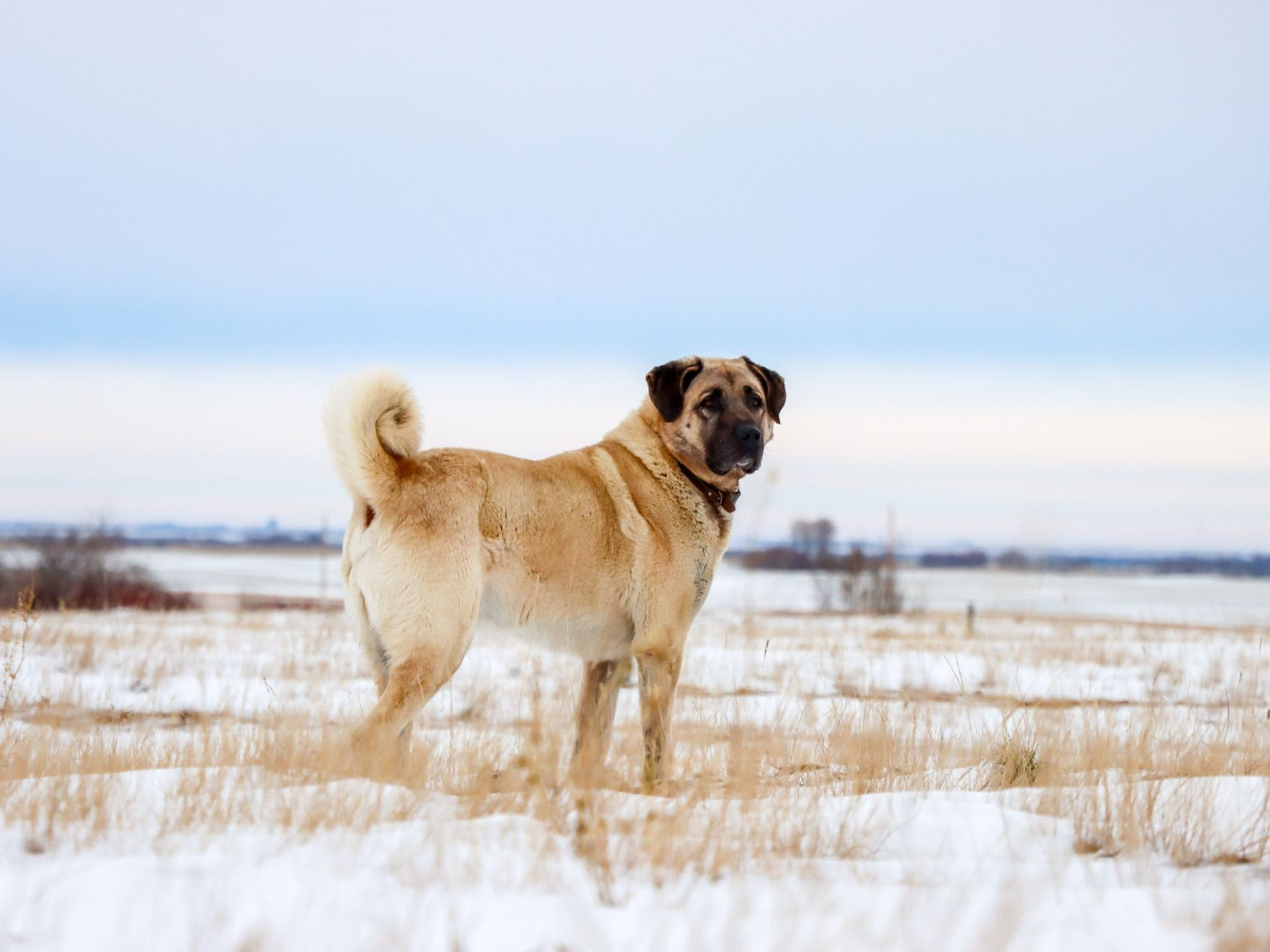
If large isn’t big enough you could consider one of the giant dog breeds such as the Kangal Shepherd Dog.
Overcoming the stereotypes of large breed dogs
Stereotyping of large dogs happens often. It comes from misconceptions perpetuated in media and people's limited experiences with said bigger breeds. In reality, each dog is unique and, as with any puppy, while genetics and breed play a part, training and environment influence behaviour enormously. You just need to remember that no matter the dog's size, you should always approach and treat them respectfully and with kindness.
Some common stereotypes associated with large and extra-large dog breeds include:
Aggression
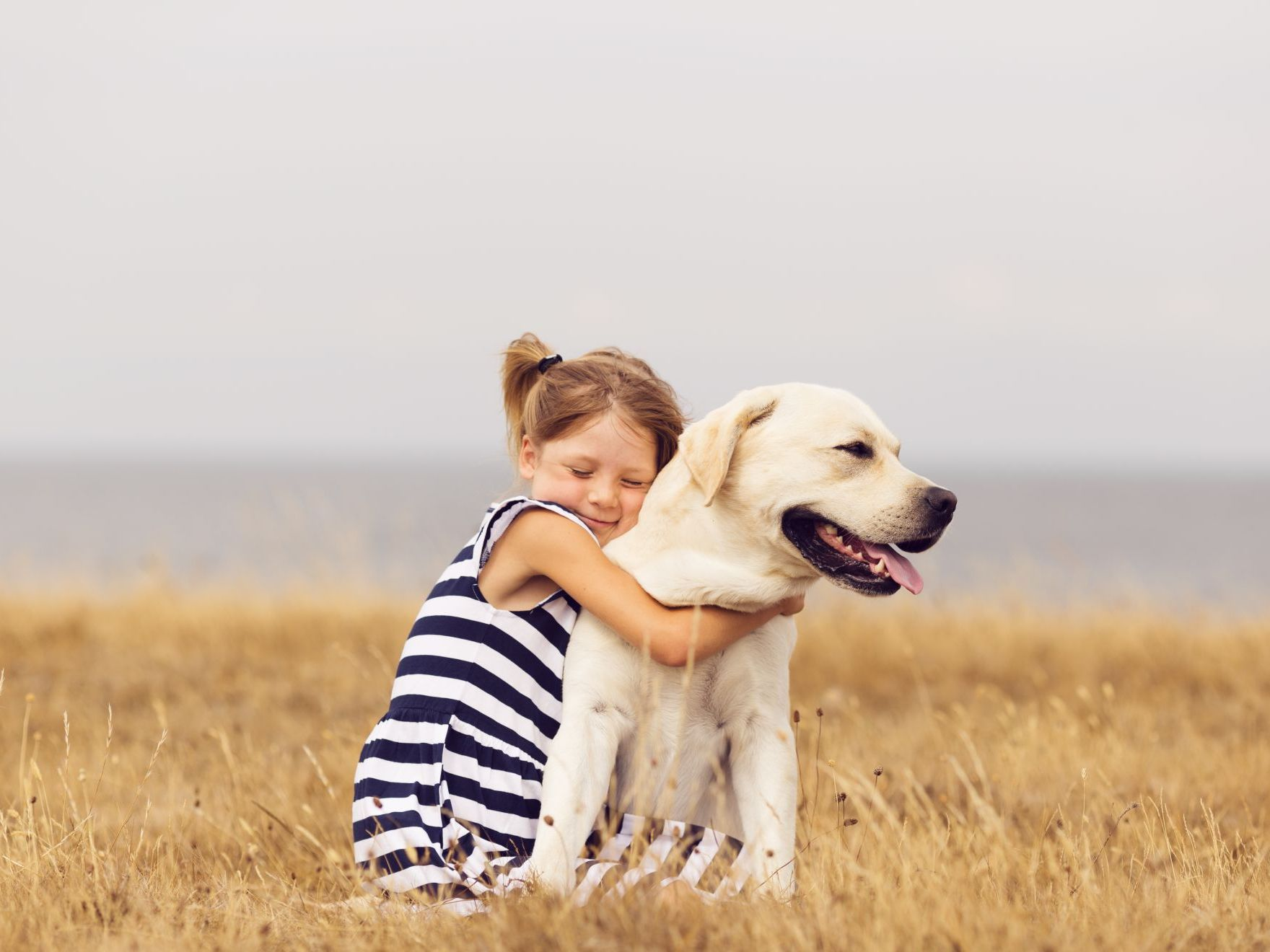
One of the most prevalent stereotypes is that big dogs are aggressive or dangerous. While certain breeds may have protective instincts, aggression is not inherent solely based on size. Proper training, socialisation, and responsible ownership play crucial roles in a dog's behaviour, as do how people approach and interact with dogs.
Difficult to handle
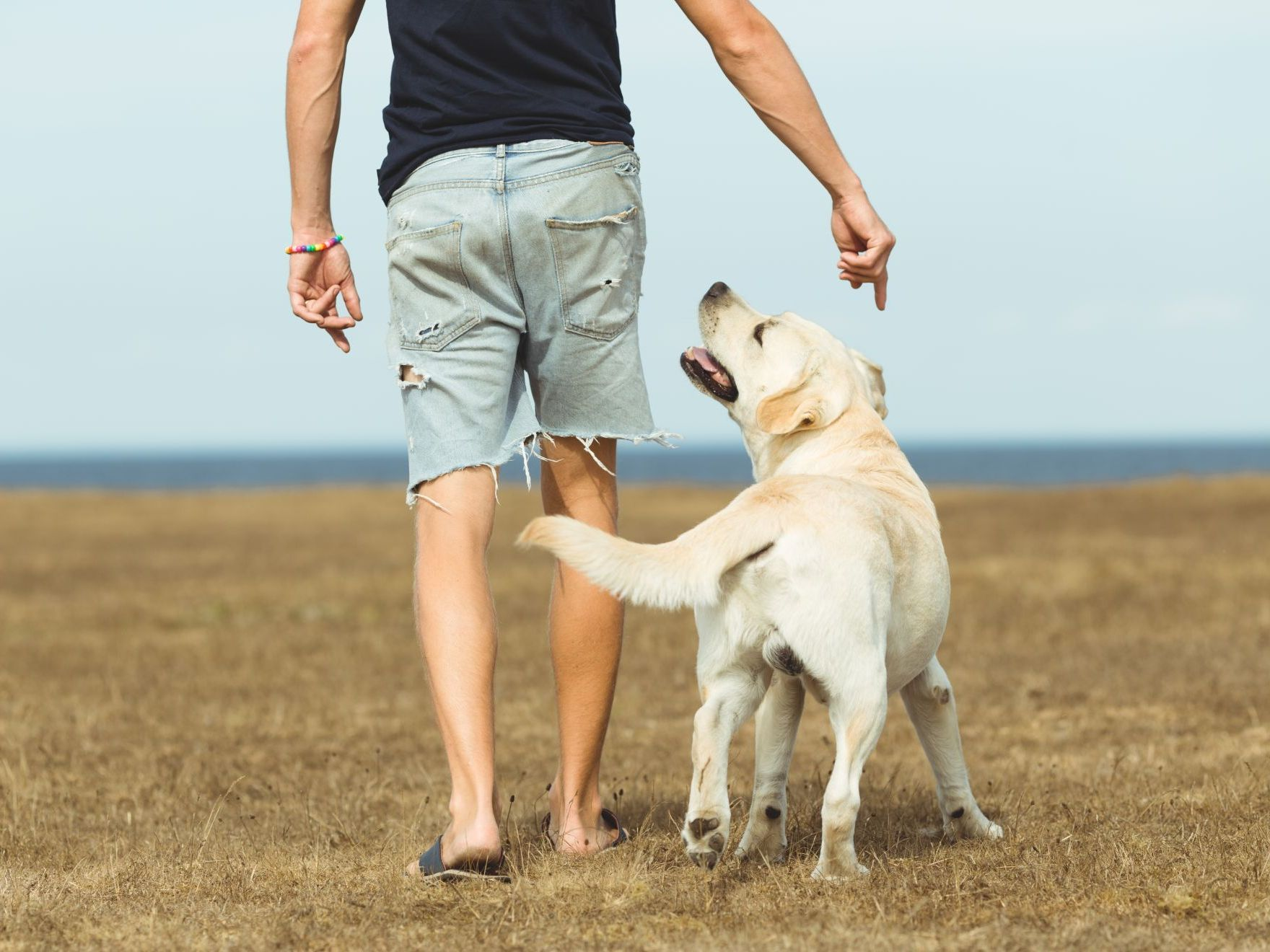
Large dogs are often thought to be challenging to handle due to their size and strength. While it's definitely true that some larger dogs may require more physical strength to manage, you can have a well-behaved dog who is easy to handle with proper training and consistent guidance.
High energy
Large dogs are often considered high-energy and demanding of constant exercise. While some breeds are indeed active and require regular physical activity, others may have calmer dispositions and thrive with a more related lifestyle.
Unsuitability for families
The most important part of integrating any dog into a family with kids is to ensure you properly train and socialise the dog while teaching children how to interact with their canine family members with respect. You should never leave any child alone with a dog without adult supervision, no matter the size or training. Plenty of large dogs that are gentle and patient would make a great addition to any family once trained.
Shorter lifespan
This stereotype is, unfortunately, true for larger breed dogs. Due to their size, they age faster, and this means they don’t live as long as smaller breeds. However, each dog is different, and if you maintain your dog’s health and well-being, you may be able to help improve their lifespan.
Ever wondered what the largest dog breed in the world is?
From the tallest to the heaviest, let's explore the most majestic of our four-legged friends according to the American Kennel Club.
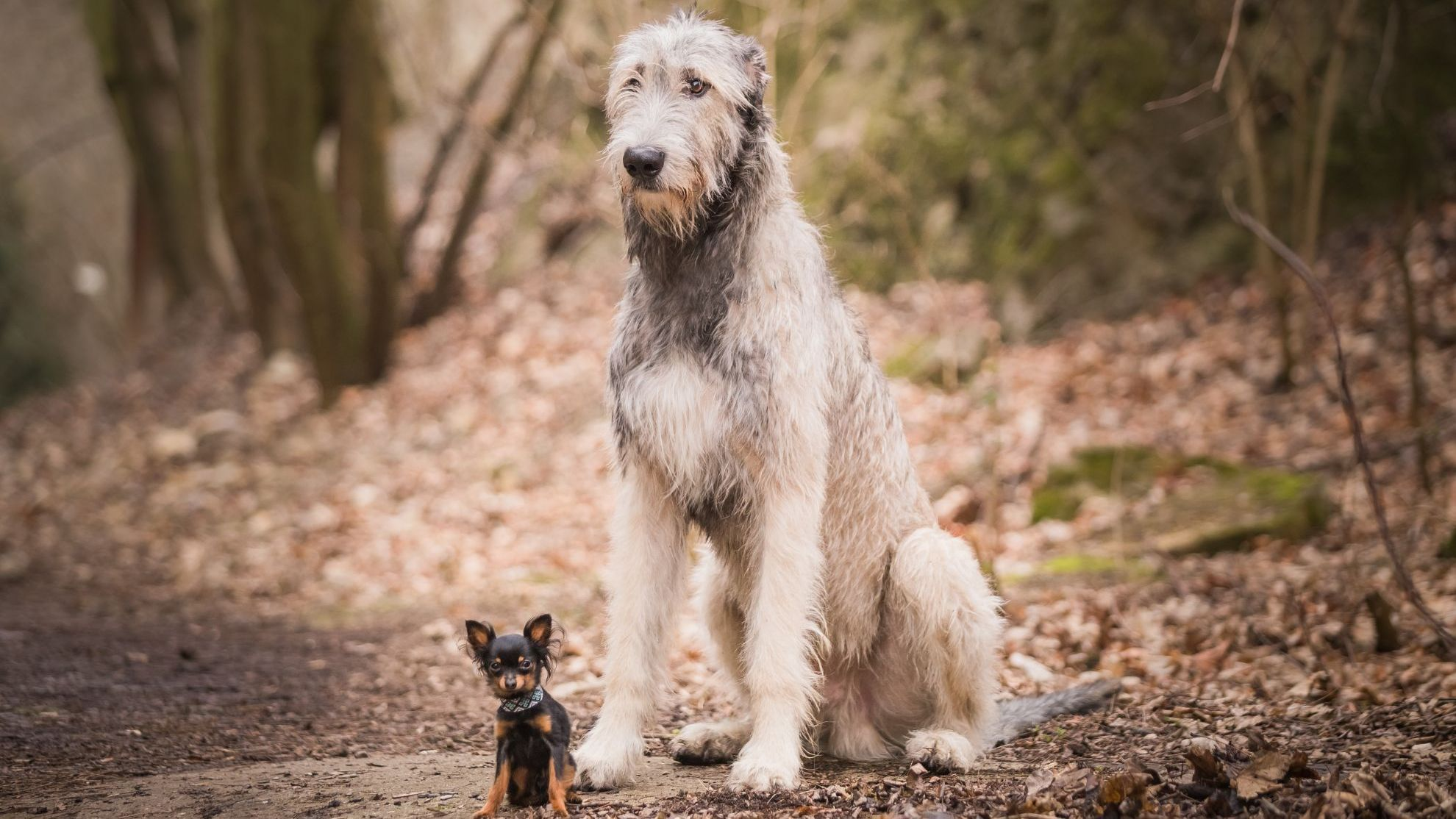
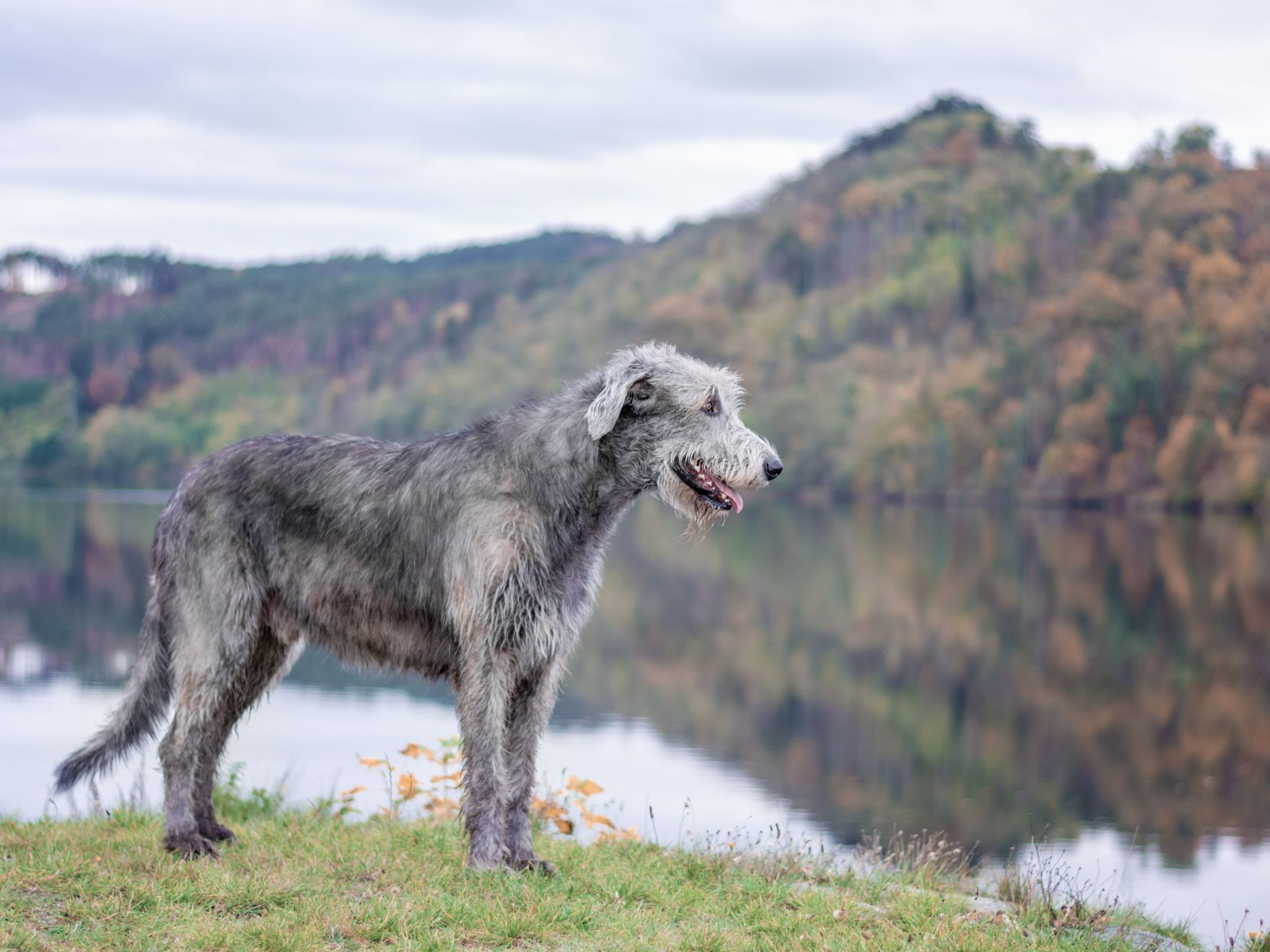
Largest dog breed in the world: The Irish Wolfhound
- The Irish Wolfhound holds the title of the largest dog breed in the world based on height
- Known as a gentle giant, they stand tall, with males reaching heights of up to 81 cm (32 inches) at the shoulder
- Irish Wolfhounds have a long history, having been around since Ancient Rome, but don’t make the best guard dogs as they’re not suspicious of strangers
Extra-large dog breeds: Saint Bernard and Great Dane
- Among the extra-large breeds are the Saint Bernard and the Great Dane, who are massive and affectionate companions
- Male Saint Bernards can reach heights of up to 76 cm (30 inches) or more at the shoulder
- Male Great Danes can reach a height of 81 cm (31 inches)
Largest dog breed by weight: Boerboels
- The Boerboel is the largest dog breed by weight for both males and females
- Both male and female Boerboels can weigh between 68 to 90 kg (150-200 lbs) or even more
- Boerboels are known to be fierce protectors of their homes and families that are also very trainable
Why would you choose a large dog?
There are various reasons you’d choose to bring a big size dog into your home. There are some key factors that you might want to consider before doing so, including:
Space
Although it’s believed that large dogs will need large areas, you can find that some, such as Presa Canario, don’t mind lounging around an apartment all day as long as they get a good walk in. Other large dog breeds, like Wirehaired Slovakian Pointers, will require outdoor space. This breed can also be medium-sized dogs.
Guardian instincts
If you’re looking at which big dogs breeds are suitable for families, it may be because you’re hoping they may become protective guardians. This is a common trait for some large breeds, such as Dobermans, that can also be medium-sized, depending on the dog. However, there are many exceptions as some large dogs are simply big softies, like the Irish Wolfhound.
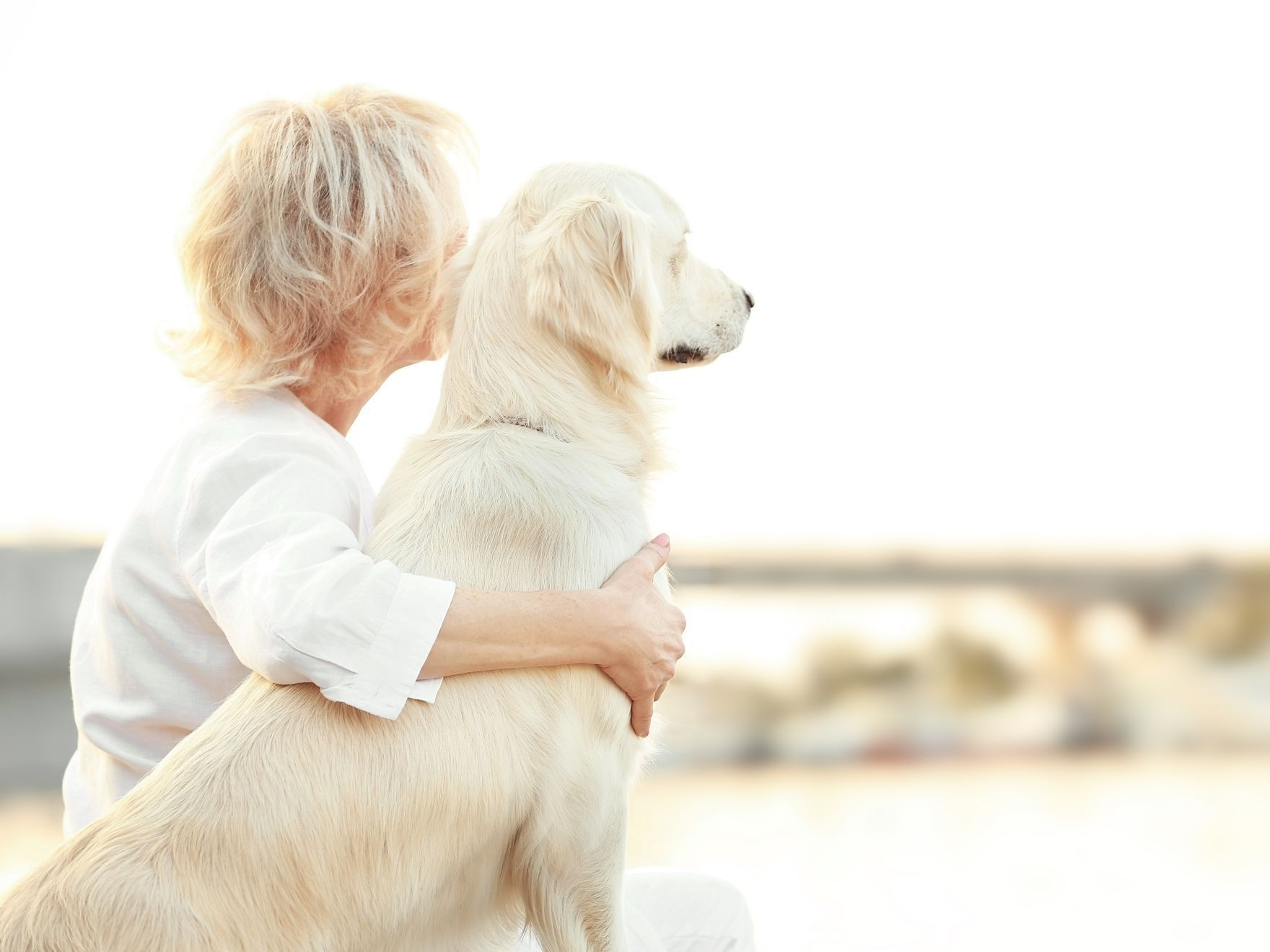
Intelligence
Many large dogs are highly intelligent and trainable, meaning they often have skills such as herding and tracking that make them great working dogs while also thriving as part of the family.
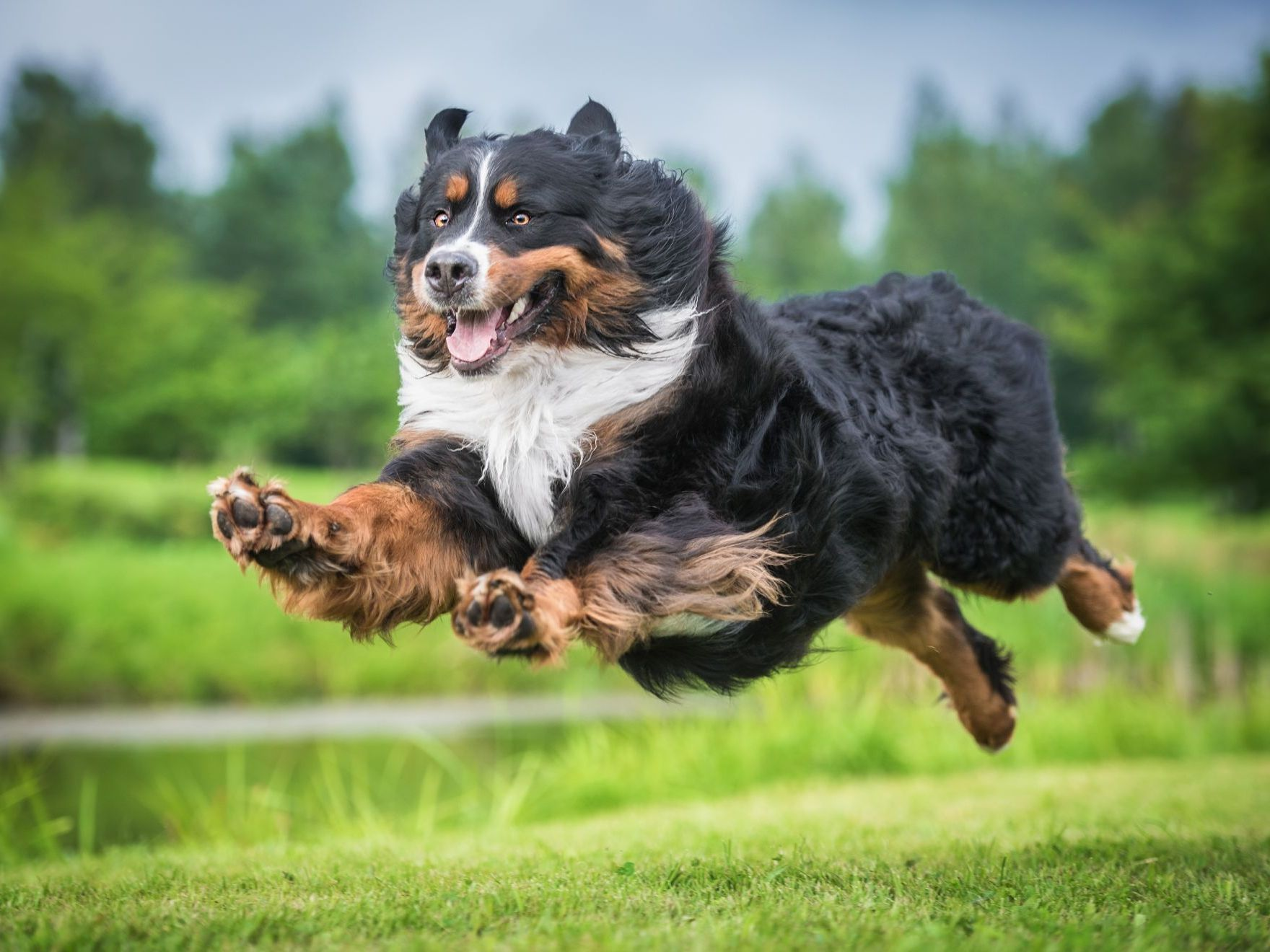
Playful personalities
Despite their size, many large breeds still retain their playful and puppy-like demeanour, adding joy and laughter to your home.
Adventurous
If you like getting out in nature, your large breed will become your number one adventure companion. Not only do they have the stamina to keep up with you, but they’ll also appreciate the exercise.
What health issues could come up with large dogs?
There are some health issues and concerns you need to be aware of if you’re looking at bringing one into your family. Each dog is unique, and this goes for their health concerns as well, but there are issues common amongst large dog breeds that any potential owner needs to be aware of. Regular veterinary check-ups and proper care, including treatment for arthritic dogs, can help manage these potential issues.
Hip dysplasia
Many large dogs, like the German Shepherd, can be prone to hip dysplasia. This genetic condition is caused by a badly formed hip joint and leads to osteoarthritis. With symptoms ranging from stiffness to aversion to exercise, good weight management and joint supplements may help. Puppies from reputable breeders will be screened for these genetic issues to help prepare potential owners.
Bloat
Deep-chested dog breeds, such as the Great Dane, are more susceptible to bloat, which is a sudden and life-threatening swelling of your dog’s stomach and, subsequently, the abdomen. Bloat is often triggered by eating too much too fast or exercising too close to mealtimes. You can help reduce the risk of this issue by feeding smaller meals and avoiding vigorous exercise soon after meals.
Heart conditions
Other joint issues
Along with hip dysplasia, the size and weight of large dogs can put extra stress on their joints which can lead to conditions like osteoarthritis. Maintaining a healthy weight and providing joint supplements can help alleviate discomfort.
Obesity
This can be a significant concern for many large dog breeds, particularly breeds like Labradors and Golden Retrievers which are considered both medium and large dog breeds due to their size variations. Excess weight places strain on their joints, exacerbating other health conditions. Other health concerns also have a higher chance of occurring if your dog is carrying extra weight, including heart conditions. To prevent obesity, monitor your dog's diet, provide regular exercise, and consult with a veterinarian for a tailored nutrition plan. Regular check-ups should include discussions about weight and nutrition to ensure your dog's overall well-being.
What physical features might you find in large dog breeds?
Large-sized dogs boast an impressive range of differences in aesthetics or appearance, including coat types, colours and facial features. If, when looking into different large dog breeds, particular looks attract you more than others, then some factors below might play a role in your decision.
Popular large dog breeds
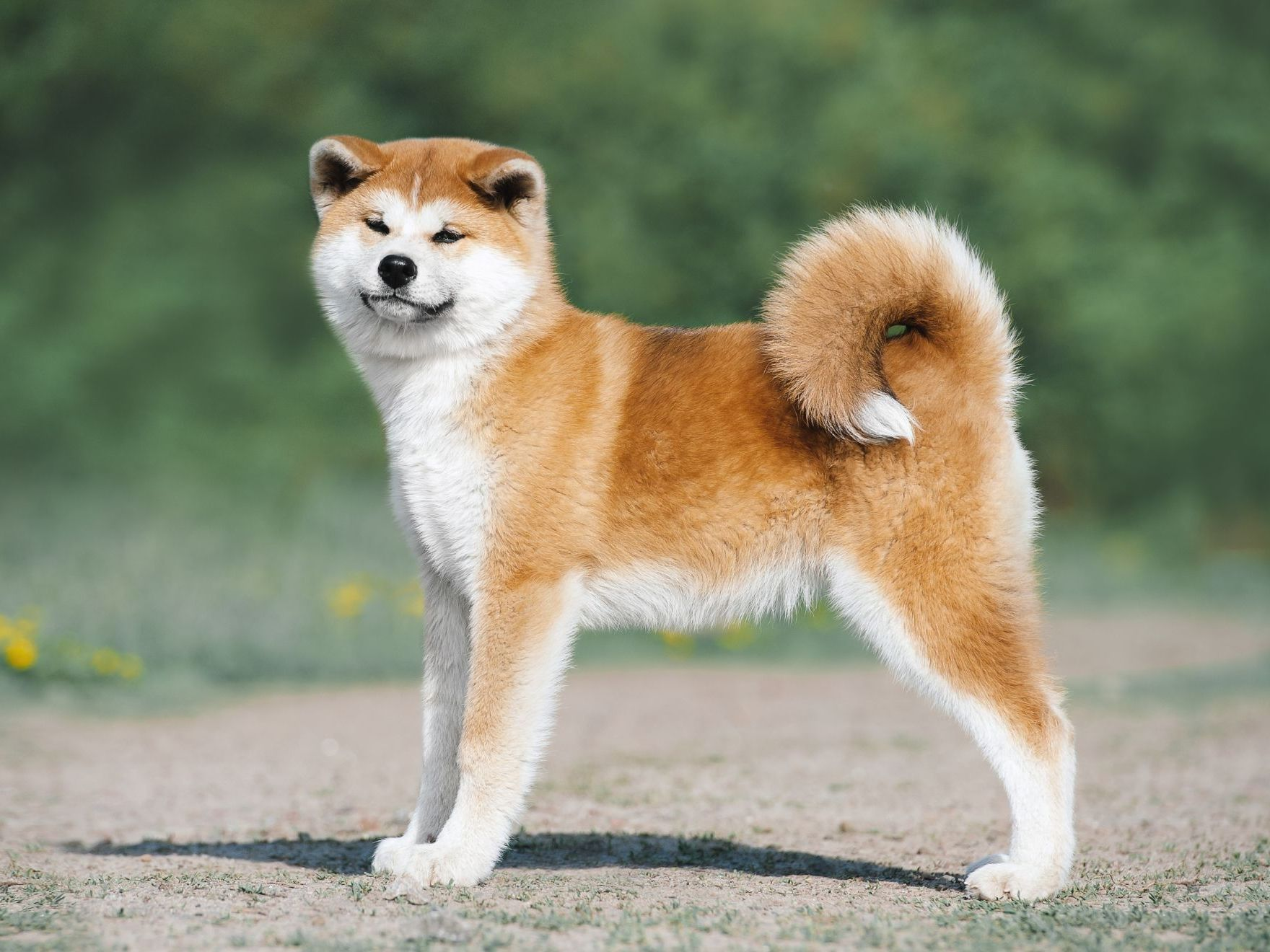
Akita
With a rich Japanese heritage, Akitas are large, powerful dogs. Despite their imposing appearance and their strong sense of loyalty, Akitas can be surprisingly gentle and patient, though with an independent nature.
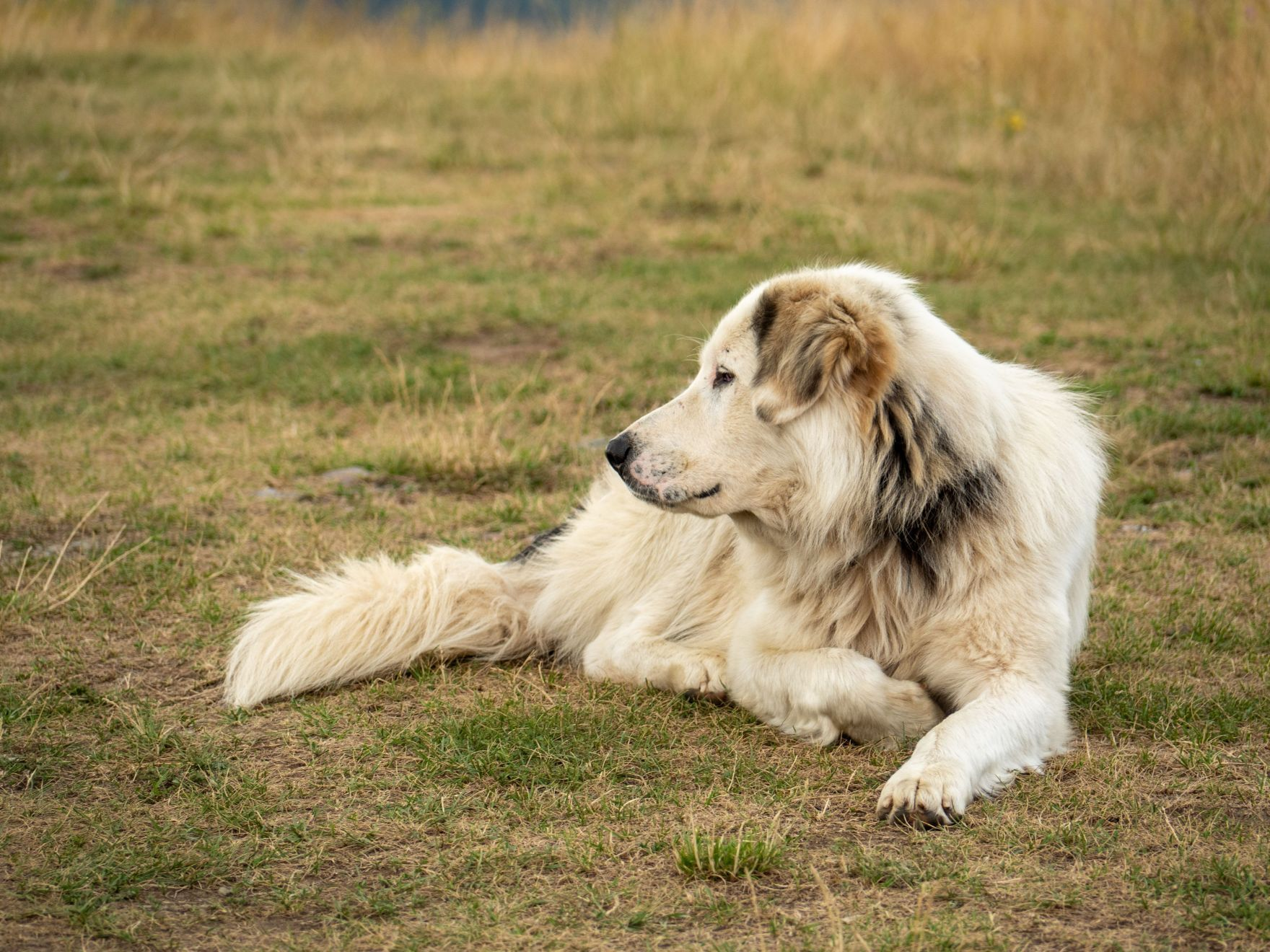
Aidi
They are vigilant, muscular and strongly built, bred to guard livestock in the Atlas Mountains in North Africa. Aidis, like most dogs of their size, enjoy daily walks, playtime, and interactive activities that can help keep them physically and mentally stimulated.
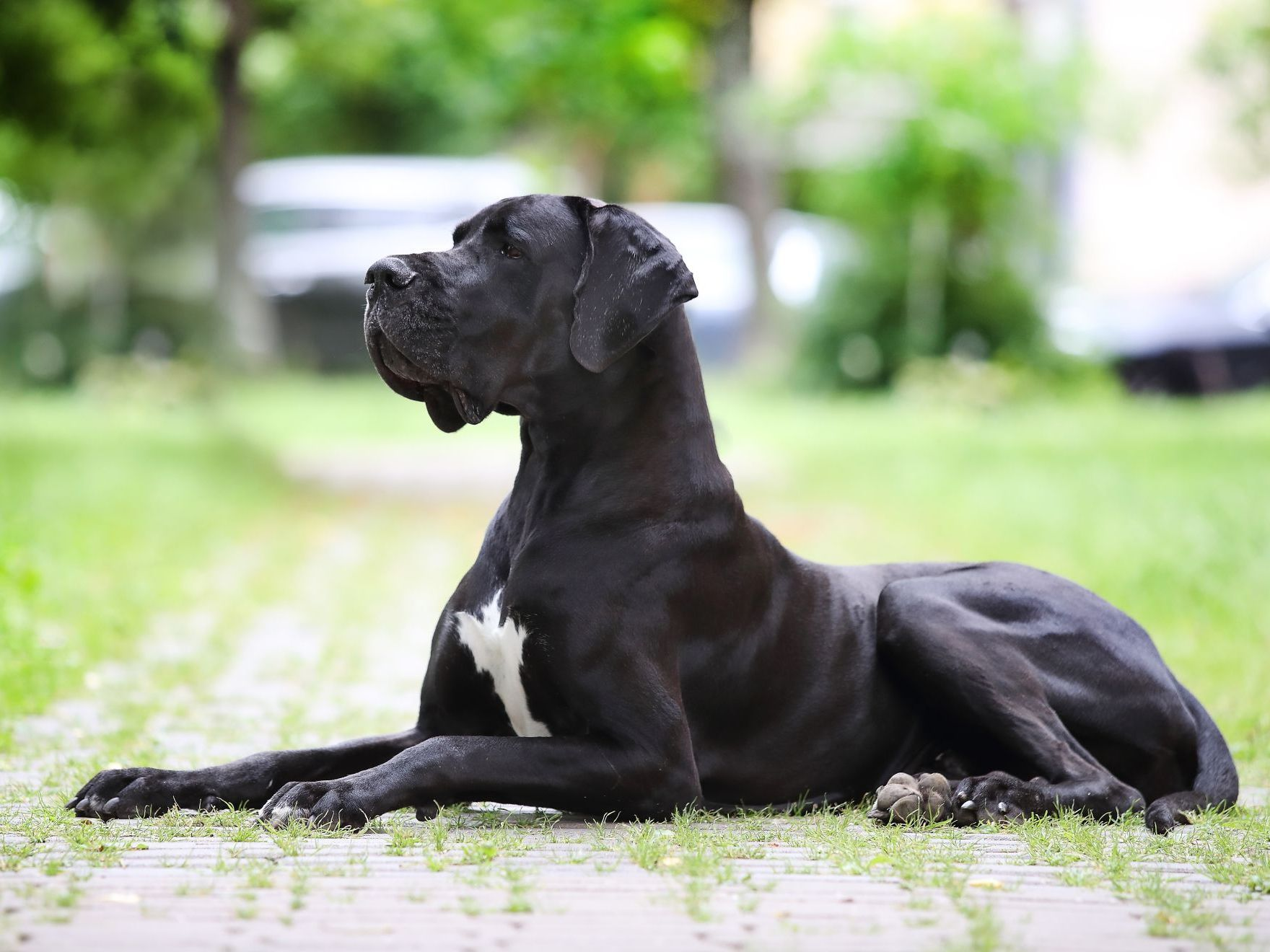
Great Dane
They are among the most popular large dog breeds, known for their majestic appearance and gentle nature. Despite their size, Great Danes have a sweet and affectionate disposition, making them wonderful family companions as long as they’re well-trained. They’re known for their loyalty and love for their human family members, forming strong bonds that last a lifetime.
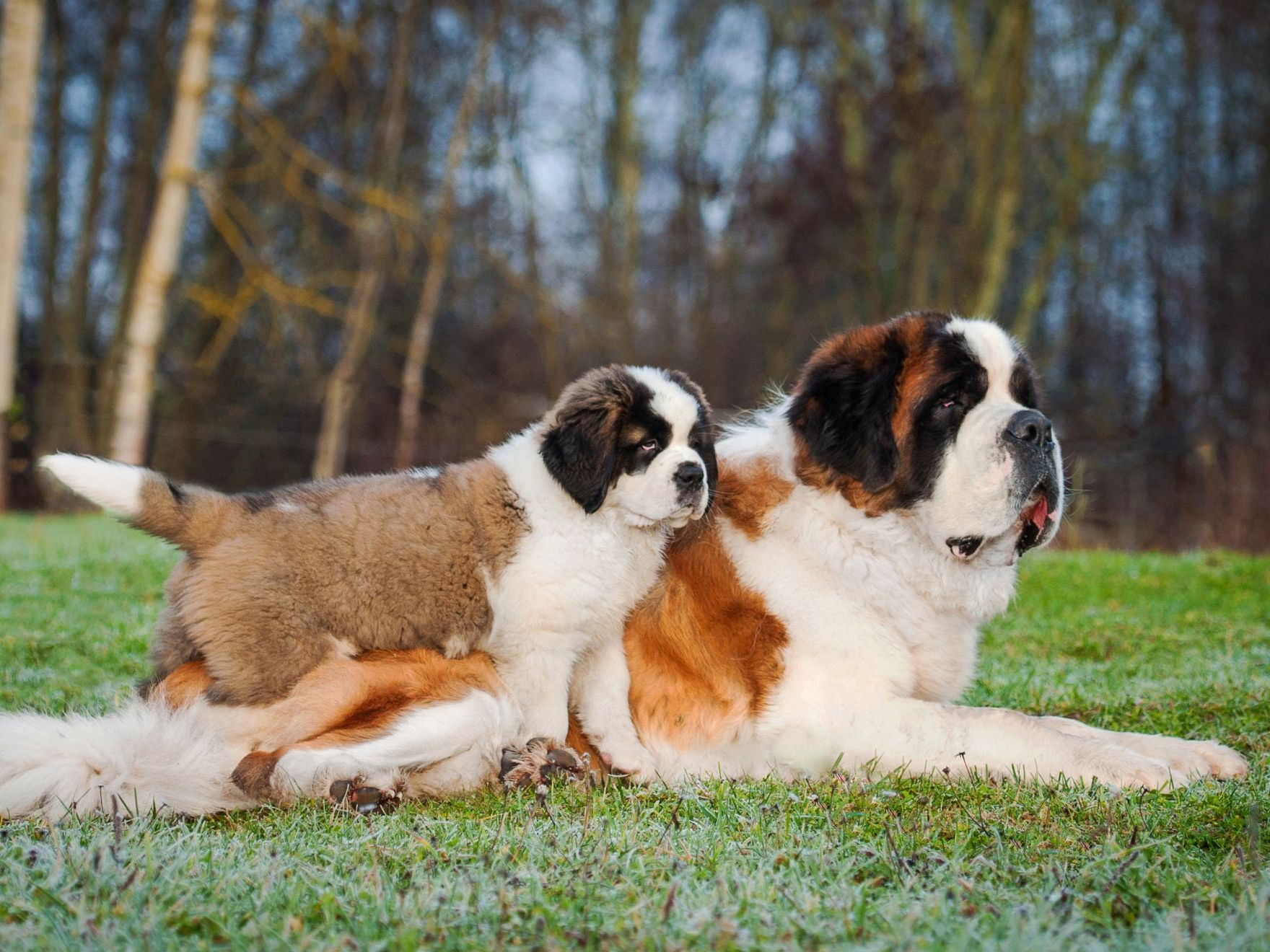
Saint Bernard
They are beloved and popular, large dogs cherished for their gentle and affectionate nature. Despite their imposing appearance, Saint Bernards are remarkably gentle and patient, especially with children. Their warm and loving personalities and their history of bravery make Saint Bernard a cherished choice for those seeking a large and gentle giant to share their lives with.
Related Articles
Like & share this page